

Public Address Systems price list
Last updated Sunday, 18 Oct 2026





View 132 Offers












Loading...
Last updated Sunday, 18 Oct 2026
A public address system—better known as a PA system—is the heart of clear, confident sound in any space. Whether you’re making announcements in a school hall, speaking at a conference, celebrating a wedding, or performing on stage, the PA carries your voice and music to the audience without strain. It’s more than just speakers; a PA is a set of tools working together so your message lands with punch and polish. If you’ve ever heard muffled speeches or piercing feedback, you’ve experienced what happens when the PA isn’t the right fit. The good news? With a little guidance, you can match the system to your space, your crowd size, and your budget—and get crisp, reliable audio every time.
Thanks to competitive pricing and seasonal promotions, it’s a great time to compare offers on PA systems in the UK. Price lists can look confusing at first—bundles, wattages, mic types, and more—but once you know the key specs and the use-case sweet spots, finding standout value gets much easier. Whether you’re after a portable all-in-one unit or a pair of powered speakers and a compact mixer, you can zero in on the features that actually matter for your gigs and skip the fluff.
Every PA has a few core building blocks. You’ll find microphones (wired or wireless), a mixer to blend and shape your sources, amplifiers to provide power (these may be built into the speakers), speakers to project sound, and often a subwoofer to add low-end punch for music and DJs. Many modern systems add Bluetooth streaming, built-in effects like reverb, and basic feedback control. For simple speech in small spaces, a compact, all-in-one portable PA often does the trick. For bands and DJs, a pair of 12-inch or 15-inch powered speakers plus a subwoofer brings the headroom and bass you need for clean, full-range sound.
When you browse popular offers and compare a public address systems price list, focus on value, not just headline wattage. Look for reputable components, solid build quality, a clear warranty, and reviews that mention reliability under real-world use. Many deals bundle a pair of speakers with speaker stands, cables, and microphones—smart buys if you’re starting from scratch. For schools and churches, installation-friendly options like slim column arrays or discreet ceiling speakers can be cost-effective long-term choices. For mobile presenters and fitness instructors, seek lightweight, battery-capable PAs with quick setup so you’re not wrestling with cables while the crowd waits.
Keep an eye on limited-time discounts, especially around peak shopping periods. Prices on powered speakers, wireless mic sets, and compact mixers often dip during these windows. Comparison platforms such as ZoneOffer make it quicker to scan options across multiple retailers without jumping from site to site. Search by category—portable PA, column array, mixer, wireless mics—and filter for the features you care about: battery life, Bluetooth, weight, or microphone count. That way you’ll spot real savings instead of just flashy marketing.
Bundles can be fantastic, but details matter. Check what’s included: speaker stands, carry bags, XLR cables, and foam windshields for microphones can easily add up if you buy them separately. Confirm whether the mixer is built-in or external, and whether there’s room to grow—extra mic inputs, monitor outputs, or a subwoofer out. If you plan to record events, look for a mixer with a USB interface. If you rely on phones or tablets, prioritize Bluetooth and app control. Spending a little time on the fine print prevents surprises on gig day and helps you measure one offer against another with confidence.
Picking between powered (active) and passive speakers isn’t about right or wrong—it’s about what makes your setup simpler and more reliable. Powered speakers include built-in amplifiers, so you plug in your mixer and you’re good to go. Passive speakers need an external power amp and a bit more signal-chain planning, which can be great for permanent installs but overkill for quick setups. If you’re a solo presenter or a mobile DJ, powered speakers are often the fast, flexible choice. If you’re outfitting a hall, church, or venue where the system will stay put and you want centralized control, passive speakers paired with rack amps can make sense.
Also consider weight and handling. A single 12-inch powered speaker can be surprisingly lightweight, and many include built-in handles to make load-in easier. If you’re lifting speakers onto stands, check the weight specs so you’re not risking your back every weekend. On the flip side, passive speakers paired with remote amps can keep heavy gear off the stands—just make sure you’re comfortable with the wiring and amp matching.
The biggest reason powered speakers dominate live sound is simplicity. With built-in amplification and DSP, they let you dial in good sound fast. Many offer presets for speech, live music, or DJ use; a few clicks and you’ve got a polished starting point. Some even include basic mixing on the back panel—handy for one or two microphones plus a media player. For weddings, corporate talks, and community events, this convenience saves time and reduces failure points.
Passive speakers shine in fixed installs where amps and DSP live in a rack room. You can power multiple zones, keep heavy amplifiers off stands, and fine-tune everything from a central processor. If you’re building a system for a school auditorium or a church sanctuary, passive options let you scale as needs grow. Just be sure the amp power and speaker ratings match to avoid damage or disappointing volume.
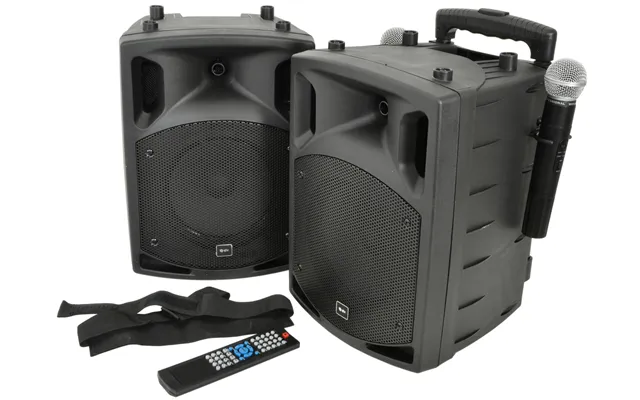
Portable PAs put the whole show in one box: speaker, mixer, battery power, and often a wireless mic receiver. If you run fitness classes, tour groups, or pop-up presentations, these units are gold. You can roll in, power up, and be speaking in seconds. Look for models with at least two mic inputs, Bluetooth for background music, and battery life long enough to cover your longest session with a buffer. A unit around the size of a carry-on suitcase can fill a medium-sized room with clear speech without breaking a sweat.
For street performers and outdoor presenters, weather resistance and rugged casings matter. Some portable PAs include pole mounts so you can raise them above the crowd for better coverage. If you’re mixing vocals and acoustic guitar, an 8-inch or 10-inch portable PA often sounds surprisingly rich. If you need serious bass for dance music, consider pairing a portable PA with a compact powered subwoofer for events where power outlets are available.
Battery-powered units take portability to the next level. If your gigs hop between meeting rooms, parks, and atriums, not chasing wall outlets is a game-changer. Check the battery type and runtime; lithium packs are lighter and charge faster. Aim for generous runtime—if you expect 3 hours, look for something that promises 5, because real use with music and mics can drain faster than lab specs. Bonus points for swappable batteries so you can keep rolling through back-to-back events.
Column arrays—those slim vertical speakers you see flanking stages—have exploded in popularity. They use multiple small drivers stacked in a column to control vertical dispersion. The result? More sound aimed at your listeners and less bouncing off the ceiling and floor. Traditional speaker boxes (the classic 12-inch or 15-inch cabinets) still pack serious punch and are often the best value for high-output gigs, especially when paired with a subwoofer for dance-floor energy. The choice boils down to your spaces and your audience: do you need sleek, speech-friendly clarity or crowd-moving thump?
If aesthetics matter—think weddings, corporate events, houses of worship—columns blend in and deliver clear vocals across wide seating without feeling boomy up front or thin at the back. For bands and DJs who want more slam, classic boxes remain the workhorse pick. You can absolutely get clarity from boxes too—just choose the right size and take a few minutes with EQ to tame hotspots.
Column arrays excel in medium rooms where speech intelligibility is king: conferences, ceremonies, and worship services. Their controlled vertical spread helps keep sound consistent from the first row to the last, and they often set up fast with a lightweight sub at the base. If you want tidy cable runs and minimal visual clutter, column systems are hard to beat.
Planning to run a lively dance floor, cover a full band, or project outdoors to a big crowd? A pair of 12-inch or 15-inch powered tops plus a 15-inch or 18-inch subwoofer gives you the output and bass extension to keep music full and impactful. For large spaces, adding a second sub evens out low frequencies across the room so nobody gets too much or too little bass.
Your microphone choice can make or break clarity. Wired dynamic mics are affordable, rugged, and great for speeches and vocals. Wireless handhelds offer freedom to move, and a wireless headset or lapel mic keeps your hands free while maintaining steady volume as you turn your head. If you’re doing fitness instruction or presenting while writing on a board, a headset beats a handheld every time.
When comparing wireless bundles, check how many mics can run at once, whether the receivers are dual-channel, and whether they include auto-scan to find clear frequencies. For corporate use, lapel mics look discreet but can be more sensitive to clothing noise. Headsets trade subtle looks for stability and clarity. It’s all about the trade-off that fits your style and event.
UHF systems typically offer better range and resistance to interference, especially in busy venues. The 2.4 GHz systems are super convenient and license-free, but they occupy the same band as Wi‑Fi and can get crowded. If you’re presenting in tech-heavy spaces, UHF can be the safer bet. Either way, keep spare batteries, and test your wireless mics in the actual room before guests arrive.
It’s easy to overbuy on mixers. Start by counting your must-have channels: how many mics, instruments, and playback devices do you use simultaneously? If you run a panel with four speakers and a laptop, a 6–8 channel mixer with a couple of extra inputs leaves breathing room. If you’re solo, a compact 2–4 channel mixer—or even a powered speaker with a built-in mini-mixer—may be plenty. Remember that stereo devices like keyboards or media players can use two inputs.
If you ever plan to record talks, workshops, or performances, consider a mixer with a USB audio interface. You’ll capture clean audio straight to a computer without extra gear. For small teams, app-controlled digital mixers are a treat—you can walk the room, hear what the audience hears, and tweak the mix from your phone or tablet.
Modern PAs increasingly include DSP—digital signal processing—that gives you EQ, compression, and feedback filters right in the box. Even a simple notch filter or automatic feedback suppression can save you from squeals when someone steps too close to a speaker. Presets labeled “Speech,” “Live,” or “DJ” provide quick, usable starting points. Fine-tune by ear and you’ll be surprised how pro your system can sound with just a few tasteful tweaks.
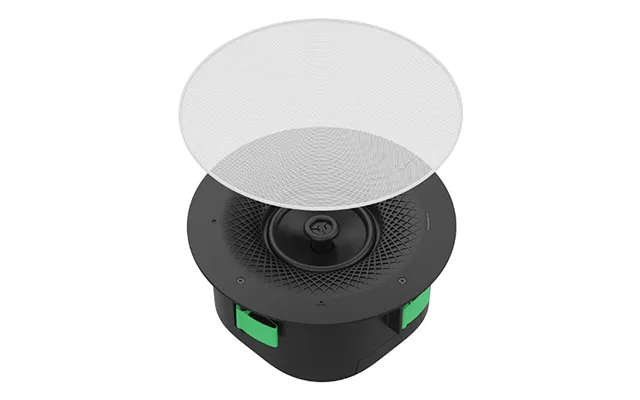
Installed systems succeed with planning. Think coverage first: you want even sound throughout the space at comfortable levels, not blasting the front row while the back strains to hear. In multipurpose halls, delay speakers halfway back can even out coverage without pushing the front speakers too hard. In classrooms and meeting rooms, ceiling speakers provide discreet, uniform sound for voice and video playback.
In worship spaces, clarity is king. Column arrays or well-placed point-source speakers can deliver intelligibility without harshness. Add a modest subwoofer for music programs, and consider a couple of stage monitors so musicians hear themselves without cranking the mains. A locked equipment rack and a simple preset-driven workflow keeps volunteers confident and protects settings from accidental changes.
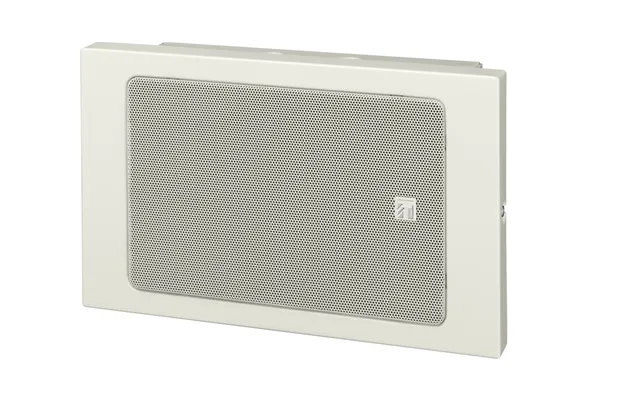
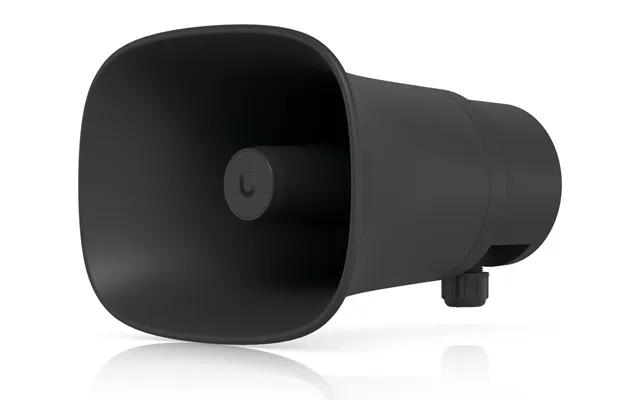
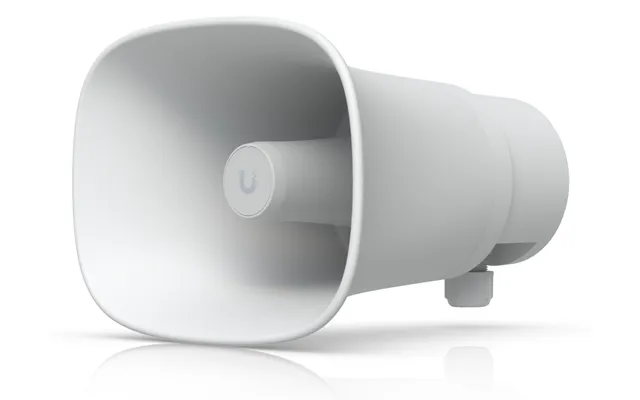
For offices, schools, and warehouses, ceiling speakers and paging horns keep messages clear across large areas. Use horns for noisy environments or outdoor corridors—they project speech intelligibly over distance. In quieter spaces, full-range ceiling speakers blend into the décor and handle background music gracefully. For multi-zone paging, a matrix amplifier lets you send messages to specific areas without disrupting everyone.
Accessibility matters. Induction loop systems transmit audio directly to compatible hearing aids, improving clarity for attendees with hearing loss. Portable loop kits are handy for reception desks and small meeting rooms; installed loops serve larger halls. If a full loop isn’t practical, consider RF or infrared assistive listening systems with dedicated receivers. Clear amplification isn’t just a bonus—it’s inclusion in action.
Outdoor sound eats power. Without walls to reflect sound, you need a bit more speaker area and headroom. Elevated stands help; aim speakers slightly downward toward your audience to reduce spill and keep volume consistent. If wind is a factor, use foam windscreens on mics and consider adding a second set of speakers further back to cover larger areas without deafening the front row.
Weather can be sneaky. Even if the forecast looks kind, bring covers for speakers and cable connections, and consider weather-resistant models if outdoor events are your norm. Keep sensitive gear off the ground on a table or rack case, and tape down cables so no one trips. A tidy, weather-aware setup both looks professional and prevents last-minute scrambles when clouds roll in.
If mains power isn’t guaranteed, calculate your draw: add up the watt ratings of your speakers, mixer, and accessories. A quiet, inverter-style generator is worth its weight for events; place it far enough away to keep noise out of your mics. For smaller rigs, high-capacity battery power stations can run a compact PA for a couple of hours. Always test your setup in advance so there are no surprises on show day.
Modern PAs play nicely with phones and tablets. Bluetooth streaming makes background music a breeze—but do keep a cable handy for mission-critical moments. App control lets you mix from the audience perspective, tame feedback hotspots, and save presets for different rooms. If you run video, check for USB or dedicated outputs so you can record talks or send audio to a camera cleanly.
Networked audio is creeping into more midrange gear, making it easier to integrate ceiling speakers, stage boxes, and multiple rooms. You don’t have to go full pro to benefit from a little digital convenience—just ensure your team is comfortable with the controls. A simple, reliable workflow beats a complex one you need to relearn every time.
Wireless convenience is great, but cables win for reliability. For keynote moments—like a CEO address—use a wired backup mic ready to go. If you stream video, minimize latency by keeping your audio chain simple and avoiding excessive digital processing. Test your links, and label everything. Calm, predictable setups come from rehearsal, not luck.
Start with your use case and audience size. For a classroom or small conference room, a compact portable PA often beats a sprawling rig. For a wedding DJ or band in medium venues, a pair of 12-inch powered speakers and a 15-inch subwoofer is a time-tested, value-friendly combo. With your needs in mind, scan price lists by category, then compare apples to apples: speaker size, power, input count, included accessories, and warranty.
Next, weigh mobility and setup time. If you’re constantly on the move, shaving a few pounds off each speaker or choosing a column array that packs into a single case can save your back and your schedule. Finally, look at support resources—video tutorials, clear manuals, and firmware updates signal products that are easier to live with. Comparison platforms like ZoneOffer can surface limited-time deals so you don’t miss a solid price on a system that fits your checklist.
Not sure where to start? Match your scenario to a proven recipe. These aren’t the only options, but they’re reliable baselines you can tweak with brand and budget. When in doubt, buy enough headroom so you’re not running the system at its limits; clean sound at moderate levels always beats a strained setup pushed too hard.
Choose a lightweight portable PA with two mic inputs, Bluetooth, and at least one wireless headset option. If you teach fitness or move room to room, battery power is a must. A compact 8-inch unit on a stand covers most meeting rooms with crystal-clear speech. Keep a wired handheld mic as backup and a spare battery in your pocket.
A pair of 12-inch powered speakers plus a 15-inch powered subwoofer is a sweet spot for dance floors without overkill. Add a small mixer with USB input for clean laptop audio and a wireless handheld mic for toasts. If aesthetics matter, consider a column array with a sub for a sleeker look—easy on the eyes and easy to set up fast between ceremony and reception.
Two 12-inch or 15-inch powered tops and one or two subwoofers handle most pub and function gigs. Use at least a 12–16 channel mixer for vocals, guitars, keys, and drums. Stage monitors—either wedges or in-ear monitors—keep performers happy. Build scene presets for different venues so soundcheck goes faster and levels stay consistent from gig to gig.
Clarity and consistency come first. A pair of column arrays or well-placed point-source speakers paired with a modest sub deliver intelligible speech and musical support. A simple digital mixer with app control empowers volunteers to mix from the seating area. Consider assistive listening for accessibility and a couple of wireless headset mics for presenters who prefer hands-free movement.
Great sound isn’t just gear—it’s placement and settings. Elevate your speakers so the high-frequency drivers sit above head level; aim them slightly downward to cover the audience evenly. Keep microphones behind the front of the speakers to reduce feedback. If your mixer offers high-pass filters, engage them on speech mics to cut rumble and handling noise. Start with conservative EQ and only cut what’s bothering you—subtractive EQ sounds more natural than big boosts.
For music, set subwoofer levels so the low end supports without overwhelming vocals. Walk the room while playing a familiar track and adjust accordingly. Save those settings as a preset if your gear allows; future you will thank you. And remember, a few minutes of careful gain staging—setting input gains so meters hit a healthy level without clipping—makes everything cleaner and smoother.
Feedback happens when mic sound loops back into the speakers and gets amplified. To prevent it, keep mics pointed away from speakers, don’t cup the mic grille, and avoid excessive high-frequency boosts on vocal channels. If you hear a ring, gently notch a little EQ around the offending frequency on that channel or the main mix. Many powered speakers include basic feedback suppression—use it as a safety net, not a crutch.
Choosing a public address system doesn’t have to be complicated. Start with your purpose, room size, and mobility needs; then pick a dependable recipe—portable all-in-one for quick speech, powered tops plus sub for music-heavy events, or sleek column arrays for clear, even coverage. Compare popular offers and price lists with a critical eye for what’s actually included, and lean on comparison platforms like ZoneOffer to surface limited-time deals. With the right mix of speakers, mics, and a modest mixer, you’ll deliver clear, confident sound that feels effortless to set up and easy to trust when the room fills up. Your audience will hear the difference—and you’ll feel it every time you press play or step up to the mic.