All categories
Business & Offices
Electronics & Media
Fashion & Accessories
Groceries & Essentials
Health & Personal Care
Home & Living
Kids & Family
Sports & Outdoors
Search in ZoneOffer

Loading...
When you browse a communications category and see “Other,” it’s not a catch‑all in a careless way—it’s the good stuff that doesn’t neatly fit into phones or laptops, yet makes your everyday connections faster, clearer, and more reliable. Think two‑way radios for events and hiking, cordless phones for homes and micro‑offices, VoIP adapters for internet calling, mobile hotspots for instant Wi‑Fi on the go, signal boosters for stubborn indoor reception, intercoms and door entry systems, conference speakerphones for hybrid work, CB radios and even amateur radio handhelds. If it carries your voice or data where it needs to go, it likely lives here.
And if you’re trying to decide what’s worth your money, price-comparison platforms like ZoneOffer help you spot popular offers and price lists at a glance—without treating any single seller as the final word. That way, you can weigh specs, features, and total value across multiple retailers before you click “buy.” Ready to upgrade your setup? Let’s walk through the top device types, who they’re for, and what to compare so you score the right deal.
Two‑way radios still shine where mobile coverage dips or quick, hands‑free talk beats fumbling with a phone. Planning an outdoor event? Hitting the trail with a group? Managing a worksite? Radios deliver one‑to‑many voice with a single press. Real‑world range depends on terrain and buildings, but as a rough guide you might see up to a couple of miles in towns and noticeably farther in open spaces with clear line of sight. For festivals, hospitality, retail, and family trips, they’re hard to beat for simplicity and reliability.
Modern walkie‑talkies bring features you’ll actually use: voice‑activated transmit (so your hands stay free), channel scanning, privacy codes to cut chatter, weather‑resistant housings, and USB charging so you can top up from a power bank. Some even double as emergency beacons or include built‑in flashlights—handy when the power goes out or the sun goes down.
Start with battery endurance and charging options. Swappable rechargeable packs are great for long days, but AA compatibility is a practical fallback when outlets are scarce. Check the number of channels and privacy code support to keep your team’s conversations clean. Look for rugged ratings for dust and water if you’ll be out in the rain. And don’t overlook ergonomics—large, gloved‑friendly buttons and a bright display are worth their weight when you’re moving fast.
In the UK you’ll find both license‑free options popular for personal and light commercial use and licensed radios aimed at businesses needing more control and coverage. If you’re buying for work, check what your team already uses and confirm compatibility so everyone speaks the same “language.” Need longer reach or less congestion? That’s when it’s worth looking at licensed solutions and coordinating your frequencies properly.
Don’t sleep on cordless phones—they’re still stars for households, small offices, and anyone who prefers a real handset for crisp voice quality and comfy long calls. You’ll find models with built‑in answering machines, call blocking to tame nuisance callers, big buttons for visibility, and multi‑handset bundles to spread coverage around your home or shop. Range varies by construction and interference, but strong systems comfortably cover a typical house and expand with extra base stations or repeaters if you need to reach an outbuilding or loft.
Cordless remains a smart backup when mobile networks hiccup. Some systems even link to a mobile via Bluetooth, letting you answer your mobile calls from your cordless handsets around the house. That’s convenience you’ll appreciate the minute your mobile is charging in the kitchen and you’re answering it from the attic.
Compare call blocking (how granular are the filters?), handset battery life, speakerphone clarity, and how many handsets come in the box. If you work from home, go for noise reduction and a comfortable shape for long talks. Need to reach farther? Check for range boosters and consider where you’ll place the base—central positioning can make a night‑and‑day difference in coverage, especially through thick walls.
VoIP lets you route your voice over the internet and often costs less than traditional lines—without sacrificing clarity or features. An Analog Telephone Adapter (ATA) converts a regular phone to work with VoIP, ideal if you love your existing handsets. SIP desk phones are purpose‑built for internet calling and shine in home offices and small business setups, bringing pro features like multi‑line handling, speed dials, hold, transfer, and top‑tier audio.
If you’re building a hybrid or remote setup, pairing a SIP phone with a cloud PBX gives you a serious toolkit: proper call routing, voicemail to email, ring groups, and conference features that make your workspace feel like a modern office—without the big iron on premises.
Look for power over Ethernet (a single cable can carry both data and power), wideband audio for natural voice, strong noise suppression, and easy provisioning if you’re adding several phones. For ATAs, check for multiple ports if you want to run more than one handset, and confirm compatibility with your chosen VoIP provider. Bonus points for devices with simple web interfaces—you’ll thank yourself during setup.
When you need instant internet for your laptop or a small team, mobile hotspots and LTE routers deliver. Pop in a SIM, power on, and you’ve got shared Wi‑Fi for work sessions, pop‑up events, road trips, or backup connectivity at home. Many models emphasize long battery life and the ability to serve multiple devices simultaneously, and fixed routers add stronger antennas and ethernet ports for a more stable connection.
Coverage and consistency depend on your location and network, so it pays to choose devices known for strong radios and flexible antennas. If you’re in a fringe signal area, consider an option that supports external antennas you can position higher for a better line of sight—those few extra feet can change everything.


Check that the hotspot supports your network’s key features and works well indoors. Consider whether you prefer a pocketable battery‑powered unit or a mains‑powered router with greater stability and range. And if you’re frequently traveling, look for robust roaming controls so you don’t accidentally connect on the wrong plan.

If your mobile signal fizzles as soon as you step indoors, a booster can help by capturing outdoor signal and broadcasting it inside. The idea is simple: mount a donor antenna where your phone shows decent bars, run a cable to an amplifier, and place an indoor antenna to serve your rooms. The best systems can cover thousands of square feet, but performance depends on how strong the starting signal is and how your building is constructed.
Before you buy, make sure any solution you consider is compliant with local regulations and appropriate for your carrier. A well‑matched, properly installed booster can be transformative, especially for remote homes, workshops, and retail units with metal or dense walls.
Height helps. Mount the outdoor antenna as high as safely possible with a clear view over nearby obstructions, then maximize the separation—by many feet—between outdoor and indoor antennas to prevent feedback. Plan the indoor antenna location where people actually use their devices, and keep cable runs tidy and as short as practical to preserve signal quality.
Your meetings are only as good as your audio. A capable conference speakerphone brings echo cancellation, beamforming mics, and a pickup range designed to capture everyone around the table. Whether you’re hosting calls in a small study or a mid‑sized conference room, getting the right mic coverage and speaker clarity makes your team sound organized and on point.
For hybrid work, consider systems that pair neatly with laptops and mobiles. If you need to move between rooms, a portable unit with strong battery life is a winner. Running a fixed room? A wired power setup keeps you from chasing chargers before big calls.
USB is plug‑and‑play for most computers, Bluetooth gives you cable‑free flexibility, and a 3.5 mm audio option is nice for older gear. Some devices integrate with popular collaboration apps to streamline mute, answer, and volume control—tiny touches that reduce on‑call juggling.
Intercoms and door entry kits aren’t just for apartments anymore. Wireless doorbells with two‑way talk, room‑to‑room intercoms for larger homes, and office entry systems with clear audio help you move people and parcels efficiently and safely. If you manage a small office, being able to greet visitors and buzz them in without breaking your stride is a serious productivity boost.
For households, an indoor intercom can save you from shouting across floors, and models with mobile app links mean you can answer the door from the garden or the garage without sprinting back inside.
Look for multi‑unit support if you have several handsets or stations, reliable call clarity through doors and thick walls, and simple controls that visitors can understand instantly. If you’re upgrading a shared entrance, prioritize durable buttons and weather protection. For wireless kits, mind the rated range and test your placement—sometimes moving a base a few feet away from metal fixtures cures dropouts.
If you spend time on the road, a comfortable Bluetooth headset or visor‑mounted speakerphone keeps your calls clear and your hands on the wheel. The right model gives you strong noise cancellation so your voice cuts through wind and engine sounds, quick mute controls, and enough battery to comfortably last a full day of calls.
Comfort matters. Try different eartip sizes, aim for an even weight that doesn’t tug on one ear, and prioritize quick pairing so you’re not fiddling when it’s time to go. Multipoint pairing is a gem if you regularly switch between a work and personal phone.
Set up voice assistant shortcuts so you can dial, answer, or send quick messages without taking your eyes off the road. Keep a short charging cable in the car, and if your model has a charging case, plug it in near the dash so you build a habit of topping up when parked. Simple routines make gear feel invisible—and that’s when it’s doing its best work.
CB radios still earn their keep with drivers and off‑roaders thanks to reliable, low‑cost comms that don’t depend on mobile networks. Expect range measured in miles, varying with terrain, antenna choice, and installation quality. Meanwhile, amateur radio handhelds open a world of local repeaters, emergency nets, and hobby conversation—great for learning radio fundamentals and staying connected during outages.
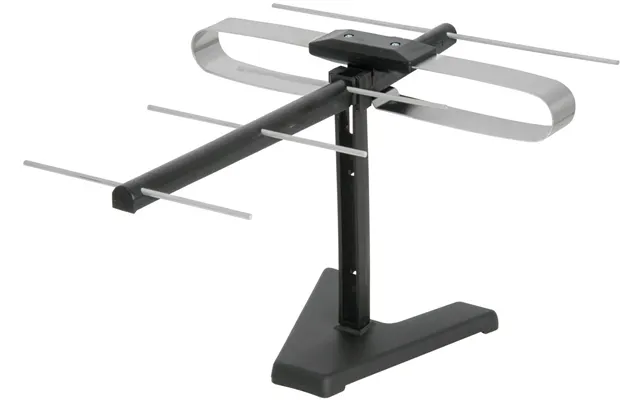
If you go this route, invest time in a good antenna setup. A properly tuned and positioned antenna can make more difference than any other single component. And if you’re new, lean on local clubs and online communities—you’ll shortcut months of trial and error.
For vehicles, a magnetic‑mount antenna that’s long enough to radiate efficiently can dramatically extend practical range. On foot, a whip that’s a few inches longer can outperform a stubby by a surprising margin. If you can, elevate base antennas several feet above the roofline for a cleaner path and fewer obstructions.
Comparing communications gear can feel like alphabet soup. That’s where a price‑comparison site such as ZoneOffer becomes your shortcut: you can scan the market, spot current offers, and weigh total value without hopping store to store. Want an overview fast? Filter by device type, key features, and price range, then shortlist three candidates. From there, check reviews for real‑world quirks and confirm accessory availability—spare batteries, antennas, or mounts can add hidden costs later.
Resist the temptation to buy on headline price alone. A slightly pricier model with better durability or future‑proof features can save money over time. And always factor in what you already own—if a device works with your current chargers, mounts, or headsets, that’s money you don’t have to spend again.
Communications gear sees strong discounts around major sale seasons and at product refresh cycles. If your need isn’t urgent, set alerts and let prices come to you. Bundles can also be tremendous value—multiple handsets, extra batteries, or added accessories for a small premium can save you more than hunting each piece separately.
Reliable communication isn’t just about what you buy—it’s how you set it up and care for it. Keep firmware up to date so your gear gets fixes and improvements. Place bases and antennas high and central where possible, and avoid stacking equipment right next to large metal objects that can create interference. Build a simple charging routine so radios and headsets don’t die the moment you need them.
Temperature matters, too. Most devices are happiest at room temperature, and many warn against prolonged exposure above roughly 95°F or below about 32°F. Don’t leave your kit baking on a car dashboard or freezing in a shed—extremes wear down batteries and plastic housings fast.
Seeing glitchy audio or random drops? Power‑cycle both ends—device and router or base. For hotspots and boosters, shift antennas a few feet, recheck cable connections, and try another outlet. For walkie‑talkies, confirm you’re on the same channel and privacy code, then test outdoors for a clean baseline. Nine times out of ten, a methodical reset and a small placement tweak solve the mystery.
Communications gear often lives a long life if you treat it right. Seek models with replaceable batteries, standard charging ports, and readily available spares so you can refresh rather than replace. Refurbished units from reputable sellers can be a smart, eco‑friendly way to stretch your budget—especially for desk phones and conference gear that rarely leave the room.
Packaging and materials matter, too. Compact boxes, recyclable materials, and minimal plastic go a long way if you’re outfitting a whole team. And when something truly reaches end of life, recycle responsibly through local facilities—e‑waste programs will keep hazardous bits out of landfills.
Whether you’re wrangling a team at an event, building a resilient home office, punching through a weak indoor signal, or just craving clearer calls, the “Communications – Other” world has exactly what you need. Two‑way radios keep groups tight, cordless phones bring dependable voice to every room, VoIP gear modernizes calling, hotspots give you instant Wi‑Fi, boosters salvage fringe coverage, intercoms streamline entries, and conference speakers make you sound put‑together on every call. Use a comparison platform like ZoneOffer to scan price lists, weigh features, and seize timely offers, and you’ll land the right gear at the right price—without the guesswork. The result? Smoother days, fewer dropped words, and communication that just works.

| £ 744,- |