All categories
Business & Offices
Electronics & Media
Fashion & Accessories
Groceries & Essentials
Health & Personal Care
Home & Living
Kids & Family
Sports & Outdoors
Search in ZoneOffer

Loading...
Still think corded phones are old-school? Think again. From rock-solid call quality to power-cut resilience and easy accessibility features, modern corded phones are having a quiet comeback in homes, home offices, and small businesses across the UK. If you’re browsing deals and wondering which desk phone fits your needs, you’re in the right place. This guide walks you through the most useful features, standout models, and practical tips to help you choose confidently. And when you’re ready to compare offers, using a trusted comparison site such as ZoneOffer makes it simple to spot a great deal fast across multiple retailers.
With smartphones in every pocket, why pick a corded handset? Reliability. Corded phones deliver stable audio, zero charging hassles, and easy plug-and-play simplicity that’s perfect for clear conversations—especially when every word matters. They’re ideal for home offices that demand consistent call quality, for households that prefer a fixed phone location, and for users who want large buttons, tactile dials, or loud ringers. And when the power goes out, many simple corded models can still place and receive calls on a traditional landline. If you value no-nonsense communication that just works, corded still rules.
Not all corded phones are created equal. The best model for you depends on how and where you’ll use it—at a hallway wall, on a busy reception desk, or on your work-from-home setup. Here’s how to separate must-haves from nice-to-haves.
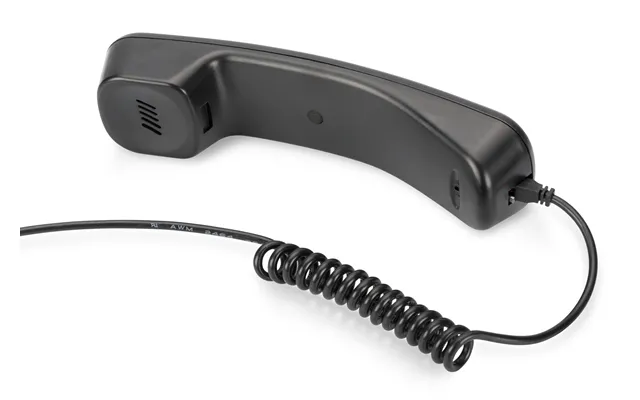
Clear voice transmission should be your top priority. Look for noise reduction and a solid, comfortable handset that sits well in your hand during longer chats. A grippy finish helps, and a properly shaped earpiece can make the difference between a crisp call and a muffled one. If you take frequent conference calls, a high-quality speakerphone is a worthy upgrade. A longer curly handset cord—often around 6 ft unextended—gives you more freedom to jot notes or grab a file while talking.
One huge advantage of basic corded phones is their ability to work during power outages on traditional landlines. If you’re in an area where power hiccups happen, keeping a simple corded phone as a backup is a smart move. For phones with powered features (like a digital display or backlit keys), check whether they still allow basic calling without mains power. If your landline is delivered via your broadband router, consider a battery backup so your phone service stays online during a blackout.
Caller ID is table stakes, but advanced call blocking can be a game-changer. Look for models that let you block specific numbers, unknown callers, or entire categories (like withheld numbers). Some phones store a list of blocked numbers and let you add new ones with a single tap. A dedicated “Do Not Disturb” mode is handy when you need focus time. Bonus points for adjustable ring volume, visual ring indicators, and the ability to silence the ringer on a schedule.
Do you prefer messages stored on your phone or with your provider? A built-in answering machine gives you local control, instant playback, and easy access to message counts at a glance. It’s ideal for small businesses and busy households. Network voicemail can be convenient if you like to retrieve messages from different locations or want fewer devices in the chain. If you choose an answering machine, check the recording capacity, remote access options, and message time-and-date stamps.
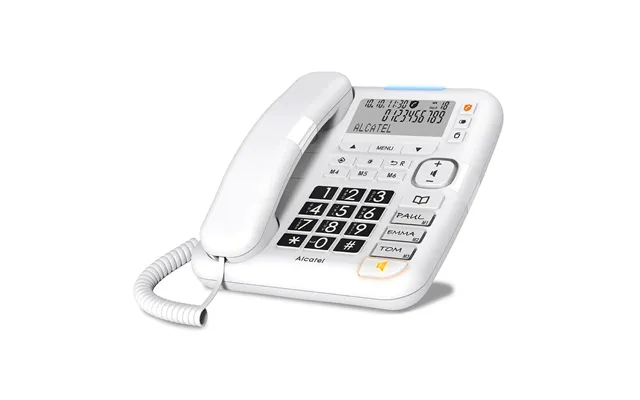
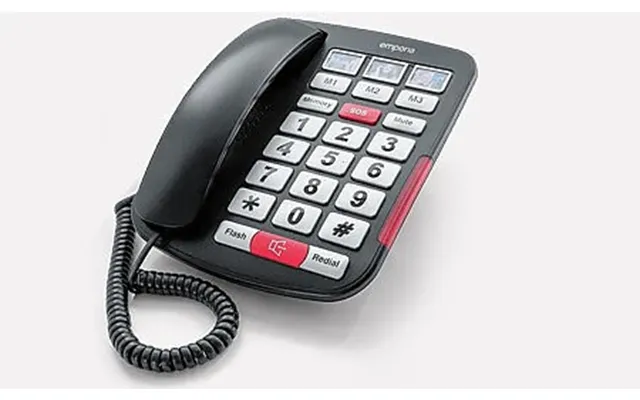
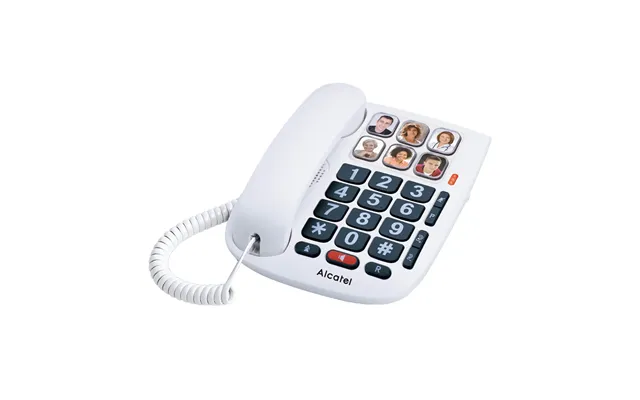
For seniors or anyone with visual or hearing challenges, big-button models and loud ring options are essential. Look for high-contrast keypads, extra-large displays, and bright visual ring lights. Hearing aid compatibility (often indicated as HAC) reduces interference, and amplified volume modes make calls easier to follow. Speed-dial picture keys can also help users with memory or dexterity difficulties place calls with confidence.
If space is tight or you want a hallway phone, wall-mountable models keep things tidy. Some desk phones can convert to wall mode with a reversible spacer or bracket. Check the phone’s footprint if it lives on a narrow console or a cramped workstation. A compact design with a stable base helps prevent knocks and slips, while a gently angled screen ensures better readability at a glance.
Messy cords steal focus. Choose models with a generous handset cord—many start around 6 ft and stretch further—plus a well-placed cable exit for neat routing. If your socket sits a little farther from your desk, pick up a longer line cord and a few discreet cable clips. Good cord management looks professional, reduces snag risks, and keeps your space calm and functional.
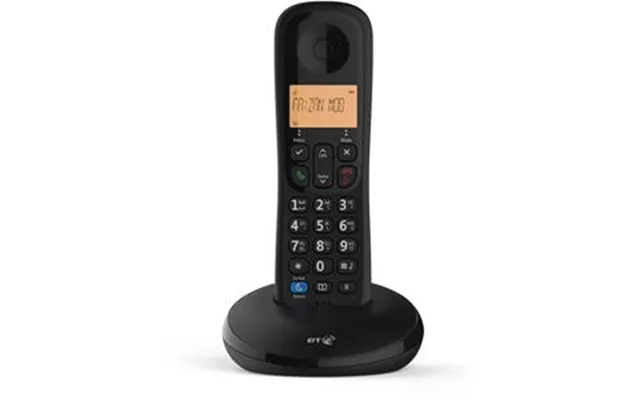
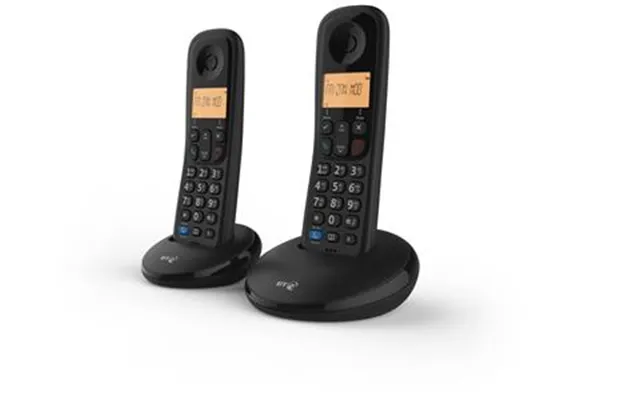
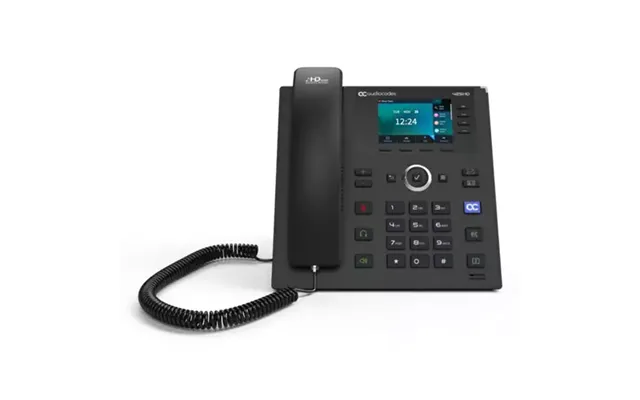
While availability changes and new models arrive regularly, several names consistently earn praise for reliability, clarity, and ease of use. When comparing offers across retailers through a trusted comparison site such as ZoneOffer, keep an eye on these lines and their standout strengths.
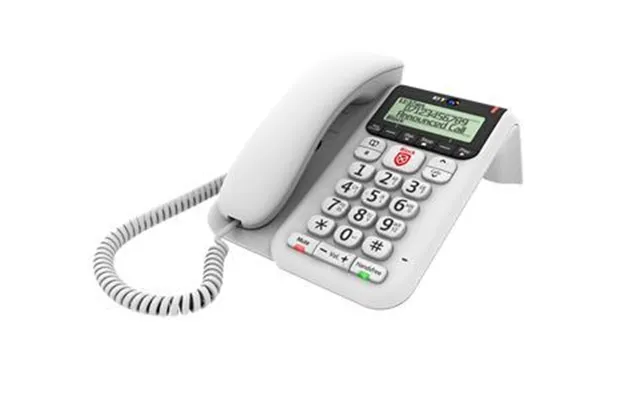
BT’s Decor range is popular for its mix of clarity, practical features, and familiar UK-friendly design. Many Decor models offer caller ID, call-block functionality, a clear display, and comfortable ergonomics for everyday calling. If you need hands-free audio, look for a model with a built-in speakerphone. The menus are usually straightforward, which means less fiddling and more talking.
The BT Big Button phones do exactly what they say on the tin: big, bold keys with high contrast, an easy-to-read display, and a ringer you can actually hear from another room. They’re a great fit for seniors, users with reduced dexterity, or anyone who appreciates a fuss-free layout. Some versions add one-touch memory keys for your most-called contacts and loud, clear audio for every call.
Panasonic’s KX-TS desk phones have long been known for solid build quality and clean audio. Certain models in this family add features such as speakerphone, redial history, and easy wall-mounting. They often focus on doing the basics brilliantly, which makes them a dependable choice for home offices and small shops that need phones to just work, day in and day out.
Gigaset’s DA line typically emphasizes compact footprints and intuitive operation. Some models provide multiple ringtones, wall-mount options, and useful contact storage. If your desk space is limited but you still want extra touches like visual ring indicators or quick-dial buttons, the DA series is worth your shortlist.
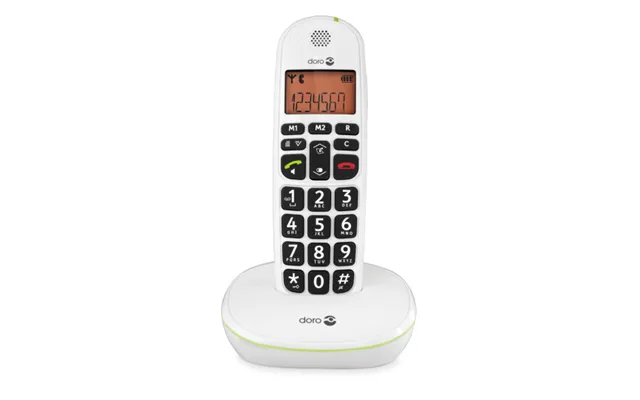
Doro and Geemarc specialise in accessibility features. Expect extra-loud ringers, amplified handsets, large buttons, and clear displays. Some models add photo-call keys for effortless dialing. If hearing clarity and ease of use are top priorities, these brands are go-tos. They’re popular choices for assisted living setups, care homes, and any household where simplicity and legibility matter.
VTech and similar brands offer budget-friendly corded phones that cover the essentials: caller ID, clear audio, and reliable keypads. While feature sets vary, you’ll often find a surprising amount of value for everyday use. They can be a practical option for spare rooms, student flats, or as a secondary phone in a workshop or garage.
Choosing between corded, cordless, and mobile is less about replacing one with another and more about matching tools to tasks. Corded phones excel at stability, clarity, and no-charge convenience. Cordless gives you freedom to roam around the house, at the cost of battery management and potential interference. Mobiles are unbeatable for portability, but speakerphone quality and long-call comfort can vary. Many households blend them: a corded desk phone where calls are most frequent, and mobiles for when you’re out and about.
Remote work thrives on reliable audio. A corded phone with a quality speakerphone is perfect for back-to-back meetings. Pair it with a comfortable chair, a notepad within reach, and a longer handset cord so you can move freely. If you spend hours on calls, a corded phone can feel like switching from a stool to a supportive chair—your neck and shoulders will thank you.
For small shops, clinics, or salons, a corded phone with a visible display and one-touch keys saves time. Front desks appreciate wall-mountable models that keep counters clear, while call-blocking protects staff from time-wasting spam. If you routinely take messages, an integrated answering machine with clear playback is more efficient than juggling apps or personal mobiles.
Safety and simplicity matter most here. Big-button, high-contrast phones with loud ringers and hearing-aid compatibility reduce missed calls and misunderstandings. Picture dial keys can make all the difference; one glance and a single press connects to family. Add a corded phone in a central spot—like the hallway or kitchen—and it becomes a dependable lifeline.
As the UK transitions from traditional copper landlines to digital voice services, many homes will plug phones into a router’s phone port rather than a wall socket. The good news? Most standard corded phones are compatible. You may need a simple adapter depending on your setup, and it’s wise to consider a battery backup if you want your phone service to stay available during power cuts. When comparing models, focus on the features you’ll use daily—compatibility is rarely a roadblock.
If your service runs through your broadband router, look for a port labeled “Phone” or “TEL.” Many corded phones plug straight in with the included line cord, though you might need a small adapter depending on your provider’s hardware. For multi-phone setups, a base station or compatible adapter can help distribute signal to different rooms. Keep cables tidy to prevent accidental unplugging—simple clips and a couple of cable ties work wonders.
A basic corded phone is a smart addition to your emergency kit. In a power cut, it may still dial out on a traditional line, and it’s easy for anyone in the household to use. Consider placing one in a central, easy-to-find location. If your phone service depends on your router, pairing the setup with an uninterruptible power supply can help keep your line active long enough to make important calls.
Getting a corded phone running is usually as simple as plug-and-talk. Still, a few small tweaks can elevate your experience, making every call feel a touch smoother and more professional.
For desk use, place the phone within easy reach of your dominant hand, with enough slack in the handset cord to take notes comfortably. If wall-mounting, keep it at a height that avoids stretching or stooping. A stable mount with a secure bracket means fewer accidental drops and a better viewing angle for the display. Keep it away from noisy appliances to avoid hum and interference.
Hearing hiss or echo? Try swapping the line cord, moving the phone away from power bricks, or testing it in a different socket. If echo shows up on speakerphone, lower the speaker volume slightly. For call quality that’s consistently poor, a different handset cord or a known-good phone can help isolate whether the issue is your device or the line itself.
Phones are high-touch devices. Wipe the handset and keypad with a lightly damp microfiber cloth and a mild cleaner—avoid harsh chemicals. Pay attention to the mouthpiece and earpiece openings; keeping them clean improves sound. A quick weekly wipe-down keeps your phone looking fresh and reduces germs in busy environments.
While corded phones don’t run apps, good habits still matter. Be cautious about returning missed calls from unknown international numbers, and use call blocking to filter spam. If you record calls for compliance, make sure you follow local regulations and always obtain consent when required. Privacy starts with the basics: block nuisance numbers and keep your call list uncluttered.
Features are only useful if they make your day easier. Here are the ones that buyers consistently love after a few weeks of real-world use.
A quality speakerphone feels like a tiny conference room on your desk. Look for natural voice pickup, minimal echo, and easy volume control. If you’re constantly juggling keyboards, notebooks, and coffee mugs, hands-free calling is a productivity booster.
Speed dial is the unsung hero of desk phones. Program your top contacts—family, clients, suppliers—and you’ll shave seconds off every call. On models with multiple memory keys, label them clearly or use picture keys for instant recognition.
In loud environments—or very quiet ones—visual cues are a gift. A flashing light or large on-screen alert helps you spot calls without cranking up the volume. This is especially useful in shared spaces, workshops, and households where loud ringers aren’t always welcome.
Some users need to record calls for training or record-keeping. If that’s you, check whether your phone supports recording via a compatible accessory or whether you’ll use an external device. Follow consent rules and store recordings securely. If you don’t need it, skip it—simple setups are often best.
Prices vary based on features like answering machines, call blockers, and amplified audio. Start with a shortlist of must-haves, then compare models that meet those needs. Using a dedicated comparison site such as ZoneOffer makes it easy to see pricing and features across multiple retailers at a glance, so you can snag a genuine deal without hopping between tabs for hours. Watch for bundle offers and seasonal promotions—desk phones often see discounts during back-to-work periods.
Want more phone for less money? Consider refurbished or open-box models from reputable sellers. You can often get near-new condition with a warranty at a lower price. It’s a great way to upgrade to a model with call blocking or an answering machine without breaking the bank.
Before you buy, check the manufacturer’s warranty length and what it covers. For small businesses, responsive support can be just as important as features. Keep your proof of purchase handy and register your device if required. The peace of mind is worth it, especially for phones that will see daily use.
Corded phones are famously durable. With fewer components than cordless systems, there’s less to fail—no batteries to replace, no charging cradle to maintain. Many models use minimal power and last for years, even decades, with basic care. Replaceable cords and modular parts give them a second life if something wears out. If you care about reducing e-waste, a well-chosen corded phone is a quietly sustainable choice.
In a world that’s always chasing the next big thing, corded phones stay relevant by doing the simple things well: clear audio, dependable performance, and effortless usability. Whether you want a big-button model for easy dialing, a feature-rich phone with call blocking and an answering machine, or a compact desk set for your home office, there’s a corded handset that fits your needs and budget. When you’re ready to buy, comparing deals through a trusted comparison site such as ZoneOffer helps you find the right model at the right price—no guesswork, just solid value. Pick your priorities, match the features, and enjoy conversations that sound as good as they should.
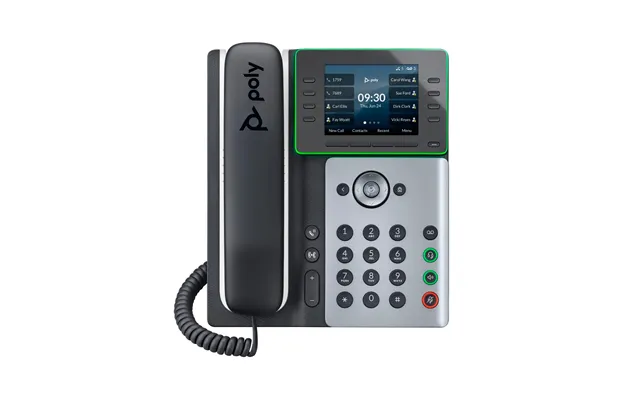
| Corded Phones | Price | |
|---|---|---|
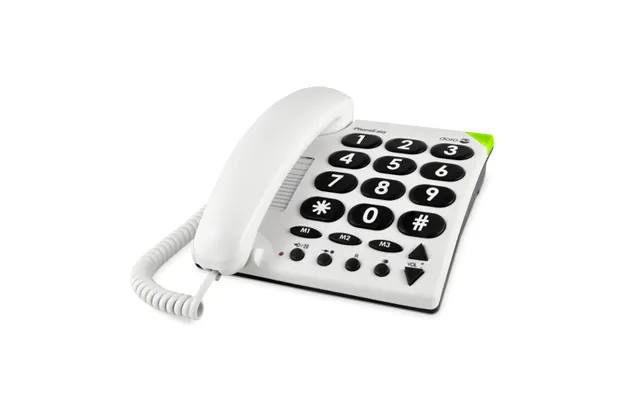
| Doro Phoneeasy 311c Analog Telephone White | £ 29,11 | |
| Energizer E284s Ar Key Uk Bkrd | £ 45,55 | |
| Energizer E284s Ar Key Uk Bkbl | £ 47,06 | |
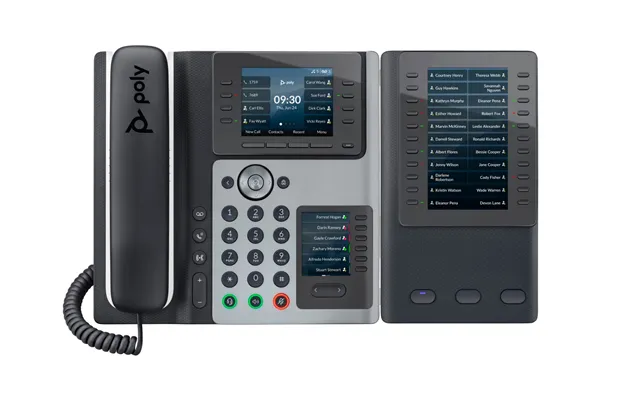
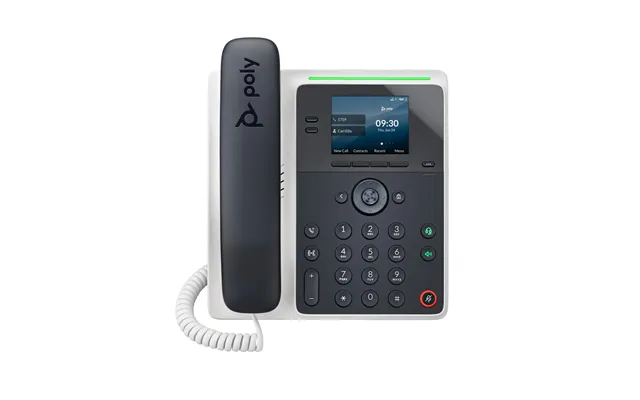
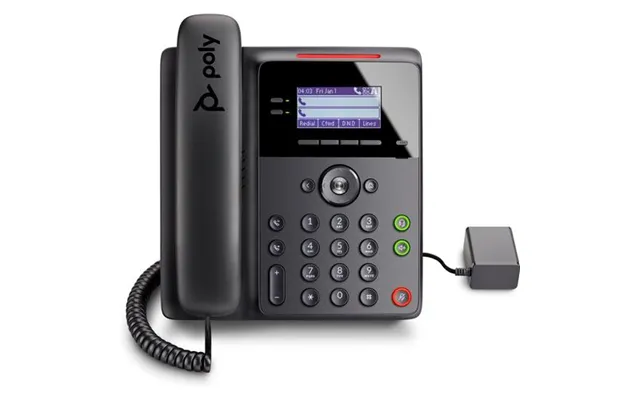
| Hp Poly Edge B10 Ip Phone With Power Supply Prc | £ 65,03 | |
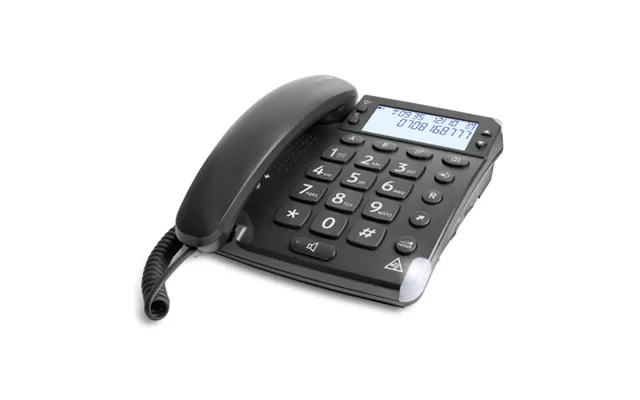
| Doro Magna 4000 Analog Telephone Caller Id Black | £ 66,42 | |
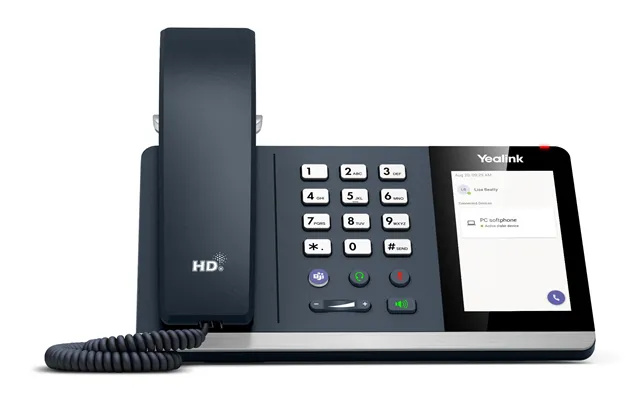
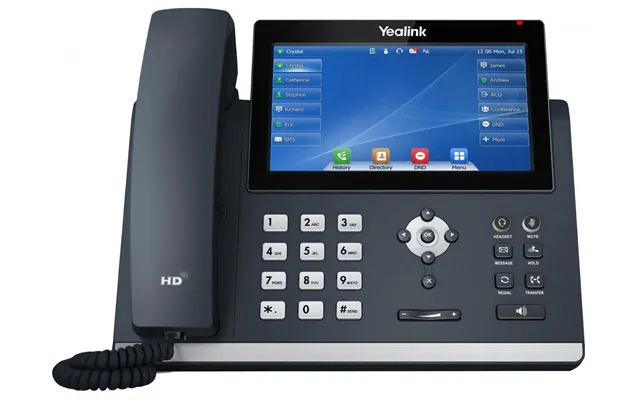
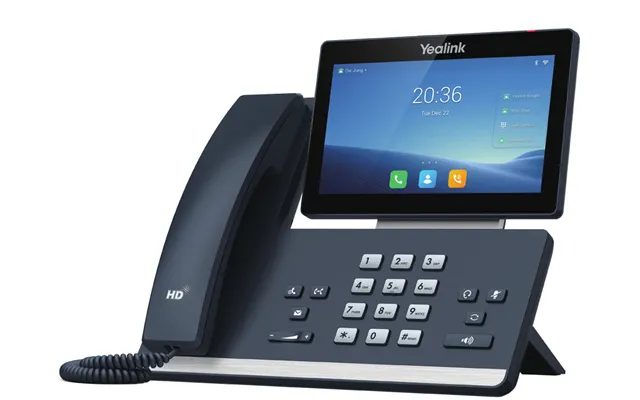
| Yealink Mp45 | £ 80,38 | |
| Hp Poly Edge E100 Ip Phone And Poe-enabled | £ 80,67 | |
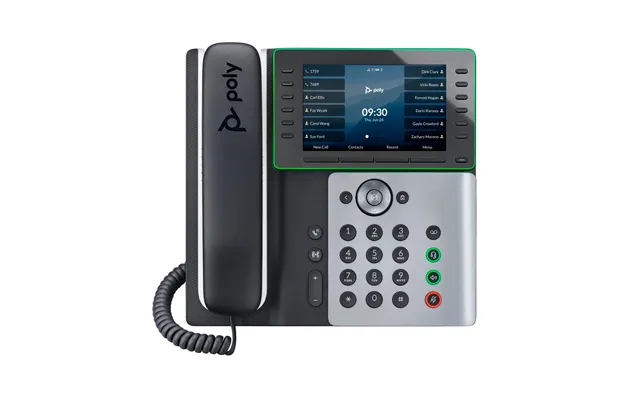
| Hp Poly Edge E500 Ip Phone And Poe-enabled | £ 151,01 | |
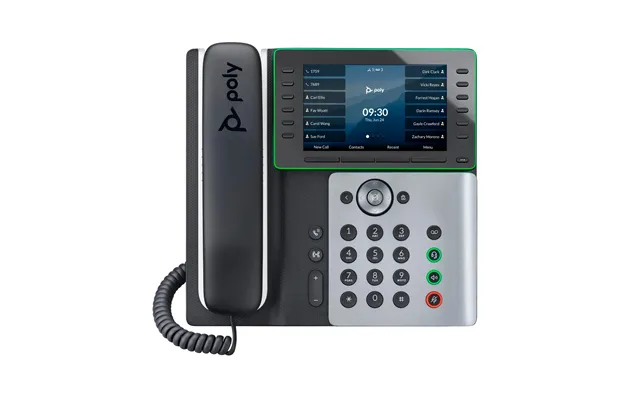
| Hp Poly Edge E550 Ip Phone And Poe-enabled | £ 163,50 | |
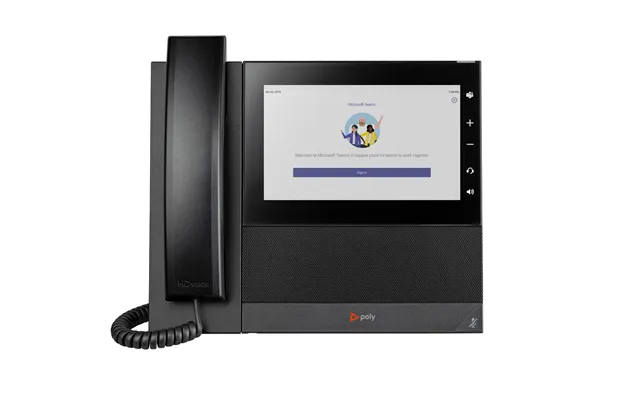
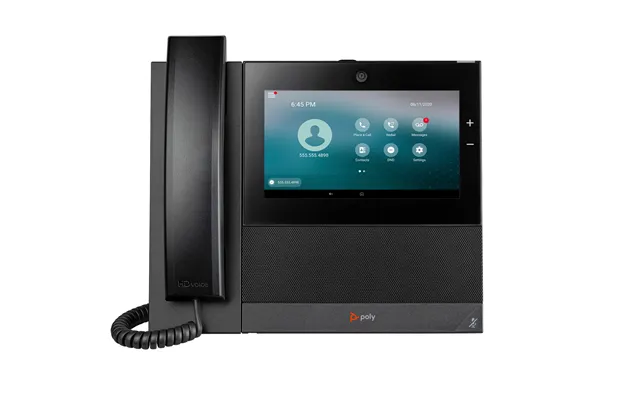
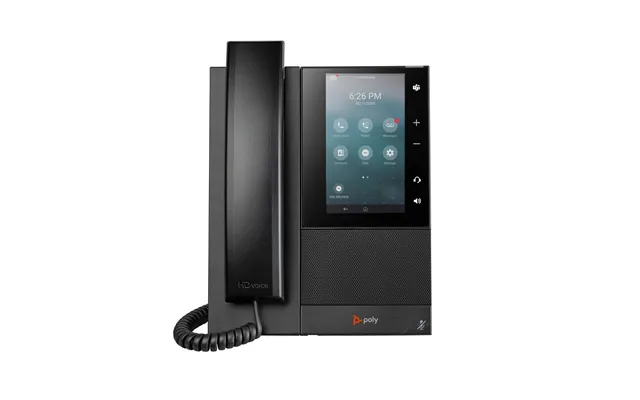
| Hp Poly Ccx 505 Business Media Phone With Open Sip And Poe-enabled | £ 173,08 |