









All categories
Business & Offices
Electronics & Media
Fashion & Accessories
Groceries & Essentials
Health & Personal Care
Home & Living
Kids & Family
Sports & Outdoors
Search in ZoneOffer

Loading...
Think of a satellite phone as your lifeline when regular cell coverage disappears. Instead of relying on cell towers, a sat phone connects to satellites orbiting above, giving you voice and text in places a standard smartphone can’t reach. If you hike in remote national parks, sail off the coast, drive long distances through rural areas, handle fieldwork, or build resilience into your emergency kit at home, a satellite phone can be the difference between silence and being heard. While they look like rugged mobiles from a movie, modern models are surprisingly user-friendly. The best part? You don’t need to be a tech wizard to use one—just power on, extend the antenna, get a clear view of the sky, and you’re talking.
Satellite phones connect to either low-earth-orbit networks or geostationary networks. Low-earth-orbit systems circle the planet and offer strong global coverage because satellites move overhead throughout the day. Geostationary systems sit fixed over the equator, so you point the antenna toward a consistent spot in the sky. In the UK, you’ll find dependable options from networks like Iridium and Inmarsat, with Thuraya and Globalstar also in the conversation depending on where you travel. Each network has strengths: Iridium is known for truly global reach, Inmarsat for solid regional coverage across much of the world, and Thuraya for strong service across Europe, parts of Africa, and the Middle East. Your choice should match your actual routes, not just the spec sheet.
Picking a satellite phone isn’t just about grabbing the latest gadget. It’s about selecting a network and a handset that fit your adventures. Below are leading models and why they’re still favorites among trekkers, captains, off-roaders, and responders across the UK and beyond. You’ll see rugged designs, long standby times, SOS features, and options that let your smartphone piggyback on satellite connectivity. If you’ve ever lost signal halfway up a fell or out on open water, these devices were built to fix that problem, plain and simple.
The Iridium 9575 Extreme is the go-to when you want coverage almost anywhere on Earth. It’s built like a brick house, with a robust body that shrugs off rough handling and splashes. Voice quality is reliable for a satellite device, and the phone supports tracking and a dedicated SOS button to link you to emergency response services. If your plans include crossing oceans or heading into far-flung regions, this model’s global footprint is worth the price. It’s also a popular pick for professional crews thanks to its endurance and durability under pressure.
The Iridium 9555 remains a practical choice if you want Iridium’s reach with a bit less bulk in the budget. It’s streamlined, easy to use, and built for straightforward calling and texting. Battery performance is solid, the antenna deploys quickly, and the interface is simple. For many users, the 9555 is the sweet spot: you get Iridium’s coverage without overbuying advanced features you might never use. It’s a classic for a reason.
If you’d rather use your own smartphone and connect over satellite, the Iridium GO! exec is a smart solution. It creates a satellite Wi‑Fi hotspot for apps, email, and voice services. Think of it like a portable satellite bridge for your phone and tablet. You’ll still need a clear view of the sky, and you’ll want to manage data carefully, but the convenience is huge. It’s a strong pick for teams who need to share connectivity or for travelers who want messaging and low-bandwidth apps while off-grid.
The IsatPhone 2 is known for robust battery life and dependable performance within Inmarsat’s coverage footprint. The handset is straightforward, with a comfortable grip, a clear display, and a reliable antenna. Many UK buyers appreciate its value proposition: it delivers steady voice calls and texts with long standby time, making it a top choice for overland trips, coastal excursions, and emergency kits at home. If your journeys sit squarely within Inmarsat’s coverage, the IsatPhone 2 offers terrific bang for the buck.
Thuraya’s XT‑LITE and XT‑PRO are favorites for users traveling across Europe, parts of Africa, and the Middle East. In the UK and nearby waters, these handsets can be appealing thanks to efficient calling, quick startup, and simple menus. The XT‑PRO adds advanced GPS features and a more premium build. Thuraya is particularly attractive for users who don’t need polar coverage but do want reliable service across their usual routes with handsets that feel familiar and friendly.
The SatSleeve Hotspot lets your smartphone take the lead by connecting to the Thuraya network via a portable base unit. You get the comfort of your native apps, a modern touchscreen, and the convenience of typing on a phone you already know. It’s a clever way to keep your whole setup compact while getting coverage far beyond ordinary networks.
Globalstar’s GSP‑1700 is an older yet still capable satellite phone used by many in regions where the network is strong. The Sat‑Fi 2 adds a hotspot approach, similar to other satellite Wi‑Fi solutions, allowing smartphones and tablets to message and make calls over satellite. If your travels line up with Globalstar’s service areas, these can offer straightforward calling and messaging with solid runtime and user-friendly operation.
It’s easy to get dazzled by specs, but a good satellite phone decision rests on a few key pillars: coverage, call reliability, battery endurance, ruggedness, SOS functionality, and how well it fits into your current tech setup. It’s a bit like choosing a 4x4 truck—you want power, yes, but also clearance, traction, and good tires. The right balance depends on where you’re headed, how you plan to use it, and the peace of mind you want when the horizon gets quiet.
Coverage is king. Iridium offers truly global service, including polar regions. Inmarsat provides wide regional coverage ideal for much of the world’s populated and maritime routes. Thuraya shines across Europe and nearby regions. Before buying, mark your likely routes on a map and match them to the network’s footprint. The best handset won’t help if you’re outside the network’s reach.
All satellite calls have some delay, but some networks and phones handle it more gracefully. A slight pause is normal, so practice a slower cadence when talking. The better your view of the sky, the cleaner the audio and the fewer dropped calls. If you plan a lot of calls, favor handsets and networks praised for consistent call performance, not just raw specs.
Battery life can span days on standby and hours of talk time, depending on the model and conditions. Cold weather, constant tracking, and frequent calls will shorten runtimes. A spare battery, a vehicle charger, and a compact power bank should be part of your kit. If you’ll be off-grid for extended stretches, consider a portable solar charger to keep things topped up without adding much weight to your pack.
Most satellite phones are still larger than typical smartphones, but the trade-off is resilience. Look for models that can survive drops from a few feet, resist dust, and handle splashes or brief dunks. Buttons you can press with gloves matter more than you think, and a bright screen helps when sunlight is harsh. Rugged holsters and antenna protectors are small upgrades that save you from big headaches.
Built-in SOS and GPS tracking are more than bonus features; they’re your safety net. Many handsets let you send your location to preset contacts or dedicated response centers. If you regularly venture off marked trails or sail beyond sight of shore, these features turn “we think they went that way” into “here’s their last known location.” It’s peace of mind for you and everyone waiting at home.
Prefer to keep your smartphone as the main screen? Satellite hotspots like Iridium GO! exec and Thuraya SatSleeve let you route calls and messages through your phone. It feels natural and allows light apps to function when you’re remote. Just remember: satellite data is precious, so keep usage lean. Turn off background updates, pre-download maps, and stick to essential communications when off-grid.
Not everyone needs full voice calls. Satellite communicators send and receive texts, share GPS locations, and provide SOS—often with smaller sizes and lower ongoing costs than full phones. They’re ideal for hikers, cyclists, paddlers, and anyone who needs to check in or signal for help without making frequent calls. The trade-off? No regular voice calls. If that’s fine by you, a communicator might be the smarter buy.
The inReach Mini 2 is tiny but mighty, offering two-way texting, tracking, and SOS in a compact package that hangs on a pack strap without weighing you down. Pair it with your phone for easier typing, and you’ll forget it’s even there until you need it. It’s a favorite for backcountry trips, hillwalks, and bikepacking when every ounce counts.
ZOLEO stands out for a smooth handoff between cellular, Wi‑Fi, and satellite. You get a single messaging experience that just works, whether you’re in town or miles away from the nearest mast. Its dedicated app keeps things simple, and the hardware is refreshingly straightforward. For many casual adventurers, ZOLEO hits a sweet spot between capability and cost.
The Motorola Defy Satellite Link adds satellite messaging to your existing smartphone, creating a rugged bridge when you step beyond coverage. It’s compact, affordable, and built for folks who want a safety net without buying a whole new phone. If voice calls aren’t essential but messaging is, it’s a slick solution that slips into a pocket without fuss.
Budgeting for a satellite phone is more than the device price—you’ll need a plan. You can go prepaid with minute bundles or pick a monthly plan that includes a set allowance. Prepaid is great for seasonal trips or emergency-only use. Monthly plans make sense if you’re calling regularly. Keep an eye on voicemail fees, incoming call rates, and data charges if you’re using a hotspot. Promotions pop up throughout the year, and bundle deals with a handset plus airtime can trim your upfront bill nicely. Think about your next twelve months of use and pick a plan that fits your pattern, not someone else’s.
Certain accessories turn a good setup into a great one. A hard case prevents antenna damage in transit. A compact power bank or vehicle charger keeps you talking after long days. External antennas help on boats or inside vehicles where signals struggle. For basecamps and cabins, a docking station with an external antenna makes calling comfortable and consistent. Don’t forget a lanyard or belt clip—dropping your lifeline on a rocky ledge is a heart-stopper you can easily avoid.
Getting started is straightforward. Fully charge the battery, insert the SIM, and register or activate service as instructed by your provider. Take the phone outside, extend the antenna, and wait for a clear signal indicator before dialing. Make a short test call and send a test text to ensure everything works. Add key contacts like emergency numbers, loved ones, work dispatch, and any rescue coordination centers you might need. Save coordinates or waypoint features for your home and frequent destinations so you can share accurate locations fast.
Satellite phones are legal to own and use in many places, including the UK, but some countries restrict or regulate them. Always check local rules before traveling. When you’re on a shared trail or a quiet marina, be courteous—step aside to take calls and keep conversations brief. For SOS features, test non-emergency functions locally, but reserve the real emergency button for situations that truly require rescue. Finally, protect your privacy by disabling tracking when you don’t need it and locking the phone when it’s stored.
Hunting for value? Start by comparing networks first, then handsets, then airtime. Keep an eye out for bundles that include a spare battery, a sturdy case, or initial minutes. Watch for seasonal promos before major travel periods. A comparison site like ZoneOffer helps you scan multiple retailers quickly, so you can spot price drops, package extras, and legit discounts without juggling dozens of tabs. Match the deal to your actual itinerary, not just the lowest sticker. The cheapest plan is expensive if it doesn’t cover where you’re going.
Sometimes, you don’t need a full satellite phone. If your goal is check-ins and emergency use, a satellite communicator is lighter on your pack and your wallet. If you mainly need coverage near the coast or along specific routes, a regional network might suit you better than a global one. And if your off-grid stints are rare, short-term airtime vouchers can beat monthly plans. Focus on the problem you’re solving—voice calls everywhere, reliable check-ins, or a last-resort SOS—and the right gear becomes obvious.
For hiking and mountaineering, prioritize weight, battery life, and simple controls you can manage with gloves. For sailing, pick a handset with a docking station and external antenna support, and consider a global network for long passages. For overlanding, a mixture of a hotspot for app-based messaging plus a rugged phone as backup can be a smart dual setup. For emergency readiness at home, choose a model with long standby time, easy charging, and a bright display you can read in low light. The more clearly you define your use case, the more obvious the right device becomes.
No signal? Move to an open area and make sure the antenna is fully extended. Calls dropping? Hold the phone upright with a clear sky view and minimize movement. Battery draining fast? Disable tracking, dim the screen, and close nonessential functions. Messages not sending? Re-register on the network by powering off, waiting a moment, and powering back on with a clear sky above. Still stuck? Try your spare battery or external power and test again. Most problems boil down to line of sight and power management.
When the map turns blank and cell coverage drops to zero, the right satellite phone or communicator keeps you connected, confident, and in control. Pick the network that matches your routes, the device that fits your style, and the plan that mirrors your real usage. With brands like Iridium, Inmarsat, Thuraya, and Globalstar offering proven options—and with smart alternatives like inReach, ZOLEO, and satellite hotspots—you’ve got a toolbox full of ways to stay in touch. Compare offers, bundle wisely, and set up your safety features before you go. Do that, and your off-grid adventures become simpler, safer, and a lot more fun.
| Satellite Phones | Price | |
|---|---|---|
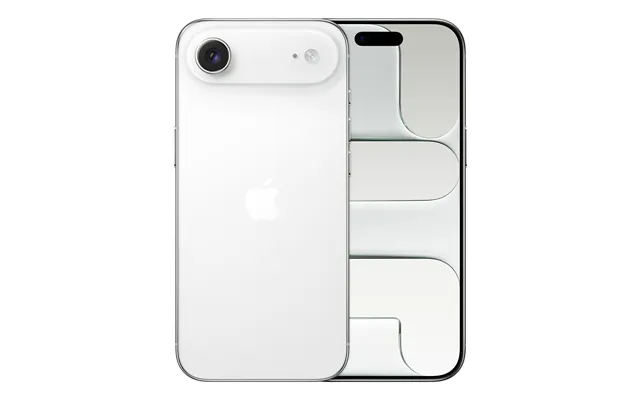
| Apple Iphone Air 17 - Unlocked | £ 926,63 | |
| Apple Iphone Air 17 - Unlocked | £ 926,63 | |
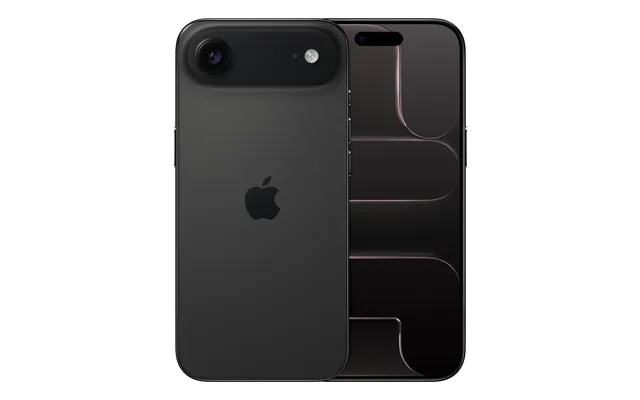
| Apple Iphone Air 17 - Unlocked | £ 1.043,35 | |
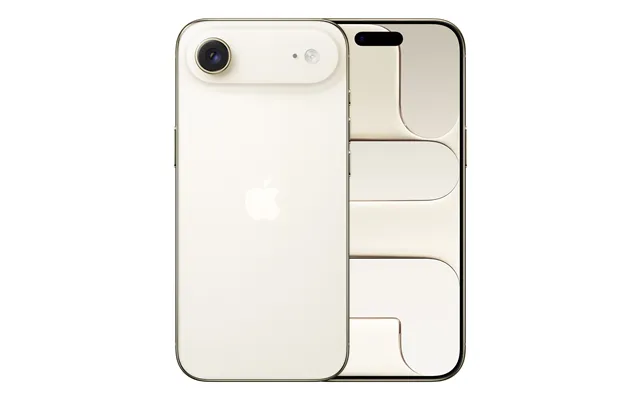
| Apple Iphone Air 1tb Light Gold | £ 1.458,12 | |
| Apple Iphone Air 1tb Light Gold | £ 1.458,12 |
