
Photo Negative & Slide Storage price list
Last updated Friday, Sep 18, 2026



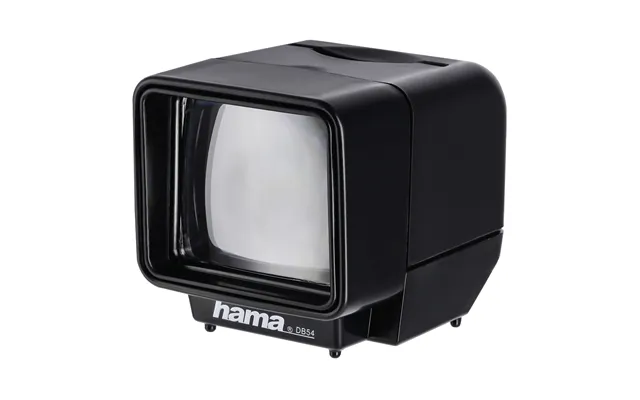
View 5 Offers


Loading...
Last updated Friday, Sep 18, 2026
Film is a living thing—well, almost. It breathes, absorbs moisture, and reacts to light and pollutants. That’s why your treasured negatives and slides can fade, curl, or pick up mold if they’re left in a dusty shoebox or a damp garage. Proper photo negative and slide storage isn’t just a neat-freak move; it’s a preservation strategy. Think of it like a cozy home for your images—safe from UV light, humidity swings, and the ever-present threat of scratches. With the right storage choices, you’re not just organizing; you’re extending the lifespan of your memories for decades.
Before you grab the first plastic box you find, it helps to know the main types of storage solutions. Each plays a different role in keeping your film safe and easy to access. Getting this right means less handling, less risk, and a smoother experience when you want to view or digitize your images.
Archival boxes are the backbone of a safe storage setup. Look for boxes that are acid-free and lignin-free, with buffered options if you’re storing black-and-white materials prone to acidity. Sturdy, drop-front boxes make it easy to slide sleeves in and out without bending anything. Aim for boxes designed for photographic materials rather than generic office storage; the difference shows up years down the line when your film remains flat, clean, and neutral in tone.
Negative sleeves are your first line of defense against dust, fingerprints, and abrasion. Choose inert plastics such as polypropylene, polyethylene, or polyester (often marketed as Mylar). They’re crystal clear, don’t off-gas, and pass the PAT (Photo Activity Test) when quality-made. Binder pages make it easy to flip, view, and label strips, while still keeping them protected. Avoid anything with PVC—if it smells like plastic or feels tacky, it’s likely not archival.
Mounted slides love structure. A good slide storage case keeps your 2 x 2 inch mounts upright, separated, and easy to pull for viewing. Consider stackable slide cases with dividers so you can sort by year, event, or project. If you still project slides, dedicated trays with lids protect them between shows. For long-term preservation, choose archival-grade materials and keep them away from bright light and temperature swings.
When it comes to film, not all plastics and papers are equal. Materials quietly shape how well your negatives and slides age. It’s simple: good materials buy you time; bad materials create silent damage you only notice when it’s too late.
Paper board and folders should be acid-free and lignin-free to prevent the slow burn of acidity. Buffered paper is often recommended for black-and-white negatives and prints because it neutralizes acids that might creep in from the environment. For color materials, unbuffered options are usually preferred, as buffering agents can interact with certain dyes. The bottom line: match the paper to the film type for best results.
These three plastics are the go-to for archival sleeves and pages. They don’t leach plasticizers, they don’t stick, and they maintain clarity. If you plan to scan regularly, clear polyester sleeves deliver excellent visibility and flatness, making it easier to preview frames without heavy handling. Polypropylene and polyethylene are also great choices for daily use and organization.
PVC can off-gas hydrochloric acid and other nasties over time, causing yellowing, sticking, and image degradation. If a product doesn’t clearly state its material composition or archival rating, skip it. Your film deserves a known-safe environment, not a chemistry experiment.
Film comes in different formats, and your storage needs to fit them like a glove. Too tight and you’ll scratch or curl. Too loose and you’ll get shifting, bending, or dust intrusion. Size accuracy also keeps your binders neat and your indexing system consistent.
For the classic small-format negatives commonly used in still photography, choose sleeves that hold full strips without cramming. Many archival pages are designed to house several strips across a standard binder page and fit neatly into filing boxes around 10 to 12 inches long. This balance lets you store a lot of film without bulking up your shelves.
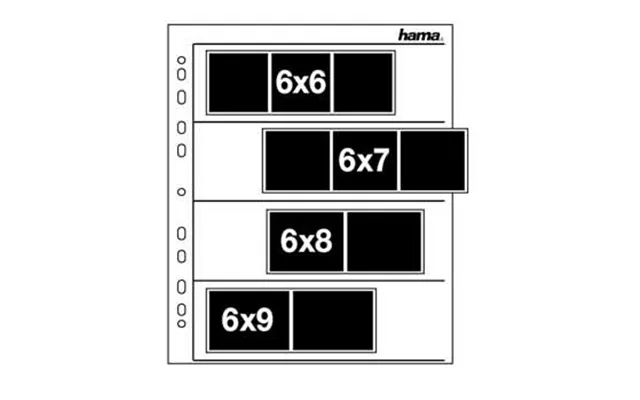
Medium format negatives vary in frame size, and they need more space. Go for pages that hold individual frames or wider strips without overlap. Look for sleeves that are generous in width and height—think pocket openings around 2.5 inches or more—and ensure the page fits comfortably in your chosen binder so pages don’t snag or bend.
Slides mounted in 2 x 2 inch frames should sit upright in dedicated cases or in binder-friendly pages with snug pockets. Vertical orientation prevents warping and keeps them ready for viewing. A tight-but-not-too-tight fit is key: you want easy retrieval without pressure marks on the mounts.
You don’t need a museum catalog to keep your film collection usable, but a bit of structure goes a long way. Decide on a simple system now, and future-you will thank you when you can find that holiday trip in seconds.
Start by assigning each box and binder a code—like Box A, Binder 1—and label sleeves by date, location, or project. Number your sleeves sequentially and jot a quick index note on an archival card inside the box. This creates a breadcrumb trail you can follow even years later.
Use pigment-based, archival-safe pens to write on the dedicated labeling areas of sleeves and boxes. If you prefer stick-on labels, pick acid-free, photo-safe options and place them on the exterior edges, not directly over images. For slides, consider slim, archival paper inserts that sit in the storage case, listing the range of frames inside.
If you’re digitizing, mirror your physical system with folders on your computer: Box_A > Binder_1 > Sleeve_03. Simple, predictable naming conventions make it painless to sync physical and digital archives. Want an extra boost? Add a spreadsheet or note app with keywords for quick searches.
Storage environment is the quiet hero of preservation. Even the best sleeves and boxes struggle if your film bakes in the attic or sits in a damp basement. Keep your environment stable, and your film will reward you with longevity and punchy color.
A cool, stable space is best. Aim for a room in the range of about 60 to 70°F. Avoid heat spikes—the top shelf near a sunny window is a no-go. Consistency beats extremes every time.
Film likes relative humidity around 30% to 40%. Too dry and it can get brittle; too humid and mold can show up uninvited. Use a simple hygrometer to monitor levels and a dehumidifier if needed. Good airflow helps, but avoid vents that blow directly onto your storage boxes.
UV light fades dyes and stresses emulsions, so keep your storage in dark cabinets or boxes. Avoid rooms with strong chemical odors—fresh paint or cleaning supplies—because fumes can interact with film over time. If it smells harsh, your film won’t like it either.
Every time you touch film, you roll the dice—unless you follow a few easy rules. Handle carefully, and you’ll keep your images crisp and scan-ready for decades.
Wear clean cotton or nitrile gloves when handling negatives and slides to prevent fingerprints and oils from embedding in the emulsion. Work on a dust-free surface, and keep a soft microfiber cloth nearby to clear static dust from sleeves—not from the film itself.
Use a hand air blower to nudge dust off before scanning or viewing. For stubborn specks, anti-static brushes are helpful. Avoid canned air up close—it can spit propellant. Less is more when it comes to pressure.
Only clean film if you absolutely must. If you see haze or residue, do a small test first with a film-safe cleaner and lint-free swab, and never scrub. If you’re unsure, a professional lab can do a safe clean and re-sleeve for you.
Digitizing isn’t about replacing your film; it’s a safety net and a superpower. Once your images are scanned, you can share them widely, make prints without rehandling the originals, and store backups in multiple places.
Scanning directly from negatives and slides pulls maximum detail and dynamic range, often outperforming scans from prints. You’ll also dodge extra dust and scratches that prints can accumulate. Think of it as capturing the master file for everything that comes after.
Dedicated film scanners deliver stellar sharpness and density range, especially if you want the best possible files. Flatbed scanners with transparency adapters are flexible and can handle negatives and prints in one device. Look for features like infrared dust removal and multi-exposure passes for tricky or dense frames.
For general archiving, a resolution around 2400 to 3200 dpi is a solid baseline. If you want larger prints or tight crops, go higher. Remember: bigger files mean bigger storage needs, so keep an external drive or cloud plan ready.
You don’t need to spend a fortune to store film safely. Smart choices plus consistent habits beat pricey gear you don’t use correctly. That said, premium materials do offer peace of mind—especially for irreplaceable archives.
Basic archival sleeves and a solid binder can cover a lot of ground without stretching your wallet. Clear polypropylene pages, a decent 3-ring binder, and an acid-free labeling set get you off the ground. Add a simple slide case for mounted frames, and you’re in business.
If you’ve got a large archive or heirloom images, consider PAT-certified sleeves, heavy-duty boxes with metal-reinforced corners, and binder slipcases to block dust and light. For slides, look at locking cases with tight tolerances and smooth interior surfaces that won’t abrade mounts.
Use premium sleeves for your most valuable or frequently handled film, and standard archival pages for the rest. Store everything in archival boxes, and keep the whole setup in a climate-stable room. That’s a cost-effective plan with pro-level results.
Prices swing a lot between brands and sellers, so comparing is smart. A dedicated comparison site like ZoneOffer lets you line up current discounts, specifications, and features across multiple retailers in one place. Because it’s not a store, you get a broad view of the market without pressure, making it easier to find genuine value—especially during seasonal promotions.
Need a fast way to choose? Here’s a short mental checklist: Is the product explicitly archival (acid-free, lignin-free, PAT-passed)? Does the size match your film format without cramming? Are materials listed (polypropylene, polyethylene, or polyester) with no PVC? Does the design reduce handling (easy-access sleeves, drop-front boxes)? Can you label it cleanly and read it at a glance? If you can tick those boxes, you’re on the right track.
Don’t store film in attics, garages, or basements—temperature and humidity fluctuate wildly there. Avoid PVC sleeves or cheap office products. Don’t stack overloaded binders that crush pages. And resist the urge to overhandle—every extra touch is an opportunity for scratches or fingerprints. Simple, careful habits beat heroic restoration efforts later.
A few low-cost accessories can make a big difference. Silica gel packs help moderate moisture inside boxes. A small hygrometer lets you keep an eye on humidity. Binder slipcases block dust and light. Archival interleaving paper cushions stacks of prints. None of these are flashy, but together they build a safer ecosystem for your film.
Whether you’re sorting a family legacy or archiving work for clients, the fundamentals are the same: safe materials, stable environment, and minimal handling. Families benefit from simple binder systems with clear labels—easy for anyone to use. Artists and pros may want higher-end sleeves and scanners, plus a detailed cataloging system and multiple digital backups. Either way, you’re building a bridge from the past to the future.
Start with archival sleeves matched to your format, organized into a sturdy 3-ring binder with a slipcase. Label each sleeve by date and subject. Store binders inside acid-free, drop-front boxes. Place boxes in a cool, dark closet on a mid-level shelf away from exterior walls. Add silica gel packets, and check a hygrometer every few weeks. Digitize your favorites at a solid resolution, and back up the files twice. It’s not complicated—just consistent.
If your film is currently in old plastic from decades ago, it might be time to re-sleeve. Sticky pages, yellow cast, or plastic odors are red flags. Likewise, if you struggle to find things or your binder pages buckle, consider upgrading to stronger binders or adding more boxes to spread out the load. Preservation is an ongoing process, and small tweaks can yield big benefits.
Your negatives and slides are more than images; they’re stories waiting to be retold. With archival sleeves, sturdy boxes, and sensible organization, you’ll protect those stories and make them easy to enjoy. Set up a system once, keep the environment steady, and digitize strategically. You’ll feel the relief immediately—and the rewards will keep coming every time you pull a crisp frame from its sleeve and bring a forgotten moment back to life.