
Mattress Foundations price list
Last updated Friday, 25 Sept 2026





View 14 Offers



Loading...
Last updated Friday, 25 Sept 2026
If your mattress is the star of the show, your foundation is the stage that keeps everything steady. A great mattress base does more than stop your bed from wobbling; it protects your spine alignment, cuts motion transfer, prevents premature sagging, and even keeps your mattress warranty valid. Skip it, and you could feel aches you blame on the mattress—even when the real culprit is a weak or mismatched foundation. The best part? You don’t need to overspend. With smart comparisons and a clear idea of what you need, you can find a foundation that’s sturdy, quiet, stylish, and affordable—all at once.
From solid platform bases and classic box springs to adjustable frames and slim bunkie boards, the UK market offers a foundation for every mattress and bedroom style. The “right” choice depends on your mattress type, desired bed height, storage needs, noise tolerance, and budget. Below, we’ll break down the popular foundation designs, what they’re best at, and what to watch for so you can pick with confidence.
Platform beds serve as both frame and foundation, often with a solid top or slats that support your mattress without needing a separate box spring. They’re fantastic for foam, latex, and hybrid mattresses—as long as slats are close. Aim for slat gaps no wider than 3 in to prevent foam from dipping. Prefer a sleek profile? Many platforms sit low and minimalist. Need storage? Look for 12–14 in of clearance to slide boxes or bins underneath. If you run hot, slats allow airflow; if you want maximum firmness, a solid deck gives a very stable feel.
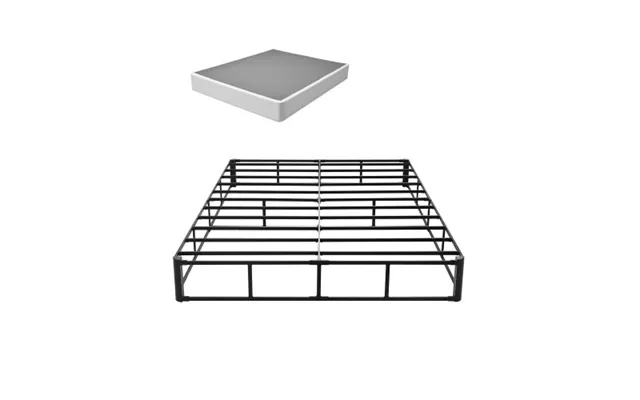
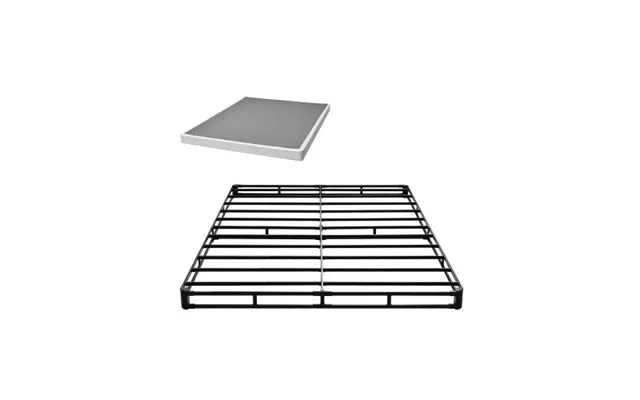
Traditional box springs used springy coils to add bounce for innersprings. Today, many “box springs” are actually rigid box foundations—wood or metal frames wrapped in fabric with a firm top. These pair nicely with hybrid and innerspring mattresses that benefit from a touch of give, while maintaining alignment. They come in standard heights around 8–9 in and low-profile versions around 4–5 in to fine-tune your overall bed height. If you love a classic look with headboard and footboard, a box foundation on a metal frame is a time-tested setup.
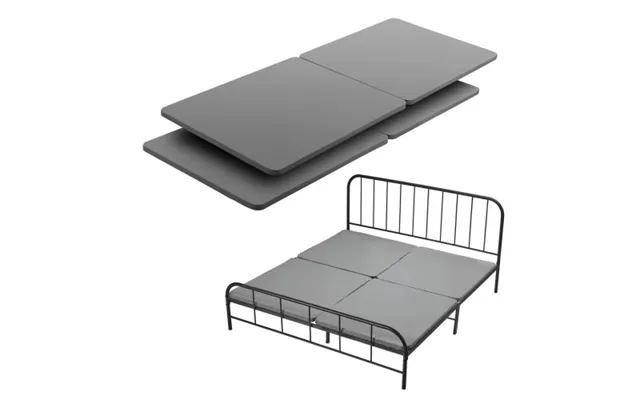
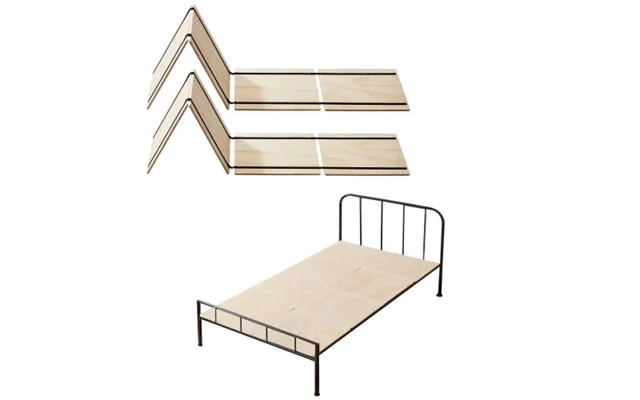
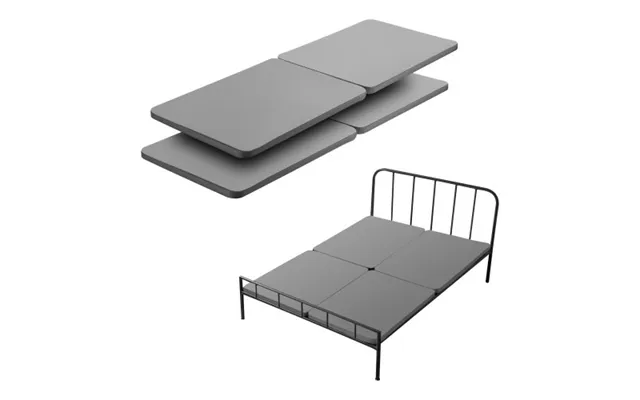
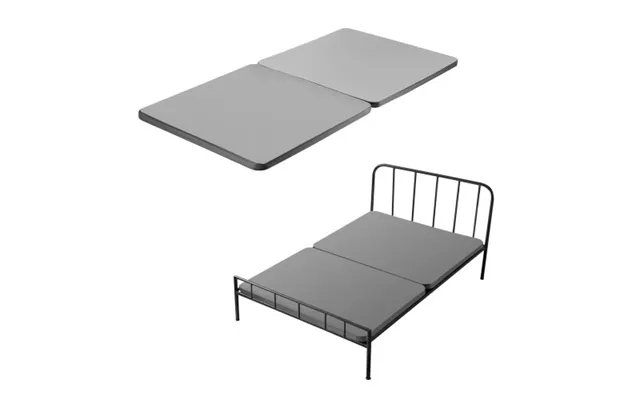
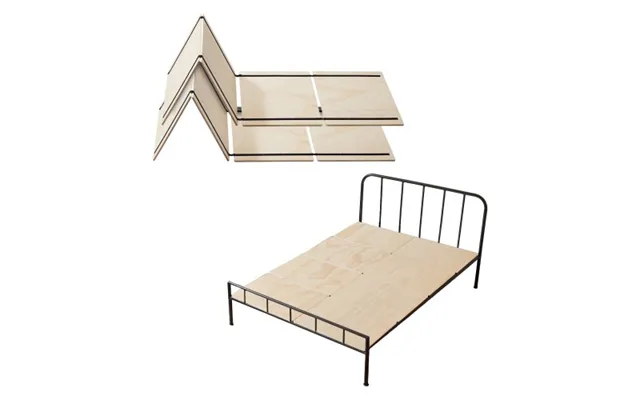
Metal platform frames with grid patterns offer great value: strong steel construction, tool-light assembly, and generous underbed storage. Many provide 12–14 in of clearance, which is ideal in smaller rooms or flats. For durability, seek welded joints, anti-slip tabs, and center support on full, queen, and king sizes. A grid or mesh top spreads weight evenly and cuts pressure points under foam mattresses. Bonus: foldable designs are brilliant for narrow stairwells or frequent movers—just make sure the hinges lock firmly to avoid creaks.
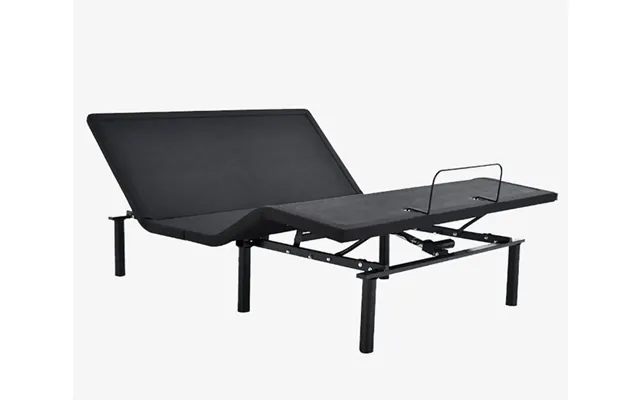
Want to read, breathe, or recover more comfortably? Adjustable bases let you raise the head or foot of your bed, find a zero-gravity position, and reduce snoring or reflux. They shine with memory foam and latex mattresses that flex easily, but many hybrids also work well—check your mattress’ compatibility. Look for whisper-quiet motors, strong lift capacity (think 650–850 lb combined), and useful extras like preset buttons, under-bed lighting, and USB ports. If you already own a bed frame, choose an adjustable base designed to drop inside it, or pick a standalone model with sleek legs.
Slatted bases are common in the UK, especially on wooden beds and Scandinavian designs. The key is spacing: gaps wider than 3 in can cause foam to dip and void warranties. Sprung slats add slight give, which some people love, though very springy slats can undermine firm support. If your slats are too far apart and you don’t want a new frame, a bunkie board—a thin, rigid board about 1–2 in thick—creates a flat surface on top of slats without raising the bed too much. It’s a cost-effective fix for foam and hybrid mattresses.
Not all foundations suit every mattress. Foam and latex like firm, even support. Hybrids appreciate rigid stability with a touch of give. Innersprings can be more forgiving, but still benefit from consistent, quiet support. Aligning the base with your mattress’ needs is the quickest way to maximise comfort and longevity.
These mattresses thrive on solid support. Choose a platform with a solid deck or closely spaced slats (3 in or less), a rigid box foundation, or a metal grid frame with tight mesh. If your current frame has large gaps, add a bunkie board. The payoff is big: better spinal alignment, fewer dips, and less heat build-up when ventilation is handled by slats or a breathable cover. Avoid bouncy box springs with actual coils; they can create pressure points and shorten mattress life.
Hybrids pair foam comfort layers with coil cores, so they like supportive foundations that don’t flex much laterally. A rigid box foundation on a strong metal frame is a classic match. Adjustable bases can work well if the hybrid is marked compatible. Traditional innersprings also sit happily on box foundations or platform frames, and many sleepers enjoy the familiar buoyant feel. For both types, prioritise center support bars on larger sizes to prevent mid-bed sag and squeaks over time.
Start with size. Common UK mattress sizes in inches are roughly: Single 36 x 75 in, Small Double 48 x 75 in, Double 54 x 75 in, King 60 x 78 in, and Super King 72 x 78 in. Match your foundation precisely to avoid overhang or gaps. Next, think height. A typical, comfortable bed height from floor to top of the mattress is around 24–30 in, depending on your body height and mobility. You can mix and match: low-profile foundation (4–5 in) for a modern, low bed; standard foundation (8–9 in) for a classic height; taller platform legs (12–14 in clearance) for serious storage. If you need extra inches, bed risers can fine-tune height without a full upgrade.
A foundation should feel rock solid on day one and year five. For wood frames, look for thick, knot-free slats and robust side rails. For metal, check for welded joints, powder-coated finishes, and heavy-gauge steel. Weight capacity matters—especially for larger sizes, tall sleepers, and couples. Aim for a frame that comfortably handles at least 500–700 lb combined for standard setups, and more for adjustable bases. A center support rail with legs is non-negotiable on Double and above. It’s the difference between long-term stability and mid-bed sag.
No one wants a symphony of squeaks every time they roll over. Choose foundations with secure hardware, locking washers, and anti-friction pads where metal meets metal or wood. During assembly, tighten bolts firmly, then recheck after a week and every few months—materials settle, and loose joints cause noise. If you live in a flat or move often, consider tool-free designs or foldable metal platforms that arrive in compact boxes and navigate tight staircases easily. On hard floors, use rubber feet or felt pads to prevent slipping and protect the finish.
Your foundation can elevate your room’s look—literally and aesthetically. Upholstered platform beds and divan bases bring a soft, tailored finish that pairs beautifully with fabric headboards. Minimalist metal platforms create an airy, modern silhouette and maximise storage with 12–14 in of underbed clearance. Wooden frames in natural finishes deliver warmth and Scandinavian simplicity. Prefer a clean, hotel-inspired look? A low-profile box foundation within a bed frame keeps the mattress floating neatly, while ottoman-style bases lift to reveal hidden storage without visible clutter.
Smart savings start with comparisons. Prices on mattress foundations can swing widely between retailers for near-identical specs, so use a dedicated comparison site like ZoneOffer to scan multiple offers at once, check seasonal discounts, and spot genuine price drops versus temporary markdowns. Pay attention to materials (solid wood vs engineered, welded steel vs thin tube), center support details, weight capacity, and verified customer ratings. Bundles can be great value—just ensure the foundation matches your mattress needs. Finally, look out for time-limited promotions, clearance on unpopular sizes, and low-profile versions that sometimes cost less than standard height models.
A little upkeep goes a long way. Every few months, tighten all bolts and screws, especially on wood and mixed-material frames. If you notice a squeak, isolate it: add a felt pad, a thin rubber washer, or a dab of furniture wax where parts meet. Keep fabric-covered foundations clean with occasional vacuuming and spot cleaning. For slatted bases, check slat integrity and spacing; replace cracked slats promptly. And if your mattress feels softer or dips unexpectedly, inspect the base first—it’s often the invisible source of the problem.
A few small add-ons can transform your setup. Non-slip mats between foundation and mattress stop drift—handy on smooth fabrics or adjustable bases. Center support legs are essential on wider beds; if your frame didn’t include them, retrofit kits are affordable and effective. Consider a waterproof, breathable encasement to protect the mattress without trapping heat. Need more height or storage? Bed risers can add 2–6 in safely when used within the frame’s weight limits. For a too-springy slatted base, a 1–2 in bunkie board on top creates a firmer, foam-friendly surface.
Three missteps cause most foundation regrets. First, ignoring slat spacing: foam and latex need gaps of 3 in or less. If yours are wider, add a bunkie board or swap bases. Second, skipping center support on Double, King, and Super King sizes invites sagging and squeaks; always insist on a middle rail with legs. Third, choosing the wrong height: a bed that’s too low or too high can strain knees and backs. Check your ideal sit-and-stand height before you buy, then mix mattress thickness and foundation height to hit that sweet spot between 24–30 in total.
Choosing the right mattress foundation isn’t just a technical box to tick—it’s a direct investment in better sleep, day-one comfort, and long-term mattress health. Start with your mattress type, then decide on structure (platform, box foundation, metal grid, adjustable), height, and storage needs. Prioritise solid materials, center support, quiet hardware, and correct slat spacing. And don’t forget to compare prices across the market with a trusted comparison site such as ZoneOffer to stretch your budget further. Do that, and you’ll build a bed that feels great tonight and stays great for years.