

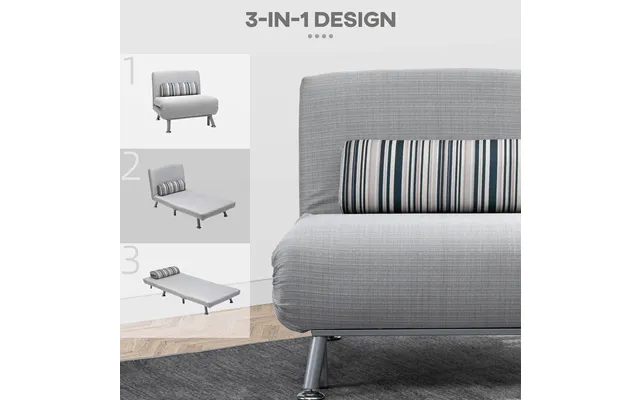
Futon Frames price list
Last updated Thursday, 8 Oct 2026
| Futon Frames | Price |
|---|---|
| Single Metal Futon Blue Frame Only Durable And Stylish Living Room Furniture | £75.00 |





Loading...
Last updated Thursday, 8 Oct 2026
| Futon Frames | Price |
|---|---|
| Single Metal Futon Blue Frame Only Durable And Stylish Living Room Furniture | £75.00 |
Looking to squeeze more comfort out of a compact room? Futon frames are the chameleons of home furniture—part sofa, part bed, all about versatility. Whether you’re furnishing a studio, outfitting a guest room, or refreshing a teen’s space, a quality futon frame turns every square foot into a multitasking zone. You get seating by day and sleep-ready support by night without dragging in bulky furniture. Better yet, today’s frames are sturdy, stylish, and surprisingly comfortable when paired with the right mattress. If you’ve been picturing a flimsy dorm futon from years past, think again. Modern designs feature solid hardwood, powder-coated steel, easy conversion mechanisms, and sleek profiles that complement everything from rustic to minimalist décor. Want savings without compromise? Futon frames are where value and function meet—especially when you time your buy with seasonal deals and clearances.
A great futon frame nails three things: stability, simplicity, and style. Stability comes from solid materials, tight joinery, and a sensible weight capacity (think 500 lbs or more for most households). Simplicity means the frame clicks from sofa to bed without a wrestling match—no mystery levers, no pinched fingers. And style? That’s the fun part. Choose a silhouette and finish that suit your space, from clean-lined hardwood to industrial metal. Pay attention to slat spacing, hinge design, and arm shape; these details affect comfort and durability. Bonus points for frames with built-in storage, cup-arm designs, or modular arms you can remove for a cleaner look. And remember: the frame and mattress work as a team. A thoughtfully engineered base sets the stage for deep, even support night after night.
Futon frames come in three main types, and each one shines in different setups. Bi-fold frames are the classic go-to for living rooms because they sit like a sofa and open flat like a bed in one simple motion. Tri-fold frames trade a sofa silhouette for a streamlined footprint—great for tight corners or rooms that double as offices. Lounger styles bring a laid-back vibe and adjustable recline that’s ideal for binge-watching or reading. So, how do you choose? Start with your room and your routine. If you need a legit sofa most days, go bi-fold. If your space is a puzzle of doors and angles, tri-fold is a clever solution. Want the chill factor for movie nights and naps? Lounger it is. There’s no one “best,” just the best for your lifestyle and layout.
Bi-fold frames hinge once across the middle, shifting from upright to flat in a single, smooth motion. In sofa mode, they provide a comfortable backrest with a well-supported seat. In bed mode, they lay out horizontally to fit a full or queen mattress, typically around 54 x 75 inches for full and 60 x 80 inches for queen. The beauty of bi-folds is the familiar couch-like posture paired with easy conversion—usually a pull or lift from the front converts the base. Look for robust hinge hardware, tight slat spacing (ideally no more than about 3 inches between slats), and arms that are either padded or shaped to act as headrests when you sleep sideways. If you host guests often or want your futon to be the main living-room couch, this format is a winner.
Tri-fold frames split the deck into three sections and fold like a travel map. That allows a compact seat-depth in sofa mode and a more modular approach to lounging. You can set them up on the floor in a minimalist style or on a raised base for a cleaner, furniture-grade look. Because the mattress bends twice, pairing matters: a thinner, more flexible futon mattress typically works best to avoid awkward lumps. Tri-folds often favor twin or full sizes to keep proportions tidy, making them perfect for studios, guest corners, or dens. They’re also helpful when a bi-fold frame’s open footprint would block a door or hallway—tri-folds can be arranged to fit tight, quirky spaces like a glove.
Lounger frames and click-clack mechanisms blur the line between futons and convertible sofas. Loungers let you set intermediate positions—recline a little for reading, a bit more for napping, and flat for sleeping. Click-clack styles use a ratcheting hinge you lift until it “clicks” into place, then drop a notch to lock the angle. These frames are comfortable for TV rooms and casual living areas, especially if you prefer a lower seat height. While not always traditional futons, many accept futon-style mattresses and deliver a similar convertible experience. Just make sure the mechanism feels sturdy, moves smoothly, and locks solidly—no wobble, no grind, no guesswork required.
Material choice isn’t just about looks—it determines durability, weight, and the feel of the conversion. Solid hardwood frames deliver heirloom sturdiness and warm, organic style. Metal frames bring a slim profile, lighter weight, and modern edge. Hybrids combine the best of both worlds: a metal chassis for strength with wood arms and accents for style. There’s no universally “best” material; it’s about fit and finish. Want a rustic or Scandinavian vibe? Go wood. Prefer sleek and urban? Metal keeps it crisp. Mixing living room and guest room duties? A hybrid balances visual warmth with structural muscle, often at a friendly price.
Hardwood futon frames—think maple, oak, ash, or rubberwood—excel at long-term stability. They resist flexing, shrug off daily use, and pair beautifully with a range of finishes like walnut, espresso, or natural. Look for smooth sanding on edges, tight mortise-and-tenon or dowel joinery, and hardware that bites firmly without stripping. The trade-off is weight; hardwood frames can be heavier, which is a plus for sturdiness but something to consider if you rearrange rooms often. The upside? Hardwood wears life’s scuffs with character. Add fresh cushions, and the same frame can look new years down the road.
Metal futon frames are the champions of clean lines and no-fuss assembly. Powder-coated steel resists chips and scratches, and welded joints improve strength where it counts. Metal frames typically weigh less than hardwood and can feature slim arms or armless silhouettes that maximize seating width. They’re fantastic for contemporary spaces, home offices, and multi-use guest rooms. The key is checking weld quality and hinge feel—well-made metal frames move like a well-oiled door hinge and stay locked when they should. Pair with a supportive mattress to offset the firmer deck feel some metal designs have.
Want the sturdiness of metal with the warmth of wood? Hybrid frames combine a metal base with wood arms or lattice slats. You get rock-solid support and a furniture-grade finish that feels right at home in living spaces. Upholstered frames add comfort through padded arms and fabric-wrapped panels, softening the look for cozy lounges or bedrooms. With upholstered designs, prioritize removable or cleanable covers and durable fabrics like tightly woven polyester or performance blends. If you’re after an elegant, sofa-first vibe without losing the guest-bed function, hybrids and upholstered frames hit the sweet spot.
Futon frames most commonly come in twin, full, and queen sizes. Twin frames pair well with narrow rooms or kid/teen spaces, typically fitting a mattress around 39 x 75 inches. Full-size is the all-rounder: at roughly 54 x 75 inches, it’s roomy enough for adults while staying manageable in apartments. Queen ups the comfort to about 60 x 80 inches, a great pick if your futon doubles as a regular guest bed. Before you buy, measure both the sofa footprint and the bed footprint—doors, radiators, and coffee tables have a way of getting in the way. Leave a few inches of clearance around the open bed for easy walk-around space and smoother nightly conversions.
In a compact living room, a full-size bi-fold often strikes the best balance: comfy seating during the day, proper sleep space at night, and a footprint that doesn’t dominate the room. For a small office-guest combo, a tri-fold in twin or full can slot against a wall and stay out of the flow of traffic. If your spare room routinely hosts couples, choose a queen frame and plan the layout so the bed can open to a full 80-inch length without blocking closets or door swings. Quick tip: tape out the open-bed measurement on the floor before buying. It’s a five-minute exercise that saves you a thousand sighs later.
Comfort isn’t just about the mattress; the frame’s deck matters, too. Wide, closely spaced slats distribute weight more evenly and prevent that “hammock” feel that can develop over time. Metal decks with supportive crossbars can be excellent, especially with a thicker futon mattress. Speaking of mattresses, coil-filled futons add bounce and long-term support, while high-density foam and cotton blends deliver a firmer, more sofa-like seat. If you’re mainly lounging, a medium-firm profile feels great. If you’re sleeping often, look for coil or hybrid futon mattresses around 8 inches thick for balanced comfort. Want to amplify coziness? A mattress topper or a breathable protector can make a noticeable difference without overwhelming your frame.
Match a flexible mattress to tri-fold frames so the bends don’t create pressure points. For bi-fold frames, you have more latitude—hybrid coil models or dense foam-core futons perform well and maintain a neat sofa silhouette. Check the manufacturer’s thickness recommendation; too-thick futons can fight the hinge, while too-thin options may feel under-cushioned. If your frame has wider slat gaps, a futon mat with better core density or an added bunkie board can level out support. And don’t forget airflow: breathable covers help regulate temperature so the bed sleeps cooler and fresher.
Small upgrades make daily life easier. Storage drawers beneath the frame corral linens and spare pillows without stealing closet space. Adjustable arms can double as headrests and allow you to fine-tune lounging angles for reading or gaming. Some frames add multiple recline settings—upright for conversation, TV recline for chill time, and flat for sleep. Look for no-slam hardware, rounded edges that won’t snag fabrics, and felt pads to protect floors. If the frame will sit near a wall, a wall-hugger design that slides forward as it reclines can save you precious inches and simplify conversions.
Nothing kills the vibe faster than a tricky futon. Prioritize frames with guided tracks, clear pull points, and stable locking positions. In a bi-fold, the front-lift motion should feel smooth, with positive stops that click securely. In a tri-fold, transitions between chaise, lounger, and flat should be intuitive. Test for racking—does one side lag behind the other? That’s a red flag. Quality hinges and brackets make the difference between a nightly joy and a nightly chore. If in doubt, choose designs with a reputation for one-person conversion; you shouldn’t need a second set of hands just to make the bed.
Your futon doesn’t have to shout “guest bed.” It can blend seamlessly with your aesthetic. Mid-century inspired frames with tapered legs and walnut finishes bring warmth and a curated look to living rooms. Minimalist metal in matte black or brushed finishes keeps things airy and modern—perfect for lofts or home offices. Rustic and farmhouse styles lean into weathered woods and chunky arms that double as side tables. Tie everything together with textured pillows, a throw, and a low-profile rug that frames the seating area. Pro tip: keep the futon’s fabric neutral and rotate pillows with the seasons for an instant refresh.
Durable finishes and hardworking fabrics are your best friends. Hardwoods with multi-step finishes resist dings and sun fade better than bare wood. Powder-coated metals shrug off scratches and wipe clean easily. For futon covers, look for high thread count cottons, performance microfiber, or linen-look blends that hold up to everyday use. Removable zip covers are a lifesaver—swap them out for a deep clean or a style change without replacing the mattress. If you have pets, consider tighter weaves that won’t snag and colors that camouflage fur until you have time for a quick brush-off.
A quality futon frame should list a weight capacity that suits your household—aim for 500 lbs or more for full and queen frames if adults will use it regularly. Capacity isn’t the only indicator, though. Listen for squeaks, watch for wobble, and inspect the contact points where slats meet the frame. Thick, well-anchored slats, reinforced center rails, and strong hardware reveal a design built to last. If your futon will be a daily sleeper, consider upgrading the mattress sooner rather than later; a supportive core reduces strain on the frame and keeps everything feeling solid over the long haul.
Sturdy frames advertise their quality in the small things. Bolts should be grade-marked and thread smoothly; wood joints should sit flush without gaps. Hinges ought to move cleanly without play. Look for replacement parts availability and straightforward assembly guides—both signal a manufacturer that stands behind the product. While warranties vary, coverage on frames often outlasts coverage on mattresses. If you see a confident frame warranty paired with readily available parts, that’s a vote of confidence worth noting when you compare options.
Unbox with a plan. Lay out parts, check the inventory, and read the steps before touching a tool. Use a proper screwdriver or hex driver instead of the tiny freebie—snug, not stripped, is the goal. Build on a rug or blanket to protect finishes. Don’t fully tighten bolts until the frame is square; then cinch everything down in a cross pattern. A small level helps ensure arms, slats, and hinges sit true. Once assembled, cycle the conversion a few times. If something sticks or skews, loosen, align, and retighten; you’ll thank yourself later when late-night conversions take seconds, not minutes.
Skipping the pre-assembly inventory is a classic gotcha—missing a bracket midway through is no fun. Over-tightening hardware cracks wood and strips threads; if you hear creaks when turning a bolt, back off. Don’t ignore slat orientation or spacing in the instructions; misaligned slats can reduce comfort and shorten mattress life. And avoid guessing on mattress thickness—too thick can jam the hinge, too thin can feel underwhelming. Finally, protect your floors with felt pads or a rug, and resist dragging the frame when moving; lift with a helper to keep joints aligned and finishes immaculate.
You don’t have to overspend to get a solid futon frame. Value-tier metal frames or simple hardwoods can deliver excellent daily performance if you focus on hinge quality and slat support. Mid-tier hybrids with wood arms and metal decks often hit the sweet spot for living rooms—sturdy, stylish, and ready for regular guests. Premium hardwood frames add thicker arms, refined finishes, and heirloom durability, making them ideal if your futon doubles as the main sofa. Where to save? If it’s a guest-only setup, choose a simpler frame and invest more in the mattress for an inviting sleep. If it’s your everyday couch, prioritize the frame and hinge quality so conversions stay smooth for years.
Prices on futon frames can swing widely across the web, especially during seasonal sales. A comparison site like ZoneOffer helps you scan live deals from multiple retailers, check historical pricing patterns, and avoid overpaying just because a banner shouts “limited time.” Watch for bundles that include a frame and mattress; they can be a bargain if both components meet your standards. Also look at shipping costs and included accessories—drawers, arm trays, or upgraded slats can shift value significantly. The best deal isn’t just the lowest price; it’s the right frame, with the right features, at the right moment.
Keep your futon frame in top shape with light but regular care. Every few months, give the hardware a quick check and re-tighten anything that’s loosened with use. Wipe wood finishes with a soft, barely damp cloth, then dry immediately; for metal, a microfiber cloth and mild soap do the trick. Encourage airflow by lifting bedding during the day, and rotate or flip the futon mattress as recommended to maintain even wear. If you notice a squeak, it’s usually a bolt asking for attention—or a hinge that appreciates a dab of dry lubricant.
Make seasonal checks part of your routine. In spring and fall, inspect slats, brackets, and hinge points; snug them up and look for signs of stress like hairline cracks or bent hardware. Vacuum under and around the frame to keep dust from migrating into hinges. For upholstered elements, spot-clean spills quickly and use fabric protectants according to the label. If your home’s humidity swings with the seasons, a quick recheck ensures wood remains stable and joints stay true. These small habits safeguard your investment and keep the frame performing like new.
Not sure a classic futon fits your plan? You’ve got options. Daybeds provide a permanent twin-size sleep surface with the look of a sofa when styled with pillows. Sofa beds bring full-on couch comfort with a pull-out sleeper for guests. Murphy beds fold down from the wall to deliver a true mattress experience while reclaiming floor space during the day. Each alternative has its strengths, from daybeds that excel in guest rooms to Murphy beds that transform studios. Futon frames hold their own by balancing price, style, and convertibility—hard to beat when you want one piece to do it all.
Daybeds shine in multifunctional rooms—office by day, guest nook by night. Sofa beds offer a familiar seating feel and a dedicated sleep surface, though mechanisms can add weight and cost. Murphy beds are the kings of space-efficiency, giving you a standard mattress that stows vertically behind a cabinet. The trade-offs? Daybeds are typically twin-size only, sofa beds can be heavier and pricier, and Murphy beds require wall mounting and careful planning. If you need daily seating plus frequent sleepovers on a friendly budget, a thoughtfully chosen futon frame remains an outstanding middle path.
The right futon frame transforms how you live in your space. Pick the format that matches your day-to-day life, choose materials that fit your style, and pair it with a mattress that supports sound sleep. Pay attention to hinge quality, slat support, and realistic weight capacity, and you’ll enjoy an easy, dependable conversion for years. Whether you’re optimizing a small apartment, setting up a welcoming guest corner, or upgrading a busy living room, a futon frame delivers big-time flexibility without bloating the budget. Ready to find your match? Zero in on the features that matter most, compare smart, and lock in a deal that lets your home work twice as hard.