All categories
Business & Offices
Electronics & Media
Fashion & Accessories
Groceries & Essentials
Health & Personal Care
Home & Living
Kids & Family
Sports & Outdoors
Search in ZoneOffer

Loading...
Ever feel like your home is shrinking? You’re not alone. From bulky bedding to out-of-season clothes and kids’ gear, the clutter creeps up fast. Household storage bags are the simple, budget-friendly fix that turns chaos into calm. They’re flexible, stack neatly, slide under beds, and protect your things from dust, damp, and everyday life. Plus, with so many offers and clear price lists available through comparison platforms in the UK, it’s easier than ever to find the perfect set without overspending.
Not all bags are created equal. The right type depends on what you’re storing, where you’re putting it, and how often you’ll need to access it. Let’s break down the most popular storage bag styles you’ll see in UK listings and offers, and when each one shines.
Vacuum storage bags are the space savers you see in those before-and-after photos—flattening bulky duvets, fluffy pillows, and winter coats down to tidy pancakes. They’re ideal for seasonal items that can handle being compressed. Look for double-zip seals and one-way valves, and consider sizes around 28 x 20 inches for coats or 32 x 24 inches for bedding. Pro tip: place a dryer sheet inside to keep fabrics fresh while stored.
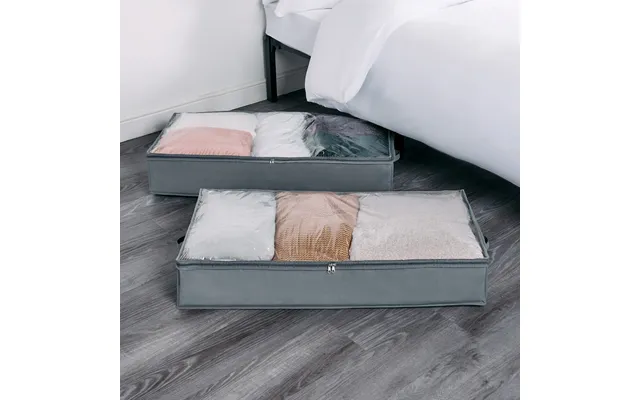
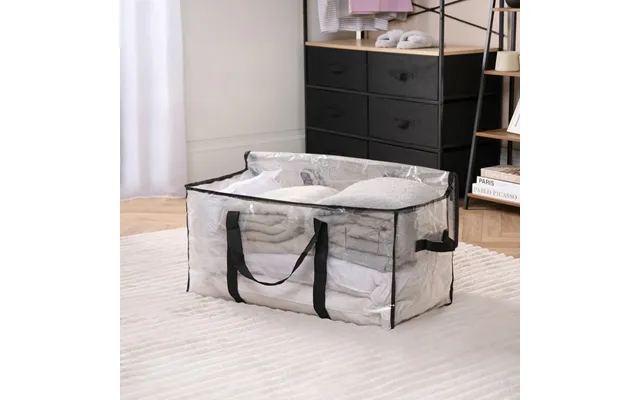
Under-bed bags make that forgotten space earn its keep. Most bed frames give you about 6 to 8 inches of clearance, so choose low-profile bags around 30 x 18 x 6 inches. They’re perfect for shoes, gym kit, or folded knitwear. Go for bags with rigid sides or internal supports so they don’t collapse when you slide them in and out. Clear windows help you spot what’s inside at a glance—no digging required.
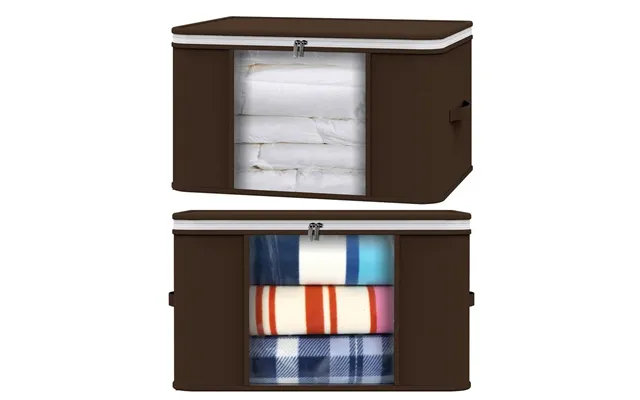
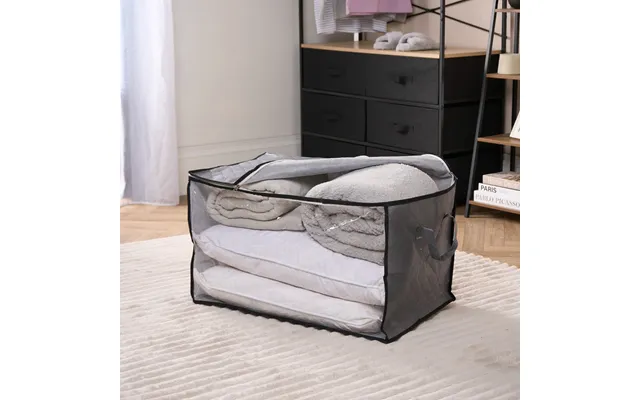
Fabric storage bags—often made from non-woven cloth or cotton canvas—are great for breathable storage. They shine with blankets, quilts, and everyday linens you want to keep dust-free but not tightly compressed. Popular sizes hover around 24 x 16 x 14 inches for bulky throws or extra bedding. Look for reinforced stitching on handles, smooth zippers, and label pockets so you can catalog what’s in each bin.
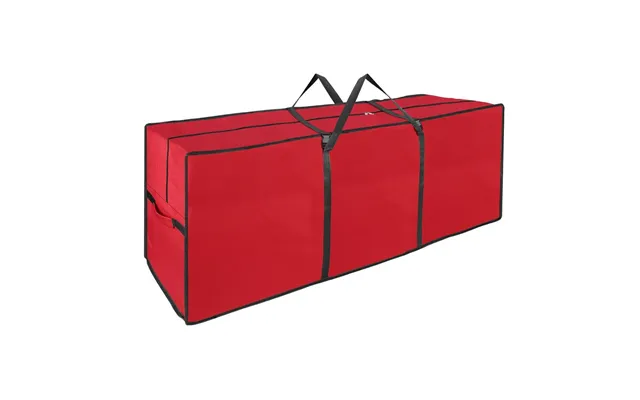
Need something tougher? Heavy-duty storage totes (think woven polypropylene or thick canvas with strong zips) handle heavier loads like books, camping gear, or off-season boots. XL bags around 28 x 14 x 14 inches let you carry a lot without getting unwieldy. Check listings for weight-bearing handles sewn all the way down the sides, which spreads the load and helps prevent tearing.
If you’re splitting storage between home and travel, consider roll-up compression bags (no vacuum required) for clothes and spare bedding. They squeeze out air using a one-way vent—handy for small wardrobes or suitcases. Garment bags protect formal wear and winter wool coats from dust and snagging; look for lengths around 54 inches for long coats and zippered fronts so you can grab a piece without undoing the whole rail.
Sometimes a little specificity goes a long way. Shoe storage bags keep pairs together and protect floors from outdoor tread; choose single shoe pouches or zip-top cubes that fit neatly under a bench. Toy bags with mesh panels help you see contents instantly and keep playrooms tidy. Linen bags with cedar inserts can deter pests while keeping fabrics fresh—handy for vintage linens and delicate heirlooms.
With loads of offers and bundles out there, the trick is matching what you own to bags that fit your space and your habits. Size, material, and a few smart features make all the difference in day-to-day use.
Measure storage spaces first. For under-bed, confirm the clearance—if it’s 7 inches, pick a 6-inch-high bag to allow easy sliding. For wardrobes, check shelf depth; many are around 12 to 16 inches. Large blanket bags around 24 x 16 x 14 inches fit bulky bedding, while slimmer 16 x 12 x 8-inch bags suit folded clothes. When in doubt, mix sizes: a couple of XLs for bedding, mediums for jumpers, and slim cubes for accessories.
Non-woven fabric is lightweight, breathable, and budget-friendly—excellent for everyday storage. Canvas is stronger and more stylish, solid for heavier loads and visible shelves. Plastic (PEVA or thicker polymers) is easy to wipe clean and ideal for damp-prone lofts or garages. For vacuum bags, choose thick, multi-layer plastic that resists punctures. If you’re storing delicate fabrics long-term, breathable bags reduce the risk of mustiness.
Clear windows help you identify contents quickly. Label slots keep your system consistent—write exactly what’s inside and the date you packed it. Double zippers reduce snagging and help you close a packed bag smoothly. Reinforced handles stitched across the bag’s body prevent tearing when you lift heavier loads. Internal supports or cardboard inserts help bags keep their shape for easy stacking.
Store wool, down, and natural fibers in breathable bags if you’ll access them often. They’ll smell fresher and fluff back quickly. Use airtight vacuum bags for bulky, seasonal items you won’t need for months—like winter duvets or ski wear. In damp areas (lofts, garages), airtight options plus a small moisture absorber provide extra protection. As a rule, never compress leather or delicate trims long-term.
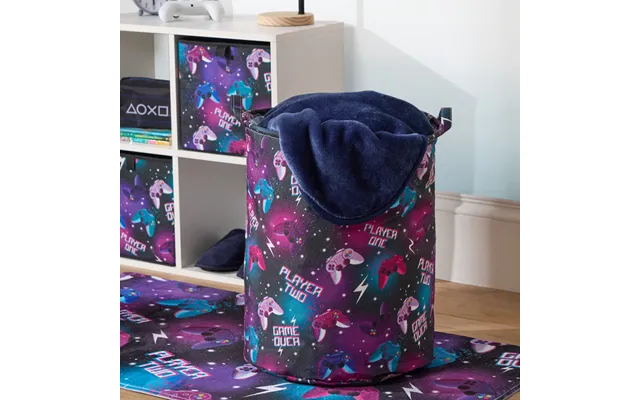
The best storage setups are tailored to your home. Think by room, by season, and by how often you reach for things. Here’s how to deploy storage bags for maximum effect without overcomplicating your life.
Use under-bed bags for rotating seasonal clothes, spare duvet covers, or shoe collections. In the wardrobe, stack fabric cubes on the top shelf for knitwear and PJs, and hang a few garment bags for coats and formalwear. Keep a slim bag (around 16 x 12 x 6 inches) for bedtime essentials like extra pillowcases or hot water bottles—it’s a tidy little nightstand alternative.
Corral throws and cushion covers in blanket bags with windows so you can switch colours with the seasons. In the linen closet, designate one large bag per bed: fitted sheets, flat sheets, and pillowcases all together. Label by bed size. If you’re short on shelves, stack two large 24 x 16 x 14-inch bags at the bottom—stable, tidy, and easy to grab.
Mesh-front bags are brilliant for toys—you see the contents at a glance, and clean-up becomes a game. Use medium-sized cubes for blocks and trains, and a larger tote for stuffed animals. For clothes, dedicate one bag to hand-me-downs and another to outgrown items bound for donation. Clear labeling makes the weekly wardrobe shuffle painless.
Choose wipe-clean bags for garages and lofts. Heavy-duty totes keep camping gear, sports kit, and holiday decorations protected. Use vacuum bags for bulky textiles like spare duvets to reduce space. Always place filled bags on pallets or shelves, not directly on concrete floors, to avoid damp creeping in from below.
Buy well, treat them kindly, and your storage bags will last for years. A little routine care keeps them fresh and functional, even in tougher environments like garages and lofts.
Wipe plastic and vinyl surfaces with a mild soapy cloth, then dry thoroughly. For fabric bags, spot-clean with a damp cloth and gentle detergent. Air them out every few months; a sunny windowsill for an hour does wonders. Slip a cedar block or lavender sachet inside to keep linens smelling like they just left the laundry.
Always store items clean and fully dry. For long-term storage, pop in moisture absorbers, especially in lofts. Don’t overfill—airflow matters in breathable bags. If something smells musty, air it for a day, then refresh with a fabric spray before putting it back. For vacuum bags, reseal if you notice puffing or a slow leak.
Most fabric bags fold flat—stack them in a single large tote so they’re easy to find when the next seasonal switch rolls around. If a bag includes a stiffener, store it inside to prevent creases. Keep all spare labels and a marker pen with your bags so you never hunt for supplies when it’s time to reorganise.
Deals are out there—especially when you compare offers from multiple retailers. Use price lists and clear product specs to judge value, not just the headline discount. A little homework pays off in sturdier, longer-lasting storage.
Bundles vary. One “10-piece set” might include six bags and four small pouches, while another is ten full-size bags. Read dimensions carefully. If you need under-bed storage, make sure heights are 6 inches or less. For bedding, aim for larger 24 x 16 x 14-inch bags or XL vacuum sizes. Compare what’s included—not just the bag count.
Calculate cost per bag to spot genuine value. A £24 set of eight full-size bags works out cheaper than a £20 set of six. Also weigh long-term value: reinforced handles, double stitching, and thick plastics cost a bit more upfront but save you from replacing torn bags later.
Product photos tell a story. Look for close-ups of stitching, zippers, and handles. Are handles stitched down the sides? Are zips double-sided? Do the bags stand on their own when empty? Clear windows should be large enough to see contents without unzipping. If a listing hides these details, be cautious.
Comparison platforms in the UK make it easy to scan multiple retailers at once, check price lists, and jump on popular offers before stock runs low. Shortlist a few sets, compare specs side by side, and match them to your measurements at home. That’s how you avoid impulse buys that don’t fit your space.
Even the best storage bags run into hiccups. Here’s how to fix common issues quickly, so your organisation momentum doesn’t stall.
If a vacuum bag slowly reinflates, check for lint along the zip and press firmly along the entire seal. Confirm the valve is tight and free of debris. For safety, avoid overfilling—leave 2 to 3 inches at the top for a proper seal. If punctures are the culprit, a clear patch of heavy-duty tape can keep things airtight until you replace the bag.
Handle tears usually mean the load was too heavy or the stitching wasn’t reinforced. Shift weightier items—books, equipment—into heavy-duty totes with wraparound handles. For fabric bins, keep loads under what you can comfortably lift with one hand. If a seam starts to go, a quick reinforcing stitch can extend the bag’s life.
Soft-sided bags splay when overfilled or lacking internal support. Add a lightweight insert—cardboard or a thin plastic sheet—at the base. Stack larger, sturdier bags at the bottom and slimmer ones on top. If stacking is your goal, consider boxier designs with built-in supports and a height that fits your shelves without cramming.
Storage can be sustainable. Choosing reusable bags reduces waste, and many options are made from recycled or low-odor materials that go easy on the planet and your home.
Look for bags made from recycled polymers or sturdy fabrics designed to last for years. Low-odor plastics matter if you’re storing linens or clothes you’ll wear next week. Breathable cotton or canvas bags are naturally long-lived and easy to clean, which means fewer replacements over time.
Rotate bags through different roles: a former toy bin becomes a travel laundry bag; a blanket tote becomes a camping gear carrier. If a zip fails, use the bag to store spare cushions or as an under-sink organiser. When it’s truly done, check local guidance for fabric or plastic recycling options.
Short on storage? You don’t need a bigger home—just a few clever tweaks. Under-bed space, narrow wardrobes, and even corners can pull their weight when you choose the right bags.
Grab a tape measure and check under-bed clearance and shelf depths. If you’ve got 7 inches under the bed, go for 6-inch-high bags. For shelves around 14 inches deep, a 12-inch-deep bin leaves room for fingers. This tiny step saves returns and ensures your new bags slide into place perfectly.
Keep labels simple and consistent: “Winter Jumpers,” “Guest Bedding,” “Kids’ Dress‑Up.” Add a date. If you share the system with family or flatmates, they’ll put things back where they belong. Use bold, legible cards in the label window—no guesswork, no rummaging.
Combine storage styles for stability and flexibility. Use a solid box or crate on the bottom shelf and stack fabric bags on top. Slide under-bed bags at the back for rarely used items and keep a smaller cube up front for everyday grab-and-go pieces. It’s a simple recipe for a clutter-free space that actually sticks.
Household storage bags are the unsung heroes of a tidy home. Pick the right types, measure your spaces, and watch the clutter melt away. From vacuum bags that flatten winter bedding to fabric cubes that streamline your wardrobe, there’s a cost-effective solution for every room. Compare offers, check the price lists and specs carefully, and focus on features that stand up to daily life—reinforced handles, clear windows, and quality zips. With a smart plan and a few well-chosen bags, you’ll reclaim your space and keep it that way all year long.

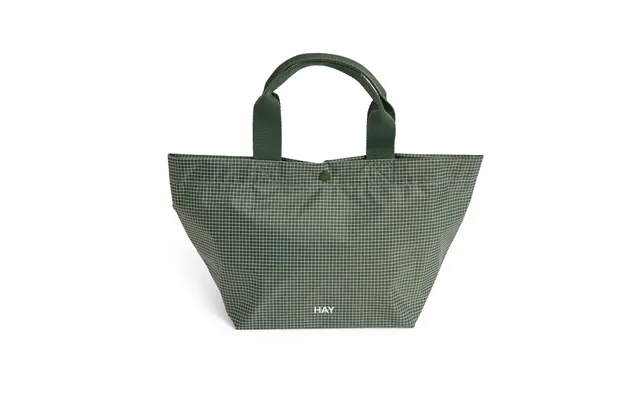
| Hay Grid Everyday Bag Dark Green - Mini | £ 33,- |