All categories
Business & Offices
Electronics & Media
Fashion & Accessories
Groceries & Essentials
Health & Personal Care
Home & Living
Kids & Family
Sports & Outdoors
Search in ZoneOffer

Loading...
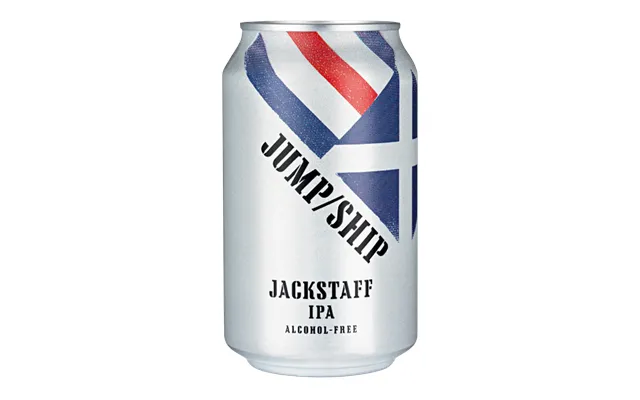
Hunting bargains on drinks doesn’t have to feel like a scavenger hunt. Whether you’re stocking the fridge with ready-to-drink coffee, mixing up cocktails with premium syrups, or trying a new kombucha flavor, smart comparison and a few insider tricks can shave dollars off your weekly grocery bill. This guide walks you through the most popular beverage categories, how to spot genuine savings, and the practical tips to stretch every sip further—using only imperial measurements like ounces and gallons so your shopping list matches what’s on the shelf.
Think of beverage shopping like choosing a streaming service: one plan might look cheap until you add the extras. Comparing prices across sellers—especially for multipacks and bulk sizes—lets you see the true cost per ounce or per serving. Many stores run rotating promotions on 12 oz cans or 16.9 oz bottles, and a seemingly steep price on a 1-gallon jug could actually be the best value per ounce. Using a comparison site that lists offers side-by-side gives the full picture without hopping from site to site.
RTD (ready-to-drink) coffee and tea have exploded beyond the gas-station cold brew. You’ll find everything from single 12 oz cold brews to 32 oz chilled latte cartons. When choosing, look at caffeine per ounce, sugar content, and whether it’s concentrate or pre-mixed. Deals often appear on multipacks—buying a 6-pack of 12 oz cans can be cheaper than single bottles. If you travel, check for portable 8 oz cans that are strong on flavor but light on calories.
Energy drinks come in many flavors and functions: sugar-free for low calories, B-vitamin blends for focus, or electrolyte-enhanced for rehydration after workouts. Common sizes include 8.4 oz shots and 16 oz cans. Watch for “buy two get one free” and subscription discounts when buying boxes of 16 oz cans. For functional benefits, compare ingredients per serving—not just the flashy label.
Plant milks are sold in single 32 oz cartons and bulk 64 oz or 1-gallon containers—perfect for households that go through milk fast. Prices vary widely by brand and fortification level (calcium, vitamin D). A little tip: unsweetened versions often cost less and let you control sweetness across coffee and cereal. If you’re baking, consider buying the larger 1-gallon size for savings, but check shelf life once opened—some last only a week in the fridge.
Kombucha usually comes in 12 oz bottles or multipacks of 16 oz bottles for heavier drinkers. Flavors range from floral to fruity, and prices are all over the map depending on brewing method and organic certifications. If you love variety, look for sampler packs—sometimes a 4 x 12 oz sampler costs less per ounce than buying singles. For frequent sippers, consider buying a 32 oz growler refill from local brewers where available and comparing refill offers online.
Flavored and sparkling waters are staples for people who want fizz without sugar. You'll see 12 oz slim cans for single-serve enjoyment and 1-liter (about 33.8 oz) bottles for home use—stick to cans when you’re on the go. Multi-bottle packs often give the best per-ounce price, but sales also pop up on variety packs that let you test new flavors without committing to a full 1-gallon case.
Mixers and cocktail syrups are the secret weapons of a great home bar. Syrups typically come in 8 oz to 25 oz bottles; larger 1-quart (32 oz) sizes are available for serious entertainers. Classic mixers like tonic, soda water, and ginger beer come in single 12 oz bottles or 4-packs—bulk buys reduce cost per ounce. When mixing cocktails, a premium syrup can do more to improve flavor than an expensive spirit, so pick your mixers wisely and compare per-ounce prices for concentrated syrups versus pre-mixed options.
Craft sodas emphasize unique ingredients and smaller batches. You’ll find them in 12 oz glass bottles or 12 oz cans, and price differences between brands can be big. Look for multipack discounts or seasonal promotions—holiday flavors often go on sale after the season. If you love a certain craft brand, compare subscription discounts or bundle offers that include a wider beverage mix to get more value.
Sticker price is a trap. Divide the price by fluid ounces to get the true cost. For example, a 12-pack of 12 oz cans and a 6-pack of 16 oz cans may look similar at first glance but can differ by several cents per ounce. Also, don’t ignore expiration dates—short-dated items can be heavily discounted but may expire in a few days. Watch for “best if used by” rather than “expires” language to avoid wasting purchases.
Bulk is great for non-perishables like syrups, unopened shelf-stable RTD bottles, and canned drinks, but not always for plant milks or kombucha unless you consume them quickly. Calculate how many ounces you use weekly: if a 1-gallon item lasts less than a week once opened, buy smaller sizes to avoid waste. For party planning, bulk 12 oz and 16 oz multipacks are economical, but sample single-serve packs first if you're experimenting with a new brand.
For beverages you drink every day—like coffee, plant milk, or flavored water—taste should guide your choice because you’ll notice the difference. For occasional treats or mixers, price and convenience might matter more. A good rule: spend more on staples that affect your daily routine and hunt deals on occasional indulgences. You’ll be happier and likely save more overall.
More shoppers want recyclable packaging and low-sugar options. Glass bottles often recycle better than mixed-material cartons, but they can cost more. If sustainability is a priority, compare brands that offer refill stations or returnable 32 oz growlers. For health, check per-serving sugar grams and calories—many flavored beverages list values for a 12 oz serving, so adjust when comparing a 16 oz bottle.
Start by converting every price to cost-per-ounce. Use shopping filters to narrow down by size (12 oz, 16 oz, 32 oz, 1-gallon) and brand, and read ingredient lists for hidden sugars or additives. Comparison sites collect promotions from multiple sellers so you can see sale prices, bundles, and coupon codes at a glance. Don’t forget to check seasonal deals—summer often brings discounts on cold beverages, while winter promotions may target holiday flavors.
1) Buy multipacks for stable favorites like sodas and energy drinks. 2) Try store-brand mixers and compare per-ounce costs against premium brands. 3) Use sampler packs to test kombucha or craft sodas before committing to bulk. 4) Look for subscription discounts on everyday items such as RTD coffee or plant milk. 5) Stack promotions—combine a manufacturer coupon with a sitewide sale to maximize savings.
Promotions like “3 for 2” can be great, but check if the deal applies to the lowest-priced item only. Some discounts exclude multipacks or certain flavors. Also, watch for minimum purchase amounts to qualify for a promotion—buying unnecessary extras to unlock a deal can quickly negate your savings. Using an aggregator that displays coupon terms helps avoid surprises at checkout.
Seasonal patterns affect beverage pricing. Expect sparkling waters and iced coffee to go on sale in spring and summer, while spiced and seasonal craft sodas might drop after the holidays. If a beverage has a long shelf life, stocking up during peak sales saves money. For perishable items like opened plant milk or kombucha, buy only what you’ll use within a reasonable time frame.
Sometimes variety packs cost more per ounce but are worth it for experimentation—especially with craft sodas and kombucha. If you find a flavor you love, then switch to bulk purchases of that specific variant to get better per-ounce value. For mixers and syrups, buying a larger single flavor bottle and using it across multiple cocktails usually beats buying pre-mixed flavored cocktails.
Smart beverage shopping is less about chasing every discount and more about comparing true cost per ounce, matching pack sizes to how quickly you consume products, and prioritizing taste for daily staples. Use comparison tools to see offers side-by-side, check serving sizes like 12 oz and 16 oz before judging a price, and balance value with sustainability and health goals. With a few simple habits—calculating price per ounce, watching expiration dates, and buying multipacks when it makes sense—you’ll get better drinks for less money and enjoy every sip knowing you made a smart pick.