

Blood Glucose Meter Accessories price list
Last updated Monday, 19 Oct 2026



View 27 Offers


Loading...
Last updated Monday, 19 Oct 2026
When you’re managing blood sugar day in and day out, your meter is only half the story. The other half? The accessories that keep it accurate, hygienic, and easy to use wherever life takes you. Think test strips, lancets, control solution, carrying cases, and even adhesive patches for sensors. These little items make a big difference: they influence comfort, reliability, and the real-world costs of staying on top of your readings. Curious how to pick the right gear, avoid hidden pitfalls, and stretch your budget without sacrificing quality? Let’s dive in and make sense of it all together.
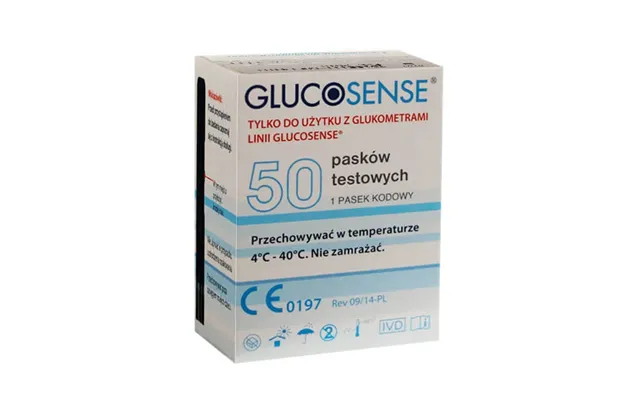
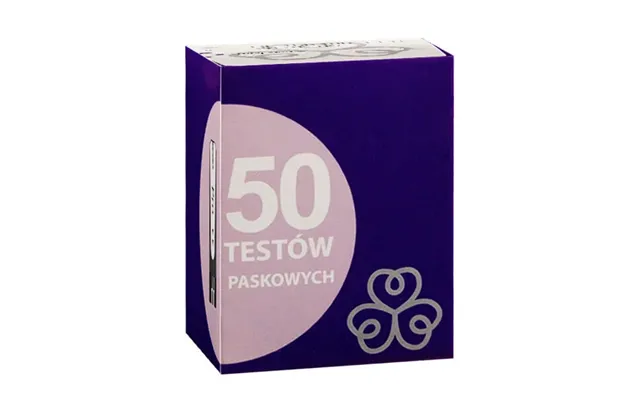
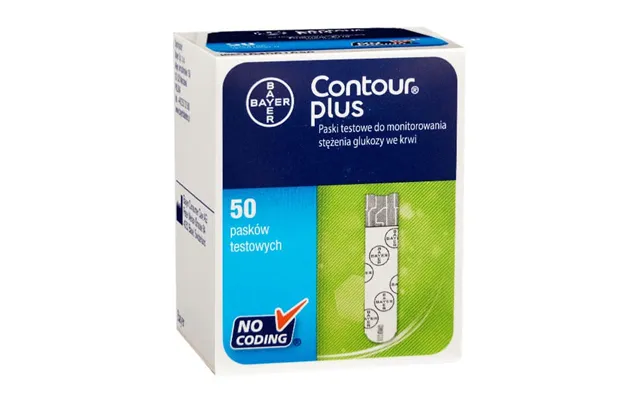
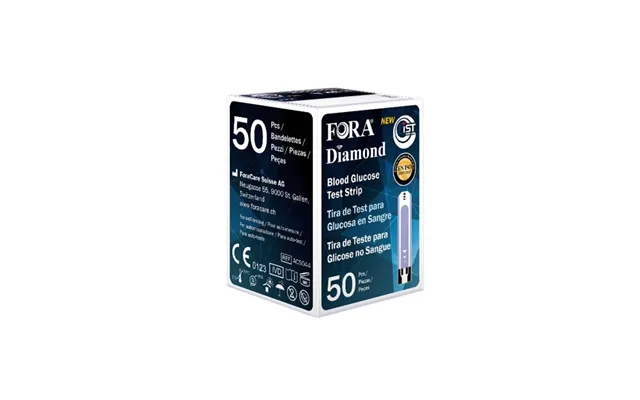
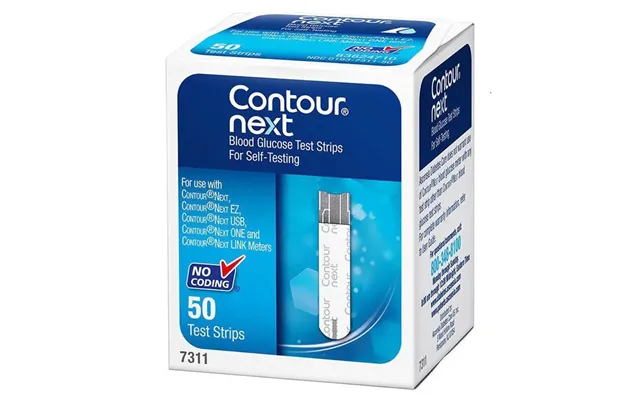
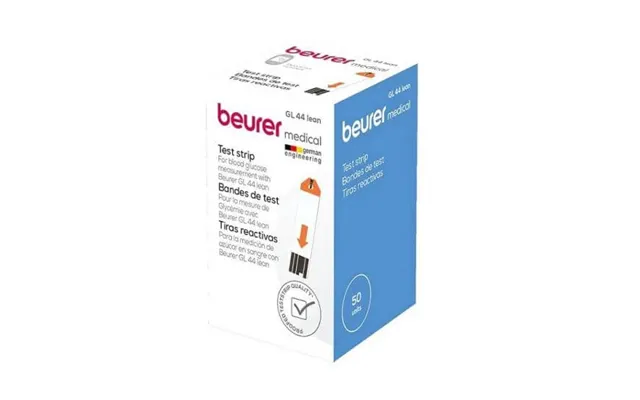
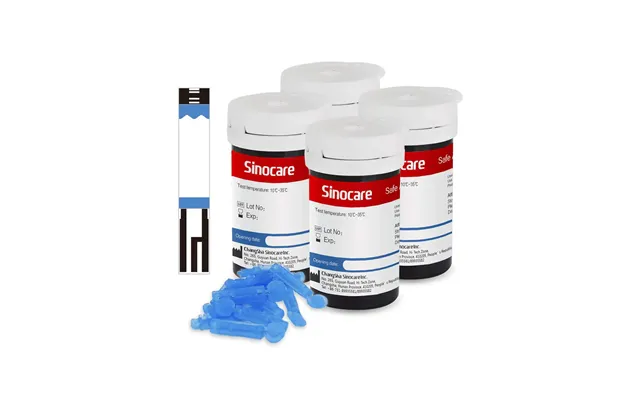
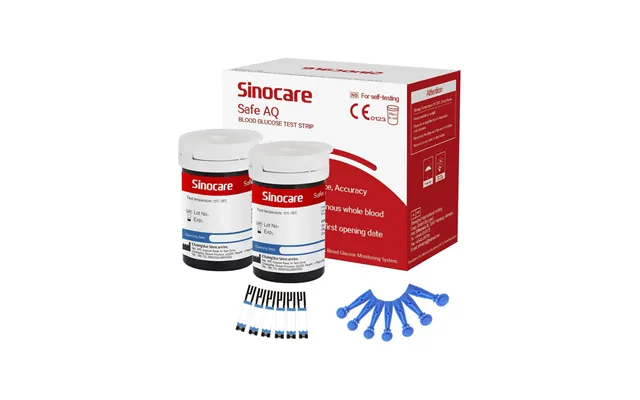
Test strips are the unsung heroes of home glucose testing. They’re engineered to work with your specific meter, and a mismatch can lead to errors you definitely don’t want. Buying the right strips, storing them properly, and using control solution when needed can drastically improve your confidence in every result. If you’ve ever stared at two different readings and wondered which one to trust, this section is for you.
Not all strips are created equal, and even strips from the same brand may vary by lot. Always match the strip model to your meter model—no exceptions. It’s tempting to grab whatever’s on sale, but compatibility is non-negotiable. Some meters auto-code; others require a quick check. If your meter references lot numbers, make sure everything aligns before you test. It takes seconds and can save you from a cascade of confusing results.
Heat, moisture, and air exposure can mess with strip chemistry. Keep strips in their original vial, cap it tightly, and avoid storing them in humid bathrooms or sunny window sills. Watch expiration dates and use control solution to spot-check a new vial or when results feel “off.” Control solution is basically a known-value liquid that confirms your strips and meter are behaving—think of it as a quick tune-up for your testing setup.
That depends on your testing routine. Some people check before meals, after meals, and at bedtime; others focus on specific times. If you average five tests a day, that’s roughly 150 strips a month. Add a buffer for sick days, unusual routines, or extra checks before driving or workouts. It’s better to have a safe margin than to run short when you need a crucial reading.
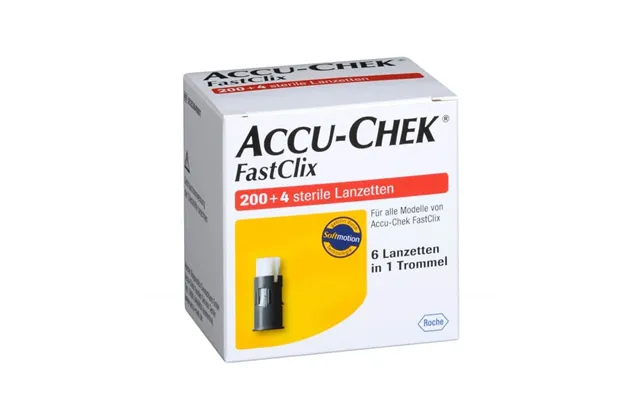
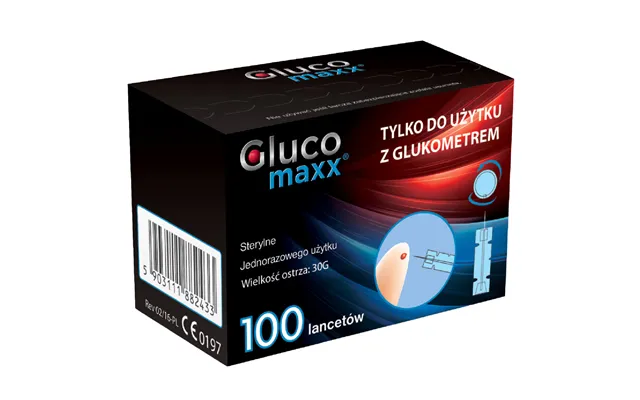
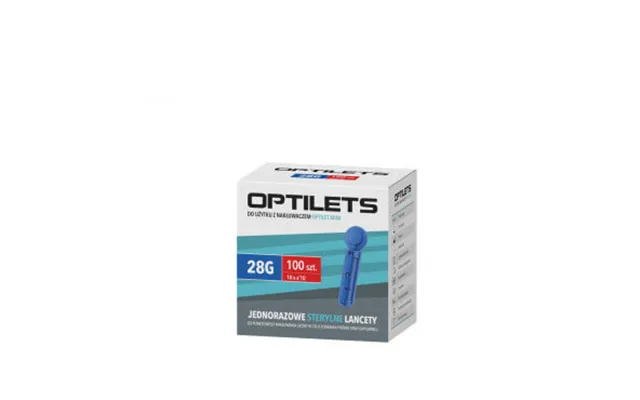
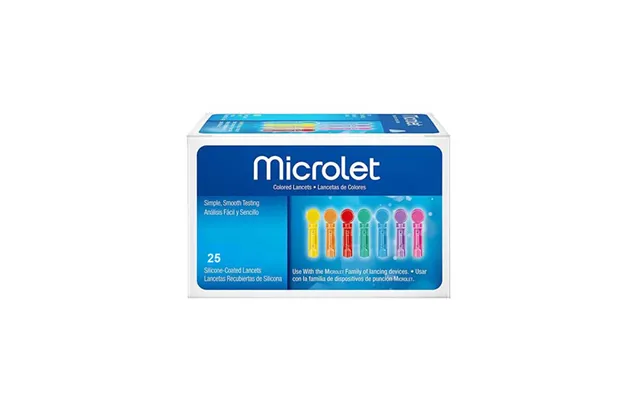
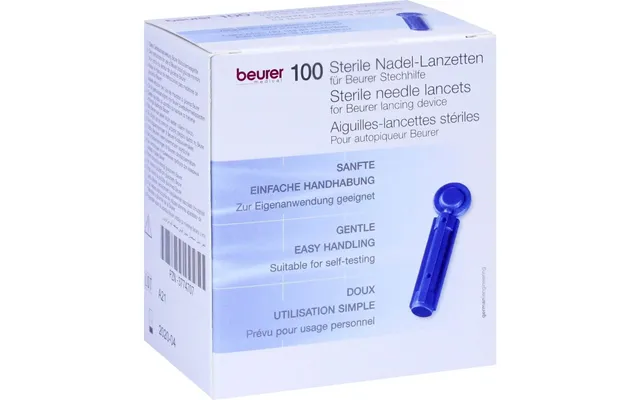
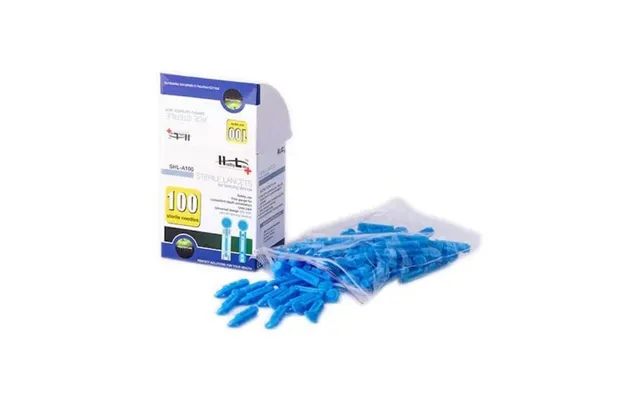
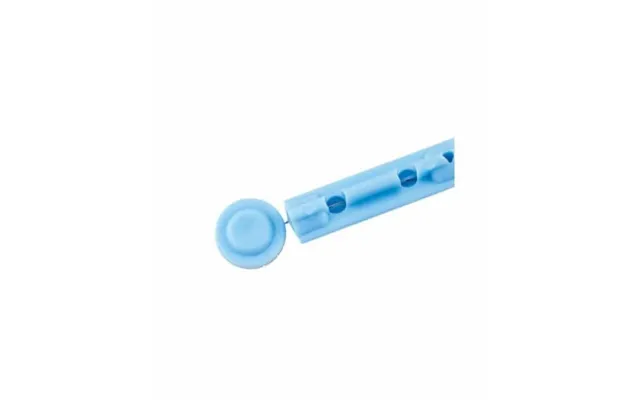
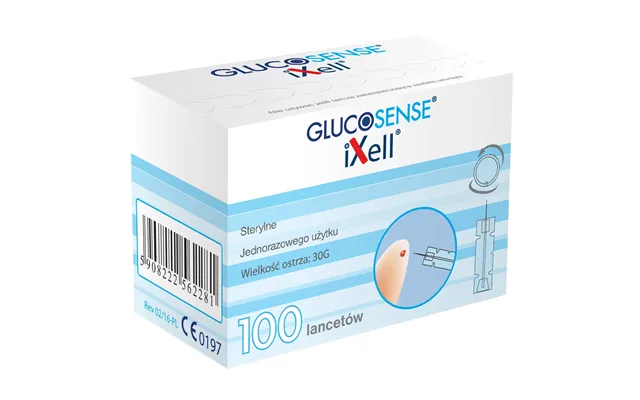
Let’s be real: finger-pricks aren’t anyone’s favorite. But the right lancet and lancing device can make them way more tolerable. You’ll see different gauges (higher numbers usually mean thinner lancets), adjustable depth settings, and ergonomic handles to help you get a good sample with less discomfort. Small changes add up—especially when you’re testing multiple times a day.
Thinner lancets can feel gentler, but depth matters too. If your device lets you adjust depth, start low and increase until you consistently get a small, adequate drop. Switching fingers, avoiding the very center of the fingertip, and warming your hands can make a noticeable difference. Some devices use preloaded lancet drums for quick changes—great for travel and fewer fumbling moments.
It’s tempting to reuse a lancet, but blunted tips can cause more pain and raise infection risk. If you must stretch usage occasionally, be mindful: change often, keep everything clean, and never share. Sharps safety is real life, not just a box to tick. A fresh lancet can make your routine smoother and more hygienic.
Some meters and strips support alternate site testing (like the forearm). It can be gentler, but it may lag during rapid changes in blood sugar. If you’re correcting a low, had just exercised, or you feel “off,” a fingertip test is still your most reliable option. Alternate sites shine for routine checks when stability matters more than speed.
Meters and strips are precise, but they’re not magic. Control solution helps you verify performance without playing guessing games. Use it when you open a new vial of strips, after your meter takes a tumble, or whenever your numbers don’t match how you feel. It’s a low-effort habit that can prevent unnecessary anxiety—or worse, a misinformed dose decision.
A good carrying case turns chaos into calm. When your strips, lancets, swabs, and meter (plus a backup battery) have a dedicated home, you move faster and stress less. Look for cases with elastic loops, zip pockets, and a hard shell that protects your gear in a packed backpack or handbag. Headed out for the day? A compact kit with essentials beats rummaging through loose items every time.
At minimum, stash your meter, strips, lancets, lancing device, alcohol swabs, a small sharps solution (like a portable container), and control solution if you’re starting a fresh vial of strips. If you use a continuous sensor, toss in adhesive patches or tape overlays. A simple organizer can be the difference between a smooth day and a scramble.
Keep supplies in your carry-on and store them in a clearly labeled pouch. Have backups—extra strips and lancets—because delays happen. If your kit includes liquids like control solution, pack them per general air travel liquid rules and keep them easy to present. Preparation helps you breeze through security without anxiety.
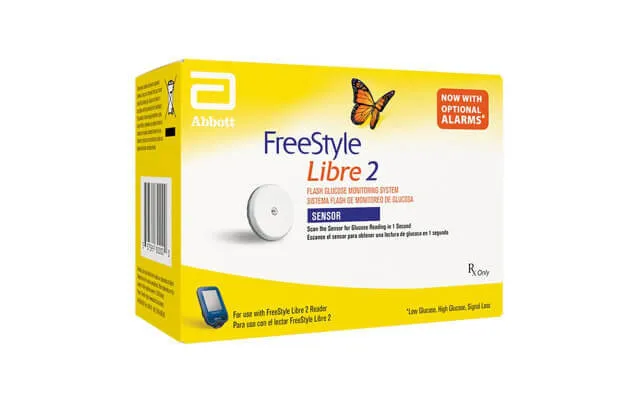
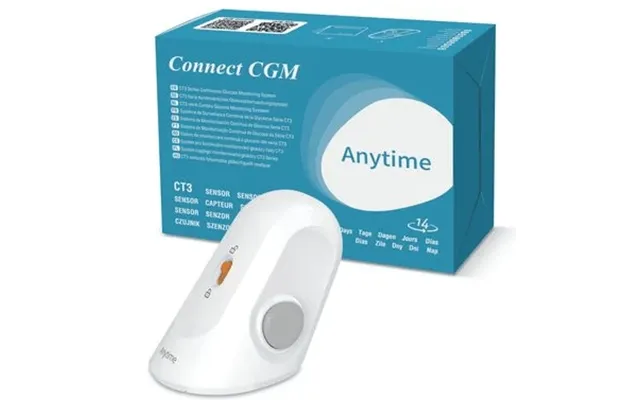
If you use a continuous sensor, accessories can dramatically improve comfort and wear time. The right combo of skin prep, overlays, and protectors keeps your sensor put through showers, workouts, and daily life. Yes, small tweaks can mean fewer early peel-offs and fewer sensor replacements—that’s convenience and savings.
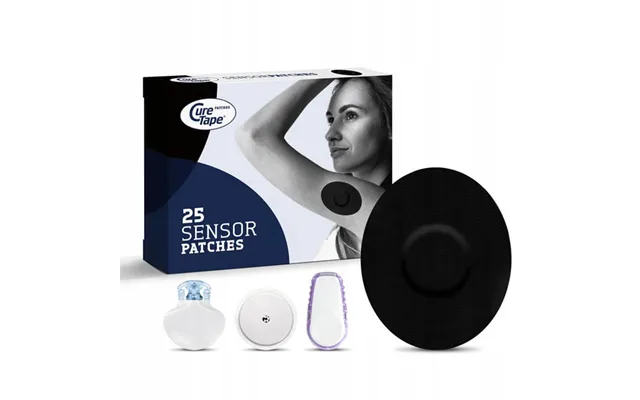
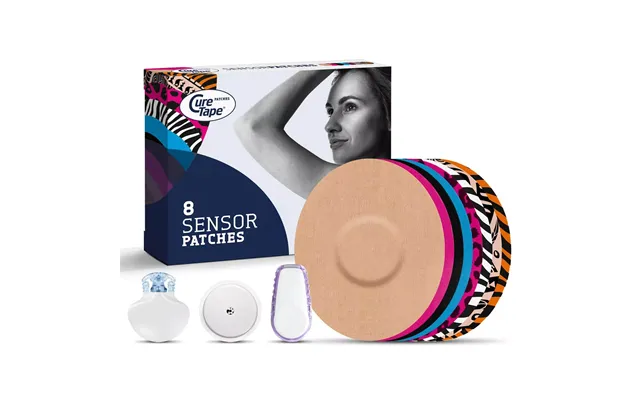
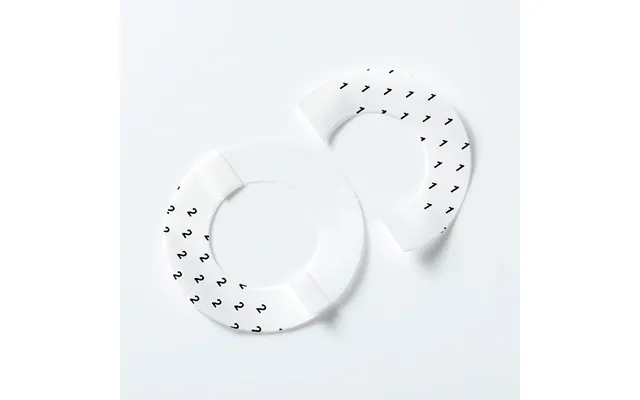
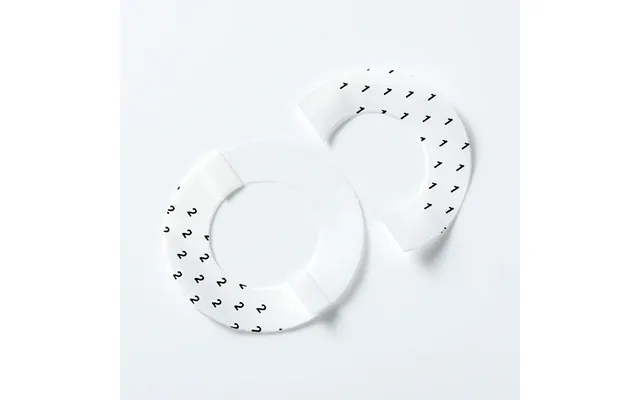
Look for breathable patches with cutouts that match your sensor’s shape. Many come in fun colors and patterns, but function matters most: solid adhesion that survives sweat, water, and friction. Wider overlays can offer better edge protection, especially around areas that brush against clothing or bedding.
Clean, dry skin is step one. If you have oily skin or live an active lifestyle, add a skin-prep wipe before applying the sensor or overlay. When it’s time to remove adhesive, use an adhesive-remover wipe or spray to minimize tugging. Your skin will thank you, and your next application will be smoother.
Protective covers and soft armbands can guard against bumps and snags—handy if your sensor sits in a high-contact spot. If you’re new to sensors, a protector can help you build confidence while you learn what works with your daily routine.
Many meters now sync with apps or computers, letting you visualize trends and share reports with your care team. Whether your meter uses Bluetooth or a simple data cable, accessories that streamline syncing save time and reduce friction. Less manual logging, more clarity.
Some legacy meters need a dedicated cable to export data. If that’s you, grabbing the correct model-specific cable is worth it. For newer devices, Bluetooth connections and companion apps keep things seamless. Either way, consistent syncing can reveal patterns you might miss—like a gradual shift in morning numbers over the past few weeks.
Use passcodes and backups for your data, especially if you rely on your phone to review trends. If you switch devices, make sure your historical data comes along for the ride. That continuity makes long-term insights possible, which can be a game-changer for fine-tuning routines.
A meter that dies at the worst moment? Hard pass. Keep a spare coin cell battery in your case if your device uses one, or charge rechargeable meters on a regular schedule. Clean the lancing device and meter surfaces with appropriate wipes to keep things hygienic. A little care prevents flaky behavior and extends the life of your gear.
Alcohol swabs are the staple for fingertip prep. For the meter and lancing device, use manufacturer-safe wipes to avoid damaging sensors or screens. Don’t soak devices; a light wipe-down does the trick. Regular maintenance keeps readings steady and your hands clean—simple wins you’ll appreciate every day.
When you’re feeling unwell, dealing with elevated readings, or following certain eating plans, ketone testing can provide valuable context. Some meters accept ketone strips, while others require a dedicated ketone meter. Having ketone strips on hand can help you catch problems early and make timely decisions with your care team.
If your numbers run higher than usual, if you’re sick, or if you’re adjusting your routine, ketone checks can add an extra layer of safety. It’s not something you need every day, but when you need it, you really need it. Consider keeping a small supply in your kit for peace of mind.
Spent lancets and sensor applicators aren’t everyday trash. Use a portable sharps container when you’re on the go and a larger one at home. It takes no extra effort once you build the habit, and it protects you and everyone around you. When the container is full, follow local guidance for disposal to keep things safe and responsible.
Compact, travel-friendly sharps containers are a game-changer if you test outside the house. They slip easily into a small case and make clean-up a breeze. Consistency is key—having a container handy nudges you to dispose of sharps correctly every single time.
Accessories can add up, but you don’t have to overspend. Comparing prices across brands and pack sizes helps you spot real value versus flashy marketing. A comparison site like ZoneOffer can surface popular offers and price lists in one place so you can check availability, evaluate bulk savings, and avoid paying more than you need to.
Subscription deliveries sound convenient, but they can lock you into quantities that don’t match your real usage. If you end up with excess strips or lancets, that’s money sitting idle—and potentially expiring. Consider testing your true monthly needs first, then decide whether a subscription or on-demand ordering makes sense for you.
Buying larger packs can lower the per-test cost, but only if you’ll use them before they expire. For new meters or during routine changes, smaller packs keep things flexible. Once your usage is predictable, then step up to multi-packs to unlock better value without risking waste.
If you’re in the UK, availability, brand support, and warranty policies matter as much as price. Stick with reputable brands that offer reliable customer guidance and clear instructions. If you rely on app syncing, make sure your meter and software are supported on your phone. Lastly, check for accessories that are clearly marked as compatible with your specific meter—guesswork is the enemy of accuracy.
Counterfeit strips or lancets can look convincing but deliver unreliable results. Buy from trusted retailers or through a well-vetted comparison platform, check tamper seals, and examine packaging quality. If something feels off—unusual strip behavior or inconsistent numbers—pause and verify before continuing.
Want a quick sanity check? Here’s a simple mental checklist: meter, strips, lancets, lancing device, alcohol swabs, control solution, carrying case, sharps container, and a spare battery. If you use sensors, add adhesive patches, skin prep, and an adhesive remover. Toss in a data cable if your meter requires it. This compact lineup keeps you agile at home, work, the gym, or on the road.
We all learn by doing, but you can skip a few missteps. Don’t store strips in hot cars or steamy bathrooms. Don’t use expired strips and expect dependable numbers. Don’t ignore control solution checks when something seems off. Don’t reuse lancets to the point of pain. And don’t forget backups—an extra pack of strips and lancets in your case can be a day-saver.
Your ideal setup aligns with your lifestyle. If you test frequently on the go, compact cases and drum-style lancets make life easier. If you love data, prioritize connectivity accessories. If wearability is your focus, lean into sensor patches and skin prep. The goal is a kit that works with you, not against you—so you stick with it effortlessly.
Hunting for deals can be time-consuming, and prices shift frequently. That’s where using a comparison site like ZoneOffer helps. You can scan popular offers, browse price lists, and quickly see which options fit your budget and your specific meter or sensor. When you can compare at a glance, you make decisions faster and more confidently.
Blood glucose meter accessories might look like small add-ons, but they’re crucial to accuracy, comfort, and long-term costs. From test strips and lancets to control solution, cases, sensor patches, and sharps containers, each accessory plays a role in keeping your routine smooth and your readings reliable. Take a few minutes to match accessories to your meter, build a travel-ready kit, and compare prices before you buy. With a little strategy—and the help of a good comparison platform—you’ll save money, reduce hassle, and feel more in control of your day-to-day care.