All categories
Business & Offices
Electronics & Media
Fashion & Accessories
Groceries & Essentials
Health & Personal Care
Home & Living
Kids & Family
Sports & Outdoors
Search in ZoneOffer

Loading...
When something gets in your eye, every second feels like a small eternity. Whether it’s a splash of cleaning fluid at home or a speck of metal at work, the right eye wash supplies turn panic into a plan. In this guide, you’ll learn exactly what to buy, how to compare products wisely, and how to use them when it counts.
Think about your day: you spray oven cleaner, mow the lawn, use hairspray, open a dusty attic, or top up car fluids. Any of those can irritate or injure eyes. Eye wash bottles and pods act like tiny fire extinguishers—small, simple, and lifesaving when trouble flares up fast.
Workshops, salons, kitchens, labs, and warehouses all have one thing in common: eye hazards. Good practice calls for having eye wash within quick reach and ensuring it can flush eyes for a sustained period. That means proper placement, adequate volume, and regular checks—not a dusty bottle forgotten on a back shelf.
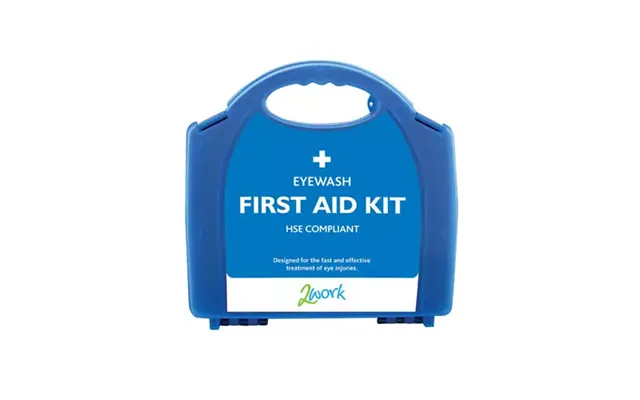
No two eye incidents are the same, so having a mix of solutions helps. From single-use pods to full stations, here’s what’s out there and how they differ, so you can build a setup that fits real risks, not just a checklist.
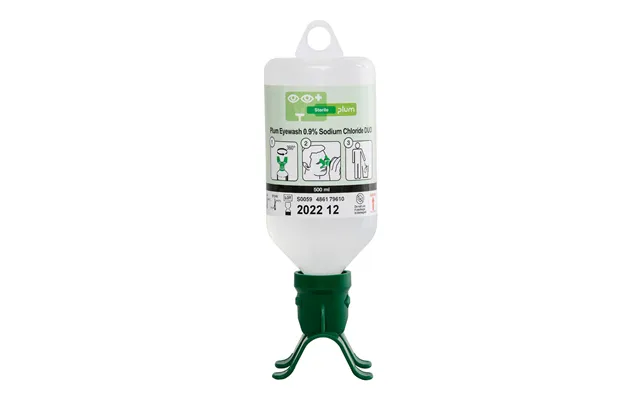
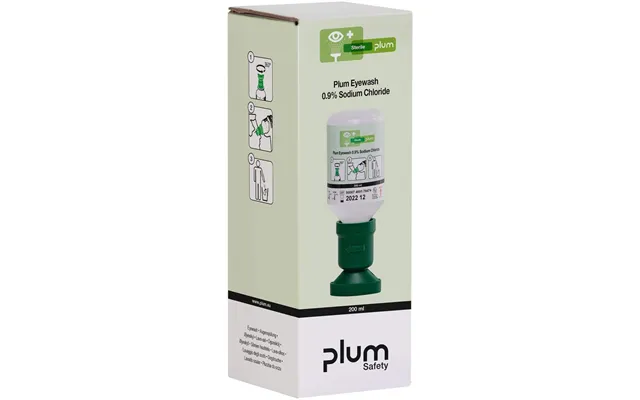
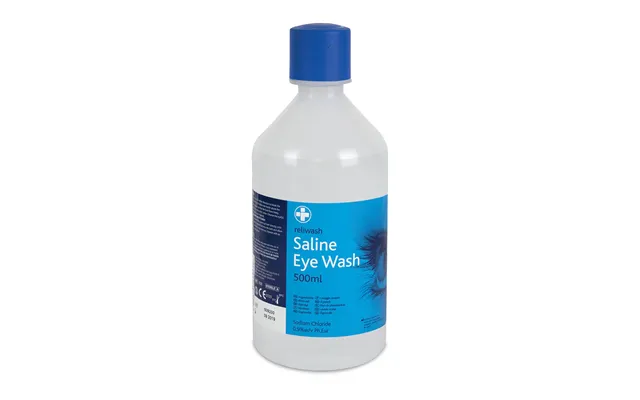
These are the go-to for most homes and small businesses. Typically filled with sterile 0.9% saline, they’re designed to gently flush out dust, grit, and mild irritants. Look for ergonomic squeeze bottles with eye-shaped nozzles for a consistent, comfortable flow. Common sizes range from small 4 fl oz bottles to larger 32 fl oz options.
Some eye wash solutions are buffered to help the eye’s natural pH recover faster after exposure to acids or alkalis. Others include neutralizing components that can reduce the impact of corrosives. If you handle chemicals, it’s smart to stock a buffered option alongside saline—but always follow the product’s label and your safety data sheets.
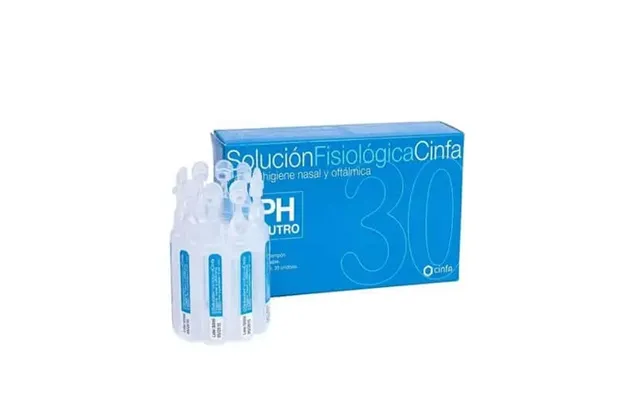
Pods are compact, hygienic, and perfect for first response. Pop, squeeze, flush—that’s it. They’re ideal for mobile kits, delivery drivers, cyclists, and anyone who needs a pocket-friendly backup. Use them to start the rinse immediately, then follow up with a larger bottle or station for sustained flushing.
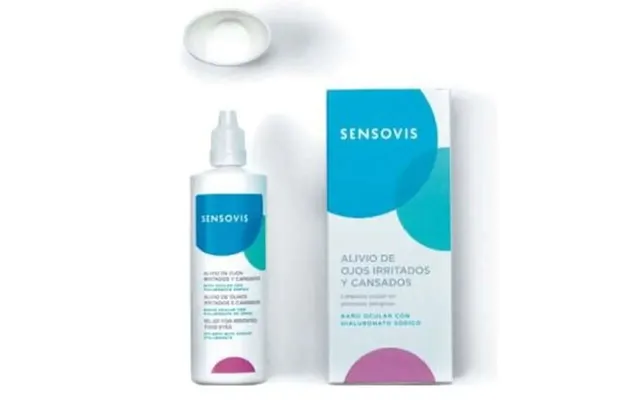
Eye bath cups can help soak and rinse the eye surface with a controlled amount of solution. They’re useful for gentle irritants, like pollen or dust. Still, for chemicals or serious debris, you’ll want continuous flow from a bottle or station. Treat eye baths as a comfort tool, not your only line of defense.
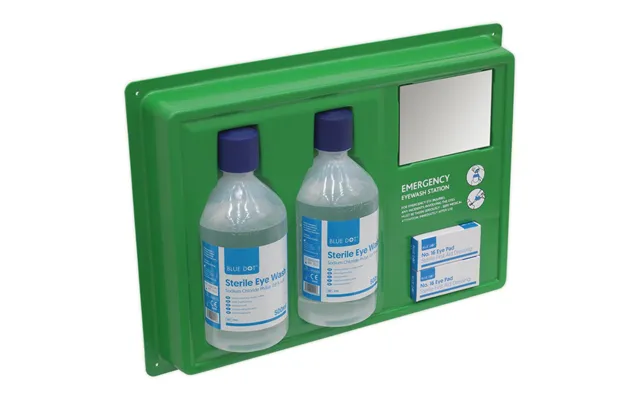
When hazards are higher—think workshops, labs, garages, industrial floors—full eyewash stations aren’t just a nice-to-have; they’re essential. They deliver continuous flow, hands-free flushing, and clearer visibility during an emergency.
Connected to a water supply and drain, these units deliver a steady stream for extended rinsing. Many have dual nozzles with soft aerated flow and dust covers. If you’ve got fixed workstations where risks are frequent, plumbed stations provide reliability and unlimited duration.
No plumbing? No problem. Gravity-fed units store a reservoir—often several gallons—and release a controlled flow when activated. They mount on walls and are great for remote areas, temporary sites, or places where plumbing isn’t practical. Check shelf life for the preservation solution and replace on schedule.
Where corrosives are present, a combo unit offers full-body drenching and eye flushing in one station. The shower handles larger exposures, while the eyewash targets the eyes. If you work with dangerous liquids, having both can make the difference between a scare and a severe injury.
Not all eye wash products are created equal. The best choice depends on how you’ll use it, where it sits, and what you’re guarding against. Compare these features to spend smart and prepare well.
Sterile saline has an expiry date—don’t ignore it. Mark bottles with the open date and store them sealed, upright, and away from heat or direct sun. For stations, note the manufacturer’s service intervals and any required solution changes.
You want a gentle, steady stream that covers the eye without blasting it. Contoured nozzles and aerated flow help. Look for flip-top dust caps that open automatically when the unit is activated and smooth controls that don’t require fiddly steps in a stressful moment.
Big, intuitive triggers matter. So do bright colors, clear signage, and lighting. In a rush, nobody should have to hunt. Place eyewash at eye level where possible, with unobstructed access. A sign or glow-in-the-dark marker can save precious seconds.
Wall brackets, cabinets, and station housings keep kits organized and accessible. Ask: Are refills easy to source? Do pods, bottles, and signage all fit your chosen system? Standardizing across locations simplifies training and maintenance.
While you should always compare specifications first, brand reputation and refill availability matter. In the UK market, several names come up repeatedly for reliability and breadth of options.
Known for sturdy workplace kits and reliable saline bottles, Steroplast offers practical mounting solutions and clear labeling. Expect no-nonsense packaging and easy-to-spot expiring indicators, which is helpful for routine checks.
HypaClens saline eye wash is a staple in many first aid kits, from small 4 fl oz pods to larger bottles. Refills are widely available, and their kits often include handy wall stations that make access straightforward.
These brands offer sleek, wall-mounted eyewash solutions with protected nozzles and intuitive activation. You’ll often find dual-bottle stations designed for rapid access and continuous flow, plus refills that slot in neatly.
For heavy-duty environments, look for established station makers that focus on plumbed and gravity-fed units, dual-nozzle configurations, and rugged housings. Check flow performance, maintenance intervals, and spare parts availability before you buy.
The rule of thumb: start flushing immediately and keep going. Small pods kickstart the process, but they aren’t enough alone for significant exposures. For anything beyond dust or minor irritants, you’ll want sustained flow and more volume.
For general first aid kits, consider carrying at least 16 to 32 fl oz of saline available at one location, plus a few single-use pods for fast starts. In higher-risk zones, stock multiple 32 fl oz bottles or a station that can deliver continuous flow without interruption.
Emergency eyewash stations are designed to provide a steady flow for a sustained rinse. Some guidance references continuous flushing for up to 15 minutes in severe exposures. The key is simple: ensure your setup lets you keep rinsing without running dry.
The best setups layer protection. Use pods to start, bottles for continued flushing, and stations for long-duration rinses. That tiered approach covers everything from stray dust to chemical splashes without leaving gaps.
Think of placement and maintenance like a seatbelt—you hope you won’t need it, but if you do, it has to work perfectly. Good planning now prevents chaos later.
Keep eyewash where hazards are, not in a hallway. The idea is that someone should reach an eyewash point in about 10 seconds or less. Keep paths clear, mount at a comfortable height, and make it obvious with clear signage.
Pick a day of the week and stick to it. Check bottles for seals, clarity, and expiry dates. For stations, run a quick test to confirm flow, clear dust caps, and verify that activation is smooth. Monthly, log a more thorough inspection and update records.
For plumbed stations, aim for tepid water—roughly 60–100°F—so users can keep flushing without shock. In cold areas, consider insulated lines or indoor placement to prevent discomfort or freeze risk. Comfort isn’t a luxury; it enables longer, more effective rinsing.
Eye wash isn’t just for big workplaces. It’s priceless in the boot of your car, in a gym bag, or in a home first aid kit. The more accessible it is, the more likely you’ll use it when needed.
Stash a few single-use pods and a compact 4–8 fl oz bottle in your car or backpack. If you spend weekends cycling, hiking, or working on DIY projects, you’ll be grateful for a quick rinse when dust, bugs, or spray drift hits your eyes.
Playgrounds, craft tables, and pets zooming around all mean potential eye irritants. Keep a small bottle in easy reach, but out of little hands. For sensitive eyes, choose gentle saline and avoid any product not clearly labeled for ocular use.
Contacts and eye wash can be a tricky combo. The main thing? Don’t delay rinsing because of lenses. Act first, sort lenses later. Quick, steady rinsing is your best friend when the unexpected happens.
If possible, remove contact lenses before or during flushing. If they won’t come out easily, don’t force it—keep rinsing. A steady flow can help the lens loosen. Once removed, continue flushing to clear any residue or particles.
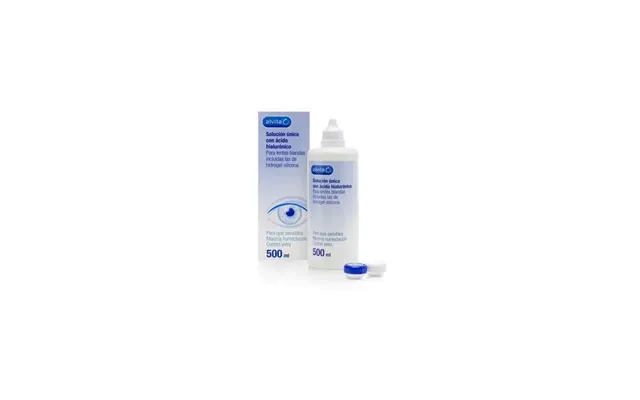
Use sterile eye wash saline for emergencies, not your lens cleaning solution. Lens solutions are for cleaning lenses, not irrigating eyes. Keep a lens case nearby, but prioritize eye safety and sustained flushing every time.
Eye wash supplies don’t need to be expensive to be effective. A few savvy habits will stretch your budget and keep you fully prepared without compromise.
If you have several stations or kits, buy refills in packs. Multi-bottle bundles often cost less per unit and ensure consistent stock across all locations. Just make sure you’ll use them before they expire.
Rotate older stock to the front and mark open dates clearly. Add a recurring reminder to check expiries. It’s simple, but it prevents the all-too-common scenario of discovering out-of-date bottles when you need them most.
Prices, bundles, and availability shift frequently. Use comparison sites to scan multiple retailers at once, spot popular offers, and confirm you’re getting the right spec at a fair price. It takes minutes and can save a bundle over the year.
When your eye is burning or gritty, the right steps turn fear into focus. Don’t overthink it; act fast and keep it simple. Here’s a straightforward plan you can follow under pressure.
Hold the eye open and start flushing immediately with sterile saline or at an eyewash station. Aim the flow from the inner corner outward so the rinse carries debris away. Remove contacts if possible. Keep flushing steadily; don’t stop to check every few seconds.
If a chemical is involved, pain is intense, vision is blurred, or debris won’t clear, seek medical attention promptly—even if you’ve rinsed. Keep flushing en route if advised. Safety data sheets and product labels can guide next steps, but when in doubt, get checked.
Don’t overlook the extras. A good eyewash setup is a small ecosystem: the main rinse, backup supplies, and clear guidance all working together. Here are simple add-ons that make a big difference.
Attach tags to stations and log weekly tests. For portable kits, a simple checklist on the inside cover keeps refills and expiries in check. Consistency beats complexity every time.
Even the best eyewash won’t help if nobody can find it. Use bright, standardized signs and ensure good lighting. In dim areas, consider glow-in-the-dark markers or motion-activated lights.
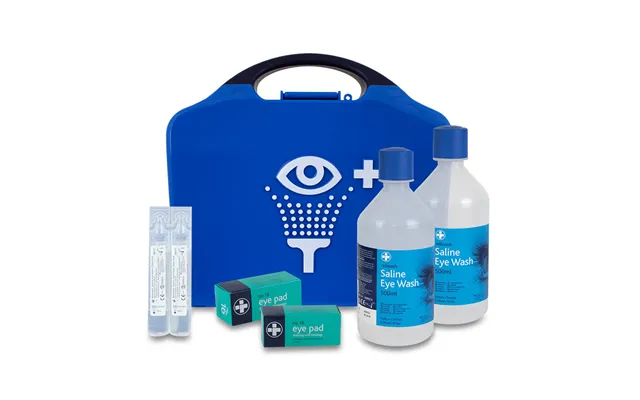
Pair eyewash with sterile eye pads and tape to protect the eye after rinsing. Keep clean cloths or tissues nearby to dab the face—not the eye—after a rinse. A tidy, complete station calms nerves and speeds up care.
Not sure where to start? Use this simple approach. Match the solution to the risk, layer your protection, and don’t get stuck comparing tiny details that won’t matter in the moment.
General workplaces, salons, kitchens, and homes benefit from 16–32 fl oz of saline on hand plus a few pods. Mount a bottle in a visible spot and keep spares in a cabinet or kit.
Workshops, labs, and industrial areas need a plumbed or gravity-fed station for sustained flushes, supported by pods for quick starts and bottles for added flexibility. Place stations near the hazard with clear access.
Service vans, construction sites, and field teams should rely on gravity-fed portable stations or well-stocked kits with multiple 32 fl oz bottles and plenty of pods. The key is durability and ease of carry.
Let’s make this practical. Imagine a small workshop with cutting, sanding, and occasional use of solvents. What should it have? Here’s a realistic, budget-friendly setup you can copy and tweak.
Mount a dual-bottle wall station with two 32 fl oz sterile saline bottles. Add a box of single-use pods for first response and a sealed eye bath cup for comfort rinses after the main flush. Keep eye pads, tape, and signage right on the station.
If solvents are a regular thing, include a buffered eye wash bottle specifically labeled for chemical exposure. Place a gravity-fed station in the main work area for sustained rinsing, and keep a small 8 fl oz bottle in the tool room for quick reach.
Every week, check seals, dust caps, and visibility. Every month, log a test, wipe down the station, and rotate stock as needed. Add reminders for any station solution replacements so nothing slips.
Eye wash supplies are like seatbelts for your eyes: easy to ignore—until you’re grateful they’re there. With the right mix of pods, bottles, and stations, plus smart placement and simple checks, you’ll be ready for life’s little surprises and the occasional big scare. Compare thoughtfully, buy what fits your actual risks, and keep it visible, stocked, and simple to use. When seconds matter, that preparation pays off.