All categories
Business & Offices
Electronics & Media
Fashion & Accessories
Groceries & Essentials
Health & Personal Care
Home & Living
Kids & Family
Sports & Outdoors
Search in ZoneOffer

Loading...
When you’re wondering if you might be pregnant, waiting for answers can feel endless. That’s where home pregnancy tests step in: fast, private, and surprisingly sophisticated. Whether you’re trying to conceive or simply need clarity, the right test can deliver a dependable result without the stress of booking an appointment. And with so many options and deals available in the UK, it’s easier than ever to find a test that fits your timeline, budget, and preferences.
Home pregnancy tests look for a hormone called hCG in urine. Your body produces hCG after implantation, which typically happens shortly after conception. Different tests pick up different levels of this hormone, but you don’t need the chemistry lesson to get a reliable answer. In short: when hCG is present at a detectable level, the test shows a result—either lines, symbols, or digital words. The key is choosing a test type that aligns with how early you want to check and how you prefer to read the result.
Walk into any UK pharmacy or browse online, and you’ll see a variety of formats: test strips, midstream wands, cassette tests, and digital options. Each does the same basic job but caters to different needs, from super budget-friendly to ultra simple and clear. If you want minimal fuss, midstream and digital tests are made for that. If you want an economical stash for repeated testing, strips and cassettes are worth a look.
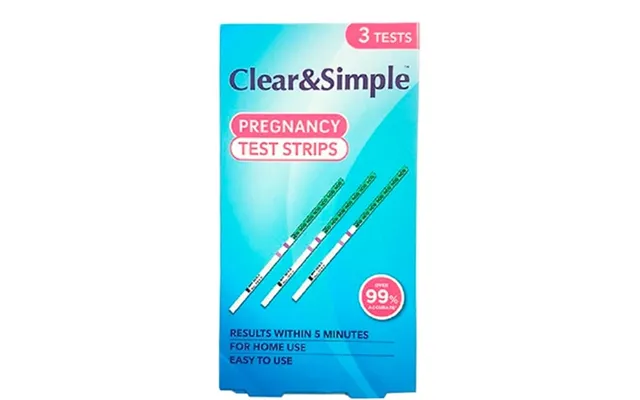
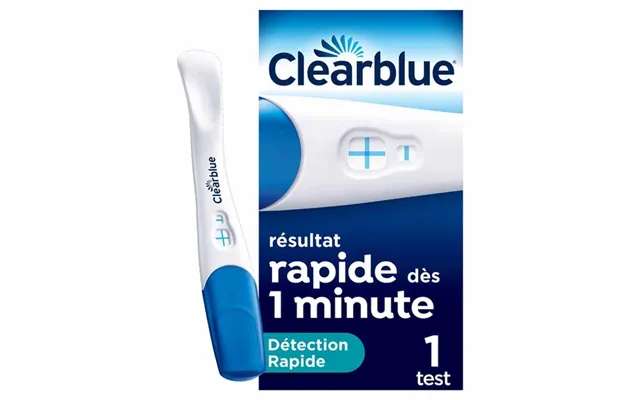
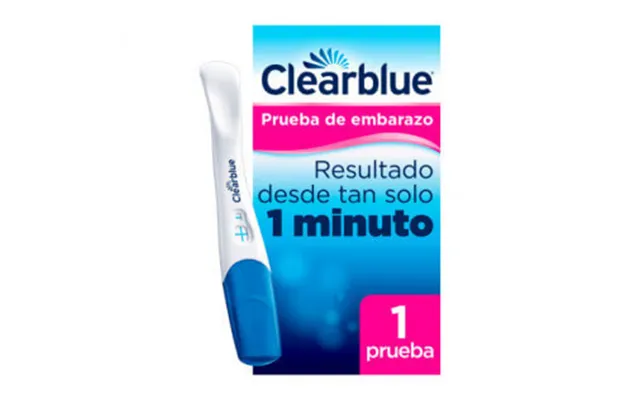
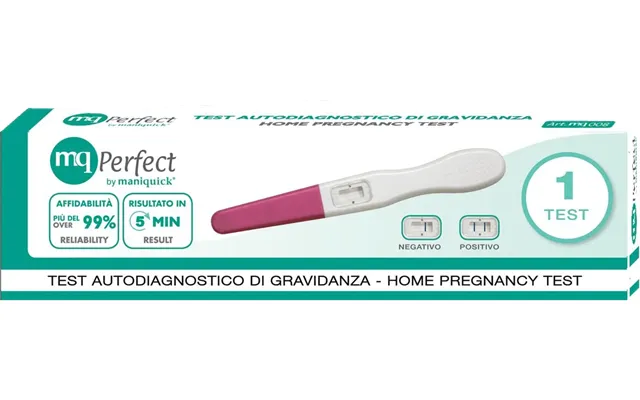
Test strips are the minimalist option: dip the strip into a clean container of urine and watch for lines. They’re affordable, especially in multipacks, and great if you plan to test more than once. Midstream tests look like standard wands—you place the tip directly in your urine stream and wait for the readout. They cost a bit more but save you the container step. Both can be highly accurate when used correctly; it’s really about convenience versus cost.
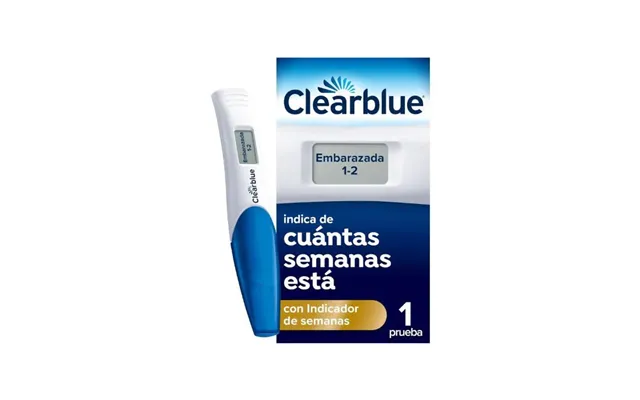
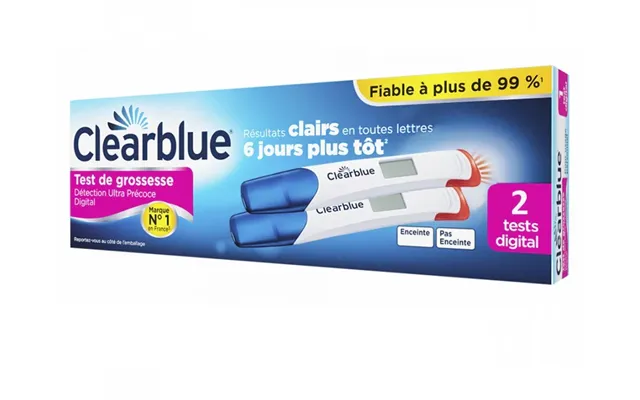
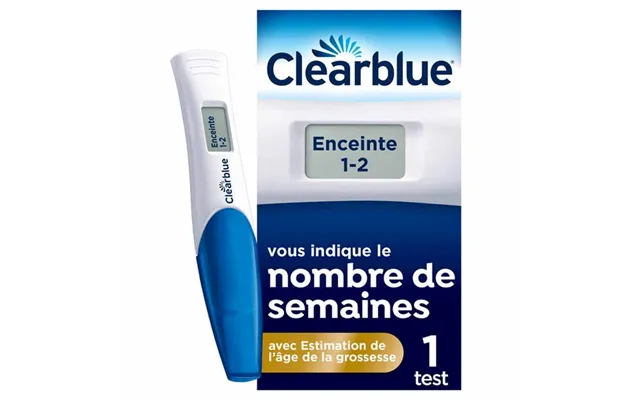
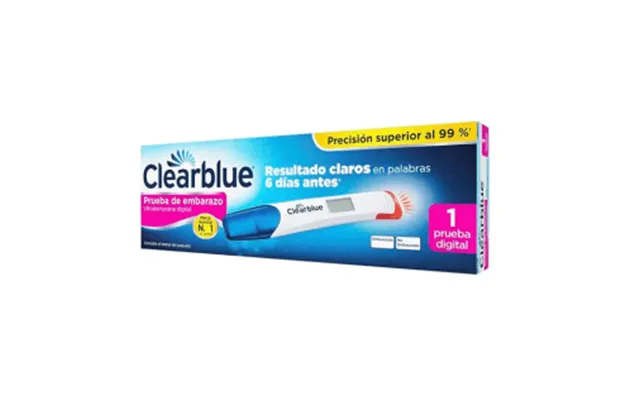
Digital tests display words like “Pregnant” or “Not Pregnant,” which eliminates any guesswork around faint lines. Some versions also estimate weeks since conception (based on hormone levels). Smart or app-connected models can log results or integrate with fertility tracking, which is helpful for those actively trying to conceive. Digital options are pricier, but many users find the clear result and added features worth the extra spend.
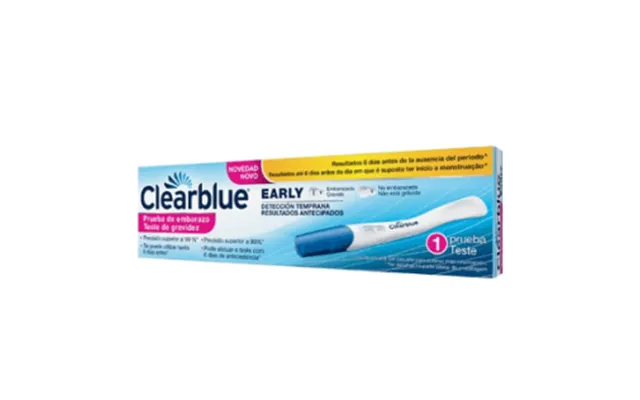
Some tests are designed to detect pregnancy earlier than others. Early options promise results several days before your missed period, while standard tests work best from the day your period is due. If you’re impatient (who isn’t?), early detection can be tempting. Just remember: the earlier you test, the more cautious you should be about interpreting a negative result—sometimes it’s simply too early. Testing again on or after the day your period is due can confirm with greater confidence.
You’ll see references to sensitivity in product descriptions, but you don’t need to dive into technical units to make a smart choice. Here’s the plain-English rule: lower sensitivity numbers mean the test can detect smaller amounts of hCG, which usually translates to earlier detection. If early answers are your priority, pick a high-sensitivity (low-number) test. If you can wait until your expected period, standard options are typically all you need and can save you money.
Most reputable home pregnancy tests advertise very high accuracy when used from the day your period is due. Still, timing and technique matter. A false negative often happens because someone tests too early or dilutes their urine by drinking a lot of water before testing. False positives are less common, but they can occur due to certain medications or very early pregnancy loss. The best way to trust your result is to follow the instructions closely and confirm with a follow-up test if you’re unsure.
First-morning urine is recommended because it’s more concentrated, making it easier for the test to detect hCG. If you can’t wait, that’s okay—just avoid overhydration right beforehand. As for timing, many people test on the day their period is due, and if negative but suspicion remains, test again after a couple of days. For early detection tests, start a few days before your expected period—but have a plan to retest if you see a negative.
Instructions vary by brand, but the basic flow is similar. Wash or sanitize your hands, then either collect urine in a clean, dry container (for strips and cassettes) or hold the midstream test as directed. Keep the absorbent tip pointed downward and set the test on a flat, dry surface while you wait. Don’t rush the clock; check the result window at the recommended time. Going too early or too late can lead to misreads. Finally, take a photo of your result if you want to track it in an app or compare it later.
Line tests usually show one control line to confirm the test worked and a second line if hCG is detected. Even a faint second line can mean pregnant—faint lines often appear early on. Digital tests skip the lines and display clear words or symbols. No matter what you use, always confirm your interpretation with the leaflet included, as brands vary in their icons and timing windows.
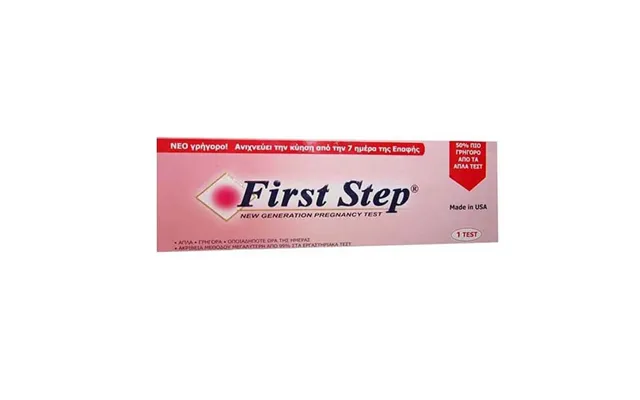
UK shoppers have access to a wide range of trusted pregnancy tests, including well-known names and reliable value options. You’ll see brands that focus on early detection, others that prioritize digital clarity, and plenty of budget-friendly lines ideal for frequent testing. Reading reviews and comparing features—such as detection timing, result type, and pack size—can quickly narrow your shortlist.
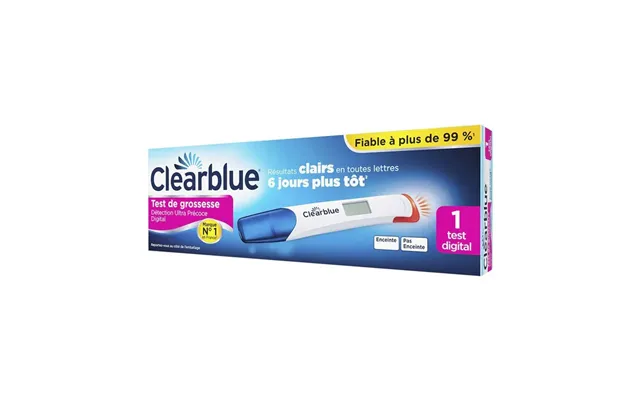
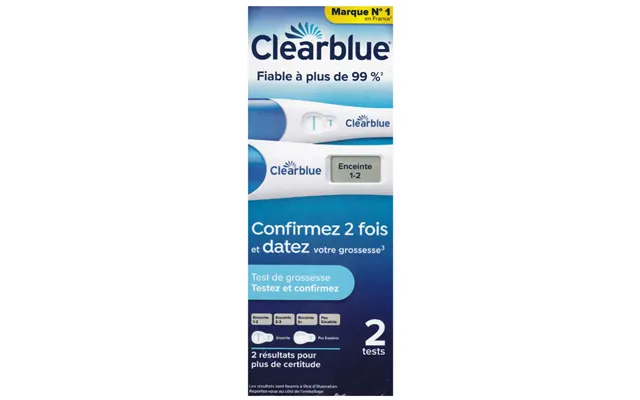
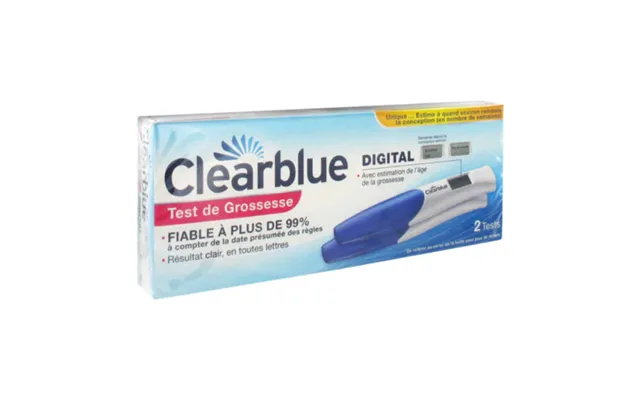
Clearblue is widely recognized for its digital tests that display unambiguous words, plus options that estimate weeks since conception. Many appreciate the no-guesswork readout, especially if the idea of faint lines makes you nervous. Expect to pay more for these features, but the clarity can be worth it when you want a straight-to-the-point answer.
First Response is known for early detection capability, making it popular with anyone who wants to test before a missed period. While you can still get accurate results from the day your period is due, having the option to test earlier—paired with a sensitive design—can bring peace of mind. If you tend to test in the early window, this brand often lands near the top of the list.
Don’t overlook value packs from pharmacy or online-exclusive lines. Test strips and cassette tests can provide excellent accuracy at a fraction of the price, especially when purchased in multipacks. They’re ideal for people who plan to test multiple times through a cycle or prefer having backups on hand for the months ahead.
Prices vary widely depending on format, sensitivity, and brand. Digital tests typically cost more per test, while strips and cassettes offer the best per-test value. One smart approach is to use a value test for early or repeat checks, then confirm with a midstream or digital test when you’re close to your expected period. Comparing deals, scanning multipack offers, and checking seasonal promotions can slash your cost per test without sacrificing accuracy.
Multipacks usually bring the best value, especially if you plan to test more than once in a cycle. Singles are convenient if you’re only testing occasionally or want a specific premium feature (like a digital readout). A balanced strategy is to keep a few budget-friendly tests on hand for routine checks and reserve a digital test for the moment you’re expecting a definitive result.
If you’re trying to conceive, pregnancy tests are one piece of the puzzle. Ovulation tests, fertility monitors, and basal thermometers can help you better understand your cycle, identify your most fertile window, and time testing with more confidence. The more data you have, the fewer “what if?” moments you’ll face each month.
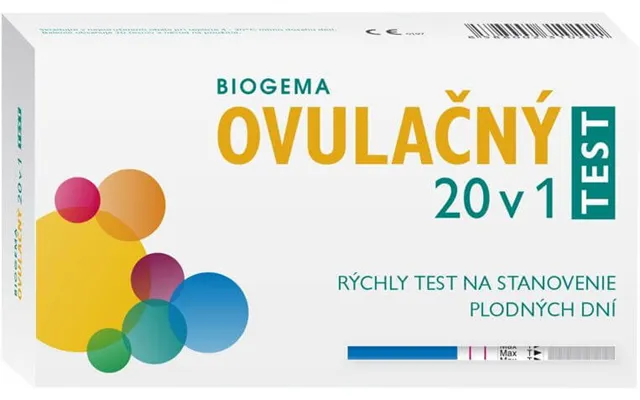
Ovulation tests detect a surge in luteinizing hormone, signaling that ovulation is around the corner. Used together with cycle tracking apps, they can pinpoint your best days to try for pregnancy. Some fertility kits bundle both ovulation and pregnancy tests, giving you a one-stop solution for tracking progress from fertile window to possible conception.
Basal thermometers measure your resting temperature, ideally first thing in the morning. A gentle rise in temperature after ovulation helps confirm that ovulation likely occurred. If you like a hands-off approach, fertility monitors interpret hormones or temperature for you and provide a daily readout. When discussing temperature, aim for consistency and track in Fahrenheit for clarity; over time, your personal patterns become surprisingly predictive.
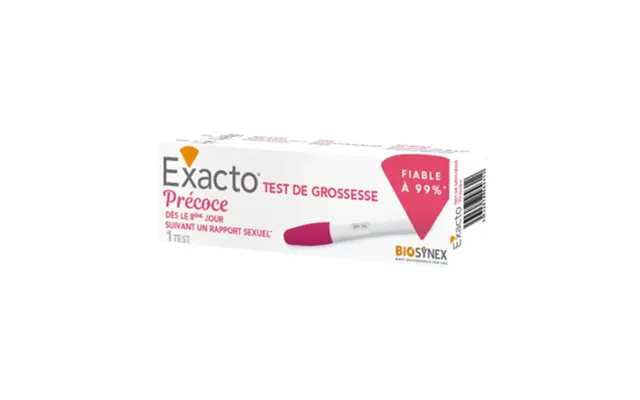
Home testing generates waste, but you can make lower-impact choices. Strips and cassettes have smaller plastic footprints than some midstream and digital options. That said, don’t compromise your needs—accuracy and clarity come first. For discretion, look for packaging that ships plain and consider compact formats that are easy to store. Buying online allows you to compare products quietly and plan ahead without last-minute runs.
Strips and cassettes reduce plastic, while reusable digital handles (with replaceable sticks) can offer a middle ground. If you’re testing often, consider less packaging and bulk packs. Just make sure any test you choose is within its expiration date and stored as directed, away from heat and moisture.
If you value privacy, opt for vendors that ship in unbranded packaging and look for compact test designs. Keep tests in a cool, dry spot that’s easy to access and away from curious eyes. Discreet, reliable, and ready when you are—that’s the goal.
Not every result is crystal clear. Faint lines, smudges, or evaporated marks can leave you scratching your head. The good news? A repeat test with a fresh sample—ideally first thing in the morning—often resolves the confusion. If you’re still unsure, switching to a digital test can give you the words you need to feel confident about next steps.
An evaporation line can appear if you read the test after the recommended time. These lines are usually colorless or grayish and don’t indicate pregnancy. Indent lines are manufacturing marks where a dye line would appear, but without real color. A true positive generally has some color, even if it’s faint. When in doubt, test again within the correct time window and consider a different test format for confirmation.
Home tests are an excellent first step, but they’re not the final word in every situation. Certain medications, fertility treatments, and medical conditions can affect hormone levels and influence results. If you’ve had a positive test or continue to get mixed results, contact a healthcare professional for guidance and next steps. Early care matters, and there’s no substitute for personalized advice when you need it most.
Some fertility medications contain hCG and may cause a temporary positive result, especially if you test too soon after treatment. Recent pregnancy, miscarriage, or certain health conditions can also influence outcomes. When your situation is complex, plan an appointment to discuss your testing timeline and any blood work or scans that might be appropriate.
Start with your priorities. Want an early read? Choose a high-sensitivity option and plan a follow-up. Want a simple “yes” or “no?” Digital is your friend. Watching your budget? Grab a multipack of strips or cassettes and keep a digital test for confirmation. Prefer fewer moving parts? Midstream tests strike a nice balance. With a little planning—and a quick comparison of features and prices—you can land on the perfect test without overspending.
- Look for multipacks if you expect to test more than once in a cycle.
- Pair a budget test for early days with a digital test for confirmation.
- Read reviews focused on clarity of results and ease of use.
- Check expiration dates and store tests in a cool, dry place.
- Compare sensitivity details and pick based on how early you want to test.
- Factor in the type of result you prefer: lines, symbols, or words.
Finding the best pregnancy test in the UK doesn’t have to be complicated. Decide how early you want to know, choose a format that suits your style (and budget), and compare deals to get more for your money. Whether you opt for digital clarity, early-detection precision, or budget-friendly bulk packs, today’s home tests offer reliable answers from the comfort of home. And remember: if you’re unsure or have a positive result, follow up with a healthcare professional. Clarity today helps you plan tomorrow with confidence.
| Pregnancy Tests | Price | |
|---|---|---|
| Pregnancy Test Baby Top - Strip 2 Pcs | £ 3,10 | |
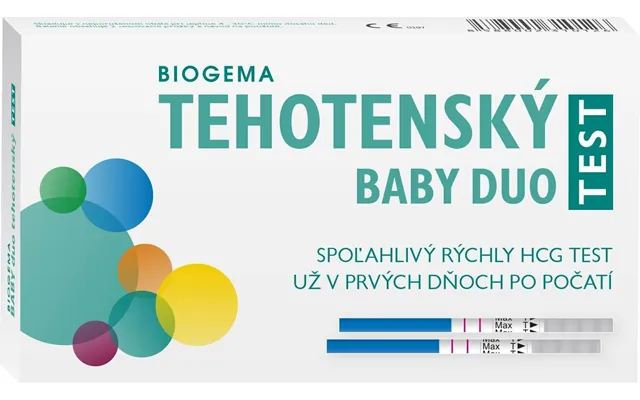
| Biogema Baby Test Duo Pregnancy Test 2 Pcs | £ 3,70 | |
| Pregnancy Test Baby Top - Stick 2 Pcs | £ 4,20 | |
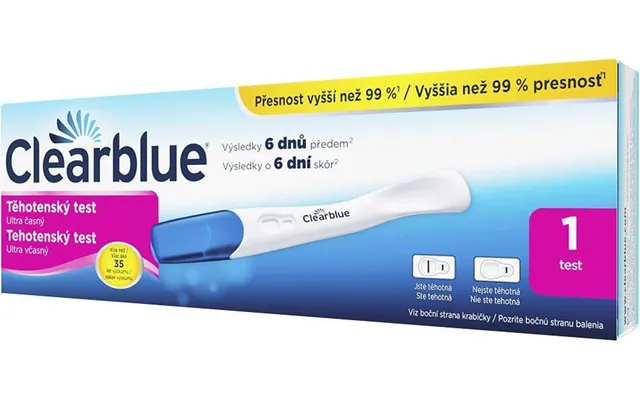
| Clearblue Plus Analog Pregnancy Test 1u | £ 4,80 | |
| Clearblue Early Analog Pregnancy Test 1 Pc | £ 5,- | |
| Clearblue Ultra Early Pregnancy Test | £ 5,30 | |
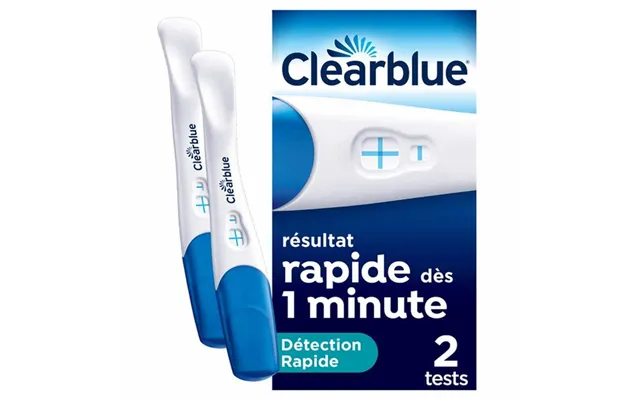
| Clearblue Pregnancy Test Rapid Detection 2 Tests | £ 9,80 | |
| Biogema Ovulation Test 20 Pcs | £ 11,30 | |
| Self-diagnostic Pregnancy Test | £ 17,- | |
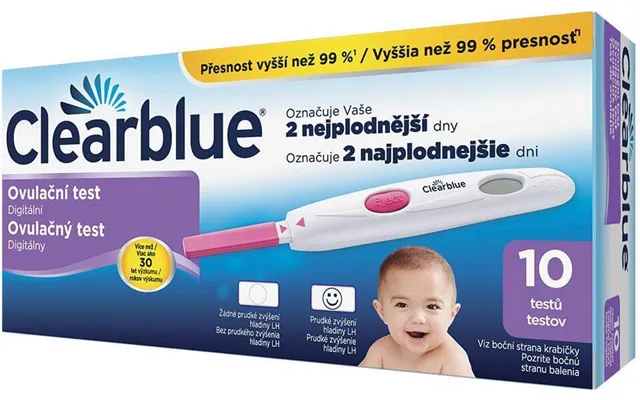
| Clearblue Ovulation Test - Digital 10 Pcs | £ 26,50 |