
Urinary Tract Infection Tests price list
Last updated Thursday, Sep 17, 2026





View 18 Offers



Loading...
Last updated Thursday, Sep 17, 2026
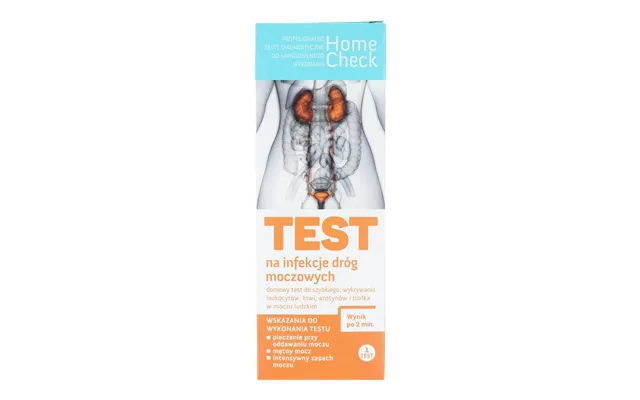
If you’ve ever felt that unmistakable burn when you pee, you know how fast a urinary tract infection can derail your day. The good news? At-home UTI test kits make it quick and easy to check for common infection markers without leaving your bathroom. They’re affordable, discreet, and ideal for monitoring symptoms before you speak with a GP. On trusted comparison platforms in the UK, you can line up brands, features, and prices side-by-side, so you’re not guessing which kit suits you best.
Think of a UTI like a smoke alarm going off in your bladder. Classic signs include burning or stinging during urination, needing to pee frequently (even when little comes out), cloudy or foul-smelling urine, pelvic pressure, and sometimes blood in the urine. You might also feel lower back discomfort or mild fever. If those alarms start ringing, an at-home test can quickly check for telltale clues—then you can decide whether to call your GP or monitor at home for a day while hydrating and resting.
Most UTI test kits use color-changing dipsticks that react to bacteria-related byproducts and inflammation markers in your urine. You’ll either dip a strip into a fresh sample or hold it in your urine stream mid-flow. After a short wait—typically 1 to 2 minutes—you compare the strip’s pads to the included color chart. The goal is to detect possible infection quickly, so you can take next steps faster instead of waiting and wondering.
Three pads matter most for a UTI: leukocytes, nitrites, and blood. Leukocytes (white blood cells) suggest your body is fighting something in the urinary tract. Nitrites indicate certain bacteria have been hanging out long enough to convert nitrates to nitrites—classic UTI behavior. Blood can show up as irritation or inflammation in the urinary lining. A positive nitrite result plus leukocytes is highly suggestive of a UTI, though only a GP can diagnose and prescribe antibiotics if needed.
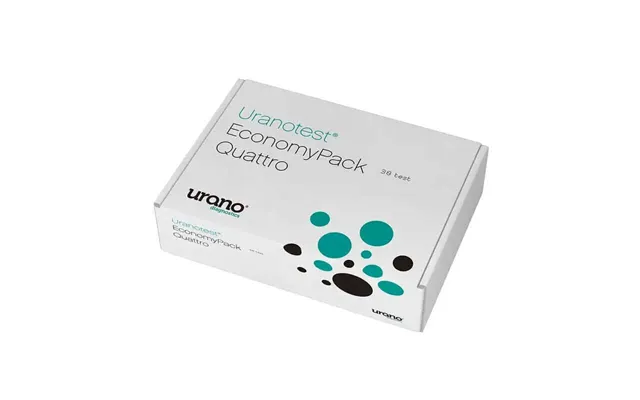
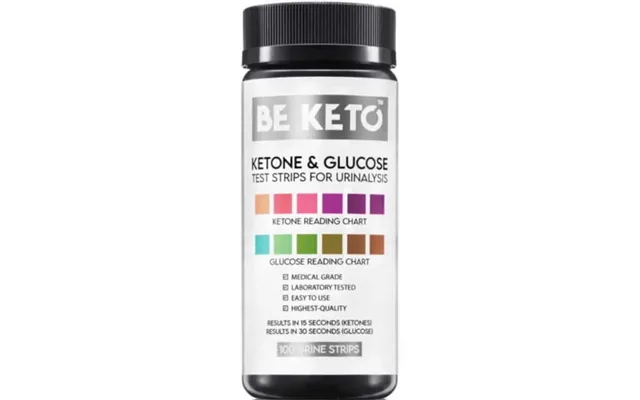
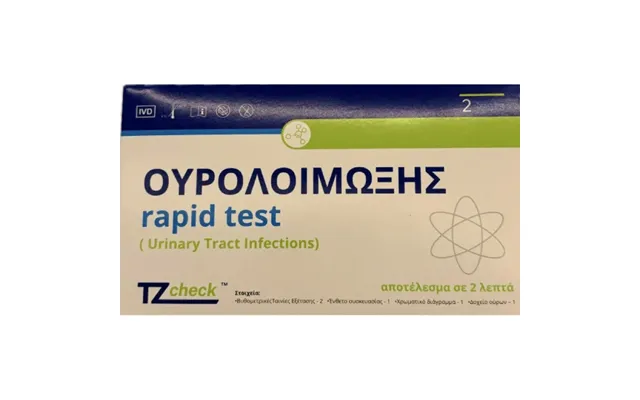
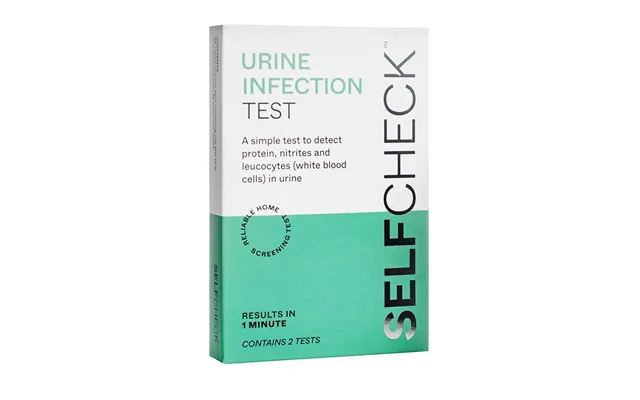
You’ll find a range of UTI tests across UK retailers and comparison sites: single-use strips for one-off checks, multi-test bundles for ongoing monitoring, and premium kits with sterile cups and detailed instructions. Some bundles combine UTI strips with related health tests, so you can keep an eye on other parameters too. Prices vary by brand, number of strips, and extras like collection cups or app guidance.
Simple, budget-friendly strips typically include the big three pads (leukocytes, nitrites, blood). Multi-parameter strips may also include pH and protein, which can help you spot changes that deserve attention, especially if you’re managing recurring UTIs. If you’re prone to repeat infections, multi-packs with 5 to 25 strips are cost-effective and let you re-check after treatment or hydration. For occasional users, single-test kits are convenient and straightforward.
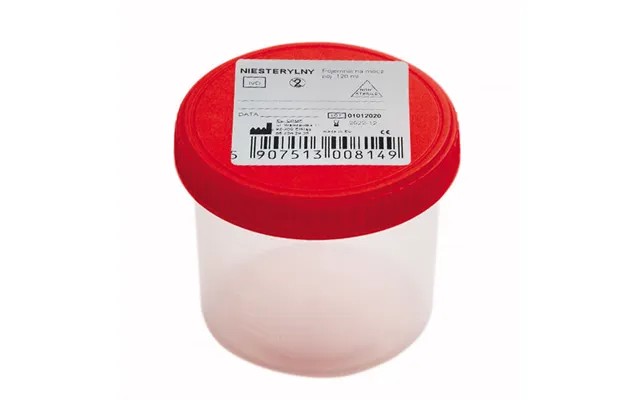
Some kits include sterile collection cups and wipes to help you get a clean midstream sample—fewer contaminants mean fewer false alarms. If you’re testing at home for the first time, a cup-included kit can be reassuring. Look for clear instructions, easy-to-read charts, and individually sealed strips. A good rule of thumb is to collect about 2 to 3 oz of urine midstream, then dip the strip for the time specified in the instructions.
A few modern kits offer app guidance or color-reading helpers that try to standardize results under consistent lighting. These can reduce guesswork if you’ve struggled to match colors in the past. While not strictly necessary, they’re handy if you want to track symptoms over time or share a log with your healthcare provider. Just remember: the test is a screening tool, not a diagnosis—your GP’s advice always wins.
UTI test strips are impressively sensitive, but no home test is perfect. Nitrites can miss bacteria that don’t produce them, and leukocytes may appear for reasons other than infection. Dehydration, medications, and even vitamin C can skew results. That’s why it’s smart to pair a test result with your symptoms. A positive test plus classic symptoms is a strong signal to call your GP. A negative test with persistent symptoms? That’s worth checking professionally, too.
Some signs shouldn’t wait. Severe lower back pain, fever, chills, persistent vomiting, confusion in older adults, or signs of a kidney infection are reasons to seek urgent medical help. Pregnant individuals should call their GP promptly if a UTI is suspected. Likewise, children and men with UTI symptoms warrant quicker medical review. When in doubt, err on the side of caution—it’s your health.
Using a UTI kit is as simple as wash, collect, dip, and read. First, wash your hands and, if included, use a cleansing wipe. Start peeing, then move the strip or sterile cup into the midstream to catch a cleaner sample. Dip only the test pads—keep the rest of the strip dry—then lay it flat. Time it as directed (usually about a minute). Finally, compare the strip to the color chart under good light. Take a photo for your records so you can track changes later.
Midstream means you let the first bit of urine go into the toilet, then collect the next part—this helps lower contamination from skin bacteria. If your kit includes a cup, aim for clean midstream urine. If you’re using the strip in the flow, keep the pads facing downward and avoid splashing the handle. Try to use the sample within a few minutes. If that’s not possible, cover the cup and test promptly for best accuracy.
Read at the time window on the instructions—don’t wait too long, or colors can drift. Compare each pad to its matching line on the chart. If nitrites and leukocytes both show positive, that’s a strong hint at a bacterial UTI. A slight color shift can be tricky; natural light helps. Some brands include a control pad, but if anything looks off (smudged pads, discolored strip before testing), use a fresh strip from the pack.
If you’ve had recurrent UTIs, you know timing matters. Having test strips in your cabinet lets you check quickly and decide whether to hydrate and monitor or call your GP. They’re also useful for carers supporting older adults who may have atypical symptoms. Travelers appreciate them for peace of mind on the go. And for anyone who’d rather not guess, a kit puts you in the driver’s seat for early checks.
Frequent UTIs deserve a prevention plan with your GP, and kits can help you monitor between visits. During pregnancy, UTIs can be more serious—don’t delay professional advice if you suspect one. Men get UTIs less often, but when symptoms appear—burning, urgency, discomfort—it’s smart to test and seek medical evaluation, since UTIs in men can stem from different underlying issues that need tailored care.
Prices range widely based on brand reputation, strip count, and extras like sterile cups or app support. On a trusted comparison site such as ZoneOffer, you can scan deals from multiple sellers in one place, compare per-test cost, and spot bundle savings without hopping across dozens of listings. That transparency helps you match your budget to the features you need—no more paying premium prices for basics you won’t use.
Focus on clarity and quality. Look for individually wrapped strips (better shelf life), a detailed color chart, clear timing instructions, and a reasonable expiry date far in the future. If you’re testing regularly, multi-pack bundles can drop the per-strip price significantly. Check for extras: sterile cups, wipes, and symptom diaries are practical add-ons. And peek at user feedback for notes on readability, accuracy, and consistency across batches.
UTI test kits are just one piece of the home-health puzzle. If you’re tracking urinary or reproductive health, complementary tests can fill in the picture. The goal is not to turn your bathroom into a lab, but to have the right tools handy when life throws curveballs. A thoughtful mix of tests helps you rule out other causes and have a more informed chat with your GP.
Why consider related tests? Early pregnancy can mimic UTI symptoms for some people, so a pregnancy test can clarify. Ovulation tests are useful if you’re timing fertility and want to avoid confusion with cyclical urinary changes. Kidney function test strips (checking protein, for example) can surface patterns to discuss with your GP if UTIs are persistent. STI tests matter too—some infections can resemble UTIs. Keeping a small toolkit at home makes it easier to triangulate what’s going on.
Prevention isn’t glamorous, but it works. Hydrate consistently so urine stays pale yellow; that helps flush the urinary tract. Don’t hold it for long stretches. After sex, peeing soon after may help reduce bacteria moving up the urethra. Choose breathable underwear, and avoid harsh perfumed products in the genital area. If you’re prone to UTIs, talk to your GP about tailored strategies—sometimes a small tweak makes a big difference.
Many people use D‑mannose or cranberry as part of a prevention plan. Evidence varies, but some find they help reduce recurrence when combined with hydration and good habits. Probiotics may also support a balanced urinary and vaginal microbiome. Always review supplements with your GP, especially if you’re pregnant, on medication, or have underlying conditions. Think of these as teammates, not miracle workers—use them wisely, and keep testing if symptoms pop up.
Your test is only as good as its storage. Keep strips sealed and dry, at room temperature—ideally around 59 to 86°F—away from bathroom steam and direct sunlight. Don’t touch the pads before testing. Once opened, use strips before their expiry date, and toss any that look discolored or damaged. After testing, wrap the used strip in tissue and bin it. It’s simple housekeeping that protects accuracy and hygiene.
Think of your strip pack like a fresh loaf—exposure to air and moisture shortens its life. Open one foil at a time, reseal containers promptly, and avoid storing them on a windowsill or near heating vents. If you’re testing frequently, label the outer box with the date you first opened it. And one last tip: read the color chart under natural light whenever possible; it’s a small tweak that makes results easier to interpret.
At-home UTI test kits put control back in your hands. They’re fast, affordable, and remarkably informative when paired with your symptoms. Use them to check early, retest after hydration or treatment, and stay on top of recurring issues. Compare brands and bundles for value, choose features that fit your routine, and follow the instructions to the letter. Most importantly, let results guide a conversation with your GP—not replace it. This article is informational and not a substitute for professional medical advice. When you combine smart testing with everyday prevention, you’ll spend less time guessing and more time feeling good.