

Specimen Cups price list
Last updated Monday, 19 Oct 2026




View 26 Offers


Loading...
Last updated Monday, 19 Oct 2026
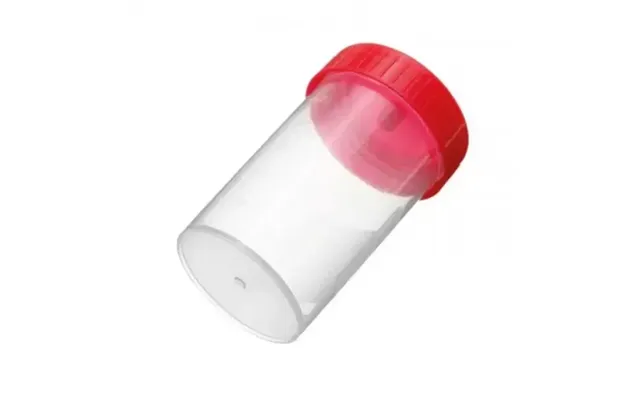
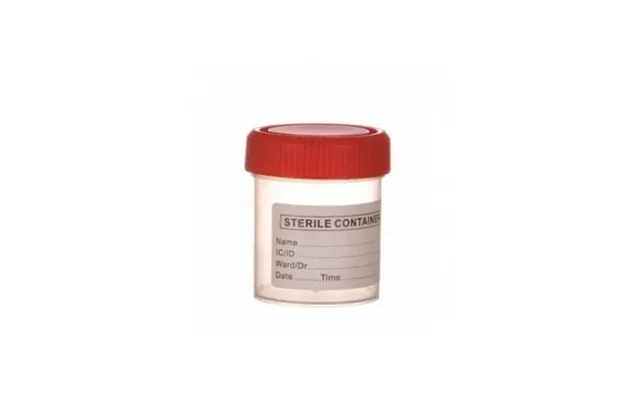
Specimen cups sound simple, right? They’re small plastic containers with secure lids, used to collect and transport biological samples like urine, saliva, sputum, or stool for analysis. But the moment you need one—whether at a clinic, workplace screening, school, or at home—you realize there’s more to them than meets the eye. Capacity, sterility, lid style, temperature strips, tamper-evident seals—each feature serves a real purpose. Choosing correctly means fewer leaks, fewer repeat visits, and more reliable results. In the UK, where healthcare settings juggle compliance and efficiency, getting the right cup at the right price is a quiet, everyday win. And because these are disposable medical items, finding deals without sacrificing quality matters just as much as picking the right specification.
You’ll see specimen cups in urinalysis, pregnancy testing, drug screening, microbiology culture collection, and routine health checks. Need a simple morning urine sample? A standard sterilized cup with a screw cap is the go-to. Managing workplace or school testing? Tamper-evident cups help ensure chain of custody. Handling home health monitoring for an older adult? Easy-to-read graduations, clear labeling panels, and secure lids reduce stress and mess. Each use case benefits from thoughtful design choices that prevent spills, maintain sample integrity, and make handling less of a hassle.
Hospitals, GP practices, diagnostic labs, occupational health providers, sports organizations, schools, and home caregivers all rely on specimen cups. Even wellness enthusiasts may keep a small stock for intermittent testing and monitoring. If you’re a buyer for a clinic, bulk pricing is top of mind; if you’re a parent or caregiver, convenience and cleanliness come first. Either way, the right cup makes life easier.
Specimen cups are not one-size-fits-all. The market ranges from basic, non-sterile containers for non-critical tasks to premium, sterile, tamper-evident cups fitted with temperature strips and labeling panels. Think of it like choosing the right tool for a job—yes, a simple cup can work, but a purpose-built container often saves time and trouble.
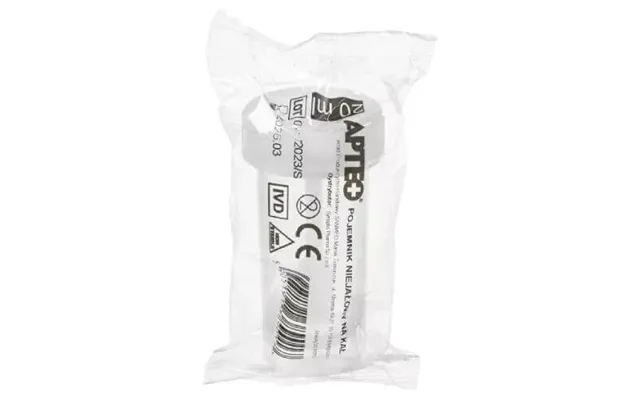
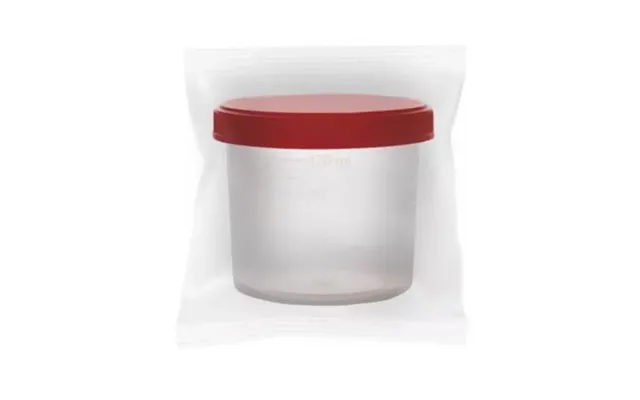
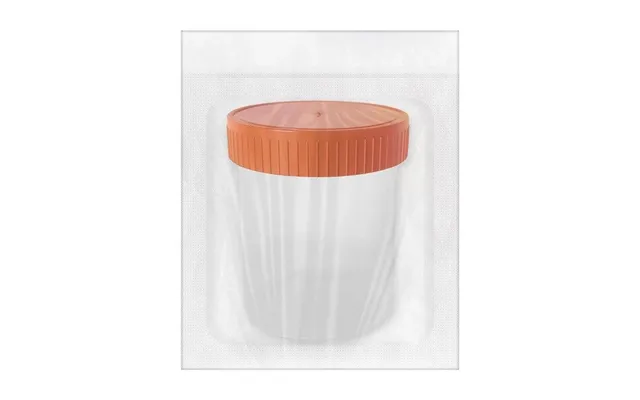
Sterile cups are essential when the sample’s purity can influence the result—like microbiology cultures or certain diagnostic tests. Non-sterile cups may be fine for low-risk purposes or where sterility isn’t critical. If in doubt, go sterile; it adds a layer of protection with minimal downside. Just remember that sterile packaging should remain sealed until use.
Screw-top lids are the reliability champions—less likely to leak and better for transport. Snap-top lids can be quick and convenient for immediate on-site analysis but may be riskier in a backpack or courier pouch. If the sample leaves the room, a screw-top is usually the safer bet.
Tamper-evident seals, locking lids, and security bands help maintain integrity in workplace testing, sports compliance, or any scenario where chain of custody matters. If an audit trail or verification process is part of your workflow, tamper-evident cups are your ally.
Picking the right capacity avoids overfilling, underfilling, and messy do-overs. Most urine tests need only a small amount, but having a bit of headspace prevents spills and allows for multiple assays. Capacity also affects storage—larger cups take up more room in drawers and transport bags.
Common capacities include around 2 fl oz for minimal samples, 3–4 fl oz for standard urinalysis, and 5–6 fl oz for multi-test workflows or when additional headspace is preferred. If you regularly split samples for several tests, leaning toward 4–6 fl oz is practical. For quick point-of-care tasks, a compact 2–3 fl oz cup can be more than enough.
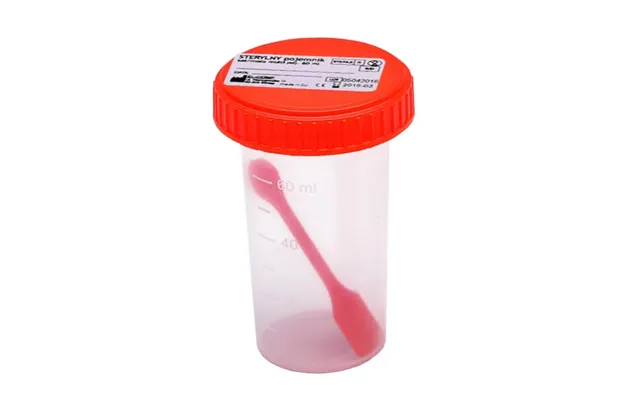
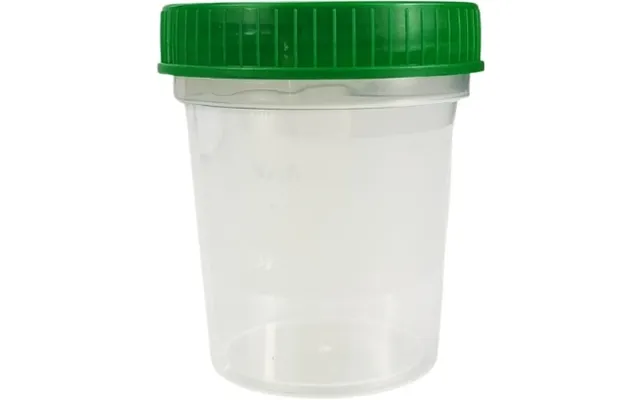
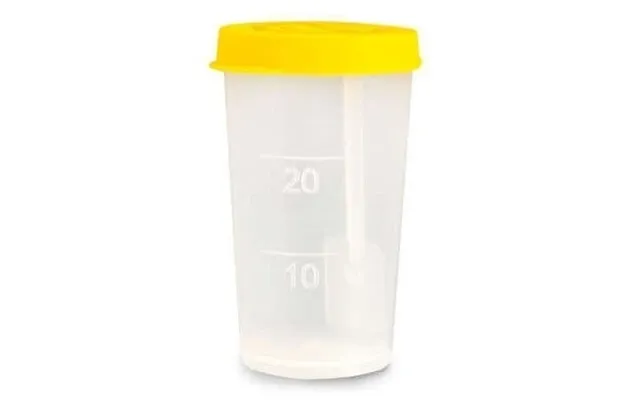
Many cups include marked fill lines to guide the user—helpful when you need “just enough” without risking overflow. A little headspace (even half an inch) cuts down on spills during capping and transport. If you’re sending samples to a lab, follow the indicated fill mark to avoid delays or requests for recollection.
The plastic you choose affects clarity, toughness, and heat tolerance. Two materials dominate: polypropylene and polystyrene. The difference is more than jargon—it can impact handling and test reliability.
Polypropylene is the workhorse—durable, less brittle, and typically better at handling temperature changes. Polystyrene is very clear, which is handy for visual checks, but it can be more fragile. For transport and general-purpose use, polypropylene often wins. For immediate visual evaluation where clarity is king, polystyrene can shine—provided you handle it with care.
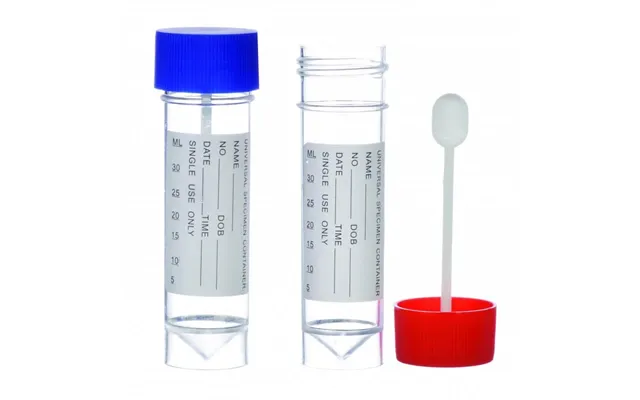
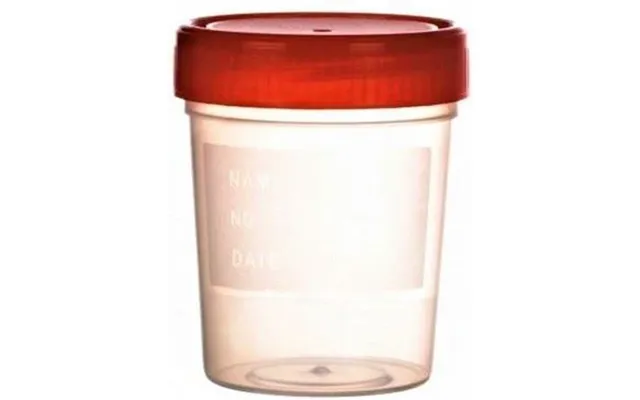
Accurate printed graduations help measure volume on the spot, and a matte labeling panel prevents ink from smudging. If you’ve ever tried to write on slick plastic with a marker, you know the struggle—choose cups with writable panels wherever possible. Opt for clear or translucent walls if you need quick visual checks; opaque options can hinder on-the-fly assessments.
Drug screening adds layers of verification to the humble specimen cup. Temperature strips, tamper seals, and integrated tests play a huge role in ensuring valid, interpretable results. Meanwhile, routine urinalysis benefits from cups designed for clean collection and easy transfer.
A built-in temperature strip verifies sample temperature within a short window after collection—an important deterrent against sample substitution. For compliance-heavy environments, a temperature strip is practically non-negotiable. It’s a quick visual cue that helps maintain trust in the process.
Some cups incorporate dip test panels, turning the container into a mini test device. These are convenient for on-site screening, providing immediate results. Standard cups without panels are more flexible, especially if you send samples to a lab or run multiple tests across different instruments. Choose integrated panels for speed, or standard cups for versatility.
Good technique equals good results. Proper handling reduces contamination, prevents spills, and protects both the collector and the patient. A few basics go a long way, and they’re easier to follow when your supplies are thoughtfully chosen.
Open sterile packaging only when ready to collect, and avoid touching the inside of the cup or lid. After collection, seal the lid firmly—hand-tight is typically enough with screw caps. Store filled cups upright wherever possible, and avoid extreme heat. If you’re storing unused cups, keep them clean, dry, and in their original packaging to preserve sterility and integrity.
Transporting specimens? Use leak-resistant, zip-seal biohazard transport bags with a separate pouch for paperwork to prevent cross-contamination. For courier runs, choose robust bags and secondary containment. A well-made specimen bag acts like a seatbelt—it’s not flashy, but it’s invaluable when something unexpected happens.
How many cups do you actually need? Clinics, labs, and occupational health providers burn through stock quickly, making bulk buys attractive. Home users and small teams may prefer smaller packs to avoid clutter. There’s a balance between price-per-cup and storage sanity.
Bulk cases almost always drop the per-cup cost, sometimes dramatically. But consider waste: buying more than you’ll use doesn’t save money if cups sit for ages. For recurring needs, bulk wins. For occasional use, a mid-size pack might be the sweet spot. A quick spreadsheet can reveal the real savings versus your usage rate.
While plastic cups don’t “expire” in the traditional sense, adhesives on labels and tamper bands can degrade over time, and cartons can warp in damp storage. If you’re short on shelf space, choose stackable designs with compact lids. Keep boxes off the floor and away from heat sources to maintain packaging integrity.
Prices can vary widely across retailers and brands, especially when deals pop up. That’s where price comparison platforms such as ZoneOffer come in handy—they help you scan offers across the UK and spot genuine savings fast. Since specimen cups are a recurring purchase for many buyers, even small per-cup savings add up over the year. Look for clearly specified features—capacity in fl oz, sterile/non-sterile, lid type, temperature strip, tamper seal—to compare like for like.
Watch for seasonal promotions and clearance deals when packaging or branding changes. End-of-quarter sales can also mean better bulk pricing. If your usage is predictable, time your orders around these windows and save without compromising on quality.
Brand-name cups can offer consistent quality control, while generics can deliver strong value. The real trick? Check certifications, user reviews, and detailed specs. If a generic offers polypropylene construction, screw-top sealing, readable graduations, and tamper-evident options, it might rival premium picks at a lower price.
A specimen cup is just one part of the collection workflow. The right accessories make collection, labeling, and transport smoother and safer, especially when multiple steps are involved.
Use dedicated biohazard transport bags with document pouches to keep forms dry and legible. Pre-printed labels with patient info fields reduce handwriting errors and improve traceability. Waterproof or smudge-resistant markers are worth their weight in gold when speed matters.
Consider disposable gloves, antiseptic wipes, funnel adapters, and collection hats (for toilet-based collection). These small helpers cut mess, improve confidence, and keep the process more dignified—especially for home users or those with mobility challenges.
If you’re unsure where to start, match cup features to your environment and workflow. A little forethought now prevents headaches later. Think: who’s collecting, where the sample goes next, and what could go wrong in between.
Prioritize sterile, screw-top polypropylene cups with clear graduations and matte label panels. For chain-of-custody workflows, choose tamper-evident lids and consider temperature strips. If you split samples, pick 4–6 fl oz capacities with robust sealing and stackable lids for efficient storage.
Consistency and integrity rules the day. Go for tamper-evident designs with temperature strips and clear labeling space. Bulk packs save cost and ensure uniformity across test events. If on-site screening is frequent, consider cups with integrated dip panels for quick reads.
Ease and cleanliness matter most. Look for user-friendly lids, readable markings, and cups that stand stable on flat surfaces. If samples travel to a lab, use screw-top lids and biohazard bags. A smaller 3–4 fl oz cup often balances convenience and headspace for safe capping.
Single-use plastics aren’t ideal for the environment, but when safety is on the line, they’re often necessary. You can still be mindful: buy only what you need, choose sturdy cups that won’t require recollection, and keep an eye on evolving recyclable options from reputable brands. Always follow local guidance for disposal of biohazardous materials.
Match capacity to typical volumes to avoid half-filled oversized cups. Use clear labeling to prevent mix-ups. For training, practice with non-sterile cups so sterile ones aren’t wasted. The less you repeat, the less you throw away.
Even with great supplies, hiccups happen. The key is recognizing issues early and having a go-to fix. Most problems—leaks, label smudges, and confusing temperature reads—are preventable with a few tweaks.
If leaks occur, switch to screw-top lids and double-check torque—hand-tight should be sufficient. Persistent odor issues during transport often trace back to inadequate secondary containment; upgrade your biohazard bags. For smudgy labels, pick cups with matte panels and use waterproof markers or dedicated lab labels.
Temperature strips need a timely read to be valid. If readings are inconsistent, review the collection timing and ensure the strip is fully in contact with the sample. Extreme ambient temperatures can also skew perception; try to read in a stable room environment when possible.
The perfect specimen cup is the one that quietly prevents problems. Choose sturdy materials, the right capacity, reliable lids, and the features your workflow genuinely needs. Keep accessories handy, label clearly, and transport safely—then let the process run on autopilot.
- Capacity: 3–4 fl oz for standard use; 5–6 fl oz for multiple tests or added headspace. - Sterility: Sterile for clinical tests; non-sterile only when appropriate. - Lid: Screw-top for transport; tamper-evident when chain of custody matters. - Material: Polypropylene for durability; polystyrene for high clarity. - Features: Graduations, matte label panel, temperature strip if needed. - Accessories: Biohazard transport bags, labels, gloves, wipes, markers. - Value: Compare offers via a UK price comparison platform to find genuine savings.
Specimen cups may be small, but the right choice has a big impact on accuracy, hygiene, and cost. Whether you’re running a clinic, coordinating workplace testing, or collecting at home, match cup features to your needs: capacity in fl oz, screw-top sealing, sterile packaging, tamper-evidence, and temperature verification when required. Compare offers across the UK using a trusted comparison platform to spot real value, and don’t forget the accessories that keep everything clean and secure. Do that, and collecting, labeling, and transporting specimens becomes one less thing to worry about—reliable, repeatable, and refreshingly hassle-free.