All categories
Business & Offices
Electronics & Media
Fashion & Accessories
Groceries & Essentials
Health & Personal Care
Home & Living
Kids & Family
Sports & Outdoors
Search in ZoneOffer

Loading...
Hunting for dependable surgical lubricants without stretching your budget? You’re in the right place. This in-depth guide brings together everything you need to choose the right sterile lubricating jelly and related clinical lubes—plus smart ways to compare prices and spot popular offers fast. Whether you manage a clinic, stock a hospital ward, or handle procurement for a care provider, understanding the differences between single-use sachets, multi-use tubes, and high-viscosity formulas can make your day simpler and your patients more comfortable. Ready to streamline your shortlist and find great value? Let’s dive into what matters most.
Surgical lubricants are sterile, medical-grade gels designed to reduce friction during procedures like catheterization, speculum exams, rectal exams, endoscopy, and more. They’re typically water-based for easy cleanup and broad device compatibility. The best products spread smoothly, cling where needed, and stay put under gloves or on devices. They also avoid perfumes and dyes that can irritate skin or mucosa. In short, the right lubricant helps clinicians work efficiently while keeping patients more at ease. That’s why the quality, sterility, and packaging format you choose can make a noticeable difference every single day.
For clinical use, water-based lubricants dominate—for good reason. They’re compatible with most devices, easy to rinse, and generally gentle on tissues. Silicone-based lubes can provide longer-lasting slip, but they’re less common in surgical and diagnostic settings because they may interact differently with certain materials and can be tougher to clean off equipment. If you’re stocking for procedures, water-based, sterile lubricating jelly is the go-to choice. It behaves predictably, won’t gum up instruments when used properly, and keeps workflow smooth from prep to cleanup.
Quality in a surgical lubricant isn’t just “nice to have.” It’s central to patient safety, clinician confidence, and regulatory compliance. A top-tier gel maintains consistency from the first application to the last, doesn’t dry too quickly under light, and delivers reliable slip without becoming runny. High-grade, sterile options also help reduce contamination risk when proper aseptic technique is followed. When every second counts, you want a lubricant that does its job without calling attention to itself—no clumps, no mess, and no guesswork.
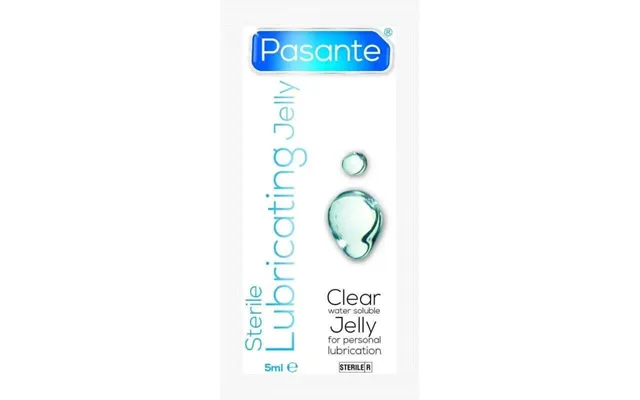
Sterile, single-use sachets are a favorite across busy clinics. Pop open a foil pack, apply, and discard—simple, hygienic, efficient. Single-use helps minimize cross-contamination risk when clinicians deploy correct protocols. Need to lubricate catheters or specula quickly across a full day of appointments? Single-dose packs let you move fast while keeping handling to a minimum. Multi-use tubes can also be safe if used with strict technique, but single-use sachets are hard to beat for speed and sterility at the point of care.
Viscosity impacts everything—how easily a gel spreads, how well it stays put, and how comfortable it feels. A thinner gel spreads faster and may be ideal for quick coating of devices. A thicker gel clings longer, which can help during prolonged procedures or where precise placement matters. Many buyers keep both on hand: a medium viscosity for routine tasks and a thicker option when extra staying power is needed. The goal is predictable handling that suits your workflow and your patients’ comfort.
Looking over a price list or “popular offers” section, you’ll typically find three standouts: single-use sterile packs, multi-use tubes for routine applications, and larger containers for high-volume settings. You may also notice specialty formulations that are additive-free, designed for sensitive patients, or optimized for device compatibility. Value bundles, case counts, and mixed-size packs (for example, a blend of sachets and tubes) often appear in roundups because they give clinics flexibility without overcommitting to one format.
Single-use packs are clinic workhorses. With sizes often around 0.1 oz per sachet, they’re compact, portable, and ready for immediate application. Because each packet is sealed, they’re ideal for busy wards and mobile care teams. They reduce waste from over-pouring and minimize the need to manage caps and nozzles. If your staff moves from room to room all day, small packs keep things simple—no guessing how much is left in a tube, no scrambling for applicators, just consistent performance on demand.
When your workflow calls for repeated applications in one session, multi-use tubes—usually in the 2 oz to 5 oz range—can be cost-effective and convenient. Some teams also keep larger containers, like 14 oz or 16 oz sizes, for treatment rooms handling high patient volume. The key with multi-use is disciplined technique: keep the nozzle clean, recap promptly, and follow the product’s instructions for safe reuse. For storage, ensure temperatures stay within the range recommended by the manufacturer, often around typical room conditions.
If your patient base includes individuals with sensitivities, look for lubricants that are fragrance-free, dye-free, and glycerin-free. Additive-free gels keep formulas simple, which many clinicians appreciate for routine procedures. Some buyers also seek products labeled as hypoallergenic or vegan-friendly. While those labels aren’t a guarantee of suitability for every patient, they can be a helpful starting point when building a formulary that prioritizes comfort and broad tolerance.
Pricing varies by format, viscosity, sterility, and brand—but there are patterns. Single-use packs tend to cost more per ounce but save time and reduce waste. Multi-use tubes often deliver lower per-ounce costs, especially when purchased by the case. Larger containers can be the best value for high throughput. Watch out for seasonal promotions, case discounts, and mixed-pack offers that balance convenience with cost. When you compare options side by side, factor in how much you actually use per procedure—your true cost per session may surprise you.
Start with your use cases. Are you primarily lubricating catheters, using specula for pelvic exams, or handling endoscopic devices? Match viscosity to the task, pick sterile formats where needed, and choose packaging that supports your clinical flow. Consider whether you need additive-free formulas, latex-safe compatibility, or options that won’t cloud imaging equipment. Then compare price by the ounce, not just by the pack, so you’re clear on long-term value. The winning product should make your work smoother while keeping inventory simple to manage.
Catheterization benefits from smooth, medium-to-thick gels that stay where you put them. Many teams prefer single-use sterile sachets to speed up prep and support aseptic technique. If you prefer tubes, make sure the nozzle design allows precise placement to avoid over-application. A gel that doesn’t sting, spreads predictably, and offers steady slip helps both clinician and patient. Keep a consistent choice on the cart so staff can work from muscle memory, then monitor feedback to adjust viscosity if needed.
Speculum exams call for a lube that’s gentle, unscented, and easy to clean. Thin-to-medium options often feel most comfortable and won’t leave residue on instruments. Single-use sachets are popular for quick prep and consistent dose control; tubes work too if you prefer a squeeze-and-apply approach with applicator swabs. Because patient comfort is paramount, additive-free formulas can be a smart default. A little goes a long way—so choose a gel that spreads evenly without becoming watery.
Endoscopic procedures often require lubricants that balance cling with clarity. You want a gel that stays in place without obscuring visibility or complicating cleanup. Medium viscosity is a common pick, though some teams keep a thicker back-up for devices that need extra staying power. Ensure the lubricant is compatible with your equipment and materials. Consistency matters here: a predictable gel keeps your pacing steady and reduces the risk of reapplying mid-procedure.
Packaging impacts both safety and efficiency. Single-use sachets reduce handling and simplify stock rotation. Tubes and larger containers shine in rooms with steady throughput. Whatever you choose, store products per the label—room temperatures around 59°F to 86°F are typical, away from direct sunlight and excessive humidity. Track expiry dates and rotate stock so older items get used first. If your team works across multiple rooms, keep a tidy, labeled caddy with sachets or tubes to prevent over-opening and unnecessary waste.
Want to stretch your budget? Compare per-ounce pricing, not just per-pack costs. Consider case quantities for popular formats and keep a small reserve of alternative viscosities for special cases. Watch for seasonal promotions and bundle deals that include disposable gloves or applicators. If your team uses a mix of sachets and tubes, build a two-tier strategy: single-use for sterile, quick-fire tasks and tubes for repetitive applications. And always read product details carefully so you’re confident about sterility, ingredients, and compatibility.
Case packs can deliver outstanding value when you’ve confirmed usage patterns. Bundles that combine single-use sachets with mid-size tubes offer flexibility—great for clinics that switch between quick exams and longer procedures. Mixed-size packs also make trialing easier: start with a built-in variety, gather staff feedback, then standardize on the formats that perform best for your workflows. The more clearly you know your monthly usage, the more accurately you can target the best per-ounce price.

Subscriptions may keep you from running short, while bulk purchases can slash per-ounce costs. The best approach depends on your storage capacity, cash flow, and predictability of demand. If usage is steady, a subscription can smooth out supply. If your demand spikes seasonally or by clinic, bulk up ahead of busy periods and keep a lean buffer otherwise. Either way, set simple reorder triggers and review your stock levels monthly to avoid last-minute scrambles.
Comparison platforms help you scan popular offers quickly, view a clear price list, and weigh formats side by side. Instead of hopping between websites, you can filter by packaging, viscosity, sterility, and price, and then click through to purchase from the retailer you prefer. This approach speeds up shortlisting, helps you catch limited-time deals, and reduces overspending caused by incomplete information. With a few filters and a quick scan, you’ll spot the best-value surgical lubricants for your precise needs.
Safety starts with choosing sterile, medical-grade products and following each item’s instructions for use. Look for clear labeling, device compatibility statements, and regulatory marks relevant to the UK market. Ensure the lubricant is suitable with your gloves and instruments—especially if you’re using specialty materials. Keep procedures consistent across teams: the same viscosity by default, the same packaging formats, and clearly labeled storage. This reduces errors, simplifies training, and gives patients a reliably comfortable experience.
Beyond performance and price, consider the experience. Fragrance-free, dye-free gels keep the focus on comfort. Packaging that tears cleanly and dispenses smoothly saves time and reduces mess. If sustainability matters to your organization, look for minimal packaging or recyclable components where available. While single-use sachets are convenient, pair them with responsible waste practices. Ultimately, a patient-first approach—smooth application, gentle feel, easy cleanup—will guide you to the lubricants your clinicians trust every day.
When you boil it down, great surgical lubricants do three things well: they glide smoothly, they stay where you need them, and they support safe, efficient care. Start with your procedures, pick viscosity and packaging to match, and compare price by the ounce so you don’t miss hidden value. Single-use sachets excel at speed and sterility; tubes and larger containers shine in high-throughput rooms. With a smart comparison approach and clear standards, you’ll stock the right products, spend wisely, and deliver consistently comfortable care.
| Surgical Lubricants | Price | |
|---|---|---|
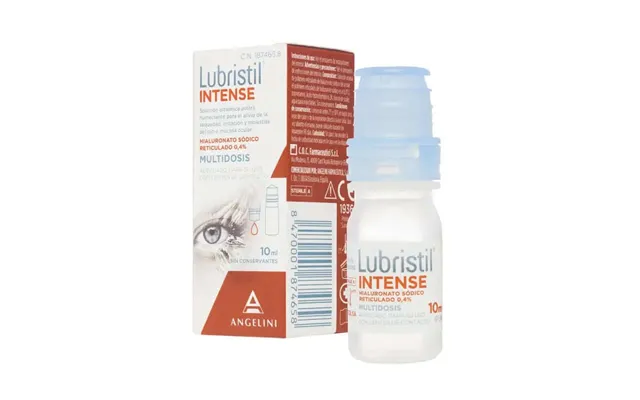
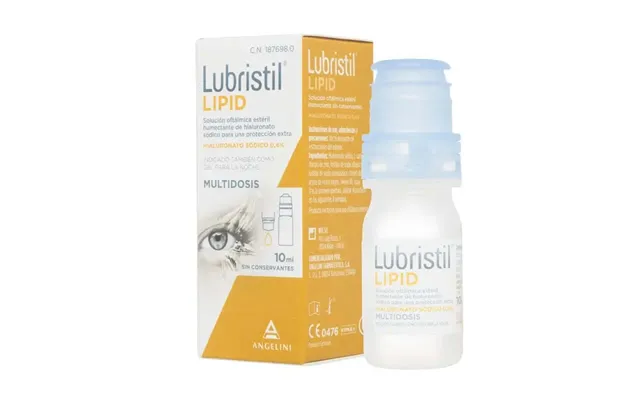
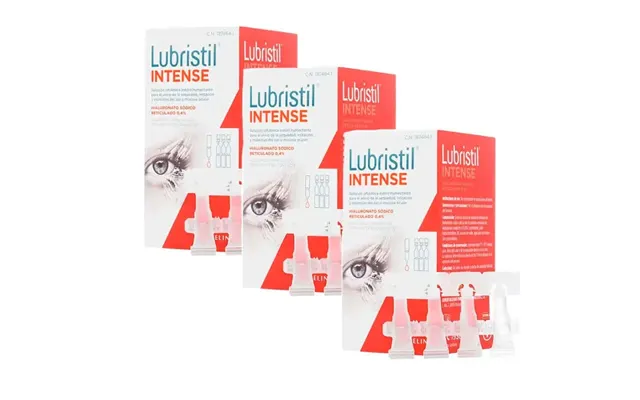
| Lubristil Intense Multidose - 10 Ml | £ 16,20 | |
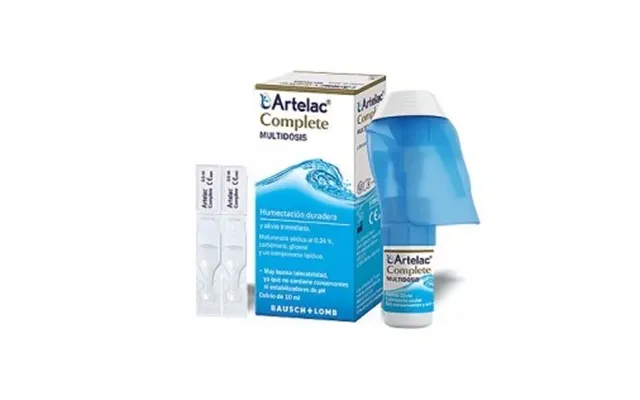
| Artelac Complete Multidose Ocular Lubricant - 10ml | £ 16,40 |