All categories
Business & Offices
Electronics & Media
Fashion & Accessories
Groceries & Essentials
Health & Personal Care
Home & Living
Kids & Family
Sports & Outdoors
Search in ZoneOffer

Loading...
Let’s be honest: foot odor can knock your confidence faster than a sprint in worn-out socks. The good news? It’s fixable. Odor almost always comes from sweat mixing with bacteria on your skin and inside your shoes. When your feet stay damp, bacteria get comfortable and multiply, producing that infamous smell. The answer isn’t just masking it with fragrance—it’s choosing foot odor removers that reduce moisture, target bacteria, and keep shoes fresher for longer. This guide breaks down the best types of foot odor removers available in the UK, how they work, which ingredients matter, and how to build a routine that keeps your feet fresh from sunrise to bedtime.
Your feet have more sweat glands than any other part of your body. That’s why even on a mild day, your socks can end up damp after a quick walk. Sweat itself has no odor; it’s the bacteria breaking it down that create the smell. Effective foot odor removers focus on either controlling sweat (antiperspirants), killing or limiting bacteria (antimicrobial ingredients), absorbing moisture (powders and charcoal), or deodorizing the air inside shoes. Use one—or combine a few—for powerful, long-lasting freshness.
Persistent odor can be a sign your shoes never fully dry, your socks trap moisture, or you need a stronger routine. It can also be associated with fungal issues like athlete’s foot, especially if you notice itching, redness, or peeling skin. If symptoms don’t improve with good hygiene and targeted products, consider speaking with a healthcare professional for tailored guidance. For everyday odor, though, the right product combo is usually enough to get results fast.
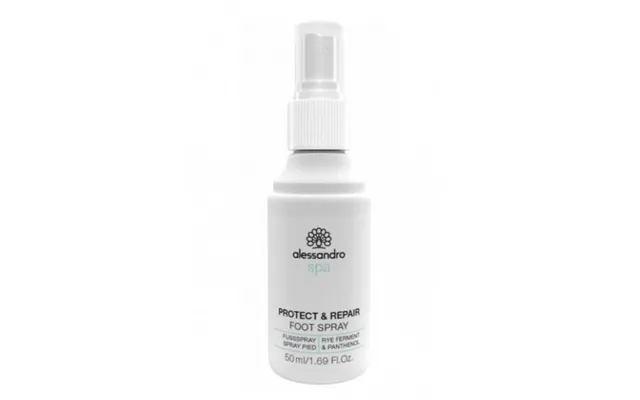
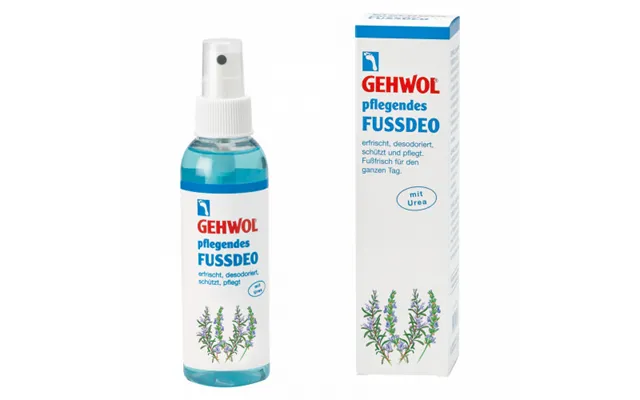
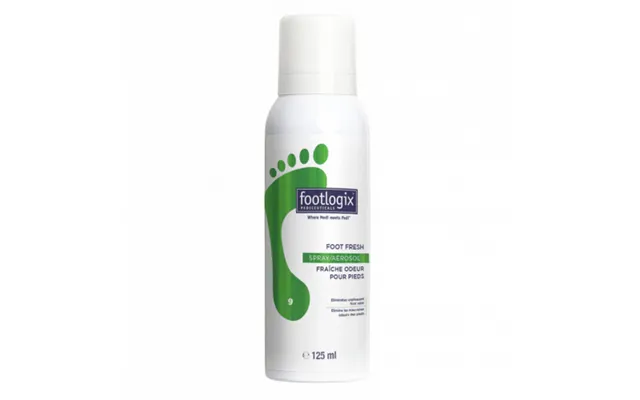
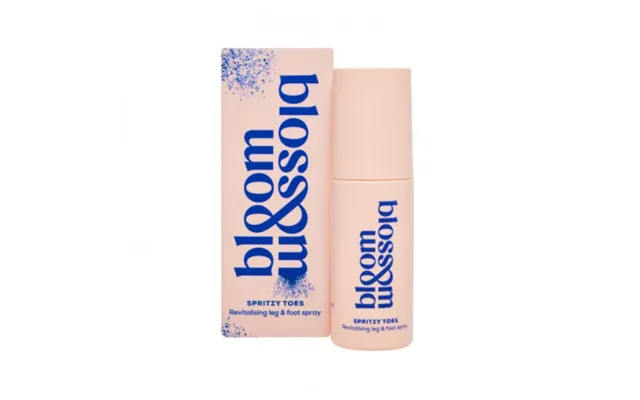
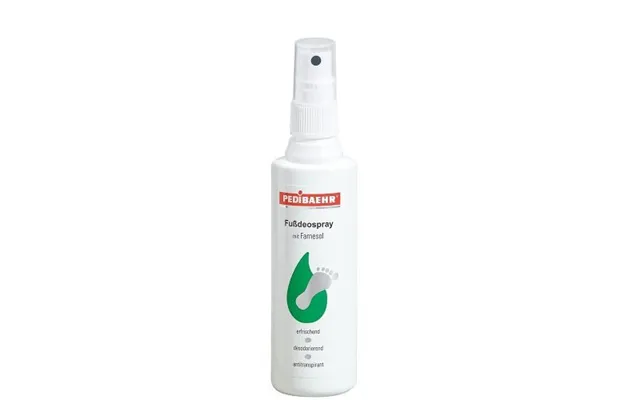
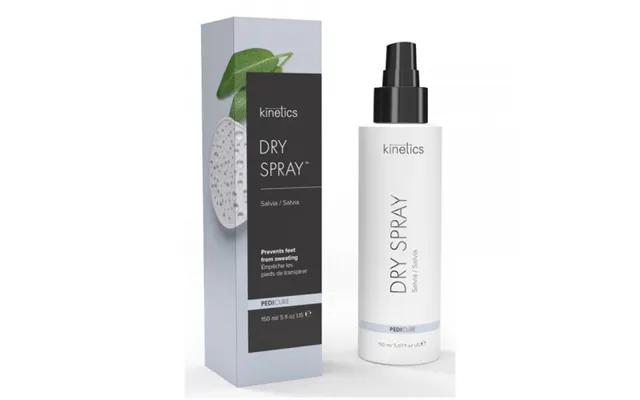
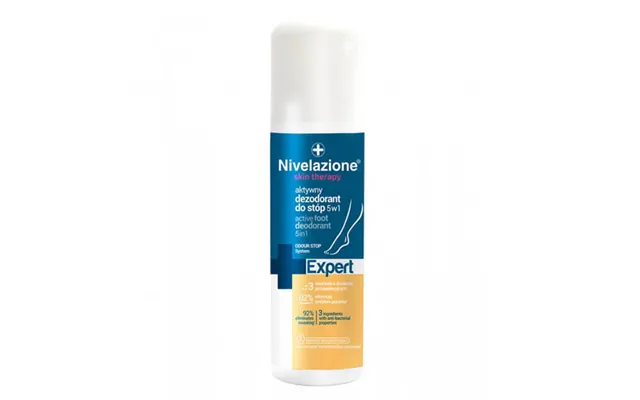
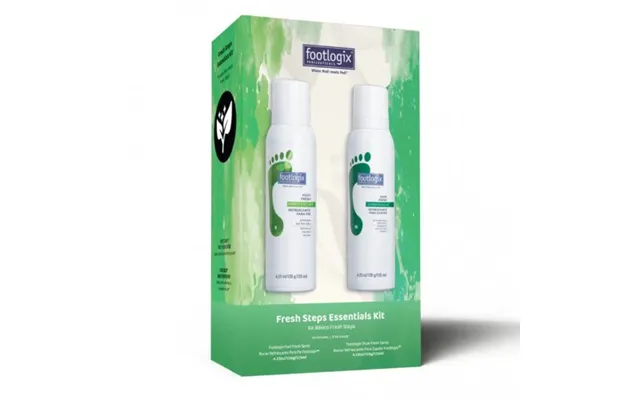
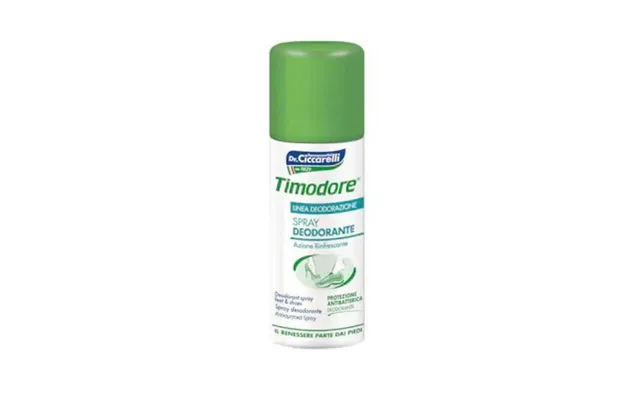
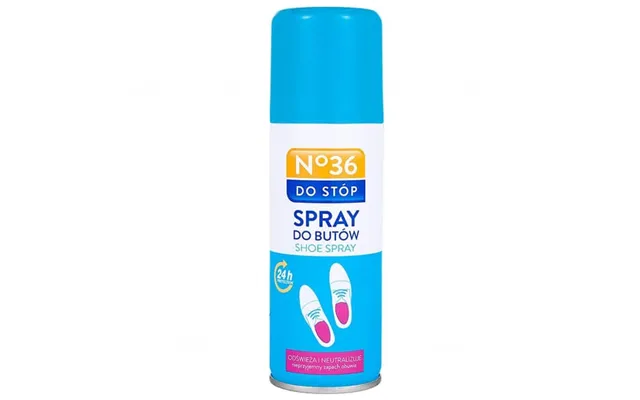
Foot sprays are your go-to for quick freshness. Most deliver a deodorizing mist that tackles odor on contact and leaves a clean scent. Look for sprays with antimicrobial agents plus odor absorbers, and aim for a fine mist that dries fast so you can slip back into socks right away. If you sweat heavily, combine a deodorizing spray in the morning with an antiperspirant cream at night. A portable 4 oz bottle is convenient for gym bags and desk drawers—perfect for mid-day refreshes.
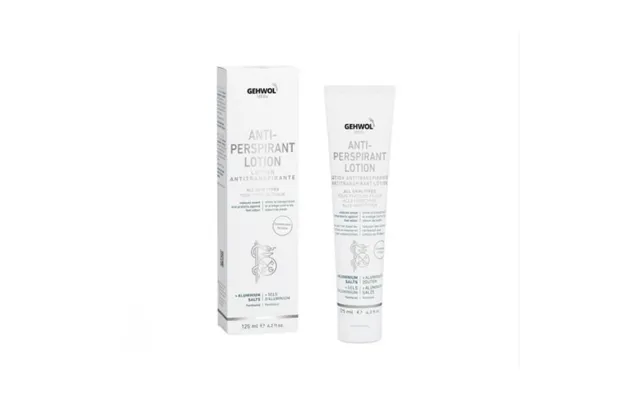
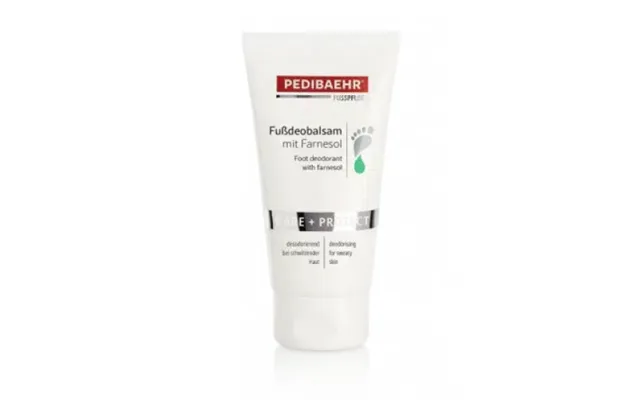
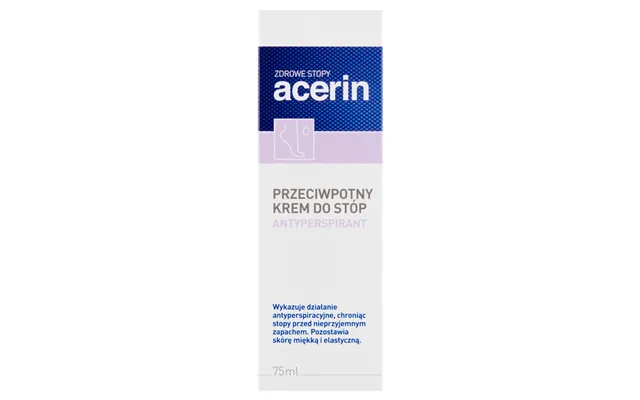
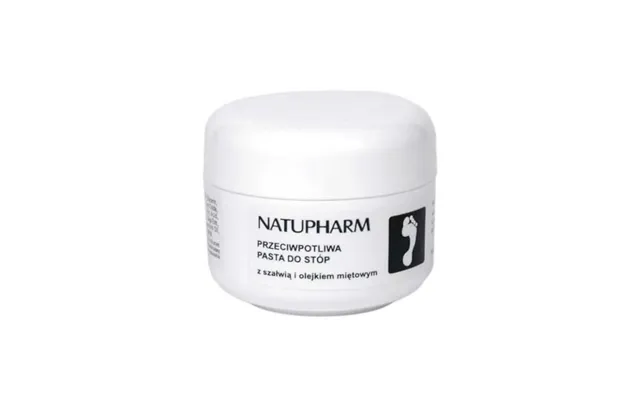
If sweat is the main culprit, antiperspirants for feet are a game-changer. They work by forming a temporary gel-like plug in sweat ducts, cutting wetness noticeably. Cream or gel textures let you target the spaces between toes and the ball of your foot, where moisture lingers. Apply at night for the best effect, then reapply lightly in the morning if needed. Clinical-strength versions are available if standard formulas don’t do the trick. Start with a pea-sized amount per foot and adjust from there.
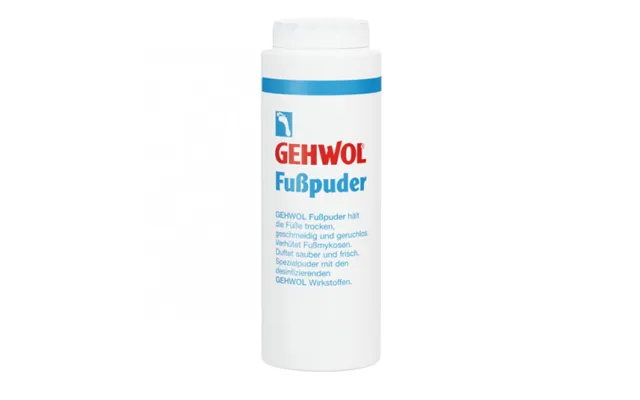
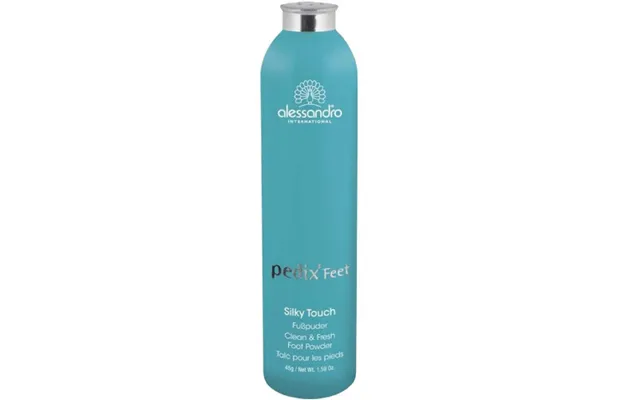
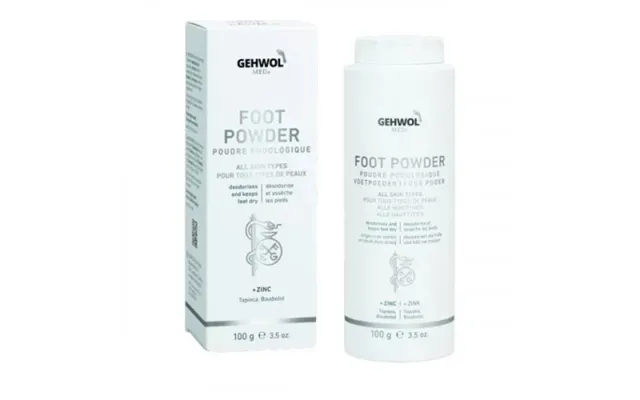
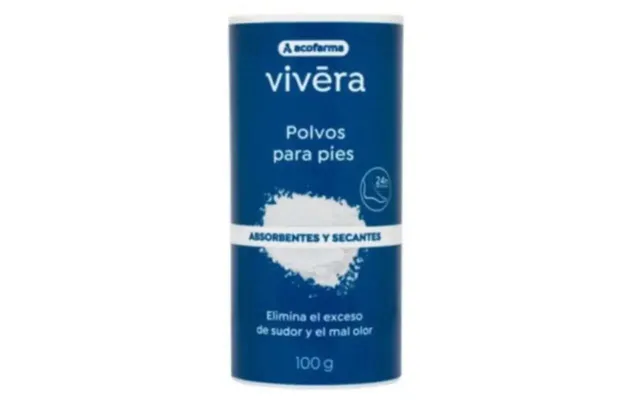
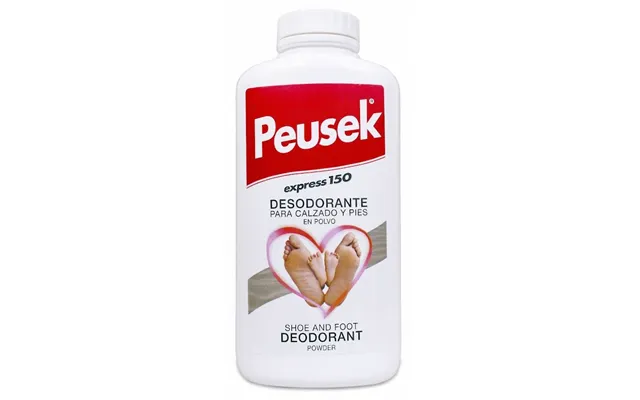
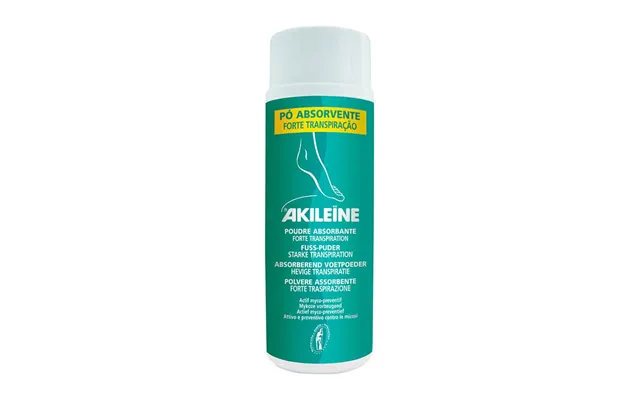
Foot powders are the unsung heroes of odor control: they absorb moisture fast and help reduce friction (no one likes blister hot spots). Look for talc-free options with baking soda, cornstarch, or clay minerals for safe, effective dryness. Many powders also include zinc oxide to hinder odor-causing bacteria. Dust a small amount into socks, onto soles, and inside shoes. A 6 to 10 oz container usually lasts weeks with daily use. For boots, a second sprinkle midweek can keep them smelling like new.
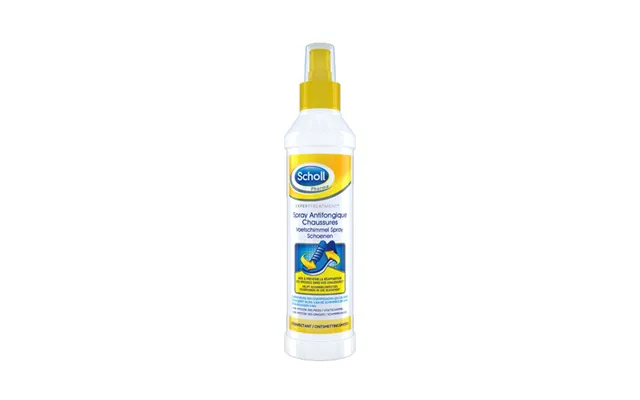
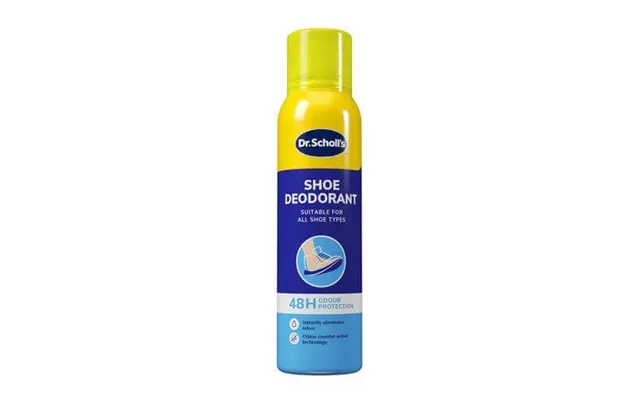
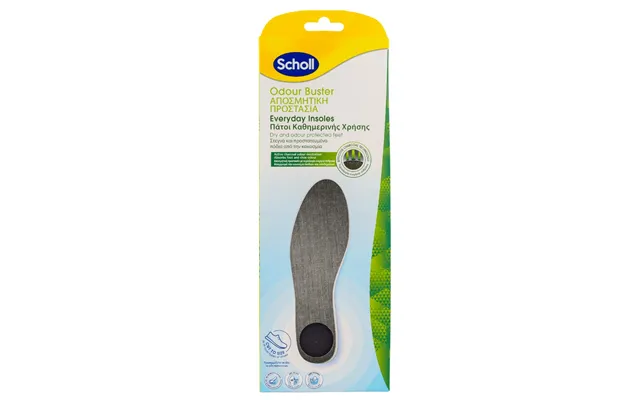
Even the best foot routine fails if your shoes stay swampy. Shoe deodorizers tackle odor where it starts—inside the shoe. You’ll find compact deodorizing balls that twist open to release a fresh scent, activated charcoal bags that passively absorb odors and moisture, and slim inserts lined with activated carbon to keep shoes fresher between wears. Charcoal is especially effective; slip a pair into your shoes overnight and they’ll smell cleaner by morning. Replace charcoal bags every few months, or refresh them by placing in sunlight for a few hours.
A good foot wash sets the stage for everything else. Formulas infused with tea tree, eucalyptus, or peppermint oils can help remove odor and leave a cooling feel. Use warm water—never hot—to avoid drying your skin, and scrub between toes for at least 20 seconds. For active days, a deep-clean foot wash in the evening followed by powder or a light antiperspirant can keep odor at bay through tomorrow.
If your shoes are a breeding ground for persistent odor, UV or ozone sanitizers are a high-tech solution. These devices sit inside your shoes and use light or ozone to neutralize bacteria and reduce odor. They’re especially useful for running shoes, work boots, or footwear that rarely gets a full day to dry. Sessions typically take under an hour, and many units are safe for most fabrics and leathers. Pair with moisture-absorbing inserts for a one-two punch.
Zinc oxide is a star for odor control. It helps limit bacterial growth and can calm skin—great if you’re prone to irritation. Aluminum-based salts used in antiperspirants reduce sweat output, which breaks the moisture-odor cycle. If you’ve tried fragrance-heavy products without results, switching to formulas with zinc oxide or a clinical-strength antiperspirant is a smart move.
Activated charcoal acts like a sponge for odors, trapping molecules that cause smells in shoes and socks. Baking soda (sodium bicarbonate) buffers pH and helps neutralize odor. You’ll find both in shoe inserts, powders, and even deodorizing balls. They’re simple, time-tested, and safe for daily use.
Essential oils can boost freshness and deliver a soothing, cool finish. Tea tree is the classic choice for foot care, and peppermint adds a clean, energizing scent that lasts. Just remember: essential oils are potent. If you have sensitive skin, look for diluted formulas or products tested for skin safety. Oils are most effective as part of a routine that also reduces moisture.
Active lifestyle? Go for a combo approach. Use a deodorizing wash in the shower, then a strong antiperspirant cream at night. Keep a 4 oz spray in your gym bag for a quick refresh after workouts. Add charcoal shoe inserts to your most-used trainers and rotate pairs daily so each shoe gets at least 24 hours to dry. Your reward: dry, odor-free feet even after long sessions.
Boots trap heat and moisture, so prioritize dryness. Dust a talc-free powder inside your socks before putting them on, then add a light layer to the insole. Drop charcoal bags or deodorizer balls into boots as soon as you take them off. Consider cedar shoe trees for leather boots—they help maintain shape and pull moisture from linings. If your insoles are worn thin or stained, replace them every few months for a fresh start.
Choose gentle formulas free from heavy perfumes and common irritants. Look for zinc oxide powders, mild peppermint or eucalyptus washes, and lower-strength antiperspirants. Patch test new products on a small area of skin first. If you’re unsure about a certain ingredient, prioritize fragrance-free, dermatologist-tested options and build your routine gradually.
Start clean: wash feet and dry thoroughly, especially between toes. Apply a small amount of antiperspirant cream or gel, focusing on the balls of your feet and between toes. Sprinkle a light layer of powder in socks and shoes. If you prefer sprays, mist your feet and the inside of your shoes before heading out. Choose moisture-wicking socks and avoid overly tight shoes—restricted airflow equals trapped moisture and more odor.
After workouts or long days, let your feet breathe. Rinse or wash with a deodorizing foot soap, pat dry, and reapply deodorizing spray or powder if needed. Insert charcoal bags or deodorizer balls into shoes right away. For stubborn cases, run a UV shoe sanitizer session while you rest. At night, reapply antiperspirant to dry skin so it can work while you sleep.
Shoes need recovery time just like you. Rotate pairs to give each at least 24 hours to air out. If shoes get damp, stuff them with newspaper for a few hours or use a boot dryer on a low setting. Cedar shoe trees are fantastic for leather shoes—they absorb moisture and keep the toe box from collapsing. Avoid leaving shoes in dark, damp corners; airflow is your friend.
Swap out heavy cotton socks for moisture-wicking blends. If your day includes a workout, pack a spare pair and change after you cool down—instant comfort boost. When you get home, wash socks inside out so detergents reach sweat and bacteria more effectively. And here’s a small trick with big results: trim toenails regularly and exfoliate gently once or twice a week. Less debris means fewer places for odor to cling.
Shopping for foot odor removers can feel overwhelming, but a few label cues make it simple. For sweat-heavy days, look for terms like “antiperspirant,” “clinical strength,” or “long-wear.” For shoe care, seek “activated charcoal,” “carbon,” or “odor-absorbing inserts.” Sensitive skin? Prioritize “fragrance-free,” “dermatologist-tested,” and “zinc oxide.” Checking verified reviews helps you gauge real-world dryness, scent strength, and longevity before you pick a product.
A budget deodorizing spray may offer a quick refresh, but if you sweat heavily, a mid-range antiperspirant cream plus a reliable powder can deliver better all-day results. Consider price per ounce and how long each product typically lasts. For example, a 4 oz spray used once daily may last around a month, while a 10 oz powder could stretch several weeks even with multiple uses. Combining a few targeted products usually beats overusing one.
Strong scent doesn’t equal strong odor control. If a product smells great but doesn’t limit moisture or bacteria, odor returns quickly. Fix it by adding a moisture-control step (powder or antiperspirant) and a shoe deodorizer. You’ll notice a difference within days.
Insoles trap sweat and bacteria. If they’re past their prime, no spray can fully mask the smell. Replace worn insoles and clean or air out removable ones regularly. Wash socks at higher temperatures when the fabric allows, and don’t re-wear pairs between washes. Fresh insoles plus clean socks equal fresher shoes—simple math that works.
Use a clinical-strength foot antiperspirant at night, a light morning powder, and deodorizer balls in shoes after every wear. Add a UV sanitizer a few times a week if odor lingers.
Use a deodorizing foot wash, a refreshing spray in the morning, and charcoal inserts you rotate between pairs. You’ll likely solve odor without needing clinical formulas.
Think of foot odor control like building a sturdy house: foundation (wash), walls (antiperspirant or powder), and roof (shoe deodorizer). Layering two or three simple steps is often more effective than searching for a single “miracle” product.
If one pair always smells worse, it might be trapping moisture or made with materials that don’t breathe well. Alternate it with a more breathable pair, replace the insoles, and give it extra deodorizing attention for a week. You’ll reset the odor cycle without replacing the shoe.
Foot odor isn’t a life sentence. With the right mix of foot odor removers—sprays, antiperspirants, powders, and shoe deodorizers—you can cut moisture, stop odor at the source, and keep your shoes fresh day after day. Focus on proven ingredients like zinc oxide, activated charcoal, baking soda, and targeted antiperspirants. Build a routine you’ll actually follow: cleanse, dry, protect, and deodorize. Compare products thoughtfully, consider how you’ll use them day to day, and don’t forget shoe care. Do that, and fresh, confident feet become your new normal.
| Foot Odor Removers | Price | |
|---|---|---|
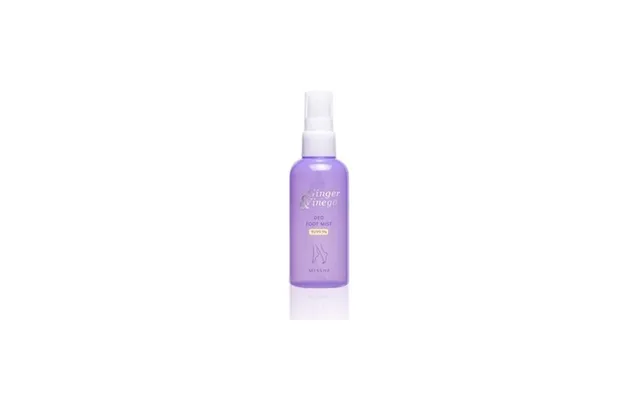
| Missha Ginger & Vinegar Deo Foot Mist 100ml | £ 4,61 | |
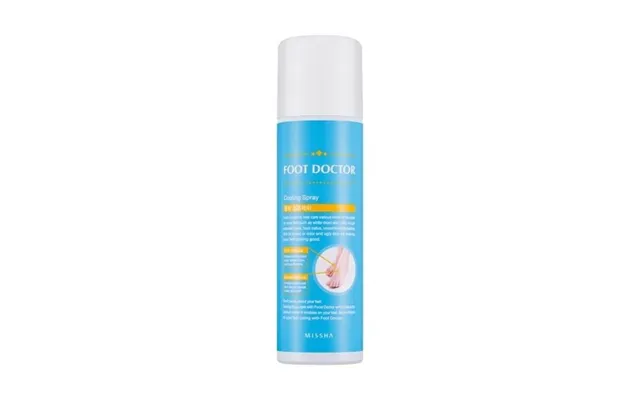
| Missha Foot Doctor Cooling Spray 100ml | £ 5,19 | |
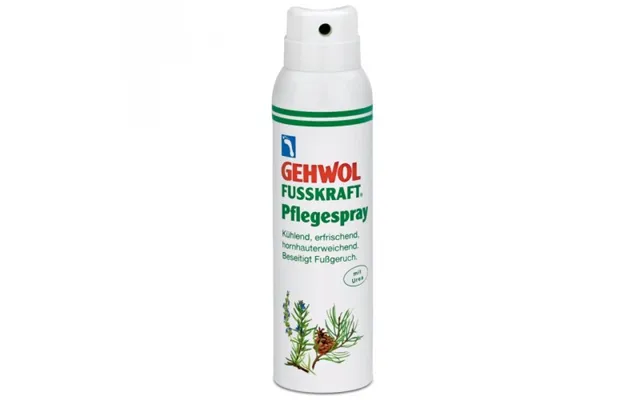
| Gehwol Fusskraft Cooling Foot Spray | £ 7,99 | |
| Gehwol Refreshing Foot Bath 330g | £ 8,62 | |
| Gehwol Foot Powder 100g | £ 9,02 | |
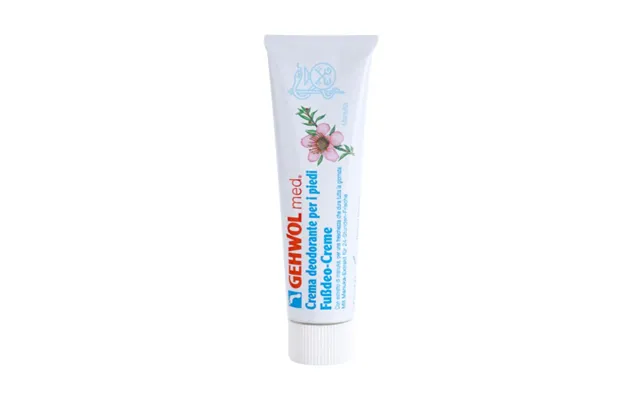
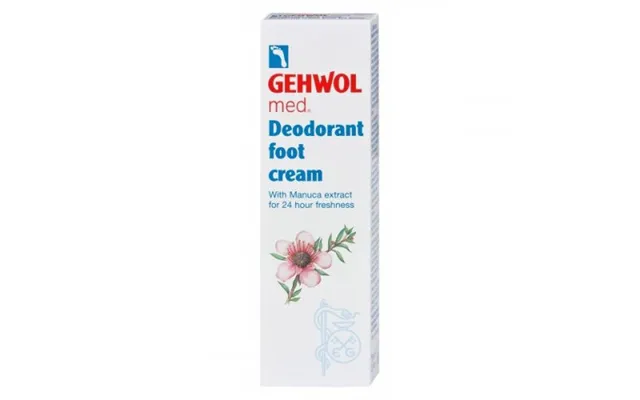
| Gehwol Med Deodorant Foot Cream 125ml | £ 9,29 | |
| Gehwol Med Foot Powder 100g | £ 9,99 | |
| Gehwol Med Antiperspirant Foot Lotion 125ml | £ 10,45 | |
| Martiderm Driosec Gel 75ml | £ 13,98 | |
| Gehwol Fusskraft Herbal Spray 500ml | £ 18,64 |