All categories
Business & Offices
Electronics & Media
Fashion & Accessories
Groceries & Essentials
Health & Personal Care
Home & Living
Kids & Family
Sports & Outdoors
Search in ZoneOffer

Loading...
Hair shedding can feel like a confidence thief, can’t it? One day your brush looks normal, the next it’s fuller than your ponytail. The truth is, hair loss is common and it has many triggers: genetics, hormones, stress, nutrition gaps, and scalp issues, to name a few. The good news? Today’s hair loss treatments are more effective, easier to use, and more varied than ever. From tried-and-true topicals to innovative devices and scalp-focused shampoos, you can build a routine that fits your lifestyle and goals. And with comparison platforms in the UK—like ZoneOffer, which lets you compare prices and offers across multiple retailers—you can hunt down smart deals without sacrificing results.
Ready to start with accessible, science-backed options? Over-the-counter products are often the first line of defense. They’re budget-friendly, widely available, and easy to layer into your daily routine. Below are the crowd favorites people in the UK search for when they want visible, realistic gains without a prescription.
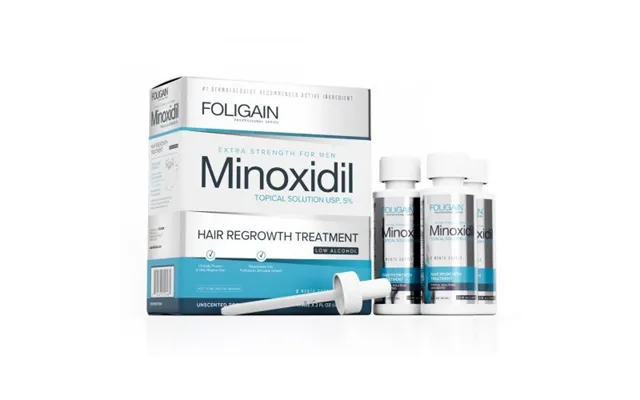
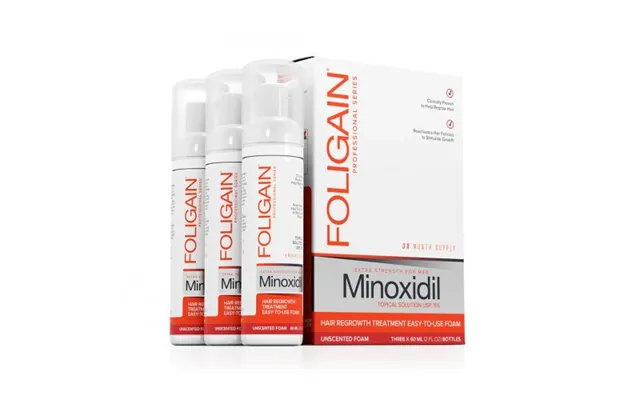
Let’s start with the heavyweight champion of hair regrowth: minoxidil. Available in 2% and 5% strengths, it’s favored for androgenetic hair loss (genetic thinning) and comes as a liquid solution or foam. The foam is fuss-free and dries quickly, while the liquid can be easier to direct onto the scalp if you part your hair. Typical bottles come in sizes around 2 to 4 fl oz, and multi-packs can bring down the price per fl oz. Results? Be patient. You may notice shedding early on (totally normal), then density gains after about three to six months of consistent use. Stick with it—minoxidil rewards routine.
While shampoos alone won’t transform your hairline, they absolutely support a growth routine by creating a healthy scalp environment. Caffeine shampoos are popular because they’re quick to use and pair well with minoxidil. Ketoconazole-based shampoos (often used a few times a week) can help with dandruff and scalp inflammation—two sneaky culprits that can exacerbate shedding. Look for bottles in the 7 to 16 fl oz range, and compare price per fl oz to spot real value. Bonus tip: Leave active shampoos on for a couple of minutes before rinsing—give the ingredients time to do their thing.
Need results, like, today? Hair fibers made from keratin or cotton cling to strands and scalp to camouflage thin areas in seconds. They’re available in multiple shades and can be topped with a light mist for extra hold. While fibers don’t regrow hair, they’re a brilliant confidence tool while your long-term routine works in the background. Compare jar sizes by ounces and consider multi-shade kits if your hair color shifts with seasons.
If your shedding is rapid, patchy, or you’re not seeing progress with over-the-counter strategies, it’s time to chat with a healthcare professional. Prescription options can curb shedding, support regrowth, and sustain long-term results—especially for genetic hair loss. Always discuss your history, goals, and potential side effects before starting.
For many men with androgenetic hair loss, a once-daily oral tablet that reduces scalp DHT can slow shedding and help maintain density. In practice, many users combine this with topical minoxidil for a one-two punch: keep hair in its growth phase longer and encourage new growth. It’s not instant, and consistency is key. Side effects are possible, so a consultation is essential. If you and your clinician decide it’s a fit, set reminders to stay on track and plan to reassess results at the six to twelve month mark.
Female pattern hair loss can respond well to minoxidil, and some women benefit from anti-androgen strategies prescribed by a clinician. Topical blends that pair minoxidil with other supportive ingredients are increasingly common. Since women’s hair loss often has multiple drivers—hormones, nutrition, stress—consider a more holistic plan. Your clinician might pair topical products with lifestyle tweaks and, when appropriate, prescription support. Track progress with monthly photos in the same lighting and angle; the camera often spots wins before you do.
At-home hair tech has come a long way. Today’s devices are sleeker, comfier, and designed to slip into your routine without fuss. They’re an investment, so be sure to compare features and reviews—then commit to the schedule they require.
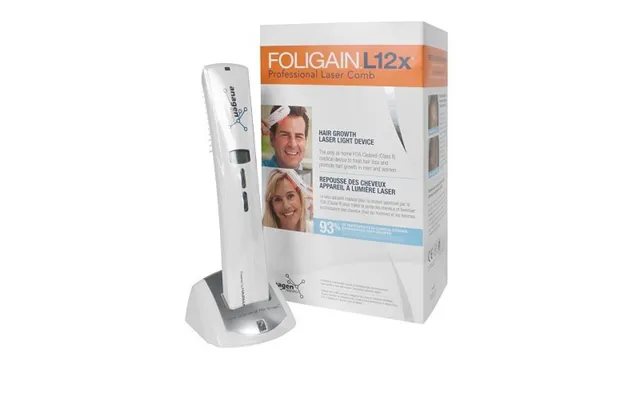
LLLT devices deliver gentle light to the scalp to support hair growth cycles. Caps cover large areas evenly, while combs let you target specific zones. Many caps are used a few times each week for short sessions; combs might require slightly more hands-on time. Look for comfortable fits, auto shut-off, and rechargeable battery life that matches your schedule. Some users see thicker-looking hair and reduced shedding after a few months, especially when combined with topical routines. As always, the magic word is consistency.
Microneedling can prompt a “repair” response that supports hair growth, especially when paired with minoxidil. For at-home use, stick with short needle lengths—around one-thirty-second to one-sixteenth of an inch—and follow a gentle schedule (for example, once a week starting out). Never press hard or roll on actively irritated skin. Sanitize before and after each use, and consider skipping minoxidil on microneedling days if your scalp feels sensitive. Want a pro-level boost? Ask a clinic about in-office microneedling or PRP sessions and how they can complement your routine.
Prefer a more “green” tilt to your routine? While not all natural options have clinical-grade evidence, some botanicals have promising data and tons of enthusiasts. The trick is to treat them like supportive players, not solo stars, and use them consistently.
Rosemary oil has gained attention for promoting thicker-looking hair, and peppermint oil offers a cooling tingle that feels energizing. Always dilute essential oils with a carrier oil—think 1 to 2 teaspoons of carrier oil with a drop or two of essential oil. Massage into the scalp for a few minutes, leave on for at least a half hour (or overnight if your scalp tolerates it), then shampoo. Try this a couple of times a week. Patch test first; essential oils are potent and can irritate sensitive skin if used neat.
Saw palmetto shows up in many hair supplements marketed to support healthy DHT balance. You’ll also see blends with biotin, zinc, and collagen. Supplements can be helpful if your diet lacks key nutrients, but they aren’t a replacement for a balanced plate. Before adding any supplement, especially if you have medical conditions or take medications, talk to a clinician. Pro tip: many users do best when they pick one quality supplement and take it daily for a few months instead of hopping between formulations.
A great plan isn’t the fanciest—it’s the one you can repeat day after day. Think simple, sustainable, and stackable. The fewer hurdles you have, the more likely you’ll stick with it long enough to see results.
Here’s a sample routine you can tailor: In the morning, use a supportive shampoo and lightweight conditioner focused on scalp health. Towel dry, apply minoxidil foam or solution to the scalp (not the hair), then style. In the evening, massage your scalp for a couple of minutes to boost circulation, apply your second minoxidil dose if that’s your plan, and set out your device (like a laser cap) so you don’t forget it during your wind-down. Once or twice a week, add a scalp treatment oil or a brief microneedling session if that’s in your toolkit.
Some combos play nicely together: minoxidil with caffeine or ketoconazole shampoos, and minoxidil with LLLT devices. Where to be cautious? Microneedling and strong topicals on the same day (especially if you’re new to it). If you use leave-in oils, apply them at times that won’t interfere with minoxidil absorption—think several hours apart or on alternate days. And if you’re layering products, always go from thinnest to thickest texture so the actives actually reach your scalp.
Not all deals are created equal. A low sticker price might hide a shorter supply or smaller bottle. When comparing hair loss treatments in the UK, scrutinize cost per fl oz, bundle values, and subscription perks. Comparison sites such as ZoneOffer make this easier by pulling popular offers and price lists into one place, so you can filter by size, format, and brand—then click through to the retailer that suits you.
Start with price per fl oz for liquids and foams; it’s the cleanest apples-to-apples metric. Multi-packs of minoxidil or multi-bottle shampoo bundles can drop that number significantly. Subscriptions can save extra if you’re committed long-term, but check delivery cadence and skip options—no one wants a closet full of unopened bottles. For devices, weigh warranty length and battery life alongside the ticket price; those features drive long-term value.
“Popular” usually signals strong demand, good reviews, or a sweet discount window. But your best pick still depends on your goal: regrowth (minoxidil), maintenance (DHT-targeting strategies), or instant cosmetic coverage (fibers). Read product pages carefully, compare active ingredients and sizes, and peek at recent user photos when available. Popular is a useful nudge, not a final verdict.
If you’ve tried treatments and felt underwhelmed, it might not be the product—it might be the process. Here are the pitfalls that trip up even the most motivated users.
Hair grows in cycles. You need months, not days, to see meaningful change. It’s normal to notice extra shedding early with minoxidil; that’s often a sign your follicles are cycling into a growth phase. Set a realistic horizon—think three to six months before you judge. Meanwhile, use fibers or strategic styling for a confidence lift.
More isn’t more. Doubling up doses or using a device daily when it’s meant for fewer weekly sessions can irritate your scalp and hurt adherence. On the flip side, skipping days because you’re tired or busy slows progress. Make your routine frictionless: keep your minoxidil dropper or foam where you style your hair, and set a simple phone reminder for device days.
If you add three new products and your scalp gets flaky, which one is the culprit? Introduce changes one at a time, give them a couple of weeks, and track how your scalp feels and looks. A simple hair journal with photos taken from the same distance—say, 12 inches from your hairline—can be surprisingly motivating.
Let’s set the record straight: hair regrowth is a marathon, not a sprint. Most people start noticing fewer hairs in the shower or on the brush first. Then, a bit more coverage at the part or crown. Density builds gradually. Once you’re happy with your gains, keep going—maintenance is part of the deal. If you stop a routine that’s working, gradual shedding can creep back. Treat hair care like skin care: consistency creates compounding results.
When follicles shift into a new growth cycle, older hairs can release—hence, shedding. It feels counterintuitive, but it’s often part of the process. Don’t panic. Support your scalp with gentle shampoos, avoid heavy build-up, and keep your schedule steady. Over the next few months, you should see the payoff as fresh growth comes through.
If you notice rapid, patchy loss; thinning eyebrows or lashes; or an itchy, scaly scalp, get a professional opinion. Those signs suggest a different strategy than standard over-the-counter plans. A clinician can guide you through prescription pathways, in-office therapies, and lab checks if needed.
Not sure where to start? Aim for a balanced kit: a proven growth stimulant, a scalp-supporting cleanser, and a confidence-boosting cosmetic. Then consider add-ons like devices or botanical oils if they match your lifestyle and budget. Here’s a quick, savvy lineup you can tailor.
Pick a 5% minoxidil foam or solution, a caffeine or ketoconazole shampoo in the 7 to 16 fl oz range, and a jar of hair fibers for events or on-camera days. This covers daily stimulation, scalp care, and instant density—without overwhelming your schedule or wallet.
Feeling committed? Add a laser cap used on schedule a few times a week and a once-weekly microneedling session with a short needle length (around one-thirty-second to one-sixteenth of an inch). Consider a diluted rosemary oil scalp massage on off-days for a soothing ritual. Keep everything consistent for at least three to six months before judging results.
Prices fluctuate, bundles come and go, and reviews evolve. That’s why deal-hunting is a habit, not a one-off event. Keep a shortlist of products you love, watch the price per fl oz, and pounce when bundles drop. Use comparison platforms to line up popular offers and price lists side by side so you can make decisions with confidence—then set calendar reminders to revisit your picks every couple of months.
Scan ingredient lists, not just marketing language. With shampoos, prioritize actives and reasonable contact time. With topicals, look for clear instructions, sensible packaging, and bottle sizes that match your usage so you don’t run out mid-routine. With devices, warranties and reliable customer support matter—especially when you’re investing for the long haul.
Saving cash is great, but wasting product isn’t. Buy sizes you can actually finish before they expire, especially oils and serums. If you’re trying something new, start small, then scale up once your scalp is happy and you’re sure the product fits your flow.
Hair loss can feel complicated, but your path forward doesn’t have to be. Build a streamlined routine you can repeat, track your wins along the way, and use comparison tools to hunt down fair prices. Start with a proven topical like minoxidil, layer in a supportive shampoo, and lean on fibers for instant polish. Then, when you’re ready, add devices or botanicals for extra lift. You’ve got options—and the power to choose the ones that fit your life best.
Whether you’re just noticing a wider part or you’re ready to revamp your entire approach, there’s a hair loss solution that can meet you where you are. Focus on evidence-backed staples, keep your routine sustainable, and compare offers to stretch your budget without compromising results. Give your plan time to work, track progress with consistent photos, and adjust thoughtfully. Hair regrowth rewards patience and persistence—and your confidence will thank you for both.

| £ 160,32 |