

Hair Steamers & Heat Caps price list
Last updated Monday, 19 Oct 2026


View 7 Offers

Loading...
Last updated Monday, 19 Oct 2026
Hair steamers and heat caps are the unsung heroes of deep conditioning. If you’ve ever wondered why your mask or oil treatment doesn’t quite deliver that salon-smooth finish at home, the missing piece is often controlled heat and moisture. A hair steamer gently bathes your strands in warm, humid air, while a heat cap wraps your head in steady, even warmth. Both help treatments soak in more effectively, soften texture, and revive dry, tired hair. Think of them as the difference between watering a plant and giving it a misty greenhouse—same idea, more effective environment.
While both tools aim for similar results, they work in slightly different ways. Steamers rely on moist heat. Heat caps deliver dry or low-humidity heat. The method you choose can depend on your hair goals, your styling routine, and how much time and space you have at home. Ready to turn your bathroom into a mini spa? You’re in the right place.
Warm steam lifts the hair cuticle—those tiny overlapping scales—just enough to let your conditioner, mask, or oil move deeper into the strand. When your cuticle lifts in a controlled way, products can penetrate instead of just sitting on the surface. That’s why a steamer can make the same conditioner feel 10 times more luxurious. Steam also boosts scalp circulation, which can be especially helpful if you’re focusing on scalp care for stronger-looking growth and reduced dryness or flaking.
Heat caps provide consistent, gentle heat without adding moisture to the air. That makes them fantastic for low-porosity hair that struggles to absorb product, and for anyone who prefers less humidity during treatments. They’re lighter, more portable, and usually more budget-friendly. If you want a cozy, mess-free deep-conditioning session while you answer emails or watch a show, a heat cap is a winner.
Why do people rave about steamers and heat caps? Because they work. Expect your hair to feel softer, more flexible, and more cooperative. Split ends look less obvious, curls spring back, and blowouts look shinier. With regular use, you’ll often see less frizz and better “product payoff” from your masks and leave-ins—because they’re finally getting where they need to go.
Curly and coily hair: Steam helps coils relax just enough for slip and definition. Detangling gets easier, and your curls keep their bounce. Heat caps keep treatments warm without swelling the cuticle too much, perfect for low-porosity curls that need a little help opening up.
Straight and wavy hair: You’ll notice smoother lengths, fewer flyaways, and shinier finishes. If your hair gets limp easily, opt for lightweight masks and use steam or gentle heat for shorter sessions—enough to hydrate without weighing you down.
Not all steamers are built the same. Choosing the right design can mean the difference between a spa-like ritual and a tool that lives in a cupboard. Here are the main types you’ll find when browsing price comparisons and popular offers in the UK.
These look like mini salon dryers with a dome you place over your head. They’re great for full-hair coverage without holding anything in your hands. Look for adjustable height and a removable water tank for easy refills. If your space is tight, consider a compact model that folds down for storage on a shelf around 12 to 16 inches high.
Two birds, one steamer: handheld models often include a facial nozzle plus an attachment for hair. They’re lightweight and ideal if you like multi-use beauty tools. Note the steam output setting, the water tank capacity (aim for enough to last about 15 to 20 minutes), and a comfortable handle that doesn’t strain your wrist.
These are the tall, rolling units you might see in professional settings. They offer generous coverage, precise settings, and long, uninterrupted sessions. They take more floor space—think a footprint of roughly 1 to 2 feet—and usually cost more. If you deep condition every week and want that “sit and relax” experience, this style delivers.
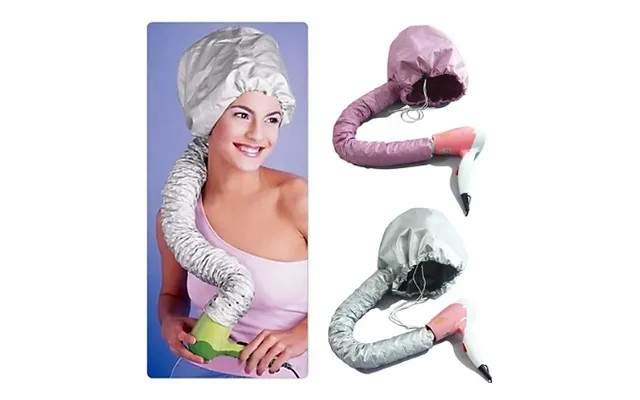
Heat caps can be as simple as plug-and-play or as portable as a microwavable gel cap. The right one depends on how you like to relax and how often you condition.
These are the most common: pop the cap on, choose a heat level, and enjoy steady warmth. Look for adjustable temperature in Fahrenheit, a soft inner lining, and an easy-clean outer shell. An auto shutoff timer is a smart safety feature, especially if you love a Sunday nap while your mask is working.
No cords, no outlets—just warm the cap in the microwave and pop it on. These are excellent for travel or quick sessions. Check the manufacturer’s recommended heating time and shake the cap gently before wearing to distribute the warmth evenly. If you value mobility (hands free while you tidy up or read), this is a crowd favorite.
Some caps rely on layered insulation to trap your natural body heat. While not as hot as electric or gel options, they keep treatments cozy and consistent. They’re super lightweight, easy to store, and perfect for sensitive scalps that prefer gentle warmth.
When you’re comparing offers and price lists, it helps to know which specs actually affect results. Here’s a cheat sheet to shop like a pro.
For steamers, adjustable temperature and steam output are key—gentler for fine hair, higher for thick or coily textures. For heat caps, multiple heat settings in Fahrenheit and an auto shutoff are non-negotiable perks. Safety matters: look for overheat protection and a sturdy build that doesn’t wobble.
A hooded steamer should sit comfortably around the head without gaps. If you have waist-length hair or high-volume curls, consider a hood depth of roughly 10 to 12 inches so your ends get the love they deserve. For heat caps, look for adjustable bands or elastic that fits a head circumference from about 20 to 24 inches. A snug, not tight, fit is the sweet spot.
For steamers, check that the reservoir supports at least 15 to 30 minutes of steady steam. A removable tank makes refills less fussy. Pro tip: distilled or filtered water keeps mineral buildup at bay and prolongs your steamer’s life.
Inner linings that resist moisture help heat caps stay fresh and hygienic. For steamers, a smooth plastic or coated metal interior is easier to wipe down. Replaceable parts—like caps, hoses, or seals—are a nice bonus that extend the tool’s lifespan and save money over time.
Ready for that plush, post-salon feel? Follow this easy routine and tweak it to your hair’s needs.
1) Cleanse lightly. Start with a gentle shampoo or a quick scalp refresh to remove buildup. Your mask will penetrate better on a clean base.
2) Apply your treatment. Work a conditioner or mask through damp hair in sections. Focus on mid-lengths and ends, then comb through with a wide-tooth comb for even distribution.
3) Steam with intention. Sit under your steamer for 10 to 20 minutes. Keep a small towel handy for drips, and make sure your hair is not touching the steamer’s heating element. If using a handheld steamer, sweep the nozzle slowly around your head at about 6 to 10 inches away for even coverage.
4) Cool-down counts. After steaming, wait a couple of minutes before rinsing to let your cuticles start settling. Rinse with cool water to seal in that goodness.
5) Lock it in. Apply a leave-in and light oil while hair is still slightly damp. You’ll notice smoother styling and less frizz.
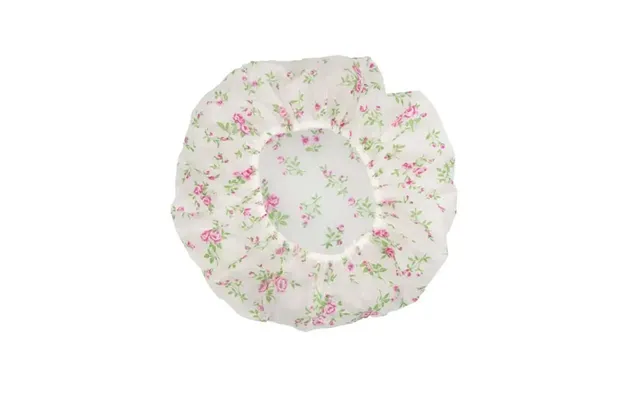
1) Shampoo or co-wash lightly. 2) Apply your mask in sections. 3) Cover with a disposable shower cap to keep the heat cap clean. 4) Wear your heat cap for 15 to 30 minutes depending on hair thickness. 5) Rinse and style. If your hair is fine, start at 10 to 15 minutes and adjust as needed.
Want spa-level results with pantry staples? Try these simple blends. Always patch test first if your scalp is sensitive.
Mash 1 ripe avocado, add 1 tablespoon honey, and 2 tablespoons lightweight oil (like grapeseed). Apply from mid-lengths to ends, then steam for 10 to 15 minutes or use a heat cap for 20 minutes. Rinse well. Expect soft, touchable hair with a healthy sheen.
Mix 1/2 cup coconut milk with 1 tablespoon aloe gel and a few drops of your favorite essential oil. Apply generously, then steam for 10 to 12 minutes. Rinse and follow with a conditioner if your hair leans dry.
Stir 2 tablespoons jojoba oil with 5 drops tea tree oil and 5 drops peppermint oil. Massage onto scalp for 3 to 5 minutes, then steam lightly for 5 minutes before shampooing. A calm scalp sets the stage for healthy-looking hair.
Unsure where to start? Ask yourself how you like to care for your hair and how much space you have. Steamers bring high humidity and an unmistakable “spa” feel—great for parched curls, textured hair, or anyone recovering from color or heat styling. Heat caps shine for convenience: they’re quick, portable, and perfect for multitaskers. If you’re budget-conscious or short on storage, a heat cap is an easy yes. If you want maximum hydration and scalp-loving steam, a steamer is worth the space.
Gym-goer who deep conditions weekly? Heat cap. Weekend self-care enthusiast who loves a pamper session? Steamer. Live in a small flat? Go compact hooded or microwavable cap. Have a dedicated beauty corner? Bring on the salon-style tower.
Like any beauty tool, the right care keeps your steamer or cap performing at its best—and keeps your hair healthier, too.
For steamers, run a cleaning cycle every few weeks. Fill the tank with 2 ounces white vinegar and 6 ounces distilled water, then run the steamer for 5 to 10 minutes in a well-ventilated area. Let it cool, drain, and run a plain water cycle to finish. Wipe the hood with a soft cloth and a tiny drop of mild soap if needed.
Wipe the interior lining with a damp cloth and mild soap. Avoid soaking electric parts. For microwavable gel caps, double-check the care label—most prefer a spot clean. Always let caps dry fully before storing to prevent odors.
Match your tool and routine to the result you’re chasing. Targeted tweaks pay off fast.
Choose a steamer session with a light, silicone-free mask followed by a cool rinse. Finish with a pea-size serum or a few drops of argan oil. Shorter steam times—about 10 minutes—help keep fine hair bouncy.
Alternate a bond-building mask one week and a hydrating mask the next. Use a heat cap for controlled warmth that won’t over-swell the cuticle. Keep sessions around 15 to 20 minutes, then seal with a leave-in.
Post-color, wait a few days before steaming. When you do, choose color-safe, low-pH masks and keep steam sessions on the shorter side to preserve vibrancy. Heat caps can be gentler for fresh color while still enhancing conditioning.
If you’re rocking twists, braids, or locs, a steamer helps deliver moisture through the style without saturating it. Keep sessions moderate—about 10 to 15 minutes—and use lightweight treatments to avoid buildup.
Before you buy, it pays to compare features, warranties, and real-world reviews. Use trusted comparison platforms—ZoneOffer, for example, is a comparison site that aggregates deals—so you can scan “Popular Offers” and any available price lists at a glance. Sort by features that matter to you: adjustable heat, hood size, portable design, or run time.
Bundle value beats flashy extras. A steamer with a removable tank, auto shutoff, and a stable base is more useful than a dozen accessories you’ll never touch. For heat caps, pick adjustable heat, a washable liner, and a comfortable fit. If you can, skim feedback from users with hair similar to yours; their results will mirror your experience more closely.
Don’t panic if your steamer or cap isn’t behaving perfectly. Most hiccups have simple solutions.
Check the water level and make sure you’re using distilled water. If the unit sputters, power it off, let it cool, and clean the tank and nozzle. A vinegar-water run can dissolve mineral deposits that block steam output.
A little condensation is normal. Place a towel around your shoulders and angle the hood so moisture runs toward the back, not on your face. If you see excessive dripping, lower the steam level or sit slightly farther from the hood opening.
For microwavable caps, shake gently after heating to spread the warmth. For plug-in caps, try a lower setting if the crown feels too warm, and always use a shower cap underneath to protect the liner and distribute heat more evenly.
Small tweaks equal big wins. Apply product in thin layers so heat can do its job. Clip hair in 3 to 4 sections for even coverage. If your scalp gets warm quickly, place a cotton headband along your hairline to buffer heat without sacrificing results. And always follow with a cool rinse to seal the deal.
More heat isn’t always better. Start with shorter sessions—10 to 15 minutes—and increase gradually if needed. Overdoing it can make hair feel overly soft or limp. The sweet spot is when your hair feels plush, not mush.
A hair steamer or heat cap can transform the way your treatments work—turning ordinary masks into powerhouse rituals. Steamers bring a humid, spa-like experience and deeper hydration; heat caps deliver effortless warmth and portability. Either way, your hair gets softer, shinier, and more manageable with consistent use. Compare features, pick the style that fits your space and lifestyle, and give your hair the steady, gentle heat it’s been missing. Luxurious hair at home isn’t a fantasy—it’s a smart routine, a little warmth, and the right tool.