All categories
Business & Offices
Electronics & Media
Fashion & Accessories
Groceries & Essentials
Health & Personal Care
Home & Living
Kids & Family
Sports & Outdoors
Search in ZoneOffer

Loading...
Teeth whiteners are products designed to lift stains and brighten enamel so your smile looks cleaner, fresher, and more confident. Most at‑home systems use peroxide-based ingredients to break apart stain molecules, while non‑peroxide formulas aim to oxidize or gently dissolve surface discoloration. Think of stains like coffee on a white shirt—over time they set in, and you need a targeted cleaner to lift them out without damaging the fabric. In the same way, the best teeth whiteners brighten enamel while keeping your gums and tooth structure safe. From strips and pens to LED tray kits and whitening toothpaste, each format has a sweet spot where it shines.
Scrolling through pages of whitening options can feel like looking into a spotlight—bright, but blinding. The smart move is to match the product to your goals, timeline, and comfort level. Want quick results for a big event? Consider a short course of strips or a compact LED kit. Prefer gradual brightening with minimal fuss? A whitening toothpaste plus a pen for touch‑ups could be your best friend. Use trusted comparison platforms to weigh prices, number of treatments, strength, and real‑world reviews side by side. Keep an eye on the value per treatment, not just the headline price, and prioritize brands that are transparent about ingredients and usage guidelines.
Most effective teeth whiteners rely on hydrogen peroxide or carbamide peroxide. Hydrogen peroxide acts quickly, making it popular for strips and shorter sessions. Carbamide peroxide breaks down into hydrogen peroxide over time, so it’s often found in tray gels built for longer wear. Higher strengths aren’t automatically “better”—they can accelerate results, but they may also increase sensitivity if overused. If you’re new to whitening or prone to sensitivity, start with a lower strength and shorter sessions, then adjust as your teeth tolerate. Always follow the product’s instructions carefully, and if you’re unsure, ask your dental professional before starting a strong regimen.
Strips are the “set‑it‑and‑forget‑it” option, loved for their predictable results and ease. Tray kits (with or without LED lights) deliver even coverage and are great when you want noticeable results over a focused period. Pens are perfect for small areas and quick touch‑ups. Whitening toothpastes and mouthwashes help maintain your new shade and slow future stains. Powders, including charcoal-based options, can boost surface polishing but need a gentle touch to protect enamel. The trick is combining a primary whitener (strips or trays) with maintenance (toothpaste and mouthwash) to keep your results lasting longer.
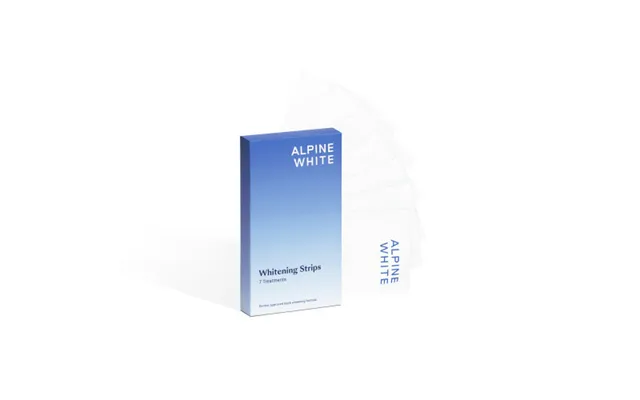
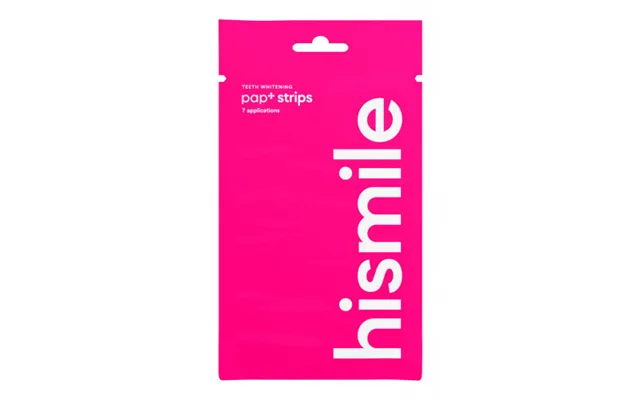
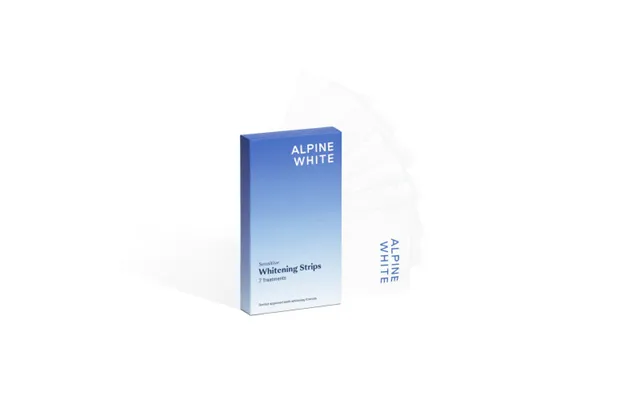
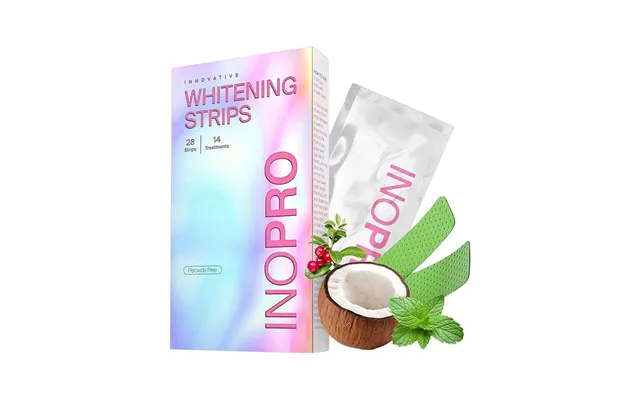
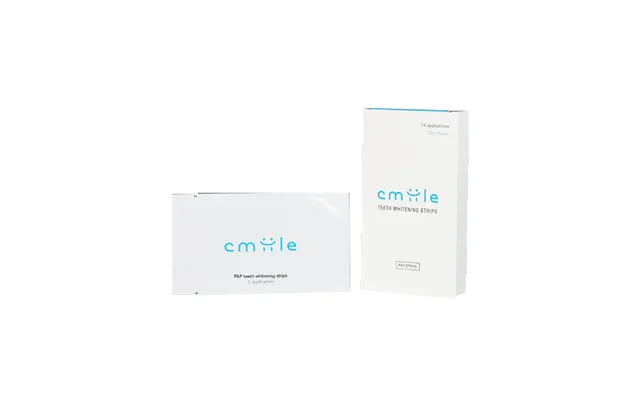
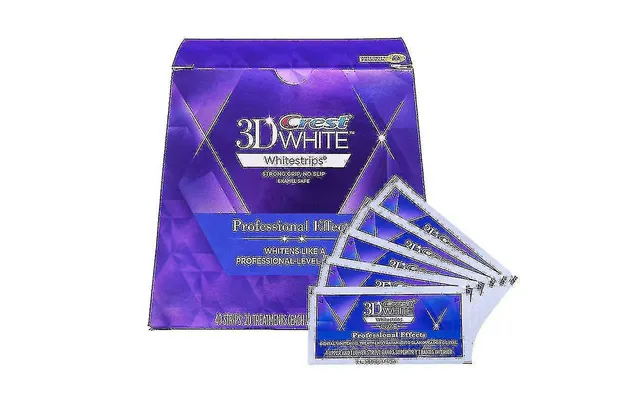
Whitening strips are best known for their balance of convenience and results. You apply flexible strips coated with gel to your teeth, wait for the session to finish, then peel them off—no mixing, no measuring, no complicated prep. They’re particularly effective on surface stains from tea, coffee, red wine, and everyday food pigments. Look for options that list the number of treatments, comfort‑fit designs to hug tooth contours, and enamel‑safe formulas. If your gums feel tingly or tender, try spacing out sessions or switching to a gentler product. A good course of strips, combined with a whitening toothpaste, can yield a very visible brightening without a clinic visit.
If you value straightforward routines and want noticeable results without a lot of accessories, strips are hard to beat. They suit busy schedules, small bathrooms, and people who don’t want to fiddle with trays or gels. They’re also a smart pick if you’re preparing for photos and need a predictable boost. Just remember: consistent use matters more than marathon sessions. Aim for steady daily or alternate‑day applications rather than cramming multiple sessions into one day. Patience pays off with a brighter, more even result.
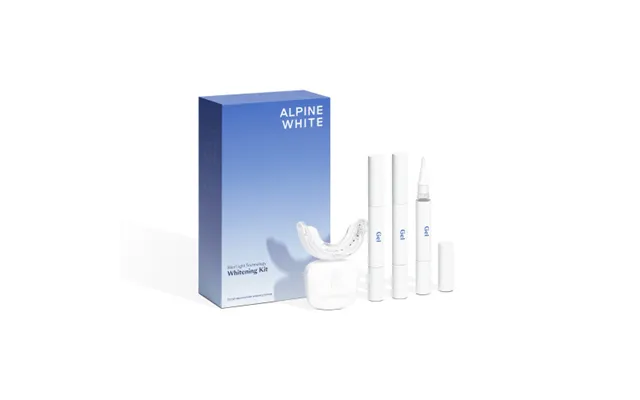
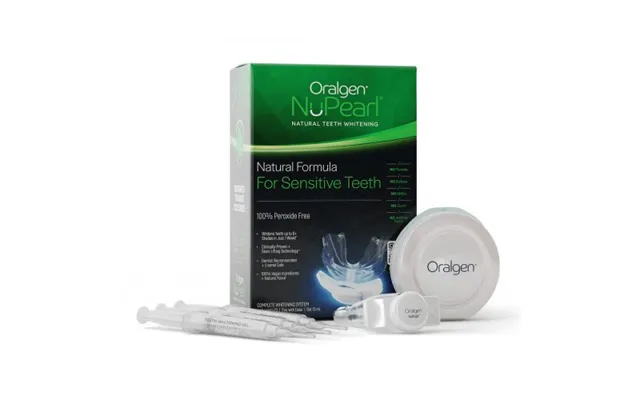
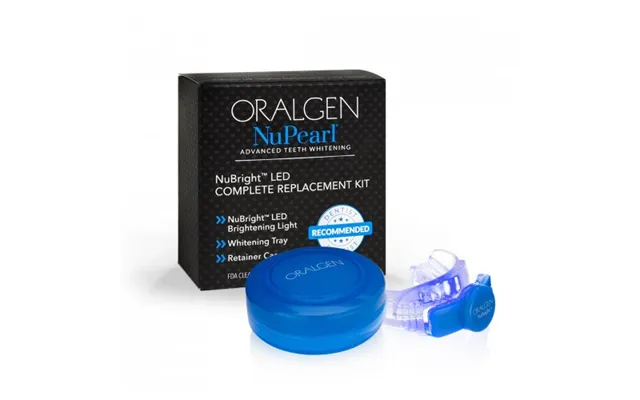
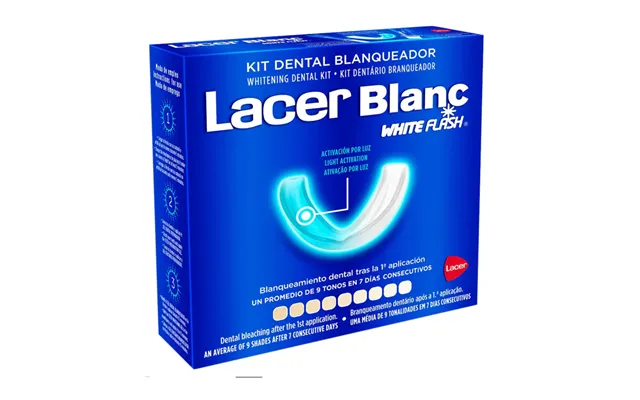
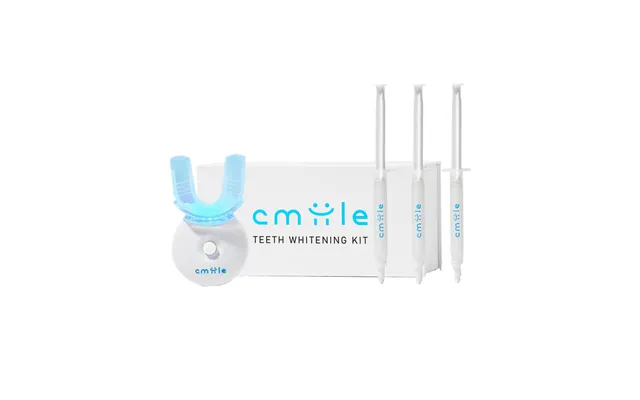
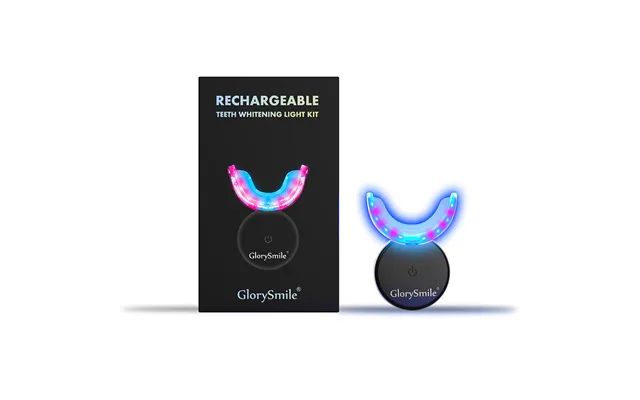
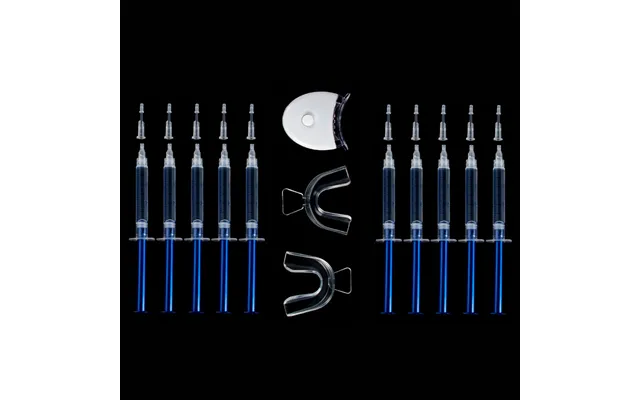
At‑home LED kits and tray gel systems aim to cover every visible surface evenly, often in shorter sessions. The LED mouthpiece or tray helps keep gel in close contact with enamel and can make the routine feel more “pro,” even though the main engine of whitening is still the active gel. Some kits include desensitizing serums or post‑care gels to keep you comfortable. If you’re after an upgrade from strips—or your teeth are unevenly stained due to crowding or old bonding—trays can give more uniform coverage. Choose kits that clearly state what’s included, how many sessions you get, and how long each session takes.
Less is more: a thin gel layer is usually enough to do the job, and applying too much can irritate gums. Wipe away any gel that squeezes out onto your gums before starting a session. Keep sessions within the time range recommended by the manufacturer, and avoid stacking back‑to‑back runs. If sensitivity flares, take a rest day or switch to a lower‑strength gel. Pair your kit with a fluoride toothpaste or a remineralizing product during your course to support enamel. And as tempting as it is to multitask, give the session your full attention—consistent, correct use beats occasional, sloppy use every time.
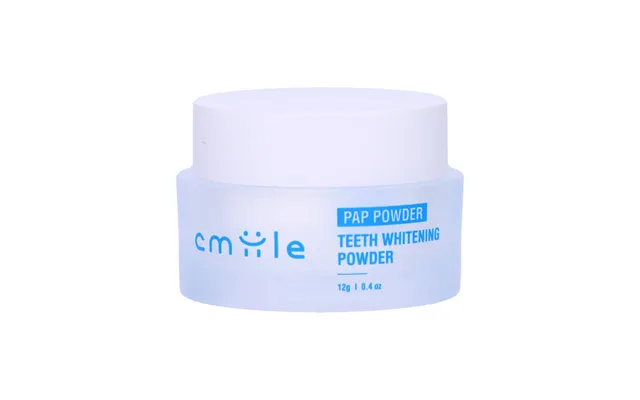
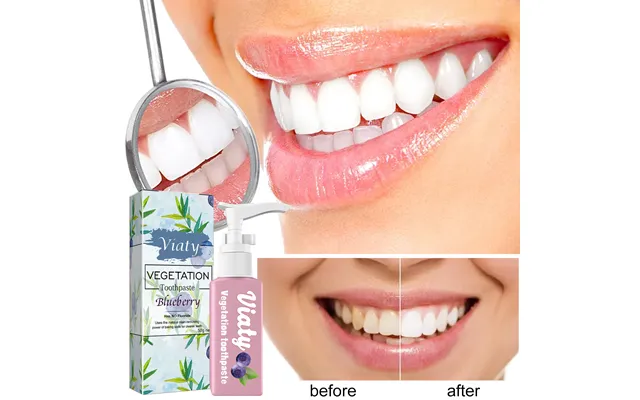
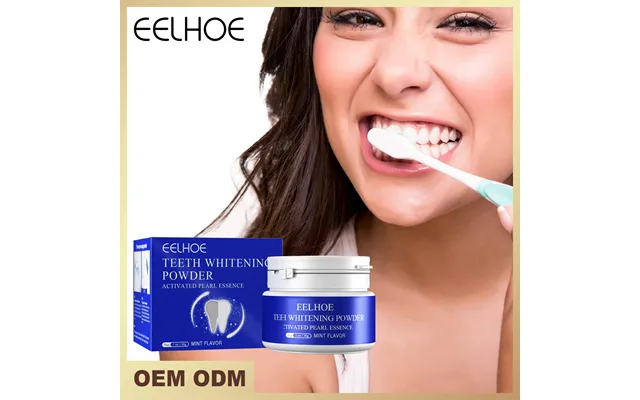
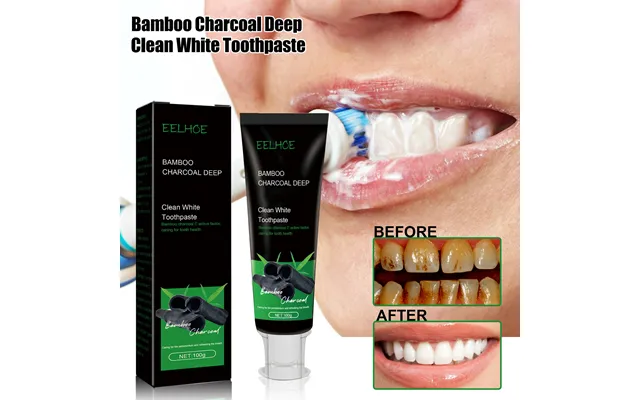
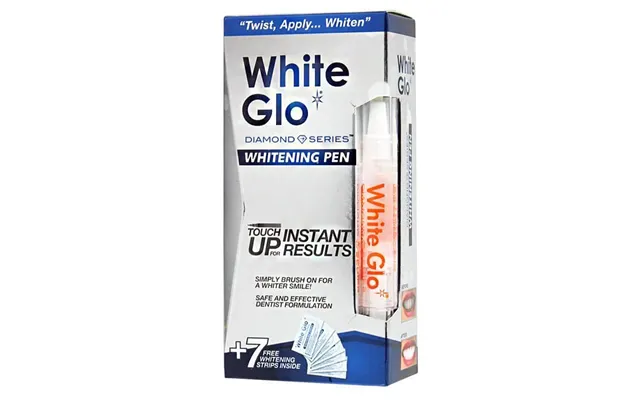
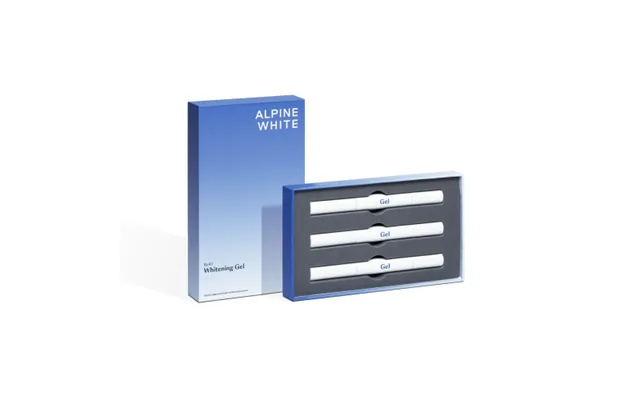
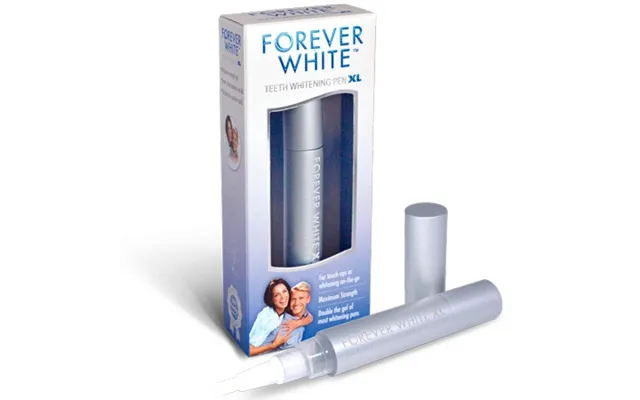
Whitening pens are the quick-change artists of the whitening world. Twist, paint, and let the gel set—that’s it. They’re not meant to overhaul deep stains, but they’re brilliant for brightening the edges of teeth, touching up spots the day before an event, and keeping your smile fresh between full courses. They also let you target areas the camera loves, like the front teeth that show most in photos. Look for pens that dry down quickly so the gel stays put, and stash one in your bag for a fast fix after coffee. Used consistently, pens can help you maintain a brighter baseline.
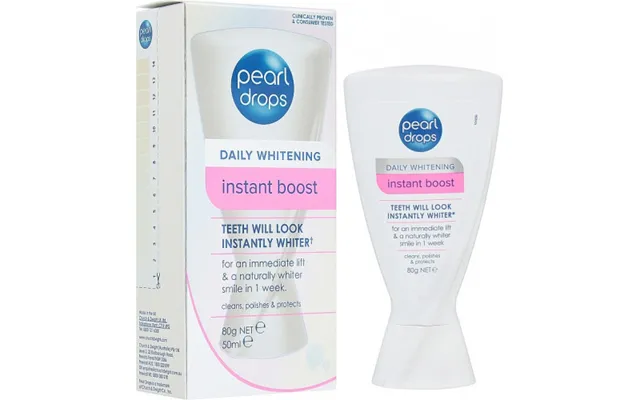
Think of whitening toothpaste as your maintenance crew. It gently polishes surface stains and can include low‑level whitening agents to keep brightness from backsliding. Pair it with a whitening mouthwash to reach areas brushes miss and to freshen breath without adding an extra step to your routine. If you have sensitivity, choose pastes with ingredients crafted to soothe nerves and protect enamel. A steady maintenance routine can extend the life of a whitening course by months, especially if you sip stain‑makers through a straw and rinse with water after dark‑colored drinks.
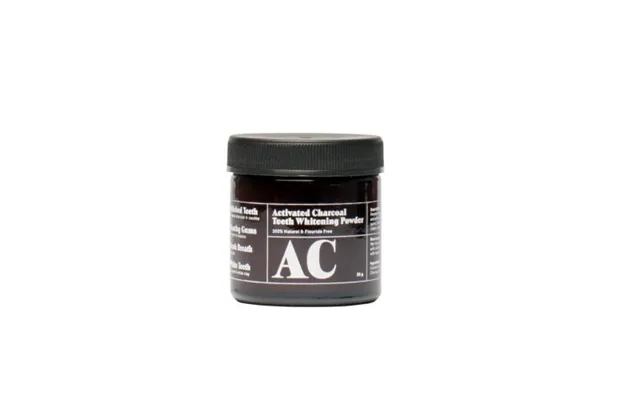
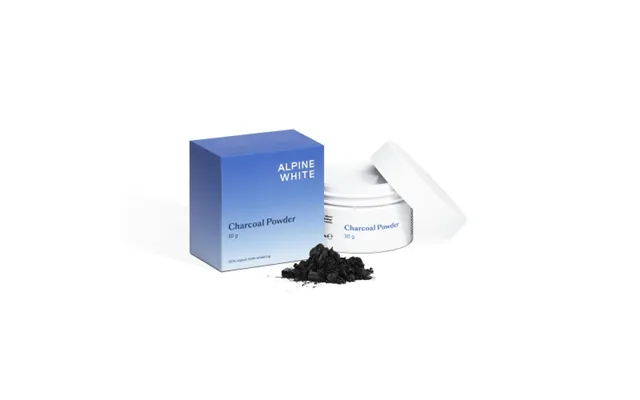
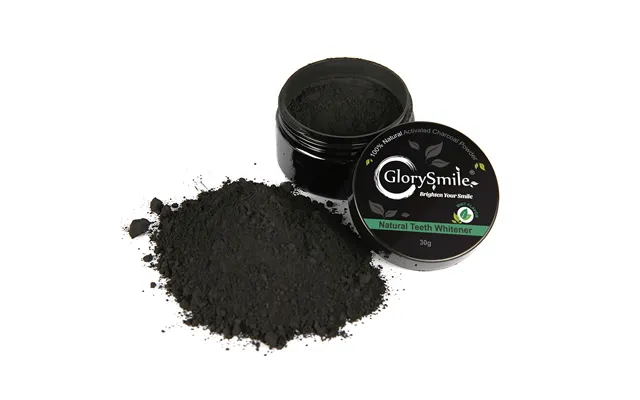
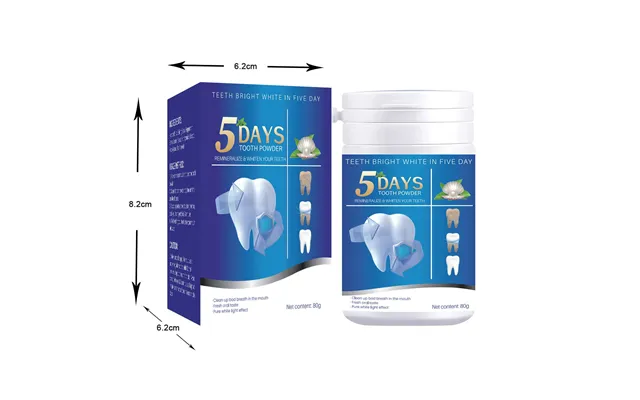
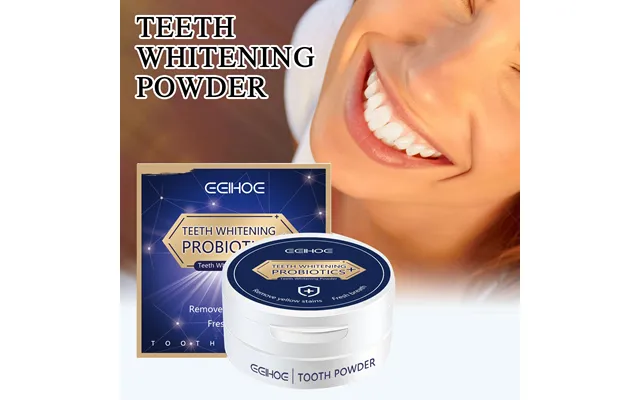
Charcoal and other “natural” powders can lift surface stains, but abrasivity is the big caution. Think of them like a strong scouring pad—useful in small doses, but too much scrubbing can wear down enamel’s shine. If you use powders, keep pressure light, limit frequency, and avoid brushing immediately after acidic foods and drinks when enamel is softer. There are also peroxide‑free options that rely on alternative whitening chemistry; these can be gentler for sensitive users, though results may be more gradual. As always, consistency beats intensity.
Professional whitening at a dental clinic is the express lane: you’re under expert supervision, the gels are calibrated, and the treatment is tailored to your mouth. It often produces faster, more dramatic results—plus your dentist can address restorations, cracks, or sensitivity right away. The trade‑off is price. At‑home options are cost‑effective and convenient, and modern formulas have narrowed the gap in results when you’re patient and consistent. If your stains are deep, your teeth are unevenly colored, or you’ve got tricky restorations, professional guidance is invaluable. Many people do a professional treatment once, then maintain with at‑home kits and whitening toothpastes.
Sensitivity happens when the whitening agent travels through enamel to the tooth’s inner layers. It’s usually temporary and calms down when you pause or reduce intensity. Use desensitizing toothpaste during your course and for a few weeks after. Avoid very hot or very cold drinks right after a session, and skip acidic snacks for a bit—they can make teeth feel zingy. Hydrate well, maintain gentle brushing, and consider a remineralizing product to reinforce enamel. If you’ve got dental work like crowns, veneers, or fillings, ask a dentist how to blend shades so your natural teeth and restorations match nicely.
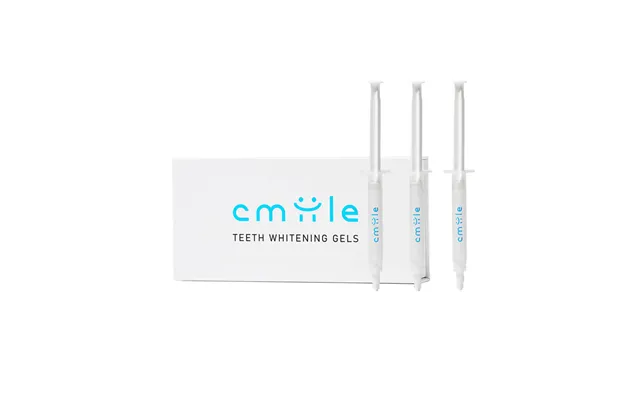
The UK market offers a wide mix of recognized names and innovative newcomers. Strips from well‑known global brands set the benchmark for convenience and predictable shade lift. Tray gels from professional‑leaning lines offer custom‑feeling results at home, and many come with syringes for precise application. LED kits from consumer‑favorite brands package everything in one box—mouthpiece, gel, and sometimes a post‑whitening serum—so you can start instantly. You’ll also find peroxide‑free systems using alternative whitening chemistry designed for sensitive users. When comparing, pay attention to the number of treatments, strength claims, included accessories, and any clinical data or dentist endorsements provided.
Hydrogen peroxide and carbamide peroxide are the workhorses, breaking apart deep stain molecules. PAP‑based formulas provide a non‑peroxide route some users find more comfortable. Fluoride helps fortify against sensitivity and supports enamel strength during whitening. Hydroxyapatite can help smooth the enamel surface, which enhances reflectivity and makes teeth look brighter even before full stain removal. The winning combo depends on your goals: fast lift versus comfort, short bursts versus longer courses. Read the label like a detective—clear percentages, session times, and usage directions are a good sign you’re getting a thoughtful formula.
Price tags don’t tell the whole story—value per treatment does. Count how many sessions come in the box, whether you get extras like desensitizing gel, and how long each session lasts. For strips, check how many pairs you’re getting and whether there’s a separate set for lower and upper teeth. For tray kits, confirm the gel volume in fl oz and how many full treatments that supports. If a kit includes an LED mouthpiece, factor in its reusability: a durable device can make future gel refills cheaper. Use comparison platforms to line these details up side by side and spot the genuine bargains.
Authentic reviews mention specifics—flavor, tray fit, session comfort, and the timeline of results. Be wary of vague praise, copy‑paste wording, or only perfect photos with heavy filters. Mixed reviews often tell the most truth. Look for feedback from people with similar stain types and sensitivity levels to yours. Before‑and‑after photos can help, but lighting and editing can mislead, so rely on consistent themes across multiple reviews rather than a single glamorous shot. When in doubt, choose brands that are upfront about strengths, include safety instructions, and don’t promise overnight miracles.
Start with a dental‑grade clean at home: floss, brush, and rinse so the gel touches enamel, not plaque. For strips, dry your teeth gently with a tissue before application—this small trick helps the gel cling and work more evenly. Set a timer, relax, and resist the urge to overextend sessions. For tray kits, apply a pea‑sized dot per tooth well and wipe away any overflow to protect your gums. After each session, rinse with water and avoid strongly pigmented foods and drinks for a few hours. Build a daily rhythm you can actually keep, because the best whitening plan is the one you stick with.
Once you reach your target shade, shift into maintenance mode. Use a whitening toothpaste twice daily and a mouthwash that supports stain control. Touch up with strips or a pen every few weeks, or run a short tray session before special occasions. Sip stain‑makers through a straw and swish with water after coffee, tea, or red wine. If you snack at night, brush before bed so pigments don’t linger while you sleep. With steady maintenance, you can preserve a brighter smile for months without restarting a full course.
If sensitivity spikes, pause for a day or two and switch to a desensitizing toothpaste. Shorten sessions or step down in strength. Uneven shades? Focus on coverage—press strips into the tooth contours and ensure tray gel is evenly spread. If certain teeth are darker, a targeted pen can even things out between full sessions. Temporary white spots may appear right after whitening as enamel dehydrates; they usually fade as teeth rehydrate. If spots persist or you have existing enamel issues, get a dental checkup to rule out underlying causes and tailor your plan.
There’s no one‑size‑fits‑all whitener, and that’s good news—you get to build a routine that suits your life. Whether you favor the simplicity of strips, the thoroughness of tray gels and LED kits, or the convenience of pens, pairing your primary whitener with daily maintenance keeps your smile in the spotlight. Compare real value, read the fine print, and listen to your teeth—comfort matters. With a consistent plan and smart product choices, a camera‑ready smile is absolutely within reach.