
Paddle Ball Toys price list
Last updated Thursday, Sep 17, 2026





Loading...
Last updated Thursday, Sep 17, 2026
Paddle ball toys are simple, portable bundles of fun built around a paddle and a ball—sometimes tethered with an elastic string, sometimes free for two-player rallies. They span everything from classic wooden paddles with a rubber ball attached to modern beach sets that use soft or rubberized balls for long rallies. The charm is timeless: you grab a paddle, take a swing, and in a heartbeat you’re in a rhythm, laughing, moving, and forgetting you’re even “exercising.” Whether you’re packing for a weekend at the coast, setting up backyard games, or teaching kids hand-eye coordination, paddle ball toys deliver instant entertainment without screens, batteries, or complicated rules.
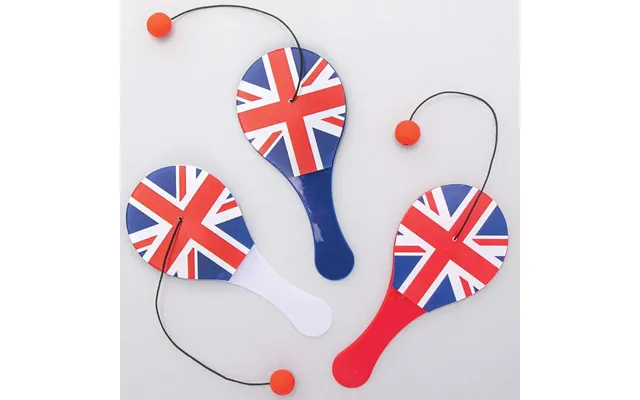
This is the one many of us remember from childhood: a single paddle with an elastic string that tethers a small rubber ball. The goal? Keep the ball bouncing in a steady rhythm without missing. It’s pocket-friendly, super portable, and great for solo play. Look for solid, smooth paddles with a comfortable handle and an elastic cord roughly 8 to 12 inches long—short enough for control but long enough to create a satisfying arc.
These sets typically include two paddles and one or two free balls, designed for two-player rallies in the garden, at the park, or on sandy shores. Paddles can range from about 9 to 17 inches in length, often with a larger striking surface for forgiving hits. Soft rubber or foam-coated balls around 2 inches in diameter keep games safe, fast, and friendly for all ages.
Foam-faced paddles or plastic paddles with rounded edges are a hit with younger players. They’re light, gentle, and easy to maneuver. Bright colors and slightly oversized faces boost confidence for new players, while included carry bags and extra balls make them parent-approved for grab-and-go fun.
Short answer: they’re fun, affordable, and they get everyone moving. Long answer? They blend spontaneous play with sneaky skill-building. You can toss a set in your tote, pop to the park, and you’re good to go—no big setup, no strict rules. Plus, they’re friendly for mixed ages: grandparents can rally with grandkids, teens can show off trick shots, and parents can squeeze in a quick burst of activity between BBQ flips.
Paddle ball toys are as easy to transport as a paperback. Most paddles fit in a backpack, and many sets include a slim carry sleeve. Heading to the beach? Slip in two paddles and a ball, and you’ve just arranged a mini beach tournament that runs on smiles and sunshine.
Hand-eye coordination, reaction time, and balance all get a boost when you rally. For kids, it’s a simple path to better motor skills. For adults, it’s a light cardio pick-me-up—think bursts of movement without the gym baggage. And because rallies are short and sweet, it’s easy to play in quick sessions anytime you’ve got a few spare minutes.
Not all paddle ball toys are created equal. If you want snappy bounces and gear that lasts more than a single summer, keep an eye on the materials, size, grip, and included accessories. A little research pays off big in playtime.
Wood paddles (like hardwood or layered plywood) feel sturdy, give a satisfying “pop,” and often look premium. Plastic paddles are lighter and weather-resistant—great for damp gardens and sandy beaches. Composite paddles blend strength and lightness, offering a balance of durability and performance. If you’re playing near water, plastic and composite shrug off splashes; if you love a timeless look and feel, wood never goes out of style.
Look for paddle lengths between roughly 9 and 17 inches and face widths around 6 to 9 inches. A larger face helps beginners connect more often, while smaller, lighter paddles allow quick wrist action for faster rallies. Weight can range anywhere from about 6 to 14 ounces. Younger kids usually prefer lighter paddles, while adults often enjoy a bit of heft for stability and power.
Non-slip grips, cushioned wraps, and shaped handles can turn a decent paddle into your go-to favorite. If sweaty hands are a thing, textured or cushioned grips with breathable wraps are your friend. Check if the handle length feels comfortable—too short and it feels cramped; too long and it gets unwieldy.
Free balls vary in bounce and speed. Soft rubber balls make rallies forgiving; slightly firmer balls pick up the pace. For classic paddleball (with string), look for elastic cords that feel springy but not flimsy, and a ball diameter around 1.5 to 2 inches. Extras like carry bags, spare balls, and replacement cords add value and keep the fun going if one ball disappears into a hedge (it happens!).
Paddle ball toys are famously budget-friendly, but the right price depends on your play style. It helps to know what different tiers usually include, so you can match your expectations—and your wallet—without guesswork.
Entry-level sets often include two lightweight paddles and a ball or two. Expect basic materials, simple grips, and straightforward performance—perfect for occasional play and young beginners. If you’re curious but not ready to commit, this is where to start.
Mid-range sets tend to upgrade materials (think sturdier plastic or layered wood), more comfortable grips, and better-balanced paddles. They often include extras like a carry bag and spare balls. For frequent family play or weekend getaways, this tier hits the sweet spot of durability and feel.
Premium picks bring stronger materials, polished finishes, ergonomic grips, and balls tuned for specific speeds. Some include water-friendly designs, extra accessories, and gift-ready packaging. If you love a refined feel and plan to play a lot, stepping up to premium can be a great long-term win.
Using a comparison platform helps you scan deals at a glance, filter by price and features, and find the right fit fast. On a comparison site like ZoneOffer (which compares products rather than selling them directly), you can weigh discounts, check what’s included, and jump to retailers with confidence. Keep an eye out for seasonal markdowns and bundles that tack on extra balls or carry bags—those add real value for families and frequent players.
Look for two-paddle sets with multiple balls and a carry case. Family packs may offer four paddles and several balls. This route often undercuts the cost of buying individual items while making it easy for everyone to join in.
Warm-weather seasons tend to bring the biggest variety of paddle ball toys, while off-season clearance can offer standout savings. If you’re a planner, grabbing a set before peak holidays can secure better prices and wider selection.
Offers that include spare balls, replacement strings for classic paddleball, or upgraded grips give more bang for your buck. If you’re the type who loses balls to the neighbor’s garden, those add-ons pay for themselves quickly.
One size doesn’t fit all. Matching a set to the player and place can make the difference between “meh” and “wow, again!” Here’s how to tailor your pick.
Choose foam-faced paddles with rounded edges and extra-light weight. Soft balls around 2 inches in diameter are gentle, and bright colors help keep attention. Focus on safety, durability, and easy-grip handles sized for small hands.
Look for mid-size paddles with a slightly larger sweet spot and non-slip grips. Sets that include multiple balls let kids try different speeds. A comfortable weight—often in the 6 to 10 ounce range—helps them practice longer without fatigue.
For faster rallies, consider sturdier paddles with premium grips and medium-firm balls. Adults often like a touch more heft (up to about 12 to 14 ounces) for stability. If you enjoy trying trick shots, a well-balanced paddle with a responsive face keeps your rhythm smooth.
Beach play calls for water-friendly materials and textured grips. In the park or backyard, prioritize durable paddles that shrug off the occasional drop on hard ground. A carry bag is handy wherever you go—less fumbling, more fun.
Good gear is safe gear. Before you toss a set into your basket, give it a quick quality check. And once you’ve brought it home, treat it with a little TLC so it keeps the good times rolling.
Check that edges are rounded and smooth—no splinters, no sharp corners. If you’re buying for kids, choose paddles with secure, non-toxic finishes and soft balls to cut down on stings and bumps.
Wood paddles don’t love soaking wet conditions, so don’t leave them outside overnight. Plastic and composite options are more forgiving with moisture, but even they appreciate a dry bag. A simple habit—wipe gear and store it indoors—can add seasons to its life.
Make your first session a win with games that are friendly and flexible. A few tweaks can dial a set from beginner-friendly to impress-the-neighbors in seconds.
With the ball-on-string toy, count consecutive hits without a miss. Start with a target—say 20 hits—then move the goalpost as you improve. Switch hands to test coordination. Try micro-challenges like “soft taps only” or “alternate forehand and backhand.”
Stand about 6 to 10 feet apart and keep a rally going as long as you can. Each player can call “soft” or “fast” for the next three shots. Add a playful rule: if the ball bounces twice, the other player gets a point. First to 11 wins (and the loser fetches snacks).
Try behind-the-back taps, knee bounces, or bounce-then-smash shots to spice things up. For groups, set up a mini circuit: station 1 is a solo challenge, station 2 is a speed rally, station 3 is a trick shot. Rotate every 60 seconds and watch the laughs pile up.
A few basic habits keep paddles crisp and balls lively. You don’t need special gear—just a soft cloth and common sense.
Wipe paddles with a dry or slightly damp cloth after sandy or dusty sessions. Avoid soaking wood; it can warp. If grips get grubby, a gentle wipe and air-dry do the trick. Store paddles flat or upright—no heavy items pressing on them.
Rubber balls can lose bounce over time. Keep a couple of spares on hand so a flat ball doesn’t end your rally. For classic paddleball, replace the string if it frays or loses springiness—most cords are easy to swap with a simple knot.
Want gear that’s kinder to the planet? You’ve got options. Choosing durable sets that last, or responsibly sourced wood, can cut down on waste without sacrificing fun.
Wood paddles made from responsibly sourced timber are a greener pick. Look for clear details from brands about their sourcing and finishes—low-VOC finishes are a plus in enclosed play spaces.
Investing in a sturdier paddle can mean fewer replacements, less waste, and better performance. It’s a win-win: you play better and buy less often. A carry bag also helps prevent the accidental “oh no, we stepped on it” moment in the boot of the car.
Love paddle ball but curious about cousins in the same family? Here are a few options that share the spirit, each with its own twist.
Pickleball uses a perforated plastic ball and a specific court, so it’s more structured than casual paddle ball. It’s a blast, but it requires space and a net. Paddle ball sets, by contrast, shine in small spaces—think quick rallies in the garden without court markings.
Badminton leans into floaty, finesse shots with a shuttlecock, while soft-tennis style kits use foam balls and lightweight rackets for easy rallies. If you want a slower airborne feel, badminton’s your friend. If you want immediate, punchy bounces, paddle ball has the edge.
Foam or soft-shell flying discs are great companions to a paddle ball set—perfect for switching gears between rallies. Toss in a sand-friendly ring toss or ladder game, and you’ve got a full afternoon of activities without lugging heavy gear.
Scanning a price list is easy; decoding it is where you save money. The trick is to look beyond the headline price and understand what’s bundled in—and what’s not.
Some sets look cheap until you realize they include just one ball and no bag. Others cost a bit more but add spare balls, a case, and better grips. If you’d buy those extras anyway, that “higher price” might actually be the better deal.
User reviews reveal real-world durability: Are the grips comfy after an hour? Do strings snap? Look for consistent trends rather than one-off rants. If a brand offers a warranty, even a short one, that’s a sign they stand by their build quality.
Ask yourself: Who’s playing (kids, adults, mixed ages)? Where (beach, garden, park)? What feel do you prefer (light and swift, or solid and stable)? Do you need extras (bag, spare balls, replacement strings)? And what finish fits your style (classic wood, colorful plastic, or sleek composite)? With those answers in hand, you’ll zero in on the perfect set.
Paddle ball toys pack a whole lot of joy into a simple package. They’re affordable, easy to carry, and ready to rally at a moment’s notice—no setup stress, just pure play. Whether you’re eyeing a classic ball-on-string for solo challenges or a beach-ready two-paddle kit for friends and family, you’ve got plenty of smart choices. Compare materials, size, grip, and extras to match your play style, and use a trusted comparison site to spot price drops, bundles, and seasonal steals. Pick a set that feels good in your hands, toss in a couple of spare balls, and you’re all set to unlock simple, sunny fun—any day of the week.