

Yo-Yos price list
Last updated Monday, 19 Oct 2026




View 19 Offers





Loading...
Last updated Monday, 19 Oct 2026
Remember that first satisfying tug when a yo-yo snapped back to your palm? That feeling hasn’t gone anywhere—in fact, modern yo-yos turn that simple joy into an art form. Whether you’re chasing classic tricks, neon-lit night spins, or unresponsive freestyle sessions, today’s yo-yos offer a level of performance and style that would’ve blown our childhood minds. And with fresh offers and an ever-changing yo-yo price list in the UK, it’s easier than ever to find a model that fits your budget and ambition.
So, what’s new? Think precision-machined bodies, whisper-quiet bearings, and specialized designs built for looping, string tricks, offstring play, and even counterweight styles. If you’re curious about the best yo-yo for beginners or hunting premium metal throwers without paying over the odds, you’re in the right place. Let’s make sense of the options, zero in on the models that matter, and help you snag a deal that makes you smile every time you throw.
A responsive yo-yo is the classic choice—tug the string and the yo-yo returns to your hand. If you’re brand new or buying for a younger player, start here. Responsive yo-yos are typically lighter, easier to control, and fantastic for learning the foundations: straight throws, forward passes, sleepers, and simple combos. You’ll find great responsive options from trusted names like Duncan and Yomega, often at entry-level prices that won’t sting if you scuff them as you learn.
Unresponsive yo-yos don’t return with a simple tug—you trigger the return with a “bind.” Why go this route? Stability and spin time. Unresponsive models let you stack advanced string tricks, whips, and slacks without fear of accidental returns. If you’re comfortable with basic throws and want a wider trick horizon, unresponsive is your upgrade path. Many popular mid-range and pro-grade metal models from brands like YoYoFactory, MAGICYOYO, One Drop, and CLYW are unresponsive right out of the box.
The imperial shape is the classic slim profile you’ve seen for decades. It’s great for looping and basic tricks because it’s nimble and easy to control. Butterfly (also called wing-shaped) offers a wider catch zone, making it ideal for string tricks where accuracy matters. Most modern trick-focused yo-yos are butterfly-shaped because that extra width makes catches and combos feel a lot more forgiving.
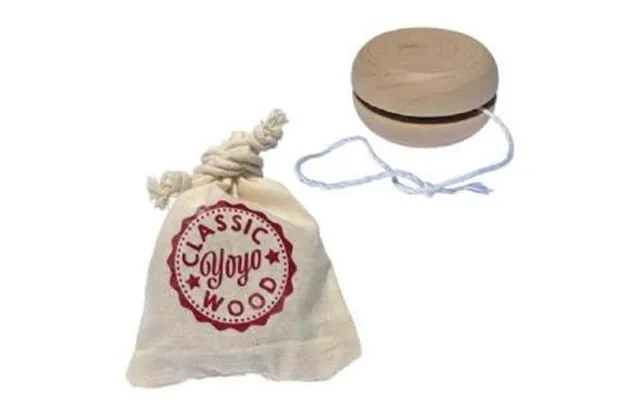
Plastic yo-yos are durable and budget-friendly—perfect for learners and casual play. Aluminum yo-yos deliver a premium feel, smooth spin, and better balance at higher speeds. Bi-metal models add steel rims to an aluminum body to push weight to the edges, boosting stability and spin time—amazing for competition-level tricks. And yes, wood still has a place for that nostalgic feel and looping play, especially if you love a classic aesthetic, though it’s less common in modern string-trick setups.
Most modern yo-yos sit around 2.1 to 2.3 inches in diameter, with widths near 1.6 to 1.8 inches for string tricks. Looping yo-yos may be slimmer to stay fast and responsive. A slightly larger diameter can feel more stable for beginners, while a wider butterfly shape gives you a bigger “catch zone” for landing string elements with confidence. If your hands are smaller, a compact design around 2.0 inches may feel more natural.
Typical weights range from about 2.1 to 2.9 ounces. Lighter throws feel quick and agile; heavier ones can deliver longer, smoother spins but may tire the wrist during long sessions. If you’re new, aim for a middle ground—roughly 2.3 to 2.6 ounces—to balance control and spin time. As you progress, you’ll notice how rim-weighted designs feel more “anchored,” letting advanced tricks unfold without wobble.
Beginner yo-yos should be forgiving, tough, and affordable. Classic responsive plastics from brands like Duncan and Yomega set the standard. Look for models with durable bodies, user-replaceable strings, and a smooth, consistent response. LED light-up versions add instant fun for kids and make nighttime play feel like a mini show, all without complicating the learning curve.
Looping is all about fast, rhythmic arcs. Slim, responsive yo-yos shine here, often with a slightly smaller diameter and a grippy response system. Double looping (two yo-yos at once) is a popular style, so budget-friendly options matter. Many players start with a dependable plastic pair and upgrade once their timing and control click into place.
If you love long sleepers and intricate string elements, go for a butterfly-shaped unresponsive yo-yo. Aluminum or bi-metal designs dominate this space thanks to their balance and spin time. Expect buttery smooth binds, stable horizontal tricks, and the confidence to learn slacks and whips without surprise returns. This is where mid-range and premium throws earn their keep.
Offstring yo-yos are thrown and caught on the string rather than attached to the axle. These larger, grippy-rim models are a blast—think dramatic throws and circus-like catches. Counterweight (also called freehand) involves a weight on the string’s end so the yo-yo can detach and swing independently. For both styles, durability and catchability are key, and many brands offer purpose-built models or conversion kits to get you started.
Duncan is the name most people know, and for good reason. Its beginner range is tough, accessible, and time-tested. If you’re buying for kids or returning to the hobby, Duncan’s responsive offerings tick every box for price, durability, and availability, with lots of colors and special editions to keep things fun.
YoYoFactory spans the full spectrum—from beginner-friendly throws to signature-level metals. Their unresponsive models are known for stability and smoothness, while their responsive options make great stepping stones as you learn binds. If you want modern performance without guesswork, this brand is a solid bet across multiple budgets.
Yomega gained popularity with responsive yo-yos that sleep smoothly and return predictably. They’re a great pick for learners who want confidence from the first throw. Their looping models are especially popular for players who love classic tricks with a polished feel.
If you want high performance without premium prices, MAGICYOYO is worth a close look. Many of their unresponsive aluminum models deliver a stable, competition-style throw for a fraction of the expected cost. They’re great for testing new shapes and weights before you invest in a top-tier brand.
Once you know what you like, boutique brands come into play. Precision machining, unique finishes, and limited runs are the draw here. One Drop is known for clean design and consistency, while CLYW blends performance with artful aesthetics. These are the yo-yos you’ll keep for years, not just because they perform, but because they feel special.
Start with a responsive plastic yo-yo around 2.2 inches in diameter and roughly 2.3 to 2.6 ounces. It should be tough enough to shrug off drops and straightforward enough to feel rewarding within minutes. LED options bring instant smiles and help keep practice sessions going—because fun is the best teacher.
When you’re landing sleepers consistently and dabbling in tricks like trapeze and double or nothing, it’s time to try unresponsive. Look for a butterfly-shaped aluminum yo-yo with a wide gap and a smooth bearing. This setup offers long spin times and stability without feeling unwieldy. Stick with a weight in the 2.4 to 2.7 ounce range to stay comfortable during longer practice runs.
If you’re grinding through complex combos, horizontal play, and high-speed slacks, consider a rim-weighted aluminum or bi-metal. The added stability is a game-changer for trick density and consistency. At this level, preferences get personal—tiny changes in width, weight distribution, and response can make a yo-yo feel like it was tuned just for you.
Strings matter more than most people think. Cotton feels classic and comfy, polyester brings durability and snappier tension, and blends offer a sweet spot for many styles. Replace your string regularly—every few sessions for beginners, more often if you practice daily. Aim for a string length that reaches your sternum or slightly below when doubled, typically around 40 to 50 inches, and adjust to taste.
Bearings define how your yo-yo spins. Most unresponsive setups use a clean, lightly lubed bearing for longer sleep times. A small drop of thin lube helps reduce noise and wear while maintaining spin. If your bearing feels gritty, clean it carefully with a safe solvent, let it dry thoroughly, and re-lube sparingly. For responsive play, a touch of thicker lube increases return.
Response pads control how and when the yo-yo grabs the string. Worn pads lead to weak binds and missed returns. Keep a spare pair in your case and replace them when your binds start feeling slippery. If your yo-yo uses spacers, ensure they’re clean and seated correctly to maintain consistent gap width.
A padded pouch or hard case keeps your yo-yo safe from dings and pocket grit. If you commute with your throw, a small zip case with a slot for spare strings and a bottle of lube is perfect. It’s a simple upgrade that keeps your setup performing like new.
Grinding through long sessions? Finger tape or a thin glove protects your throw hand from string burn during whips, slacks, and repeated binds. It’s not essential for casual play, but once you get hooked on daily practice, you’ll appreciate the comfort boost.
Strings twist and wear faster than you think. When your string starts to fray, kink, or hold weird tension, swap it. A fresh string restores control and reduces accidental knots and snags. Don’t forget to regularly check your string loop near the axle—it’s the first place to show wear.
If the spin gets noisy or gritty, remove the bearing and soak it in a suitable cleaner, then air-dry completely. Add a tiny drop of thin lube, flick-spin it to distribute the lubricant, and reinstall. Avoid over-lubing, which can gum up performance and reduce sleep times.
Keep the axle threads clean and avoid overtightening, which can strip plastic hubs or stress metal threads. If your yo-yo uses adjustable gaps or spacers, make small changes and test. A tiny tweak can transform response and stability. Always reassemble gently, ensuring the string isn’t caught between halves.
Yo-yos are safe, but common-sense rules apply. Give yourself space, avoid throwing near faces or fragile items, and keep long hair and necklaces out of the string’s path. For kids, supervised sessions help build good habits early on.
Prices can swing based on stock, colorways, and limited runs. That’s where a comparison site helps. Instead of jumping between tabs and second-guessing your pick, use a dedicated comparison platform like ZoneOffer to scan yo-yo offers across multiple retailers in seconds. You’ll quickly see which models are on promo, which bundles include strings or cases, and where the real value is—not just the lowest ticket price.
Entry-level responsive yo-yos often sit in the budget bracket, making them perfect for gifts or casual play. Mid-range unresponsive aluminum models form the sweet spot for fast progress without overspending. Premium aluminum and bi-metal throws climb higher due to precision machining and limited finishes. Still, deals pop up frequently—especially around seasonal sales—so it pays to compare and pounce when the price dips.
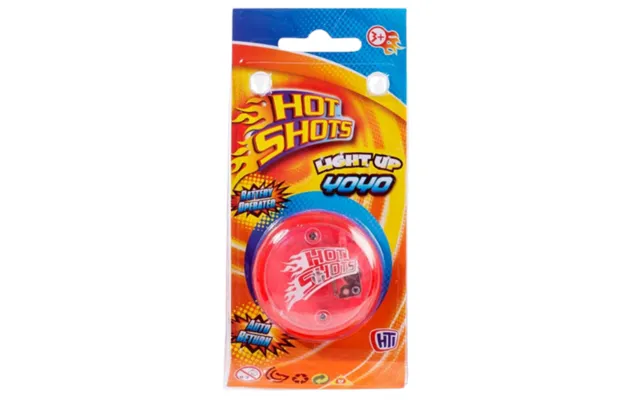
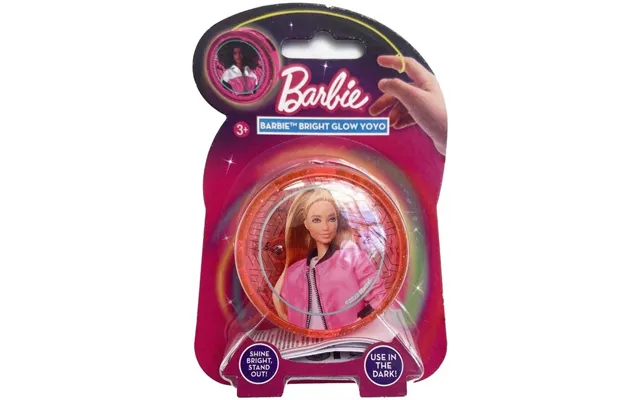
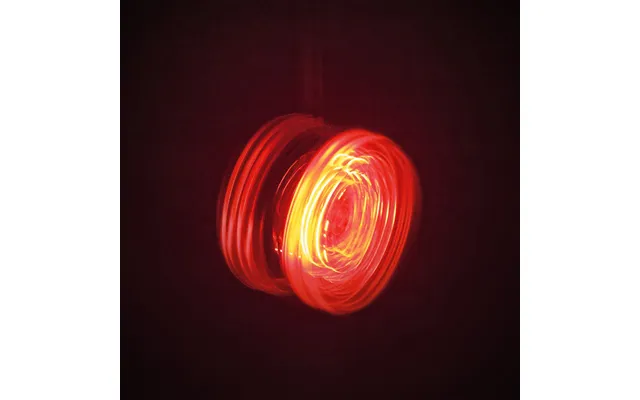
LED yo-yos deliver instant wow factor. They’re usually responsive and designed for fun first, making them excellent party pieces and a playful entry point for kids. Some models even change colors or patterns as you spin, turning simple throws into a mini light show.
Special finishes, artist collabs, and small-batch runs create genuine collector buzz. While you don’t need a limited edition to perform, it’s nice when your daily throw also feels like a piece of art. If you’re into collecting, keep an eye on releases and be ready to move quickly—scarce colorways vanish fast, and prices can jump on the secondhand market.
It’s tempting to grab a pro-level unresponsive yo-yo on day one. But without a consistent straight throw and control over basic sleepers, it can feel frustrating. Start responsive, master fundamentals, then upgrade with confidence—you’ll learn faster and enjoy the ride more.
Old strings sap performance. If your yo-yo suddenly feels off, replace the string before you blame the bearing or body. A fresh string can make an average yo-yo feel great and a great yo-yo feel magical.
Choose a responsive plastic with a durable body and a smooth return. Add a spare pack of strings, and you’re set. Once you land consistent sleepers and a few mounts, you’ll know exactly what to look for when you step up.
Jump to a wide, stable unresponsive aluminum model with a reliable bearing. Keep thin lube and extra response pads handy. You’ll unlock long tricks, tight binds, and smooth combos that make every session feel like progress.
From classic responsive spinners to precision-engineered unresponsive throwers, the yo-yo world is a playground of possibilities. Understanding shapes, materials, and performance factors helps you choose a model that suits your hands, your style, and your budget. Keep your string fresh, treat your bearing kindly, and practice a little every day—you’ll be amazed how quickly the basics turn into beautiful flows. And when you’re ready to buy, use a comparison site like ZoneOffer to scan yo-yo offers and build your own price list at a glance. The right throw is out there, and the best deal is usually just a smart comparison away. Ready to throw?