

Bird Gyms & Playstands price list
Last updated Monday, 19 Oct 2026





View 6 Offers

Loading...
Last updated Monday, 19 Oct 2026
Ever watched your bird bounce from perch to perch and wished you had a safe, fun “playground” outside the cage? That’s exactly what bird gyms and playstands deliver. They transform out-of-cage time into a structured, stimulating routine that keeps your feathered friend fit, curious, and engaged. Whether you’re caring for a tiny budgie or a big, beak-strong macaw, a well-chosen playstand becomes the go-to hub for training, enrichment, and bonding.
In the UK, there’s a broad range of bird gyms and playstands to explore—from compact tabletop stands for flats to premium hardwood floor gyms that feel like a mini jungle. Comparison platforms like ZoneOffer make it easier to weigh up features, sizes, and value across multiple shops, so you can choose confidently. Let’s break down everything you need to know before you buy, including sizing, materials, must-have features, and smart setup tips.
A bird gym or playstand is a dedicated structure designed for safe out-of-cage activity. Think perches, ladders, toy hooks, food cups, and sometimes swings—all arranged on a sturdy base to encourage movement and mental stimulation. Instead of your parrot claiming the curtain rod (we’ve all been there), a playstand gives your bird a designated “hangout” that’s easy to supervise and simple to clean.
The best stands strike a balance: they’re stable enough for confident climbing, varied enough to spark curiosity, and durable enough to withstand busy beaks and claws. Most owners use a playstand for training sessions, daily exercise, and enrichment while keeping their home furnishings off the “chew list.”
Out-of-cage time isn’t a luxury; it’s a core part of avian wellbeing. A quality playstand delivers several benefits in one neat package: exercise to maintain healthy weight, varied perching to support foot health, and mental challenges that reduce boredom and stress. A bored bird is a noisy or destructive bird. A busy bird? That’s a calmer, more content companion.
Think of a playstand as the gym, classroom, and lounge rolled into one. It’s the space where your bird learns new cues, builds confidence, and discovers toys you rotate in. And the best part? It becomes your bird’s predictable “spot,” which helps them settle more quickly during training and reduces territorial behaviour around the cage.
From compact “park-and-play” stands to tall rolling gyms, there’s a style for every room and species. Knowing the differences helps you match the stand to your bird and your lifestyle.
Tabletop playstands are ideal for small spaces, travel, or quick training sessions. They often feature a central perch, a couple of toy hooks, and small cups on a tray-style base that catches mess. A good tabletop stand spans roughly 12 to 24 inches in width to give your bird space without swallowing your desk or dining table. These are perfect for budgies, lovebirds, parrotlets, and cockatiels, and they’re handy for keeping your bird nearby while you work.
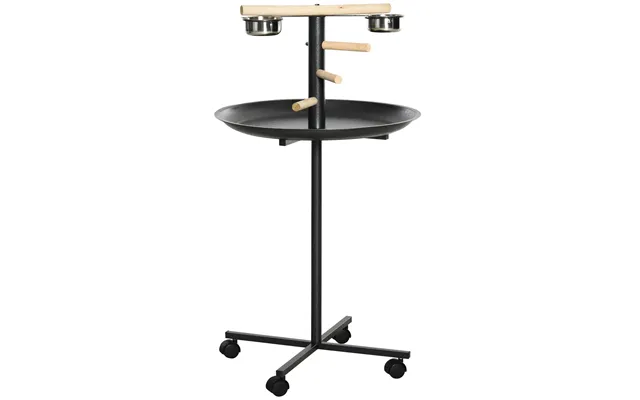
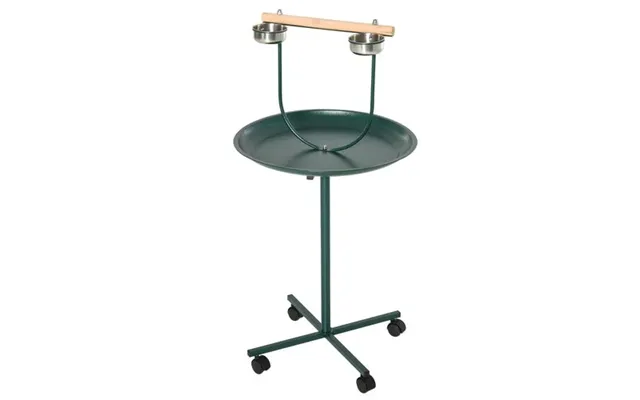
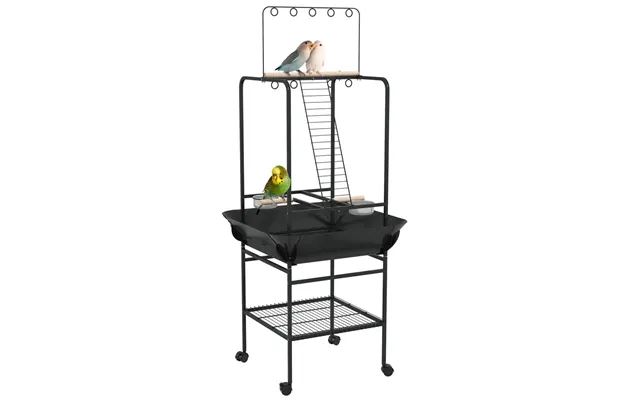
Floor-standing gyms are the heavy hitters for medium to large parrots. Standing between about 4 to 6 feet tall, they typically include varied perch heights, ladders, toy hooks, and large feeding bowls, all on a robust, easy-to-clean base. Casters with brakes make them easy to move between rooms. If you have an African grey, Amazon, cockatoo, or macaw, a well-built floor stand with wide, textured perches can become the main stage for training and play.
Hanging gyms or window-mounted perches are space-savers that let you place enrichment areas at eye level. These are best reserved for smaller species unless they’re anchored extremely well. If you go this route, choose sturdy fixtures and keep the surrounding area free of hazards. Bonus: a window view can provide the perfect TV for bird brains—just ensure there’s shade and no drafts.
Travel stands are lightweight, quick to assemble, and easy to stash in the car. They’re fantastic for vet trips, training in new spaces, or giving your bird a familiar “home base” when you visit friends. Look for non-slip bases and secure, screw-in perch posts so nothing shifts when you set up in a new environment.
Not all playstands are created equal. Materials determine durability, ease of cleaning, and safety. For birds that chew—or birds that might chew—material choice is everything.
Hardwoods like manzanita, java, and dragonwood are prized for their irregular shapes and impressive toughness. The natural variation promotes healthy foot exercise and helps prevent pressure sores. If you’ve got a beak-strong bird, a hardwood stand can outlast softer woods by years. Just remember: hardwoods can be heavier, so make sure the base and casters are up to the task.
Stainless steel is the gold standard for hygiene and longevity. It won’t chip, rust, or flake, and it’s a breeze to clean. Powder-coated steel stands offer good value if the coating is high quality and non-toxic. Inspect welds and joins, and confirm that any paints or coatings are bird-safe. If your bird is a determined chewer, stainless steel bowls and fixtures are a smart upgrade.
PVC stands can be surprisingly sturdy and light, with easy-wipe surfaces that simplify cleaning. They’re often budget-friendly and customizable, but make sure all edges are smooth and joints are securely bonded. If you choose PVC, add textured wraps on perches or mix in natural wood to prevent slick footing.
A wide, stable base with raised edges acts like a “crumb catcher” for husks and droppings. Look for metal trays with a powder-coated or stainless finish for longevity. Wood bases can look gorgeous but need a sealed, non-toxic finish to withstand cleaning. A removable tray is a time saver—slip it out, wipe it down, slide it back in, done.
Size isn’t just about height or footprint; it’s also about perch diameter and spacing. The right size protects joints, encourages natural posture, and gives your bird room to explore without feeling stranded.
For small birds, perch diameters around 0.5 to 0.75 inches keep toes active without overstretching. Tabletop stands with a footprint around 12 to 20 inches wide are usually perfect for daily play. Add multiple step-up points so they can climb rather than rely on long flights across open space.
Medium parrots thrive with perch diameters roughly 0.75 to 1.25 inches. A floor stand 4 to 5 feet tall with at least two levels encourages climbing and short flights between perches. Ensure cups are stainless steel and well-secured—curious conures are professionals at bowl-flinging.
Large species need robust stands with perch diameters around 1.25 to 2 inches. Height in the 5 to 6 feet range provides vantage points that feel secure without being too dominant in shared spaces. Aim for broad, heavy bases to prevent tipping, and choose hardwood or stainless elements that shrug off determined chewing.
Features can turn a basic stand into a beloved “clubhouse.” Look for the right combination of comfort, enrichment, and practicality for cleaning and maintenance.
Mix smooth and rough textures, thick and thin diameters. Natural branch perches with gentle irregularities promote micro-movements that support foot health. Avoid perfectly uniform dowels as the only option. Even on PVC stands, you can add textured wraps or bolt-on natural perches to diversify the feel.
At least two toy hooks let you rotate enrichment regularly. Add foraging cups or skewers for leafy greens, paper-wrapped treats, or puzzle toys. Foraging turns mealtime into an activity, burning mental energy that would otherwise go into screaming or redecorating your bookshelf.
Stainless steel bowls resist chewing and are easy to sanitize. Choose locking cup holders so a clever beak can’t liberate the bowls. Position cups far enough from main perches to reduce contamination but close enough for convenience during training sessions.
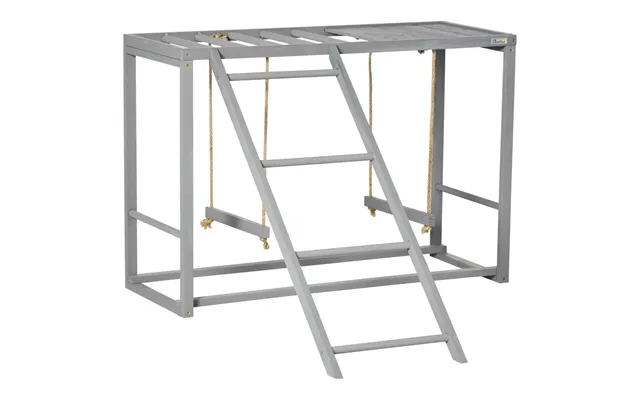
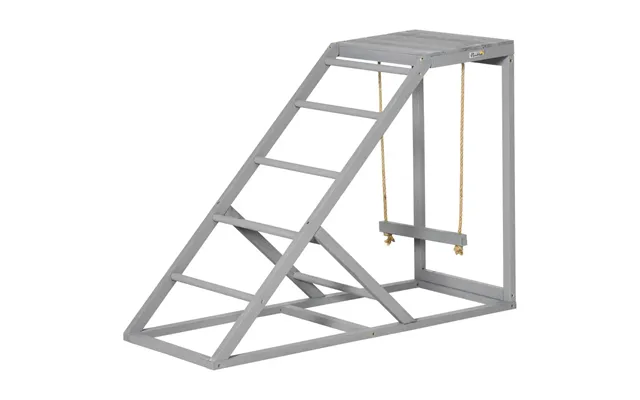
Multiple access routes help build confidence. A ladder here, a short swing there, and a side perch to bridge a gap—suddenly your stand becomes a mini obstacle course. Offer a “rest perch” up high and a “training perch” at a comfortable height for you to cue step-ups and target touches.
Locking casters allow easy repositioning from living room to kitchen while keeping the stand rock-solid during use. Give the stand a gentle wobble test before your bird hops on; if it sways, widen the base or lower the center of gravity by placing heavier items on the tray.
Where you place a playstand matters as much as what you buy. You want visibility without chaos, sunlight without overheating, and airflow without drafts. A smart setup makes your bird feel included—but not overwhelmed.
Place the stand where your bird can see family life without being right in the line of foot traffic. Near a window is great if you can offer shade and avoid glare. Keep at least a couple of feet from walls to prevent smudges and give room for wings to flap.
Birds love natural light, but too much direct sun can overheat them. Offer partial shade or a canopy perch. Avoid drafty doorways and vents. If you open windows, ensure screens are secure and there are no dangling cords within reach.
Out-of-cage time is always supervised time. Keep electrical cords, scented candles, non-stick cookware fumes, and houseplants of unknown safety well out of range. Think like a curious parrot: if it looks chewable, it probably is.
A playstand is prime real estate for training because it’s neutral territory and free from cage territoriality. Short, upbeat sessions are best—end on a win, and your bird will sprint to the stand next time.
Use a designated “training perch” at chest height so you’re both comfortable. Practice step-ups, step-downs, and target touches using a clicker or a consistent marker word. A dozen reps spaced over a few minutes keeps engagement high and frustration low.
Hide small treats in paper cups, wrap snacks in coffee filters, or use stainless skewers for leafy greens. Rotate toys every few days to refresh interest. A simple rule: when your bird looks bored, swap one item and slightly re-arrange pathways.
For flighted birds, short recall flights to and from the stand build confidence and deepen your bond. Start with an arm’s length, then gradually increase distance. Reward generously for every successful recall, and keep sessions upbeat—think mini victories, not marathons.
Clean, safe, and simple—that’s the upkeep mantra. A tidy stand keeps feet healthy and prevents bacteria buildup around food stations.
Wipe down perches and trays, empty food cups, and spot-clean any droppings. Ten minutes a day keeps the weekly deep clean from turning into a project.
Remove toys, bowls, and detachable perches. Wash with warm water and a bird-safe cleaner. For stainless and hardwoods, a non-scented, diluted cleaner works best; rinse thoroughly and air-dry before reassembly. Check hardware for wear and tighten any loose fixtures.
Avoid harsh chemicals, aerosols, and strong fragrances. Plain dish soap diluted in warm water is often enough. For stubborn spots, a paste of baking soda and water can help—rinse well afterward. Always dry metal parts to prevent corrosion on non-stainless components.
Prices vary widely based on materials, size, and brand. Before you buy, set priorities: durability, ease of cleaning, and the right features for your bird. Sometimes paying more up front saves you from replacing a flimsy stand later.
Entry-level tabletop stands and PVC builds can be excellent starter choices for small to medium birds. Look for sturdy joints, safe finishes, and removable trays. If it wobbles out of the box, it’s a pass.
Well-built powder-coated or mixed-material stands with stainless bowls often sit in the sweet spot for value. You’ll get good stability, decent features, and a durable base without paying premium hardwood prices.
Manzanita or java stands with stainless hardware cost more, but they’re stars for longevity and foot health. If you share your life with a large, determined chewer, premium materials can actually be the most cost-effective choice long term.
Shopping online for bird gyms and playstands is simpler when you know how to spot value. A good comparison strategy focuses on safety, size, materials, and real-world owner feedback.
Comparison platforms such as ZoneOffer bring together offers from multiple retailers so you can weigh features, prices, and availability in one place. Use filters to narrow by material, size, or stand type, then dig into the details before you click through to the seller.
Confirm overall height, base width, and perch diameters in inches to match your bird’s size. Look for stainless bowls, locking casters, and removable trays. Scan product photos for weld quality, secure fastenings, and toy hook placements that make sense for your setup.
User reviews highlight practical wins and pain points—wobble, chipping finishes, or hardware that loosens. A solid warranty and access to spare parts (extra bowls, replacement perches) indicate a manufacturer that expects their stand to work hard for years.
A playstand shines when paired with the right accessories. A few small upgrades can turn a simple stand into a top-tier enrichment zone.
Rotate a mix of shreddables, hardwood chews, and puzzle toys. For chewers, include safe wood blocks; for problem-solvers, add foraging wheels or treat cups that require a little cleverness.
A wide, washable floor mat under the stand keeps floors tidy. Some owners add clip-on seed guards to catch spray and husks—especially helpful with small, messy seed eaters like budgies.
If your bird is harness-trained, a travel stand near the door makes suiting up easier. For vet trips, a familiar travel stand or perch reduces stress and helps your bird transition smoothly between home and carrier.
A few pitfalls can undermine even the best purchase. Dodge these, and you’ll get more out of your stand from day one.
Perches that are too thin or too thick can strain feet. Match perch diameter to species and ensure your bird can wrap toes comfortably without the claws meeting completely underneath.
Uniform dowels don’t offer enough variety. Always include irregular, textured perches to encourage natural flexing and grip changes throughout the day.
It’s tempting to load every hook with a toy, but crowded stands can feel chaotic. Keep pathways clear so your bird can move confidently, and rotate a few favourites weekly to keep the experience fresh.
Bird gyms and playstands are more than pet furniture—they’re the stage where your bird’s best self shows up. Choose a stand that fits your space, matches your species, and makes daily training and cleaning easy. Then place it where your bird can see the action, rotate toys to keep curiosity alive, and enjoy the transformation. When your parrot has a dedicated place to climb, chew, forage, and learn, you’ll both look forward to out-of-cage time every single day.