All categories
Business & Offices
Electronics & Media
Fashion & Accessories
Groceries & Essentials
Health & Personal Care
Home & Living
Kids & Family
Sports & Outdoors
Search in ZoneOffer

Loading...
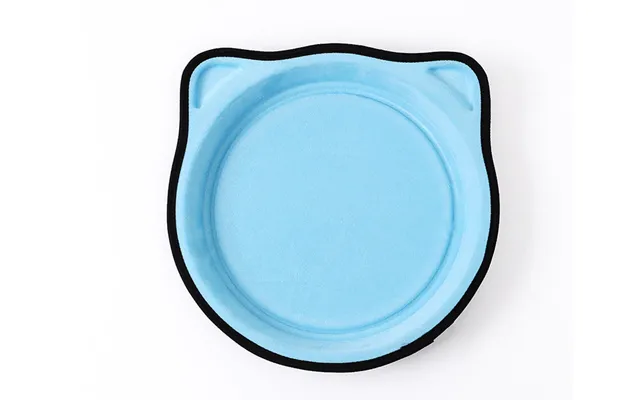
If your cat treats your sofa like a personal throne, you’re not alone. But here’s the thing—give them a bed that’s designed for how cats actually sleep, and you’ll watch that sofa suddenly lose its crown. The right cat bed supports joint health, regulates temperature, reduces anxiety, and gives your furry friend a safe haven they’ll adore. In the UK, popular offers on cat beds are everywhere, and price lists can feel dizzying. Let’s cut through the noise and zero in on what’s worth your money—so you can compare options smartly and snag a dreamy deal.
What’s flying off the shelves today? Think plush donut beds that feel like a hug, cave-style pods for shy kitties, orthopedic foam beds for seniors, and space-saving perches made for windows and radiators. Self-warming and low-watt heated beds are also trending—perfect for British homes that can get a little chilly in winter. When you scan a price list or browse a comparison platform, these categories crop up again and again because they solve real cat problems. Let’s break down the best of the bunch, so you can match features to your cat’s sleeping style.
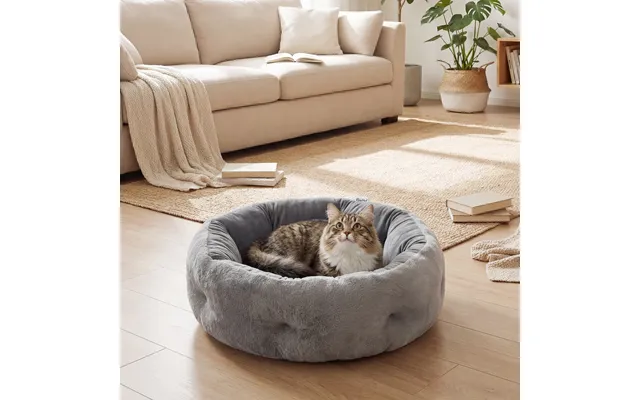
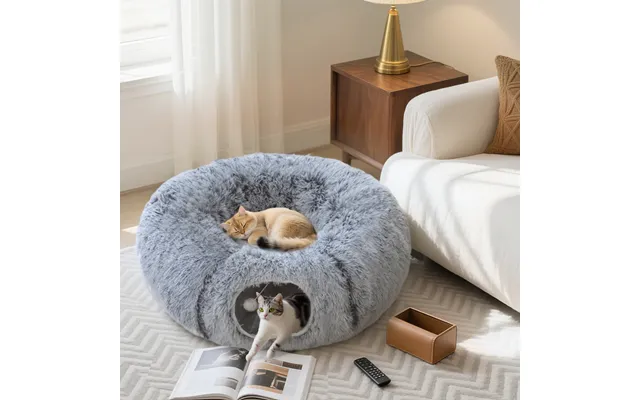
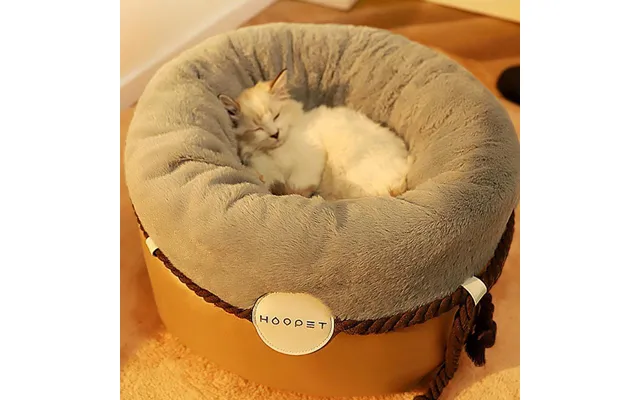
These round cloud-like beds with raised bolsters are all about security and softness. Cats that curl into tight doughnuts love the support around their neck and back. Look for deep plush or faux fur, a grippy base, and a removable, machine-washable cover. Typical diameters range from about 18 in for smaller cats to 24–30 in for larger or multi-cat naps. Expect solid mid-range pricing, with premium versions boosting fill density and stitching for durability.
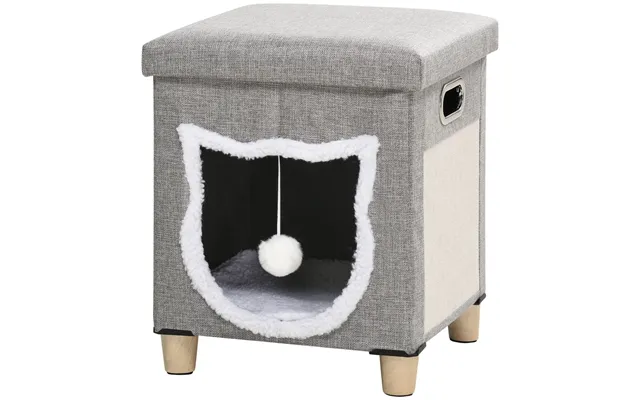
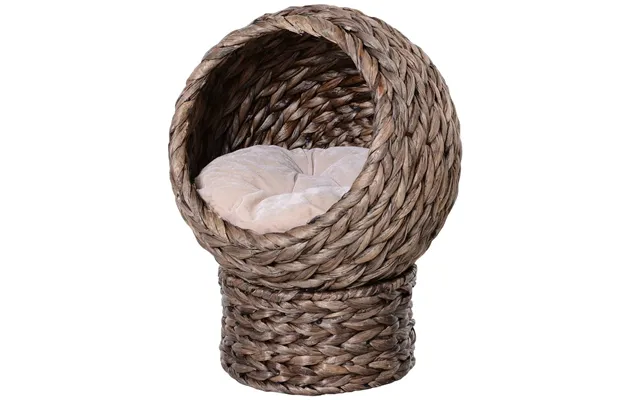
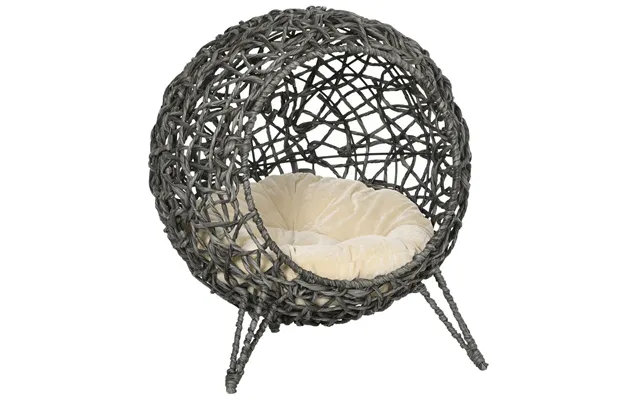
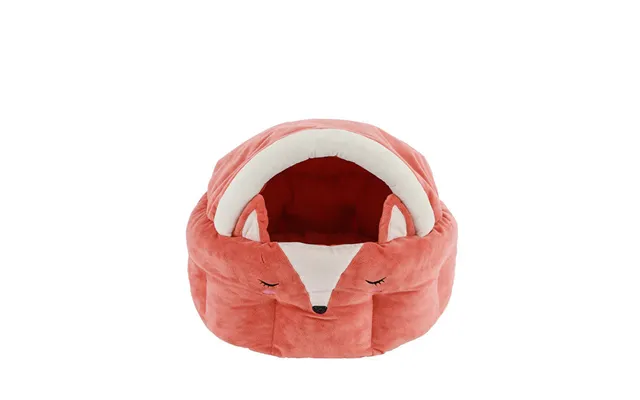
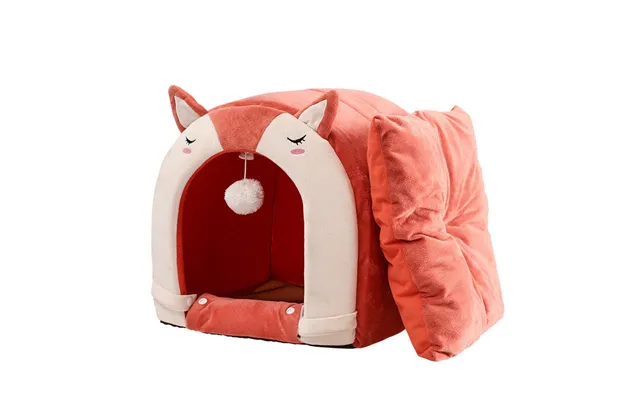
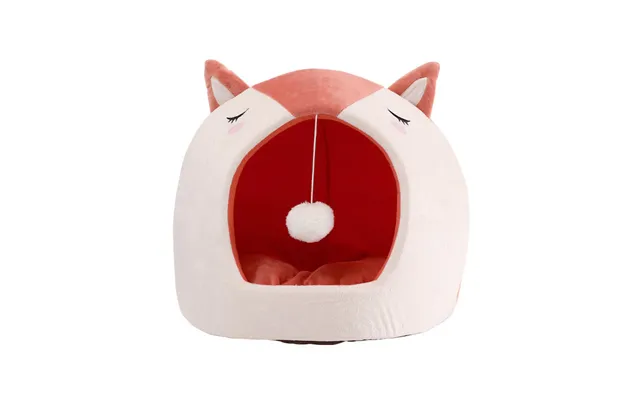
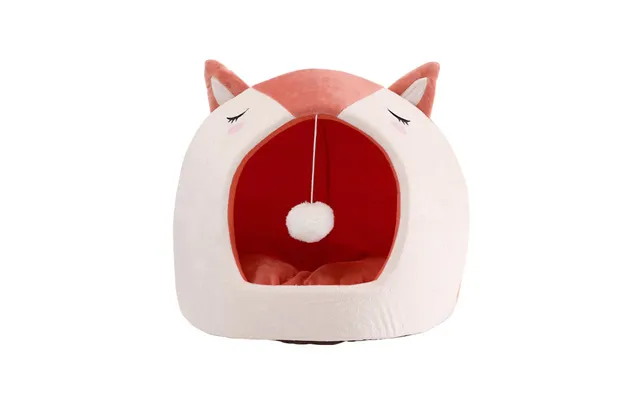
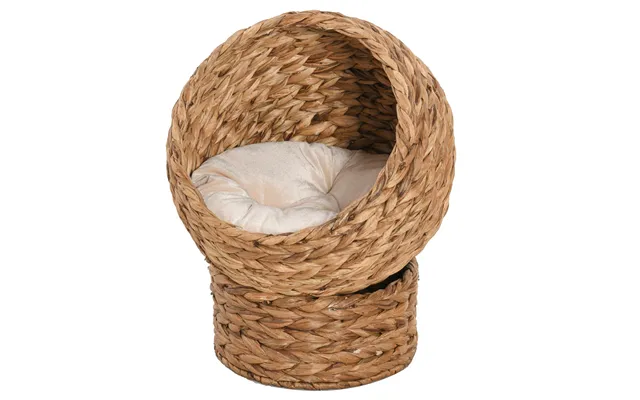
If your cat hides under blankets or slips into boxes, a cave bed is calling their name. These enclosed pods or igloos block drafts and muffle household noise, helping anxious cats decompress. Felted wool and thick plush interiors are popular picks. Make sure the entrance is roomy enough (around 7–9 in across), and check that the base is sturdy so the “roof” doesn’t collapse during dramatic zoomies.
Heated cat beds use gentle, low-watt elements, often regulated to hover near a cat’s natural resting temperature (around 100–102°F at the surface when in use). Great for older or slim cats that get cold easily. Self-warming beds skip the electrics and use reflective layers to keep body heat where it belongs. For UK homes where rooms can run cool, these are a comfort upgrade your cat will instantly understand.
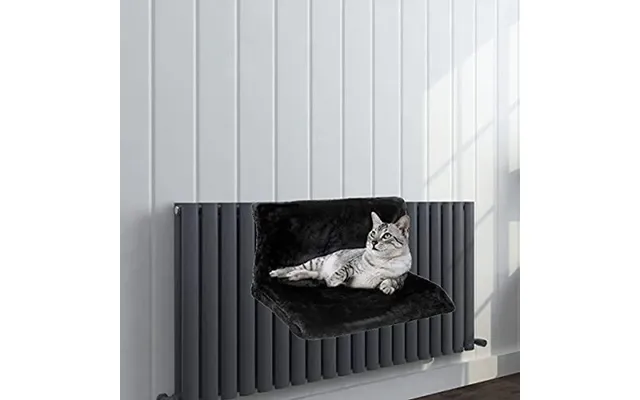
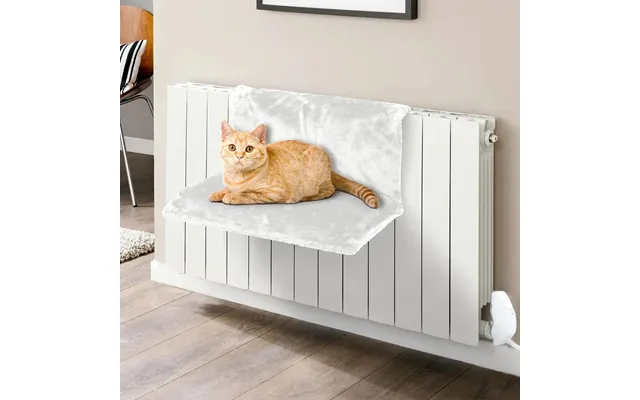
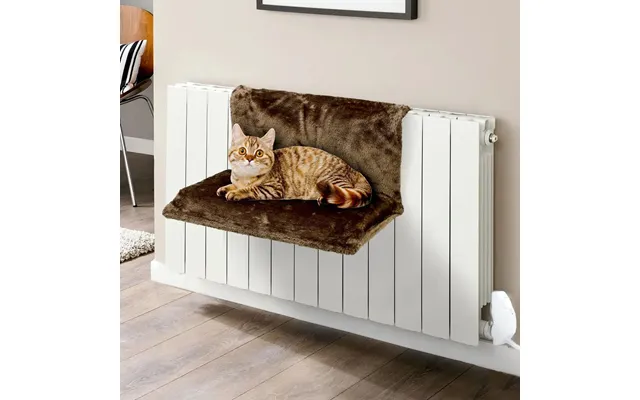
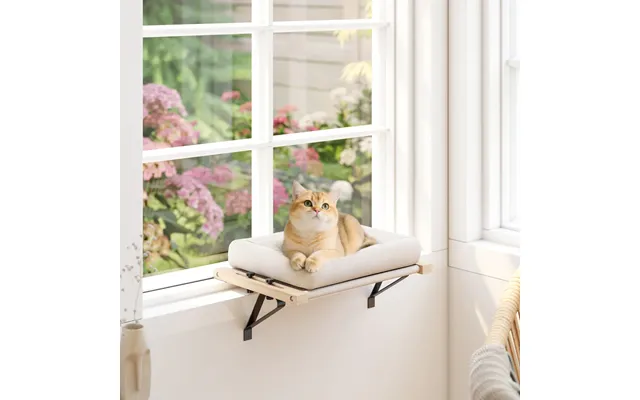
Got a little bird-watcher or sun worshipper? Window perches and radiator hammocks give cats a front-row seat to the outside world while saving floor space. Check weight ratings carefully (some support 20–40 lb), confirm your sill depth in inches, and make sure any radiator hammock fits your style of radiator. The best models have strong brackets, washable covers, and robust fabric that won’t sag after a few months.
For seniors, large cats, or any kitty with joint sensitivity, orthopedic foam is a game-changer. Look for high-density foam with at least 2–3 in of thickness, a supportive base, and a softer top layer for pressure relief. A water-resistant liner helps guard against accidents or spills, and a zip-off cover makes cleaning a breeze. These beds often sit in the premium bracket, but they can extend comfortable sleep time and reduce stiffness.
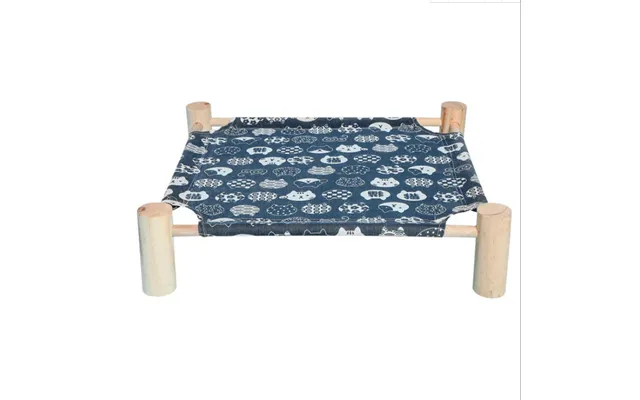
Raised beds (about 5–7 in off the floor) allow air to circulate, keeping your cat cooler in warm weather and away from cold floors in winter. Mesh or canvas sleeping surfaces are breathable and quick to clean. Some models work indoors and outdoors so you can roll out a little patio lounge when the sun’s out. Bonus: elevated designs resist dust and fur build-up under the bed.
Here’s the easy way: measure your cat from nose to the base of the tail in inches while they’re fully stretched, then add 2–6 in depending on whether they curl or sprawl. Curlers do great with snug, round beds; sprawlers appreciate longer, rectangular beds. For kittens, smaller beds around 14–18 in feel cozy and secure; adult cats often prefer 18–24 in; large breeds or chunky snuggle-bugs may need 24–30 in with a generous sleeping area. Always check weight ratings for perches and hammocks—stability matters.
Round beds mimic the curled sleeping position and keep warmth close, making them a favorite for many cats. Rectangular or oval beds shine for side-sleepers and cats that stretch like yoga instructors. If your cat rotates positions, consider a rectangular bed with bolstered sides—best of both worlds, no compromises.
High bolsters offer a cocoon-like feel and a handy chin rest, perfect for anxious cats or kitties that love to tuck into corners. Open mats and low-sided beds are great for mobility-challenged seniors and heat-sensitive cats who like airflow. When in doubt, try one of each in different rooms and watch where your cat naturally drifts.
Durability isn’t glamorous—until a seam pops. Seek double stitching, dense fill that rebounds after compression, and a heavy-duty zipper if the cover removes. Top fabrics include faux fur, sherpa, velour, durable canvas, and linen-look weaves. Inside, premium polyester fill keeps things fluffy, while memory foam or egg-crate foam boosts joint support. Non-slip bases are essential on wood or tile floors. If you’re eyeing heated models, look for chew-resistant cords and a thermostat that maintains gentle warmth without hot spots.
Machine-washable covers are the sanity-saver you didn’t know you needed. Ideally, the whole cover zips off; some donut beds let you toss the entire bed into the machine but check the label first. A water-resistant or waterproof inner liner protects foam from spills. Vacuum weekly, spot clean as needed, and give the bed a deeper wash every couple of weeks—more often during shedding seasons. A quick tumble refresh helps restore loft, especially for plush beds.
Homes across the UK can swing from toasty lounges to drafty hallways depending on the season and the radiator setup. In colder months, heated or self-warming beds near (but not directly on) warmth sources keep cats blissfully snoozy. When the weather warms up, breathable mesh cots or lightly padded mats shine. Think of your cat’s bed like your own duvet swap—choose the right layer for the season and they’ll use it more.
Self-warming beds trap heat efficiently, while low-watt heated beds usually hover around a cozy 100–102°F when occupied. Place them in quiet corners away from drafts. If you use a radiator hammock, ensure it’s firmly mounted and that the fabric doesn’t overheat—your cat’s comfort should feel warm, never hot. A hooded cave bed can add an extra barrier against cool air without plugging anything in.
In warmer rooms, elevated cots and thin, breathable mats prevent that sticky, overheated feeling. Window perches make the most of sunny spots without turning into a sweatbox, especially if the fabric is ventilated. If your cat loves plush year-round, look for lighter-pile fabrics and open-sided shapes that don’t trap too much warmth.
Kittens need low entrances and snuggly walls that help them feel safe. Seniors benefit from orthopedic bases, low profiles, and open fronts so they don’t have to step high. Big cats (or multi-cat cuddling teams) need wider sleeping areas—think 22–30 in—and bolsters that don’t flatten under weight. If your cat tips the scale above 15–20 lb, check structure and weight limits, especially for perches and hammocks.
Cave beds, teepees, and hooded designs offer a quiet retreat. Look for entryways around 7–9 in for easy access and interiors lined with plush or felt that dampen sound. Placing the bed in a low-traffic corner works wonders. A familiar blanket inside can seal the deal.
Consider an oversized donut bed or a rectangular orthopedic bed where two cats can settle without elbow wars. Double window perches with 40–60 lb total weight capacity are brilliant for buddy naps. If “sharing” isn’t in their vocabulary, set up multiple beds in different zones to reduce turf disputes.
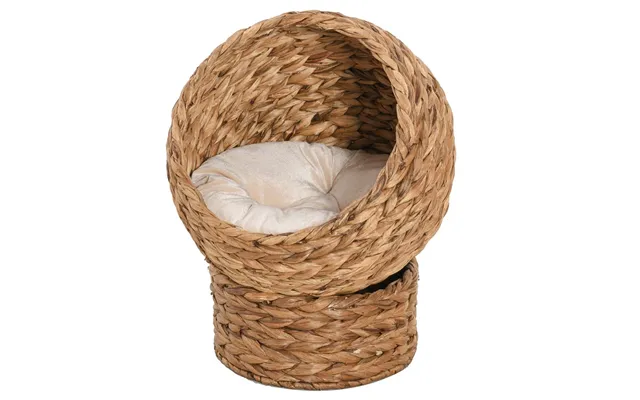
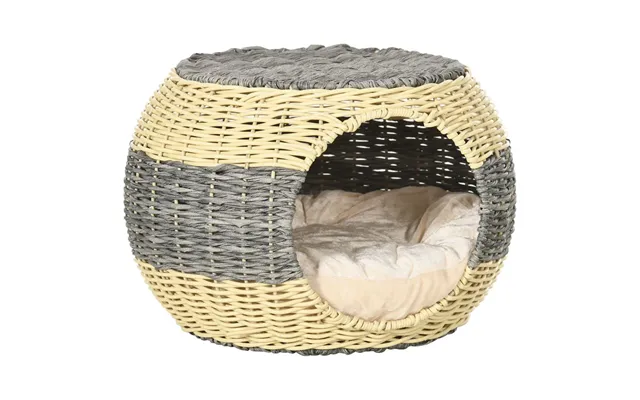
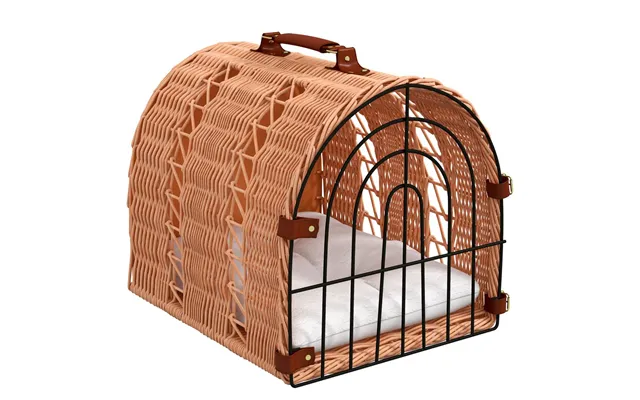
You don’t need to sacrifice your interior vibe for cat comfort. Felted pods blend into minimalist spaces, wicker baskets with plush inserts lean rustic-chic, and faux-leather bases look sleek while resisting stains. Neutral greys and taupes hide fur fallout between cleans, while darker shades disguise scuffs. Keep the underside non-slip to protect wood and tile floors—and to stop sliding during those dramatic leaps.
Price lists can feel all over the map because materials, size, foam quality, and brand reputation vary widely. You’re paying for stitch quality, fill density, removable covers, and special features like heat or orthopedic foam. Comparison platforms let you scan popular offers side by side so you can spot when a premium feature dips into a mid-range price. Keep an eye on seasonal promos around colder months—heated and cave beds often see the biggest markdowns then.
Entry-level beds under £20 cover basic mats and small plush rounds. The sweet spot for quality-and-value tends to sit around £20–£40, getting you better fabrics, washability, and sturdier build. Orthopedic, heated, and designer options land roughly in the £40–£80 range. Luxury or artisan beds can run £80+, especially for oversized designs or natural materials like thick wool felt. Prices move, so comparing before you buy pays off.
Instead of hopping between dozens of retailers, use a price-comparison site to line up deals, specs, and user ratings in one place. You’ll quickly see which cat beds are trending, which offers are genuinely good, and where a “deal” is just a fancy label. Remember, ZoneOffer is a comparison platform—not a store—so it’s built to help you weigh options, check price history, and pounce on the best value across multiple sellers.
Compare like-for-like sizes in inches, check the foam thickness, verify machine-washable covers, and look for real photos in reviews. If a price looks too good to be true for a heated or orthopedic model, the compromise is usually in build quality or fabric. Also, confirm weight ratings for perches and hammocks. A few quick checks beat disappointment every time.
Cats are opinionated, but you can stack the deck. Place the bed where your cat already naps—near a window, beside your sofa, or in a quiet corner. Sprinkle a bit of catnip or add a blanket that smells like you. Offer treats when they investigate. Keep it low-pressure: no forcing, no moving the bed every hour. Within a few days, most cats make the new spot their own.
Vacuum fur weekly with a brush attachment, and run a lint roller between vacuum sessions. Wash removable covers every 1–2 weeks, or more often during shedding bursts. Fluff plush beds by hand to restore loft. For memory foam, don’t soak the core—wipe it with a damp cloth and mild soap, then let it air dry fully before re-covering. Rotating two beds is a neat trick: one in use, one being cleaned.
Buying too small is the classic error—measure your cat and add a few inches. Don’t ignore non-slip bases on floors where sliding equals “nope, not sleeping there.” Avoid perches without proper hardware or clear weight ratings. Resist ultra-cheap heated beds with vague temperature controls. And one more: if the cover isn’t washable, be realistic about how that’ll feel in two months’ time.
For sun-chasers, choose a window perch with a deep, padded cover and at least a 20–30 lb rating. For radiator lovers, go for a hammock built for your radiator style with robust brackets and washable fabric. For anxious cats, a felt cave with a 7–9 in entrance calms nerves. For seniors, pick a 2–3 in orthopedic bed with an open front. For big cats or duos, a 24–30 in donut or a wide rectangular bed keeps the peace. Simple matches, happy naps.
Want comfort with a conscience? Seek beds with recycled polyester fill, natural wool or cotton covers, and replaceable parts like zip-off covers to extend life. Sturdy stitching, durable fabrics, and timeless designs reduce replacements. When you do retire a bed, repurpose it as a travel nap pad or donate it to a local rescue if it’s still in good shape.
Round plush donut beds dominate when the weather cools, while self-warming mats and orthopedics trend year-round. Radiator hammocks see a spike during colder months, and window perches surge when the sun peeks out. You’ll often find bundle deals pairing a cave bed with a spare cover or a perch with extra pads. Keep your eyes peeled—when a best-seller dips in price, it can disappear fast.
Beyond materials and size, factors like removable covers, reinforced stitching, heavy-duty zippers, chew-resistant cords, and temperature regulation move the price needle. Brand reputation and warranty length can nudge costs up too. The trick is matching features to your cat’s actual habits. If your cat never perches, skip the window hardware. If your cat is a kneader, prioritize thicker plush and tough seams. Buy for the cat you have—not the one on the product photo.
From snug donut nests to supportive orthopedic pads and sunny window perches, the best cat bed is the one your cat consistently chooses. Measure in inches, match the shape to their sleep style, and prioritize washable, well-built designs. Then compare popular offers and scan price lists on a trusted comparison platform to make sure you’re getting real value. Do that, and you’ll land a cat bed that looks good in your home, feels great for your feline, and holds up long after the novelty wears off.