All categories
Business & Offices
Electronics & Media
Fashion & Accessories
Groceries & Essentials
Health & Personal Care
Home & Living
Kids & Family
Sports & Outdoors
Search in ZoneOffer

Loading...
Cat furniture isn’t just another cute accessory—it’s your ticket to a calmer, happier home. Think of it as a playground, gym, and safe zone rolled into one. Cats crave vertical territory, scratching outlets, and cozy hideaways. Give them that, and they’re less likely to shred your sofa or dominate your dining table. The best part? With popular offers and a clear cat furniture price list to compare, you can upgrade your cat’s lifestyle without blowing your budget. Ready to find pieces your cat will actually use—and you’ll actually like looking at? Let’s dive in.
All cat furniture isn’t created equal. Some towers wobble, some scratchers flop, and some perches become instant favorites. Knowing the main types helps you pick pieces that match your cat’s habits and your home’s layout. Below are the categories that consistently deliver value, comfort, and style.
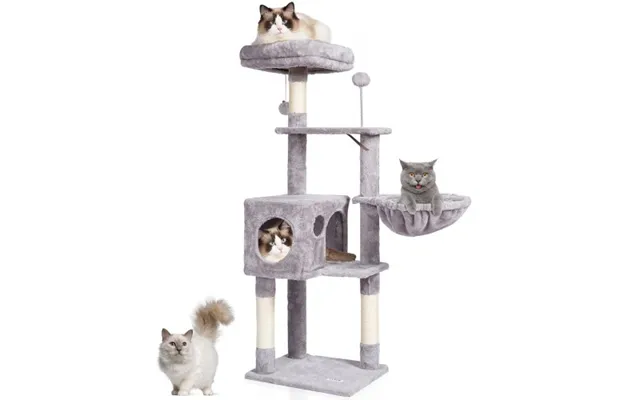
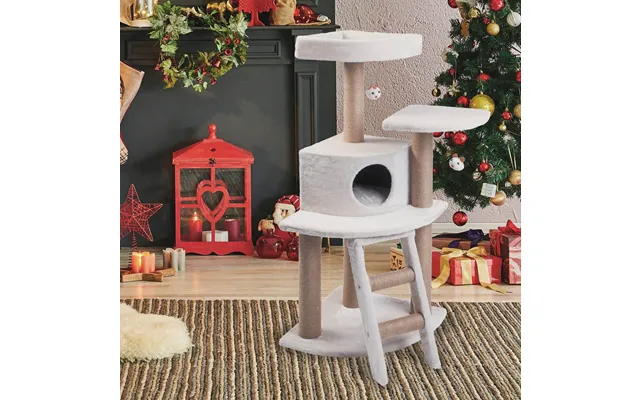
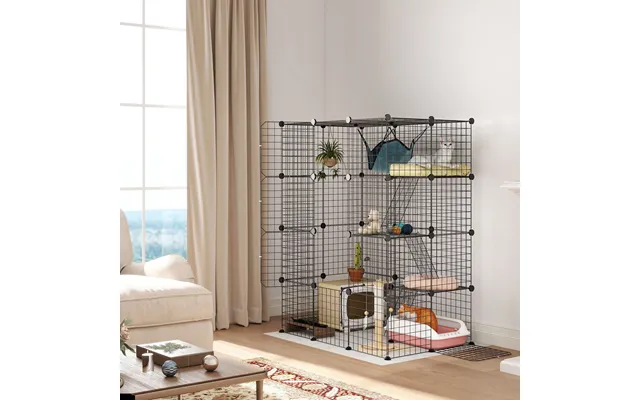
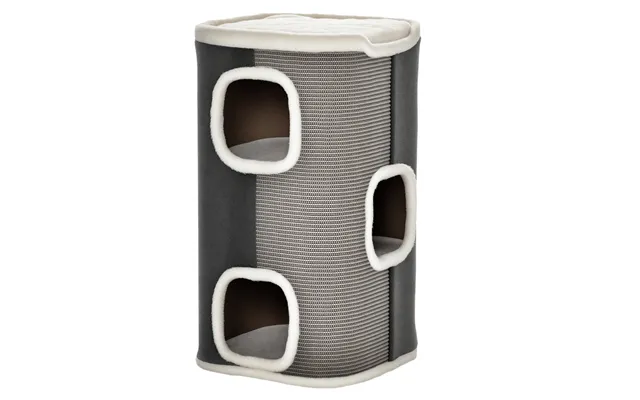
Cat trees are the multi-story marvels of the feline world. Look for sturdy designs with a base at least 20 inches wide, platforms around 12 to 16 inches, and posts wrapped in sisal. Tall towers—5 to 7 feet—give climbers a proper lookout while shorter trees—3 to 4 feet—fit snugly in small rooms. If your cat loves to perch high and survey “their kingdom,” a tower with a top bed and a few mid-height steps is a winner.
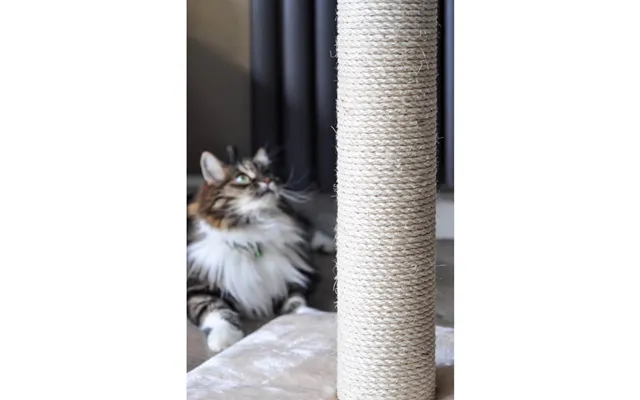
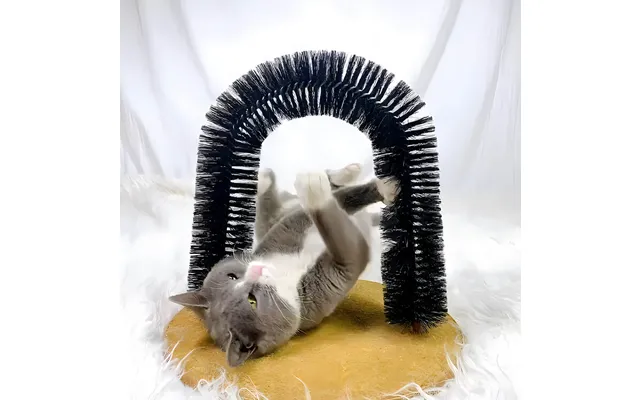
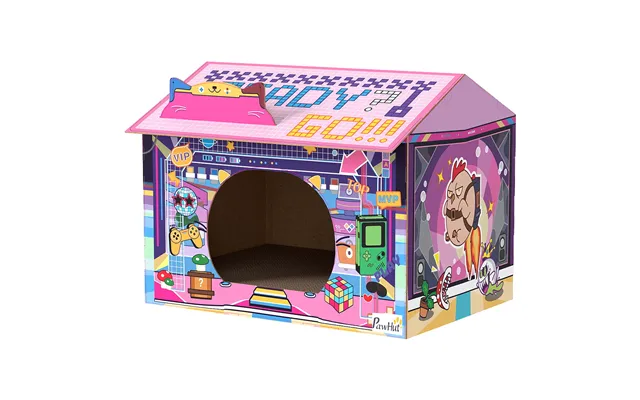
Scratching stops boredom and keeps claws healthy. A proper post should be taller than your cat at full stretch, usually 28 to 32 inches for most adults. Sisal rope provides the best texture for long-lasting wear, while sisal fabric feels luxe and is quieter. Horizontal cardboard scratchers are great too—especially for cats who prefer a lower stance—but they wear out faster. Consider a combo: one tall post plus a cheap replaceable scratcher near your sofa as a decoy.
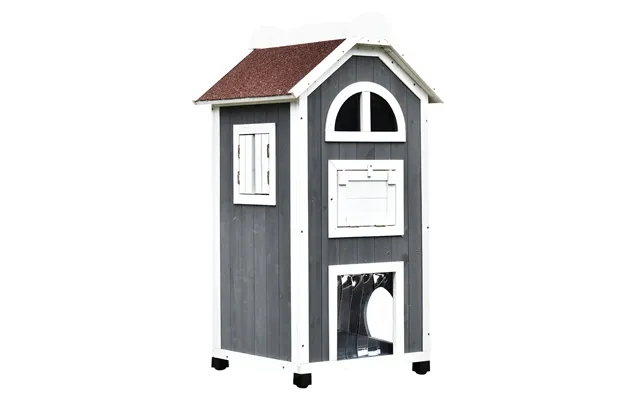
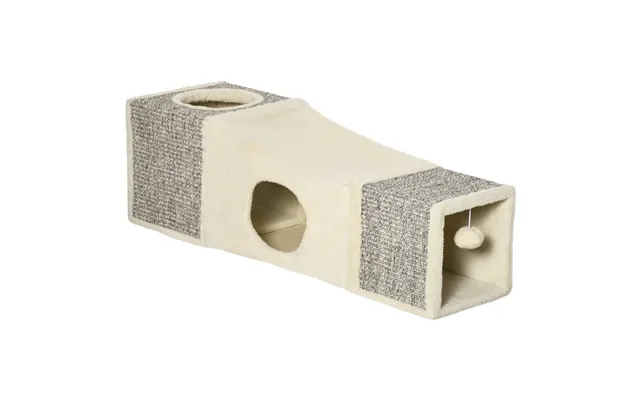
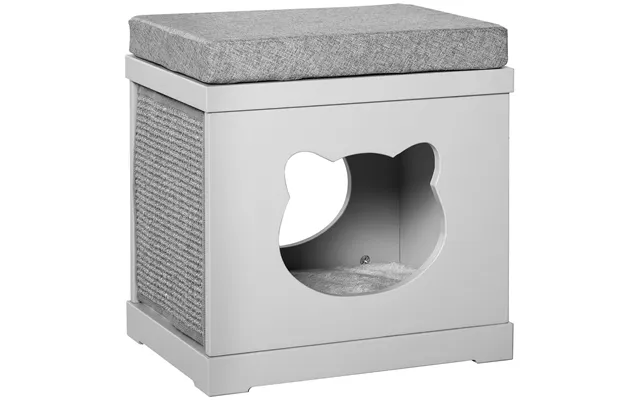
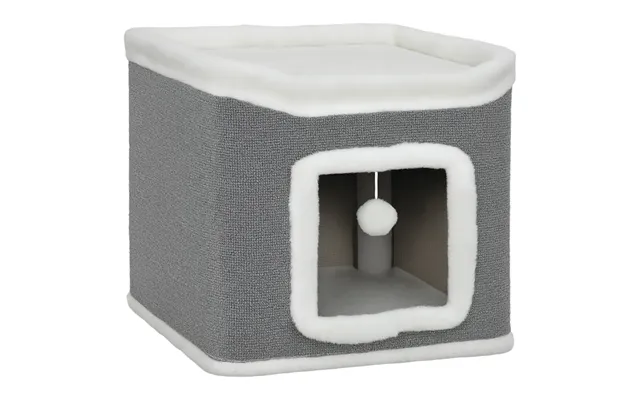
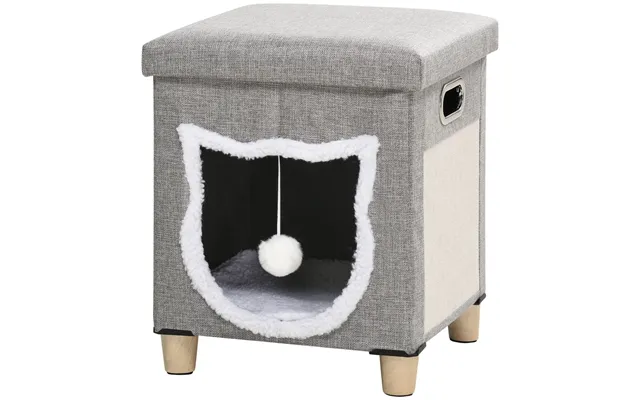
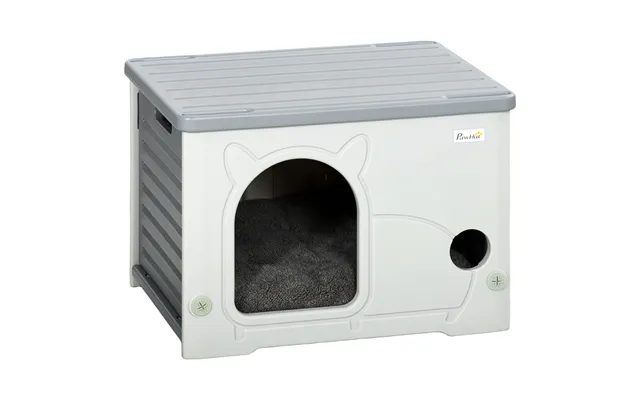
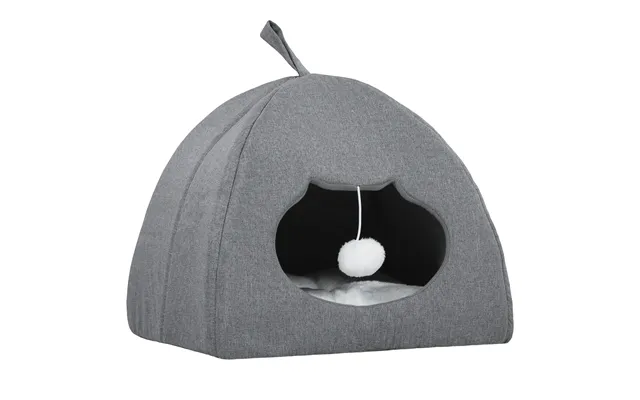
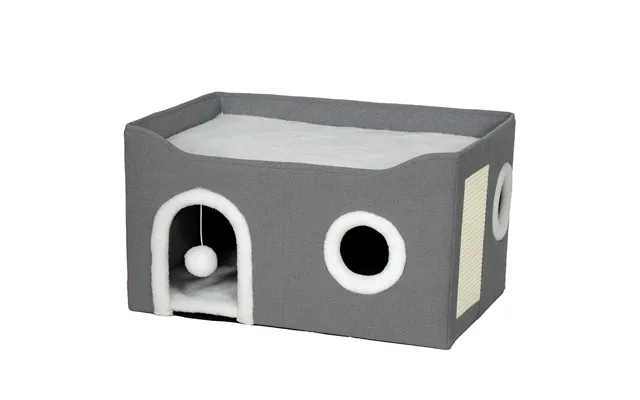
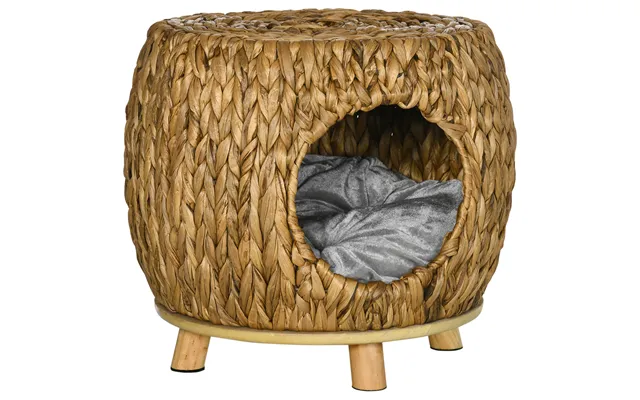
If your cat likes privacy, a condo offers a soft, enclosed spot for naps and decompression. Look for cubby openings around 8 to 10 inches wide so bigger cats can slide in comfortably. Condos built into cat trees are space-savers; standalone cubbies can double as stylish side tables. Bonus points for removable, washable pads to keep things fresh.
Sun-chasing cats adore window perches. Choose one rated for at least 25 to 40 pounds if you’ve got a chunky chonk or a two-cat cuddle pile. Look for metal brackets and strong suction cups if it’s a glass mount, or a clamp-style design for window ledges. Hammock-style fabric perches keep things airy while plush, padded versions pamper senior cats’ joints.
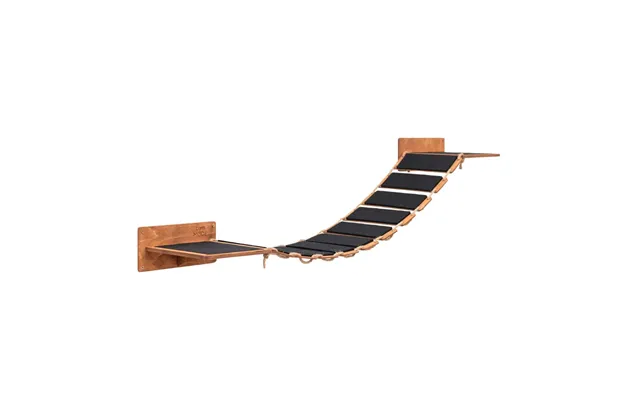
Short on floor space? Wall-mounted shelves turn your walls into a feline freeway. Start with a landing shelf around 12 inches deep, spaced 12 to 18 inches apart vertically so your cat can hop safely. Add a bridge or two to connect shelves. Always screw into studs and check the weight capacity—look for 30 pounds or more per shelf if you have big cats.
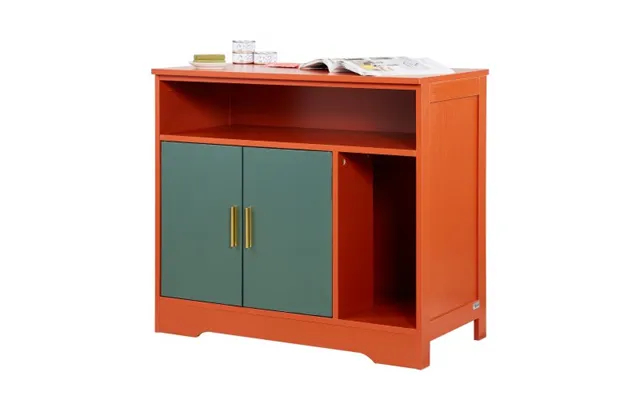
No one wants a litter box in plain sight. Furniture-style enclosures hide the box, trap odor with clever ventilation, and double as benches or sideboards. Choose an interior space that fits a litter pan at least 18 to 22 inches long, with an entrance opening 8 to 9 inches from the floor to help senior cats step in comfortably. Avoid tight corners that make scooping a chore.
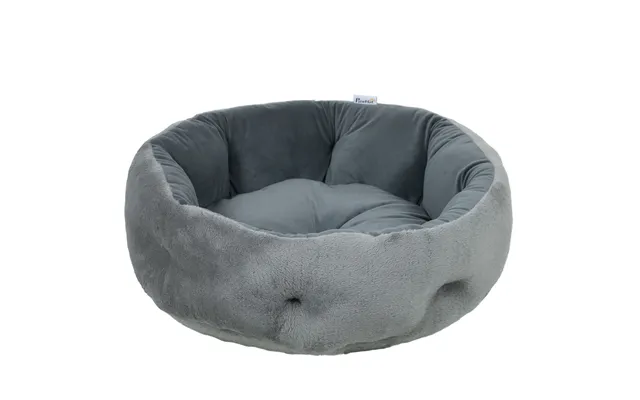
From heated mats to faux-fur caves, beds are the finishing touch. For sprawlers, look for round beds 18 to 22 inches across; for curlers, 16 inches does the trick. Elevated loungers keep your cat cool, while plush bolsters cradle joints and provide a sense of security. Place beds where your cat already naps—by the window, on a shelf, or near your workspace.
Height, platform size, and base width are the trifecta of good cat furniture. Too short and your cat will ignore it; too tall and it may wobble without proper anchoring. Think about your cat’s age, agility, and confidence level, then match the furniture to their lifestyle.
Kittens love to climb but need easy access. Aim for trees around 3 feet high with platforms 10 to 12 inches across. A 16- to 18-inch base is typically stable enough for little zoomers. Add a small ramp or ladder for confidence-building, and place a scratcher near where they already scratch—often by the sofa or a doorway.
Large breeds and multi-cat households need extra room. Look for platforms at least 14 to 16 inches wide, posts 4 inches thick, and bases 22 to 24 inches across. Weight ratings matter—choose towers designed for 30 pounds or more. Multiple entry points prevent traffic jams, and dual top perches help avoid squabbles over the best seat in the house.
Ceiling-high towers (6 to 8 feet) maximize vertical territory and reduce floor clutter, but they demand careful anchoring. Mid-height towers (4 to 5 feet) are more flexible and easier to move. If your cat’s a daredevil, go tall with wall anchors. If you rearrange furniture often or live in a rental, a mid-height model offers a safer, simpler setup.
Materials are where value becomes obvious. The right combination of wood, textiles, and rope turns cheap-looking furniture into a centerpiece—and makes it last years instead of months. Here’s what separates the good from the “why did I buy this?”
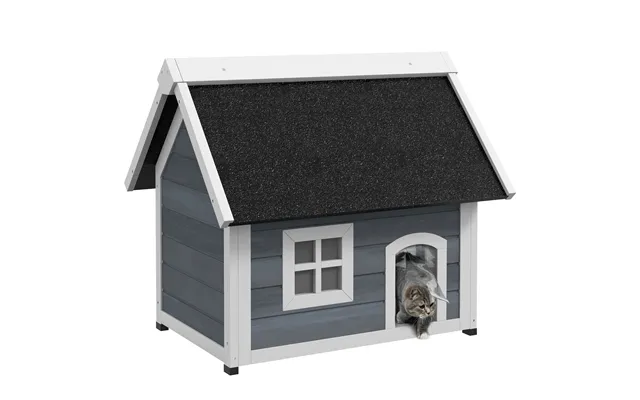
Solid wood frames are sturdy and heavy—great for stability, especially for tall towers. Engineered wood (like MDF) can still be solid if the base is thick and the joints are reinforced with metal brackets. Avoid flimsy panels that flex or split at the screws. If you’re leveling on uneven floors, look for adjustable feet for a snug fit.
Sisal rope is the gold standard for scratching posts because it’s durable and gives satisfying resistance. Sisal fabric looks polished and doesn’t shed fibers like rope can. Carpet-covered posts are cozy but may encourage scratching your actual carpet—use with caution. Cardboard scratchers are budget-friendly and great decoys, but plan to replace them regularly.
Removable, machine-washable covers keep furniture looking new. Plush fabrics make perches irresistible, but microfiber and faux suede are easier to clean. For allergy-friendly homes, choose low-pile surfaces and vacuum-friendly textures. If your cat drools or has seasonal shedding, darker hues hide fur better and keep the look tidy.
No one loves a wobbly tower—least of all your cat. Stability is the difference between daily use and total rejection. Make it rock-solid with smart design and a few simple checks before your cat takes the first leap.
A wide, heavy base is your first line of defense. For towers 5 feet and taller, aim for a base at least 22 inches wide; for mid-height trees, 18 to 20 inches often suffices. Low center of gravity designs—like heavy lower platforms and lower condos—reduce sway and tipping. Anti-tip brackets or corner placement against two walls can add security.
Sturdy hardware matters. Metal connectors, long bolts, and locking nuts resist loosening over time. As you assemble, tighten from the base upward and test each level with a gentle shake. If something creaks, re-seat the bolt or add a washer. Keep the included Allen key handy for a 30-day retightening—new furniture settles like a new pair of shoes.
Anchors aren’t just for climbers; even cautious cats can wobble a tall tower. If your model includes an anchor strap, use it. Place towers near a wall corner for extra stability and avoid high-traffic walkways where accidental bumps can happen. For wall-mounted systems, always mount into studs and confirm each bracket’s weight rating.
Cat furniture has come a long way from shag-carpeted eyesores. With a little browsing, you’ll find sleek, minimal pieces that could pass for boutique furniture—and blend beautifully with your space.
Think clean lines, neutral tones, and smooth fabrics. Look for walnut or oak finishes, sisal-wrapped posts, and low-profile beds. Wall shelves in matte black or white add a gallery feel, especially when staggered over a console. For compact flats, a slim 4-foot tree in a corner strikes the perfect balance.
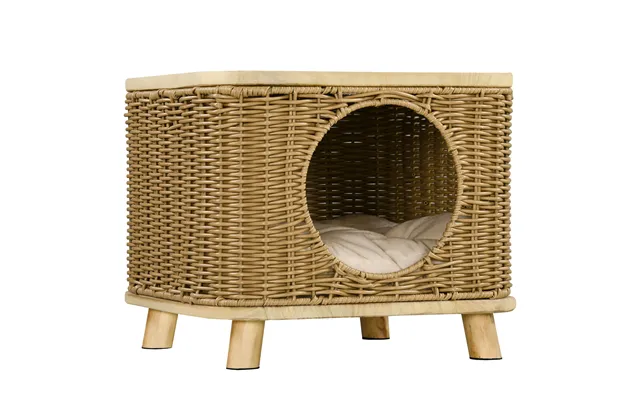
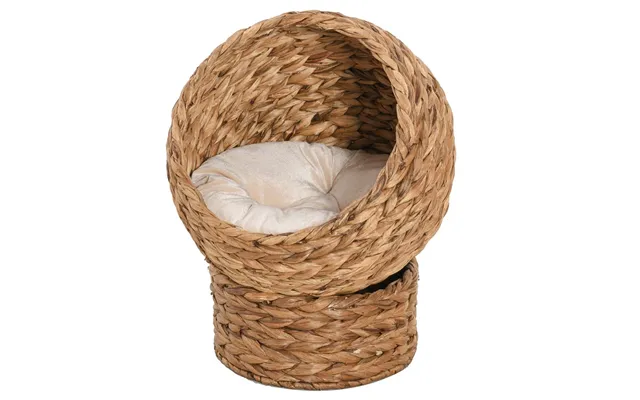
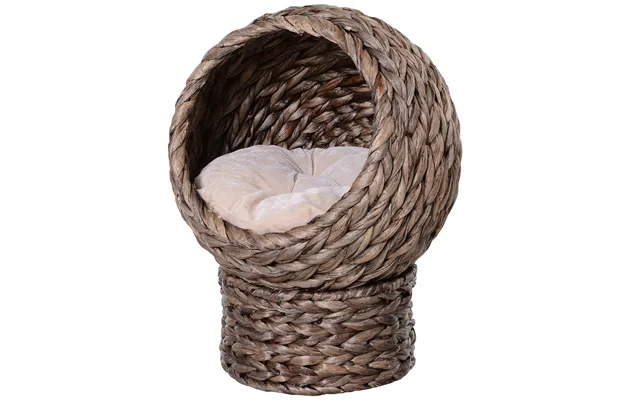
Love a cozy vibe? Choose natural wood textures, woven baskets, and rope accents. A tree with trunk-like posts and plush faux-fur perches feels woodsy without looking messy. Pair with a woven hideaway basket bed, and your cat gets a nest that looks like it came from a design studio.
In a tight space, modular pieces shine. A convertible bench with a hidden litter box, a fold-flat scratcher, and a window perch can cover all bases. A 12-inch-deep wall shelf above a radiator creates a warm winter lounge without crowding the floor. Multi-use items mean less clutter and more function.
If you want maximum value, don’t buy blind. Compare features, materials, and size against the asking price, and look for bundles that include spare pads or extra scratchers. A comparison site like ZoneOffer can help you scan popular offers and a cat furniture price list quickly, so you can spot the sweet deals instead of scrolling endlessly.
Make a quick checklist: height, base width, platform size, materials, weight rating, and included extras like wall anchors. Two towers might cost the same, but the one with thicker posts and washable pads usually wins on value. Don’t overlook warranty terms—sturdier brands stand behind their builds.
Sales pop around holidays and season changes. Look for bundles that pair a tree with a spare scratcher or a wall shelf set. If you’ve got multiple cats, multi-pack scratchers save cash over time. Sign up for deal alerts and keep a shortlist of models—you’ll be ready when the price drops.
Skim for mentions of stability, ease of assembly, and how big cats fit on the platforms. Ignore vague praise; look for photos, measurements, and “after 6 months” updates. If multiple people mention wobble at the top, plan to anchor—or choose a model with a wider base.
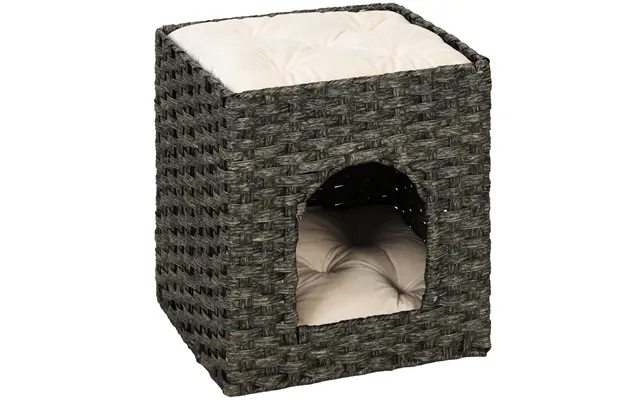
You don’t need to spend a fortune to get great cat furniture, but knowing what to expect at each price tier helps you avoid disappointments. Use these ranges as a rough guide while you compare.
In this range, you’ll find single scratching posts, basic horizontal scratchers, and simple window perches. Materials are lighter and may wear faster, but they’re perfect for backups or small spaces. Look for posts at least 28 inches tall and window perches with strong brackets. Great for kittens or as a starter set.
This is where value and variety meet. Expect 4- to 5-foot trees with multiple levels, condos, and sisal-wrapped posts. Stability is solid when the base is 20 inches or wider. You’ll also find stylish litter box furniture and wall shelf sets. For most single- or two-cat homes, this tier offers everything you need.
Here you’ll see solid wood frames, sisal fabric panels, removable covers, and modular wall systems. Tall, anchor-ready towers with thick posts shine in multi-cat homes. Designer litter cabinets blend seamlessly with living room furniture. If longevity and aesthetics matter most, this tier earns its keep.
Bringing new furniture home is exciting, but cats need a nudge to adopt it. With a smart setup and a few simple tricks, you can turn curiosity into a daily routine—fast.
Put the tower where life happens—near a window, your desk, or the TV area. Rub a soft cloth on your cat’s cheeks and wipe it on the posts to add familiar scent. A sprinkle of catnip or a dab of silvervine can spark interest. Place a favorite toy on the mid platform to encourage the first jump.

When you catch your cat scratching the sofa, gently move them to the post and guide their paws. Praise and treat the moment they use it. Tape or a temporary furniture cover on the “forbidden” spot discourages backsliding. Consistency wins—within a week or two, most cats switch habits.
Vacuum fur from platforms weekly and wash removable covers every couple of weeks. Rotate scratchers so wear is even and replace cardboard when it’s shredded. Every month, check and tighten bolts. If a platform loosens, stop use until it’s secure—safety first, always.
A few smart extras can stretch your furniture’s life and keep your cat engaged long-term. Think of these as small tweaks that add up to big results.
Look for brands that sell replacement sisal posts, platforms, or covers. You can re-wrap a post with new sisal rope and wood glue for a quick refresh. Add non-slip pads under the base to stabilize on slick floors. A simple wall bracket can transform a wobbly tower into a rock.
Tunnels connect play areas and make shy cats braver. Feather wands hung from a mid-level perch spark interactive play. Treat puzzles on a lower platform encourage problem-solving and keep your cat curious. Variety is the secret sauce to daily engagement.
Go for pressure-mounted poles that wedge between floor and ceiling without screws, or choose heavy base towers you can slide into a corner. Window perches with clamp mounts and freestanding scratchers keep landlords happy. When in doubt, short wall shelves mounted into existing studs minimize holes.
Even great furniture can flop if it’s the wrong fit. Dodge these common pitfalls to make sure your investment pays off—and your cat approves from day one.
A dainty perch won’t cut it for a 15-pound panther. If the platform is smaller than 14 inches across, big cats may bail. Err on the larger side and check weight ratings carefully. A roomy top bed will become the favorite nap spot—promise.
A gorgeous tower in a walkway becomes an obstacle. Place furniture in corners or near windows where cats naturally gravitate. If you trip over it, your cat might avoid it too. Mapping your room first saves headaches later.
Some trees skimp on scratching surfaces. Make sure there’s at least one full-height sisal post or a large scratch panel. Without it, your cat will go right back to the sofa. Scratch need met? Furniture saved.
Cat furniture transforms your home into a feline-friendly paradise—without sacrificing style. Whether you’re eyeing a compact tree, a statement tower, wall-mounted shelves, or a stealthy litter cabinet, the right choice balances size, stability, and materials with your cat’s personality. Compare popular offers, scan a cat furniture price list for value, and focus on the details that matter: base width, platform size, weight rating, and washable fabrics. Do that, and you’ll land a setup your cat loves, your decor supports, and your wallet appreciates. Ready to elevate your cat’s world—literally? The perfect perch is just a smart comparison away.