
Cat Litter Box Mats price list
Last updated Friday, Sep 4, 2026





View 19 Offers

Loading...
Last updated Friday, Sep 4, 2026
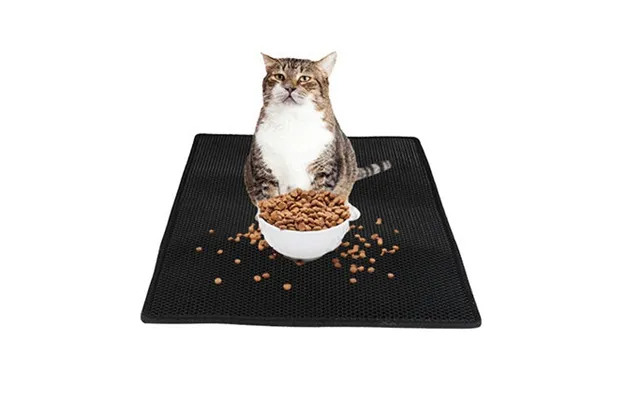
If you’re tired of stepping on gritty little pebbles of litter, a cat litter box mat can feel like a minor miracle. Think of it as a doormat for your cat: it sits under or in front of the litter tray and traps the grains that stick to paws, so they don’t end up sprinkled across your carpets and hardwoods. A good mat doesn’t just tidy up the space; it helps contain odors, protects floors from the occasional splash, and makes daily maintenance way easier. Whether you live in a small flat or a roomy house, the right mat can instantly make your litter area look—and smell—more under control.
Let’s get real: cats are neat, but litter is messy. The first thing you’ll notice with a quality mat is less scatter. Those tiny grains that used to migrate into hallways? They’ll get trapped in grooves, fibers, or honeycomb cells before they travel. You’ll also notice fewer scratches on your floors because a soft mat cushions the box, and a waterproof backing shields against surprise accidents. The bonus many people don’t expect is how quickly cleaning time shrinks—shake, vacuum, or rinse, and you’re done. Over time, that adds up to hours saved and a home that feels fresher with minimal effort.
Not all litter mats are built the same, and the best one for you depends on your cat’s habits, the litter you use, and how you like to clean. You’ll find a few core categories—double-layer EVA “honeycomb” mats, silicone or rubber mats, PVC or vinyl mats, and microfiber fabric mats. Each has a different feel underpaw, a different way of trapping grains, and its own cleaning rhythm. Picking the right type can make the difference between a mat you love and one that just gathers dust in a cupboard.
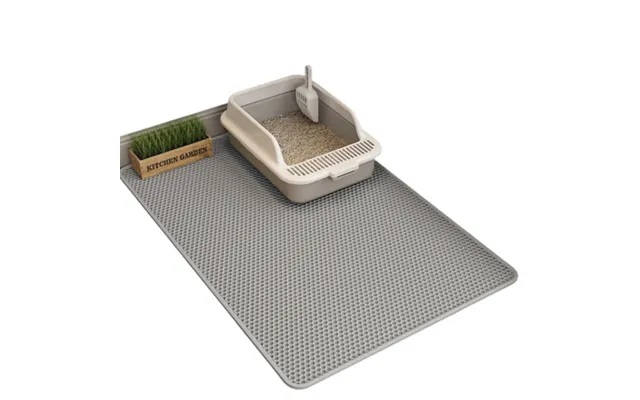
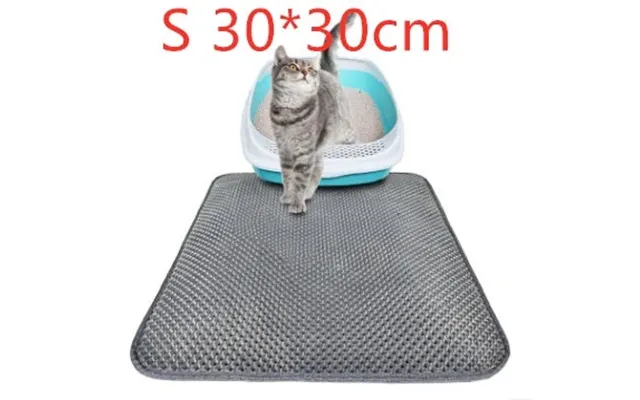
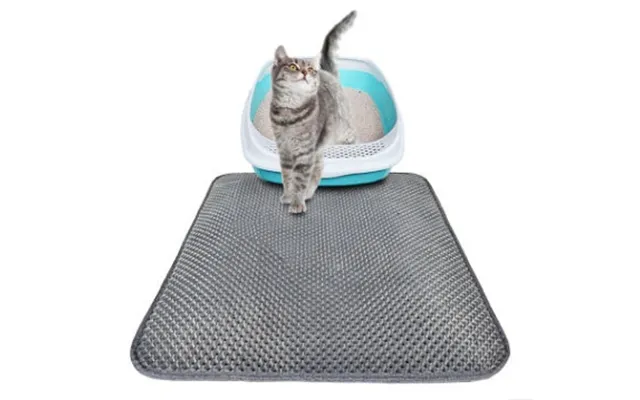
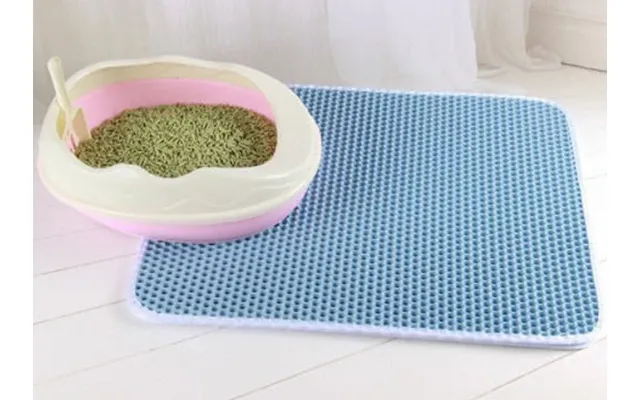
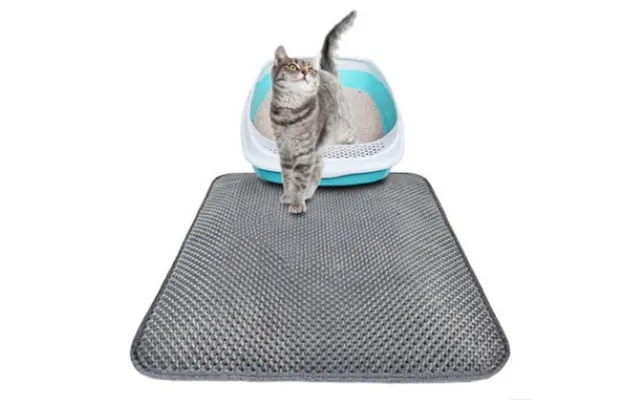
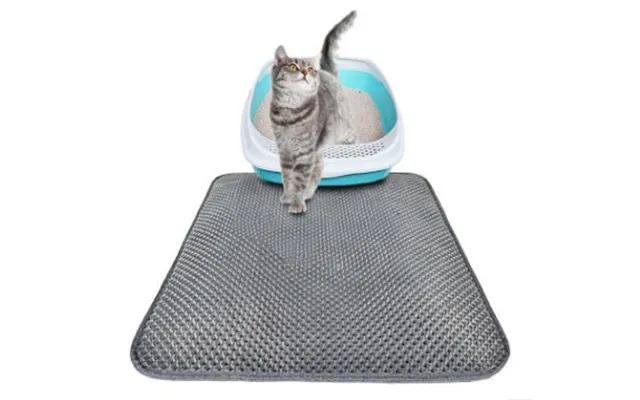
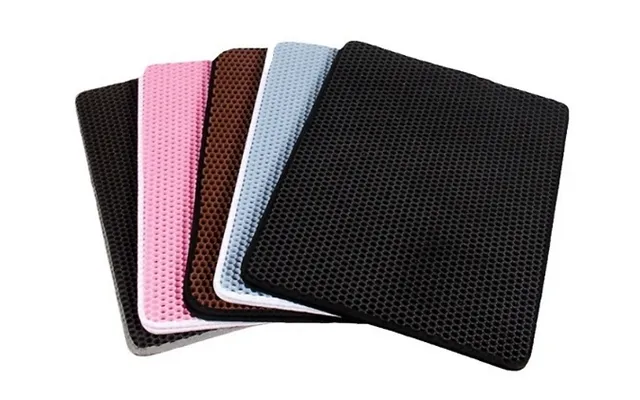
These are the famous sifting mats with large hexagon cells on top and a solid waterproof base below. The top layer grabs litter from paws, the grains fall through the holes, and they’re trapped in the bottom “pocket.” When it’s time to clean, just open a corner and pour it back into the box or into a bin. The foam-like EVA feels gentle, which is great for sensitive paws, and it’s flexible enough to rinse in the sink or tub. Pick a size like 24" x 30" or 23" x 35" to catch big scatter clouds from enthusiastic diggers.
Silicone and rubber mats use ridges, bumps, and grooves to catch litter and stop it from sliding around your floor. They’re non-slip by nature, usually waterproof, and they rinse clean in seconds. If you like ultra-speedy cleaning and a mat that lays absolutely flat, silicone is a win. It’s also a smart pick for top-entry boxes because cats land on it with purpose and the grippy surface helps pull litter off the paws as they step out.
PVC or vinyl mats tend to be budget-friendly and come in a wide range of sizes and shapes. They have crumb-catching textures on top and a water-resistant base. The trade-off? Some PVC options can be stiffer or curl at the edges if they arrive rolled, and low-cost versions may have an odor at first. If you go this route, look for BPA- and phthalate-free materials, and let the mat air out for a day so it lies flat and odor-free.
These plush mats feel like a tiny bath rug for your cat. The dense fibers snag fine litter grains beautifully, and they’re soft, warm, and cozy for senior cats or kittens. Many are machine-washable on gentle cycles. The downside is that they can hold onto moisture if there’s a spill, so choose one with a waterproof backing and hang it to dry thoroughly after washing. For small spaces, a 18" x 24" microfiber mat can be a perfect entryway pad in front of the box.
You want enough mat to catch scatter without swallowing your whole room. The sweet spot for many households is a medium-to-large mat that extends at least 10" to 14" beyond the front of the box and a few inches around the sides. If your cat is a power digger or you use a large, uncovered pan, go bigger—think 30" x 36"—to create a safe fall zone. Runners are brilliant for long, narrow spaces and give your cat a “runway” to drop litter as they walk.
Open and hooded boxes tend to kick litter forward and sideways, so a rectangular mat that’s wider than the box helps catch the blast. Aim for a mat that extends 12" in front and 6" to 8" on each side. If your box is 18" x 24", consider a mat around 24" x 35" for extra insurance against scatter.
Top-entry designs push most of the litter straight down as your cat jumps out. A thick, grippy mat with pronounced texture right at the exit point is your best friend. A 20" x 30" silicone or EVA mat placed flush against the exit opening often catches nearly everything in one step.
Two or more cats usually means more traffic and more scatter. An oversized mat—30" x 36" or a long runner—helps keep the area sane. You can also layer: a honeycomb sifting mat under the box and a microfiber runner leading away from it. This two-stage layout is like a car wash for paws—first a heavy catch, then a final polish.
Texture is where the magic happens. Fine, flexible grooves tug grains from between the toes without feeling harsh. For comfort, look for mats that flex under pressure rather than scratch—EVA foam and silicone shine here. Traction matters too. A mat that scoots is basically a treadmill for your litter box, and no one wants that. A proper non-slip base keeps the setup glued to the floor and makes your cat feel secure.
Check for rubberized dots, suction cups, or a naturally grippy underside. If your floors are slick, a non-slip mat is non-negotiable. It keeps the box stable and encourages your cat to land confidently on the mat, which means more litter gets grabbed right away. If your mat still slides, add a thin, non-adhesive rug pad cut to size underneath.
Some mats include a shallow lip around the edges to corral runaway grains and small spills. It’s like a tiny fence that stops the mess from rolling off. If you have a cat who occasionally pees over the edge, that raised border plus a waterproof base can save your hardwoods or carpet from a headache you don’t want to deal with.
Cleaning a litter mat shouldn’t feel like a DIY project. The goal is quick and consistent. Sifting EVA mats let you pour trapped litter back into the box or straight into a bin. Silicone and rubber mats rinse clean in seconds. Microfiber rugs shake out nicely outdoors, then vacuum like champs. The quicker you can reset the area, the more likely you’ll stick with the routine—and the better your litter corner looks every single day.
Once a day, lift and shake the mat outside or over a trash bag. Run a handheld vacuum across the top for any stubborn grains. If you have a honeycomb mat, open one corner and pour the contents where you want them—back into the box if they’re clean, into the bin if not. It takes less than a minute.
Once a week, give your mat a deeper clean. For silicone, rubber, and EVA, rinse with warm water and a tiny drop of mild dish soap, then towel dry. For microfiber, follow the label, but most handle a gentle machine wash and air-dry. Avoid hot dryers that can warp backing. A fully dry mat is a fresh-smelling mat—hang it until it’s bone-dry before putting it back.
If there’s an accident, act fast. Blot up moisture with paper towels, then wash with an enzyme cleaner to neutralize odors. Rinse thoroughly and dry completely. Mats with waterproof bottoms keep the liquid from seeping through, protecting your floors. If this happens often, consider a higher-sided box or a mat with a taller lip to catch splashes.
Some mats are rock stars with fine, sandy clumping litter but less stellar with chunky pellets. You’ll get the best results by pairing the texture of your mat with the grain size of your litter. Think of it like matching the right coffee filter to your coffee grind—the fit matters for performance.
For classic clumping clay, honeycomb EVA and silicone ridges are fantastic because they catch tiny particles without turning into a dust trap. Choose a mat with small-to-medium cells so fine grains don’t sit on top and get tracked further.
Larger pellets from crystal or paper-based litters drop easily into wider grooves and big honeycomb cells. A mat with deep channels or bigger holes makes clean-up a breeze—simply lift and pour. If you love pellets but hate the occasional bounce, a microfiber rug mat can help deaden the impact and hold onto strays.
Corn, wheat, and other plant-based litters vary in texture. If yours is fine, treat it like clay; if it’s chunkier, go for bigger grooves. Because these litters can be lighter, a non-slip base becomes even more important to stop the mat from shifting underfoot.
A waterproof base saves the day more often than you’d think—from spilled water bowls to the occasional overshoot. If you have hardwoods, a waterproof underside is essential. Safety-wise, look for mats described as BPA-free and phthalate-free, and avoid sharp textures that could irritate sensitive paws. A mat that feels good to walk on will get more “paw time,” which translates to better litter capture.
On hardwoods, use a mat with a sealed base that won’t let moisture through and won’t stick or stain. On carpets, go larger so grains don’t settle into fibers. Consider a thin, non-slip underlay beneath the mat on high-pile carpets; it helps keep the surface smooth and snag-free.
Quality matters. Look for mats that specify non-toxic materials and low-odor construction. For odor control, regular washing does most of the heavy lifting, but a quick spritz of enzyme cleaner after accidents helps. Remember—odor lives in residue, so the cleaner the mat, the fresher the room.
The right placement can make an average mat perform like a star. Position the mat so your cat is forced to walk across it as they leave the box—think of it as the runway out of the “airport.” If the box faces a wall, angle the mat so it covers the natural exit path. For corner setups, fill the entire wedge with the mat and extend at least 12" beyond the front for a clean landing pad.
Place the long side of the mat parallel to your cat’s exit path, creating a 20" to 30" walkway. Cats typically make a beeline out and turn quickly; a longer mat catches the turn and grabs what the first step missed. If you have two exits, use two mats to form a T-shape.
If your litter area is near a doorway, place a second small mat in the threshold. It’s a second checkpoint—like a backup goalie—that catches any grains that escaped the first mat. For stairs nearby, extend a runner toward the first step to keep grit off the treads.
Shopping for cat litter box mats is easier when you know what you’re comparing. Look for clear specs about size, material, backing, and cleaning method. Price can vary with size and build quality, but the best value comes from mats that do three things well: trap litter efficiently, clean up fast, and last for the long haul. Using a comparison site helps you see popular offers and price lists side by side, so you can shortlist the winners without bouncing between a dozen tabs.
Prioritize non-slip backing, waterproof base, paw-friendly texture, and a size that truly covers your cat’s landing zone. If you want minimal mess, double-layer sifting designs are tough to beat. If speed-cleaning is your jam, silicone’s rinse-and-go routine is hard to deny. And if your cat has sensitive paws, microfiber’s softness can be a game changer.
If you’re vacuuming daily and still seeing trails of litter, it may be time to size up or switch types. Go from a small to a large format—say from 18" x 24" to 30" x 36"—or add a runner as a second stage. Notice persistent odors? A washable mat with quicker dry time might be the upgrade you need.
Pairing your mat with the right gear multiplies the effect. A high-sided or top-entry litter box reduces kick-out in the first place. A sturdy scoop keeps clumps from breaking apart and scattering. Liners can help some households, though they’re not for everyone. Odor-neutralizing granules or charcoal can freshen the box area, and a covered litter cabinet can hide everything in plain sight—just make sure it’s well-ventilated and paired with a large mat at the entrance.
For cats who dig like they’re training for the Olympics, a high-sided box dramatically cuts down the spray. Enclosures hide the setup and keep litter contained, but they need an oversized mat that covers the entry, ideally stretching 12" to 18" in front. If the entry is a step-up, place the mat flush with the step to maximize contact with paws.
A metal scoop with a rigid edge helps lift clumps cleanly, which reduces breakage and dust. If you use liners, ensure they fit snugly to prevent bunching—bunched liners lead to kick-outs and extra mess. As for deodorizers, go easy; a light dusting in the box or a nearby odor absorber is enough. Keep scents mild—cats often vote with their paws, and strong fragrances can drive them away.
Even great mats can hit snags, but most issues are easy fixes. Sliding? Add a rug pad. Curling edges? Reverse roll the mat and warm it slightly with a hairdryer on low to flatten. Cat ignoring the mat? Adjust the placement so it’s squarely in the exit path, or add a small treat trail for a few days until the new routine sticks. Stubborn odors? Wash more frequently and let the mat fully dry in fresh air.
Some cats need a slow intro. Start with a smaller mat just in front of the box, then graduate to a larger one over a week. Make sure the texture is paw-friendly; if your cat looks hesitant, switch to a softer EVA or microfiber style. Encourage positive associations with a tiny treat placed on the mat right after a successful litter visit.
Use a thin, non-adhesive rug pad beneath, trimmed so it’s invisible. For curl, lay the mat upside down, roll it in the opposite direction, then place it under a few heavy books overnight. Slight warmth helps relax stubborn edges—just keep the heat low and even.
A little maintenance goes a long way. Shake daily, wash weekly, and spot-treat when needed. Avoid harsh chemicals that can degrade materials or leave scents cats dislike. Store spare mats flat if possible; if you must roll, keep the roll loose to prevent deep creases. With basic care, a good mat can serve you well for years.
If you rotate mats, store them flat under a bed or sofa. For rolled storage, keep the core wide—around 4" to 6" in diameter—to avoid tight curls. When unrolling, give the mat an hour to relax before putting the box back on top.
Air-drying protects backing and preserves shape. Towel off excess moisture after washing, then hang or lay flat on a drying rack. Direct blazing heat can warp some materials, so if you sun-dry outdoors, keep exposure moderate and flip the mat so both sides dry evenly.
Here’s the simple playbook: decide on type (sifting EVA for maximum capture, silicone for rinse-and-go, microfiber for comfort), size up to cover the landing zone, insist on a non-slip, waterproof base, and choose safe, low-odor materials. Use a reliable comparison site to scan popular offers and price lists for cat litter box mats in the UK, then zero in on the best value for your needs. Set it up right, keep a quick cleaning routine, and watch your litter area transform from “ugh” to “ahh.”
Cat litter box mats are the unsung heroes of a tidy home. Pick the right size, match the mat to your litter, and place it to intercept every exit step. Choose safe, comfortable materials with a waterproof base and a non-slip grip, and you’ll spend less time sweeping and more time enjoying your cat. With smart comparison and a simple care routine, you can land a great deal on a mat that actually solves the problem—and keeps your floors cleaner day after day.