All categories
Business & Offices
Electronics & Media
Fashion & Accessories
Groceries & Essentials
Health & Personal Care
Home & Living
Kids & Family
Sports & Outdoors
Search in ZoneOffer

Loading...
Shopping for cat litter boxes in the UK can feel like wading through a sandpit of options—open trays, covered hoods, top-entry designs, even fully automatic models. Which one is right for your cat and your home? If you’re looking to balance odor control, easy cleaning, and cat comfort while also getting a great price, you’re in exactly the right place. In this guide, we’ll walk through the most popular types of litter boxes, which features actually matter, and how to compare offers and price lists smartly so you don’t overspend. We’ll also cover sizes in inches, maintenance tips, and smart accessories that make daily life easier. Whether you’re setting up for your first kitten or upgrading for a large, picky feline, you’ll find clear, practical advice here to help you choose and save.
A great litter box does more than just hold litter. It supports your cat’s natural instincts, reduces accidents, and helps you control odors without turning your bathroom or hallway into a sandbox. Think of the box as your cat’s private restroom: if it’s the wrong size, smells bad, or feels cramped, they’ll avoid it—sometimes in very creative, very inconvenient ways. The right choice keeps your cat happy, your floors cleaner, and your home fresher. Good news? You don’t need the fanciest model to win. You just need the best fit for your cat’s size and personality, plus features that match your cleaning style and budget.
Not all litter boxes are created equal, and the differences aren’t just cosmetic. From minimalist open pans to smart, self-cleaning spheres, each type solves a slightly different problem. The trick is matching your cat’s habits and your home’s layout to the right design. Below you’ll find the most common types in the UK, along with what they’re good for, when to avoid them, and how they stack up for odor control and tracking.
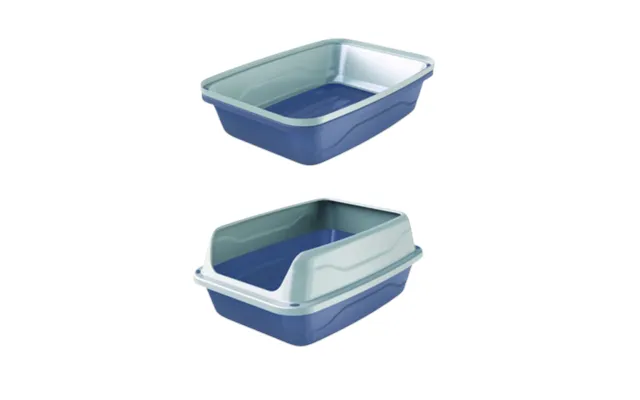
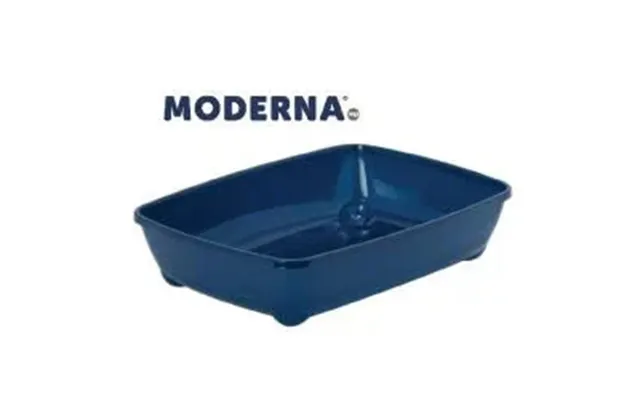
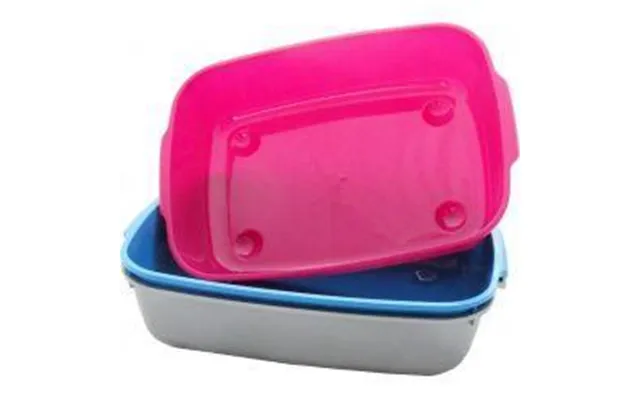
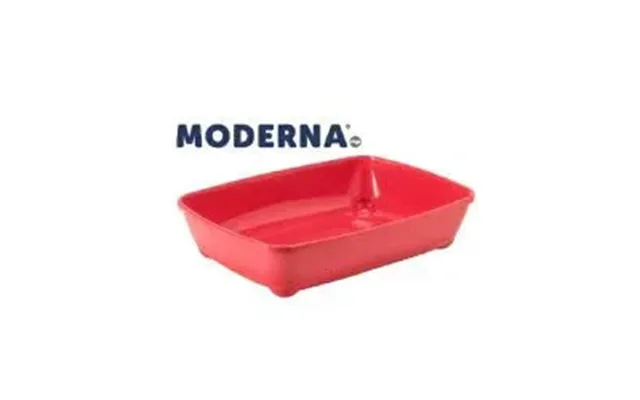
Open litter trays are the simplest and often the most affordable option. They’re basically shallow or mid-depth pans—no doors, no hood, just easy access. Cats generally love them because they’re roomy and breathable, which helps with odor dissipation and reduces the “stuffy” feeling some pets dislike. Cleaning is fast: scoop, bag, done. The downside is litter scatter and visibility. If your cat is a vigorous digger or kicker, you may find yourself sweeping daily. Look for trays at least 18 to 22 inches long for most adult cats, with a lower entry side if you’re caring for seniors or smaller cats. If your home has good airflow and you don’t mind a more visible setup, an open tray is a reliable, low-maintenance pick.
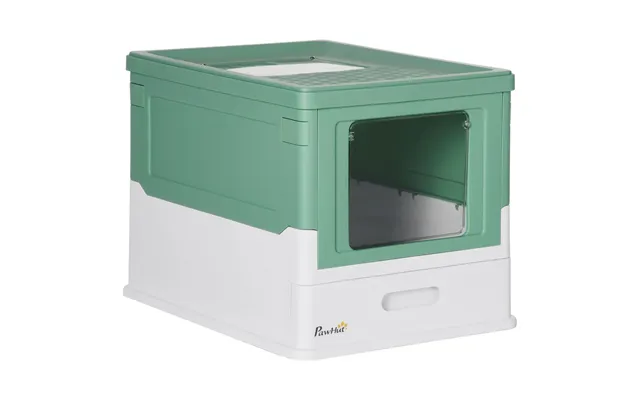
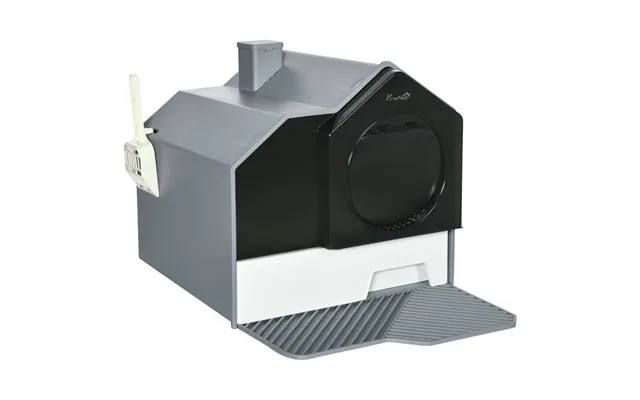
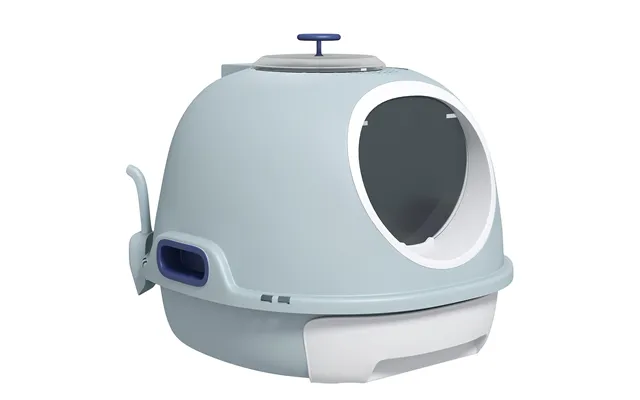
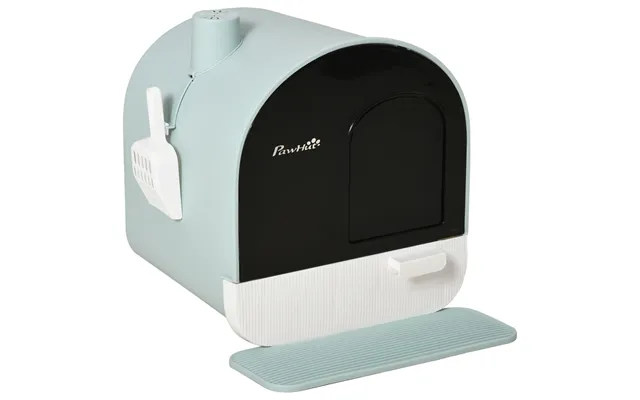
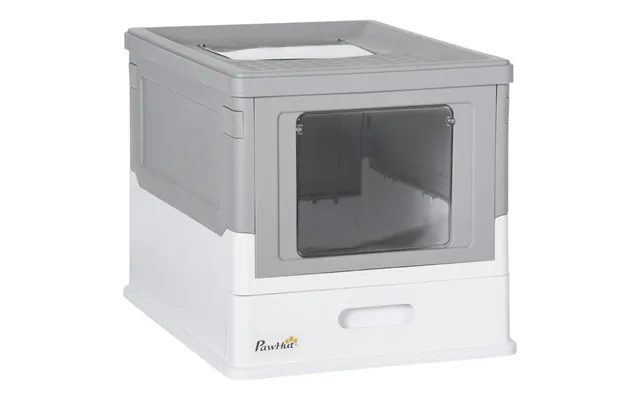
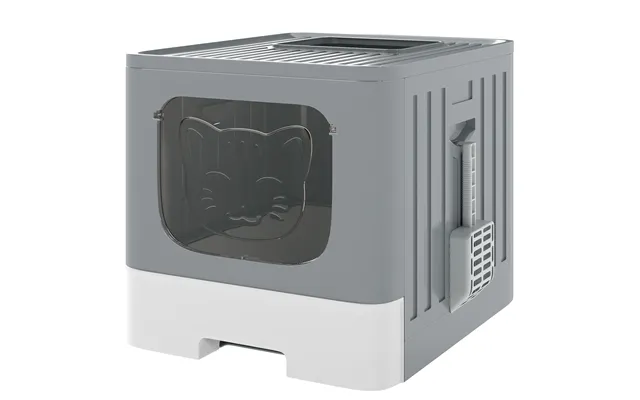
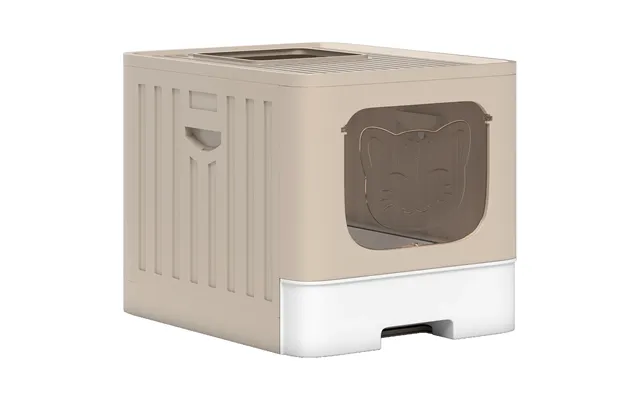
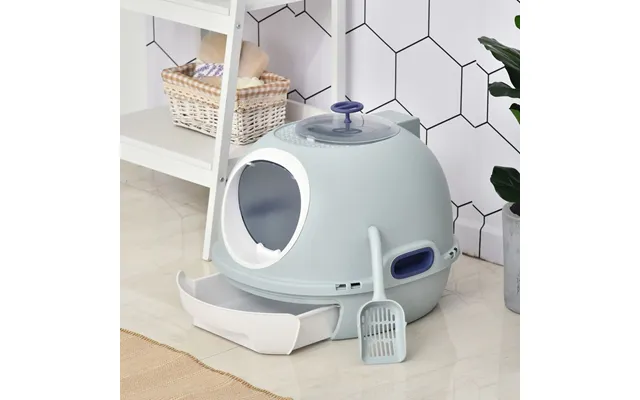
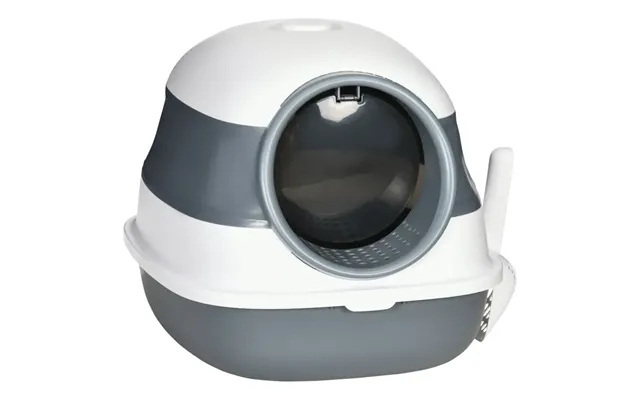
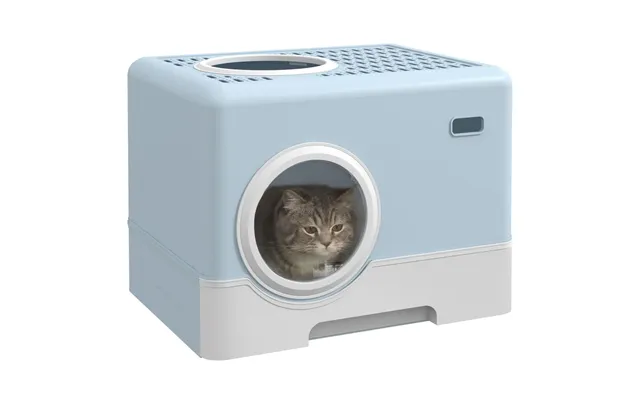
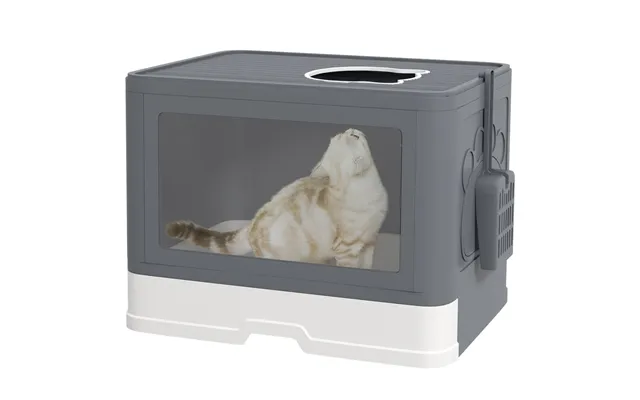
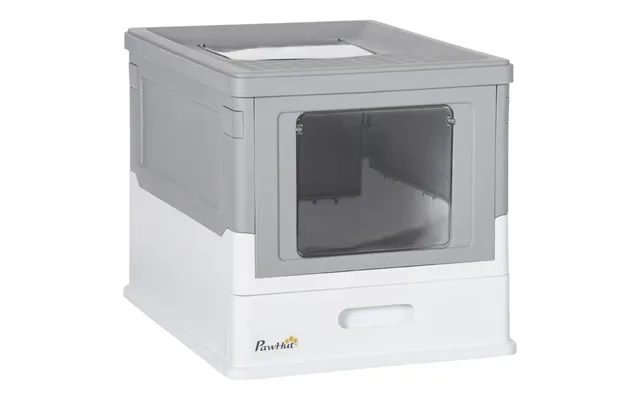
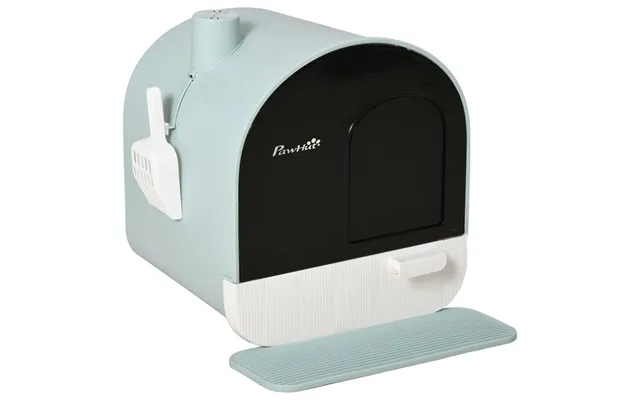
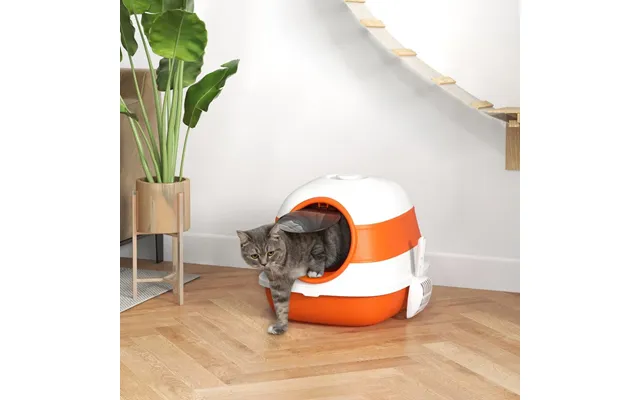
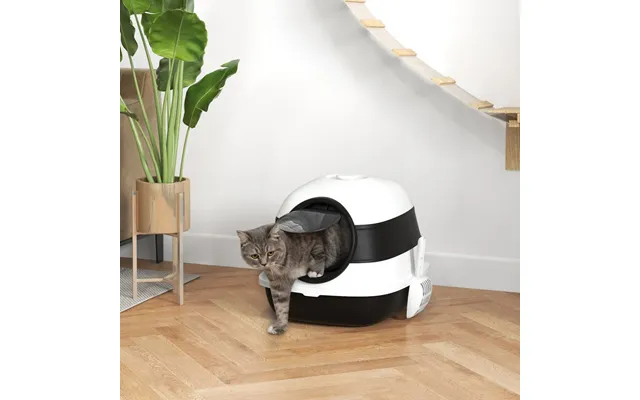
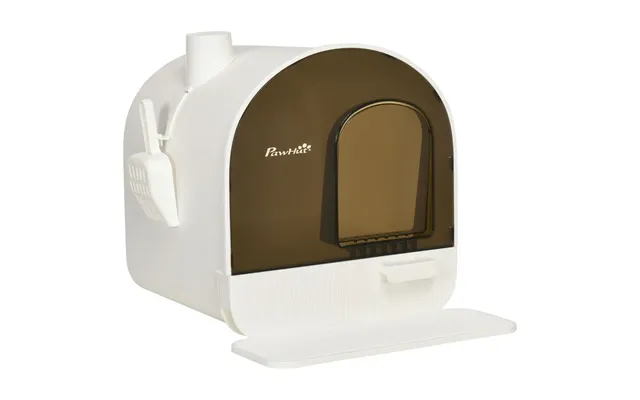
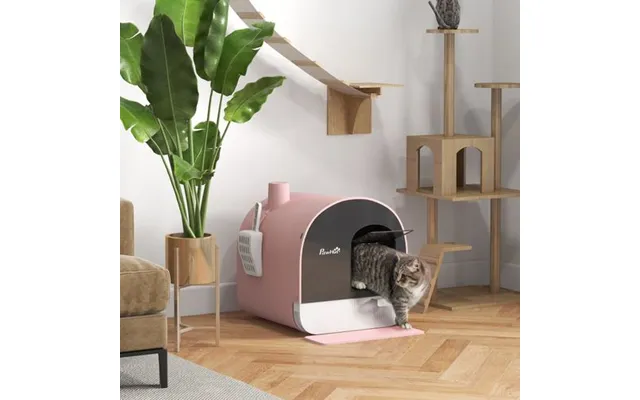
Covered boxes add a top hood to contain odors and mess. They’re great for cats that kick litter like they’re excavating a tunnel and for households that prefer a tidier look. Many include a swinging door and optional carbon filter to help with smells. The trade-off? Some cats dislike the enclosed feeling or the door flap, and trapped humidity can make odors worse if you don’t scoop frequently. To keep your cat comfortable, choose a hooded box with generous interior space—aim for a footprint of about 20 to 24 inches long—plus a wide opening so larger cats don’t feel cramped. If in doubt, remove the flap for the first week to help your cat adjust.
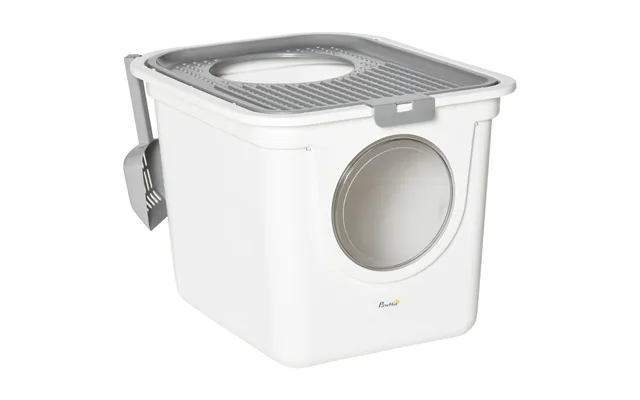
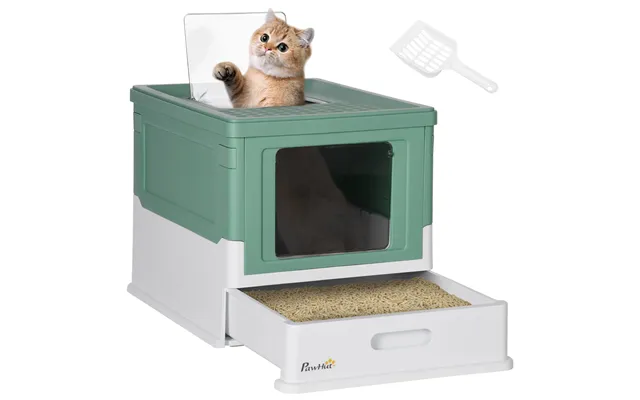
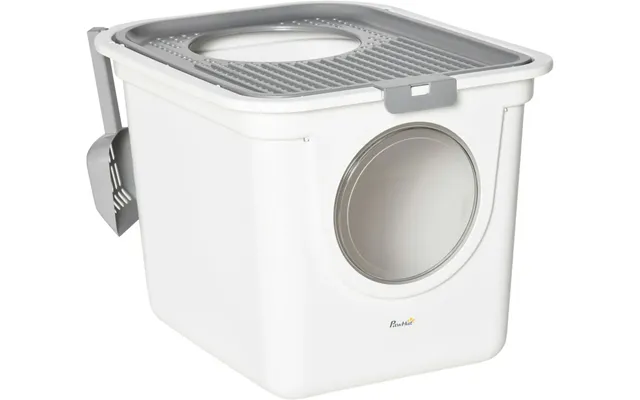
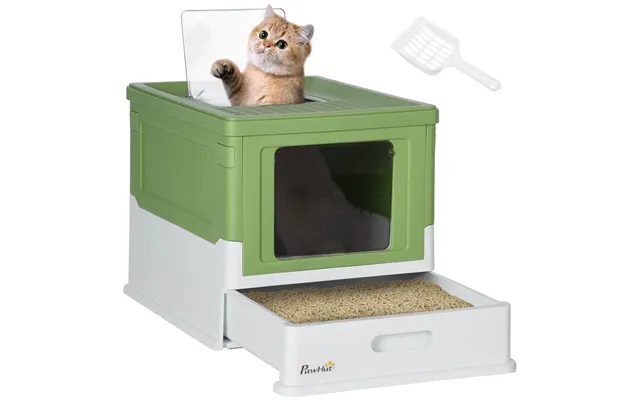
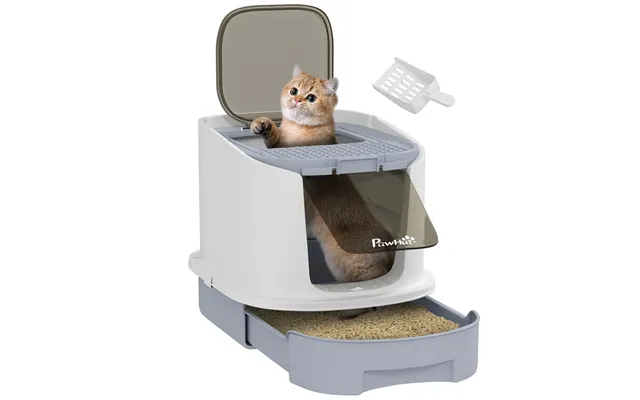
Top-entry designs place the entrance on the lid, which is brilliant for reducing litter scatter and keeping curious dogs or toddlers out. The textured lid also catches litter from your cat’s paws, so there’s less to sweep. Cats that enjoy privacy often adapt quickly, and these boxes look sleek in modern homes. But they’re not ideal for every cat. Kittens, seniors, or cats with mobility issues may struggle with the jump. If your cat is agile and you’re fighting constant mess, a top-entry box can feel like magic. Look for a large opening and interior space around 18 by 14 inches or more to prevent cramped turns.
High-sided or jumbo boxes are made for big cats, enthusiastic diggers, and sprayers. Tall walls block scatter and accidental over-the-edge mishaps. If you’ve got a Maine Coon or a chunky house panther, a jumbo pan—22 to 24 inches long with walls 10 to 12 inches high—can be a game-changer. Just ensure the entry side is lower (about 5 to 7 inches) if you have a senior cat. Many high-sided models come with non-stick coatings or smooth interiors that make scooping faster and prevent clumps from welding to the corners.
Corner litter boxes tuck neatly into unused spaces, making them a smart pick for small flats where every inch counts. Their triangular footprint can still offer plenty of interior room while keeping walkways clear. Covered corner models are popular in UK bathrooms and utility rooms because they look discreet. The angles can be slightly trickier to scoop, so choose one with rounded corners and a wide opening. For airflow and odor control, leave a few inches of space around the box rather than wedging it tight against both walls.
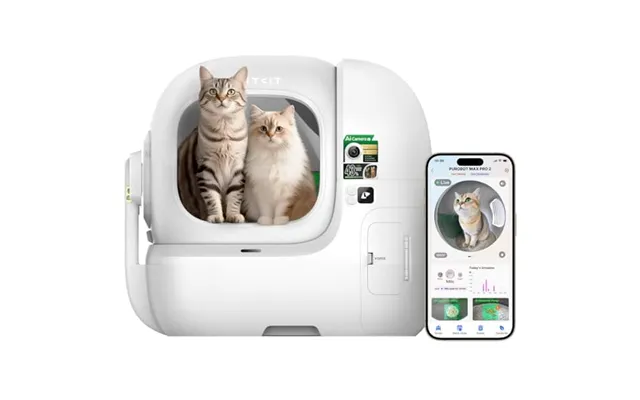
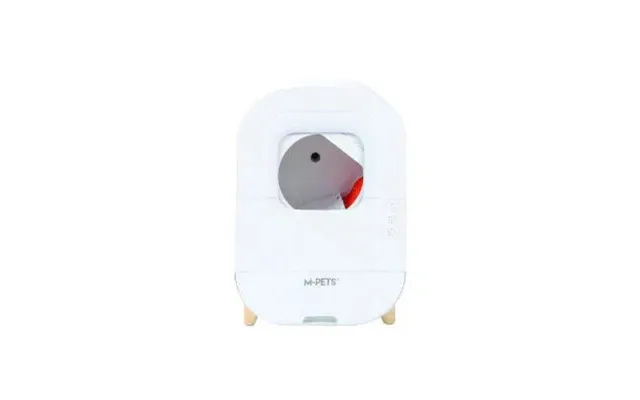
Automatic boxes do the scooping for you—either by raking clumps into a sealed compartment or spinning the waste into a drawer. If you’re busy, sensitive to smells, or managing multiple cats, this can feel like the future. Popular picks include fully automated units with sensors that cycle after use. The upsides are consistent cleanliness and serious odor control. The downsides are cost and maintenance: you’ll still empty the waste drawer and perform periodic deep cleans. For larger cats, check the internal dimensions carefully and look for entries or openings at least 12 inches wide so they don’t feel cramped.
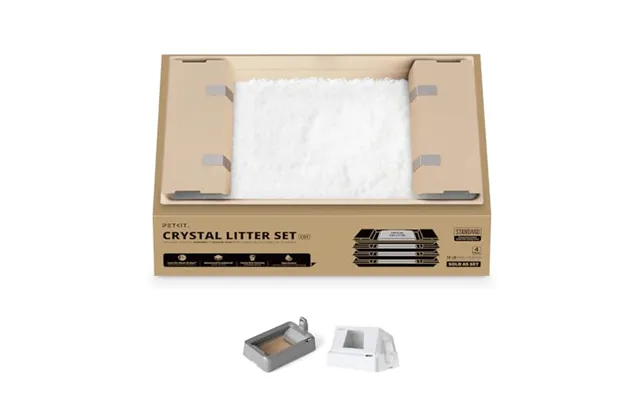
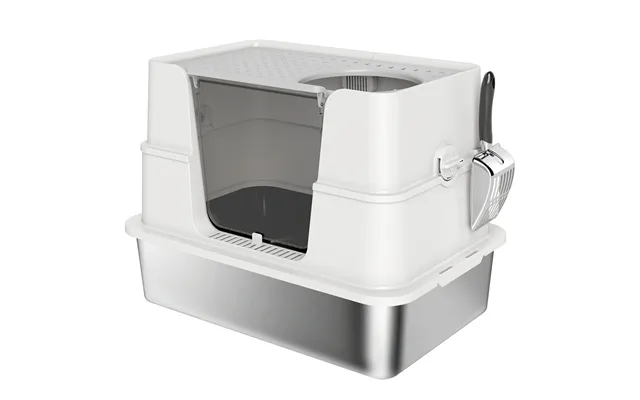
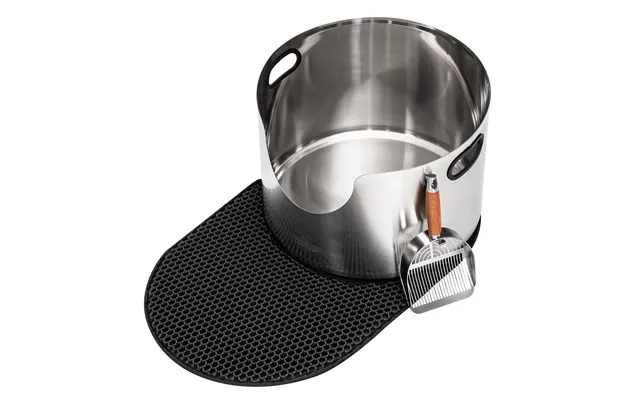
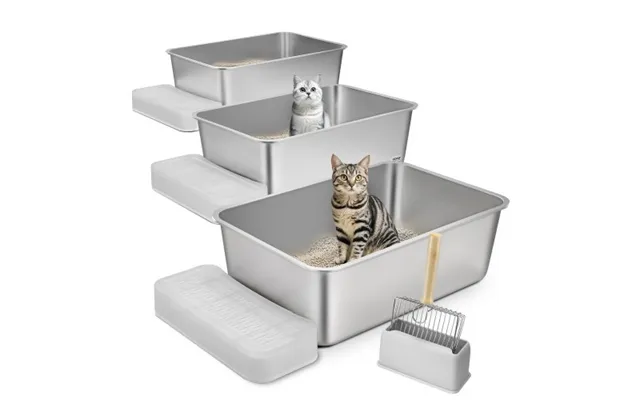
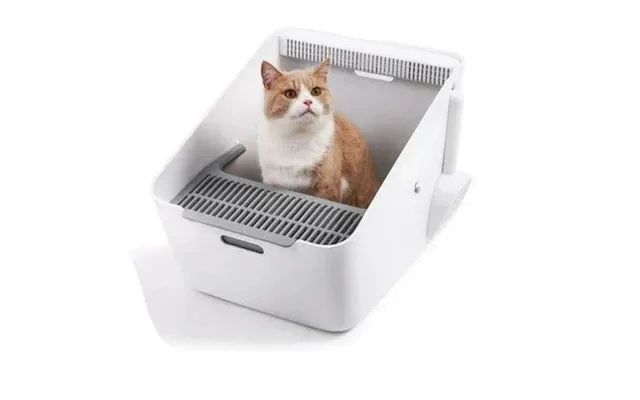
Sifting boxes come with stacked trays that let clean litter fall through, leaving clumps behind. They make scooping faster and reduce contact with soiled litter. If you suffer from wrist fatigue or just want to speed things up, sifting is a nice middle ground between manual and automatic. Stainless steel pans, on the other hand, focus on durability and hygiene. They resist odors, don’t scratch easily, and tend to stay cleaner over time. If plastic boxes keep retaining smells or getting gouged, stainless steel is a worthy upgrade—particularly in multi-cat homes.
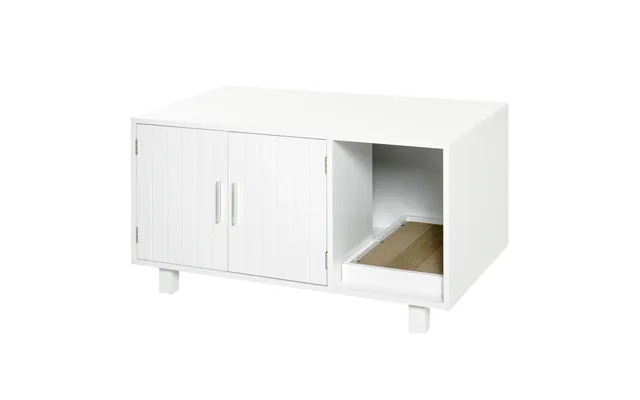
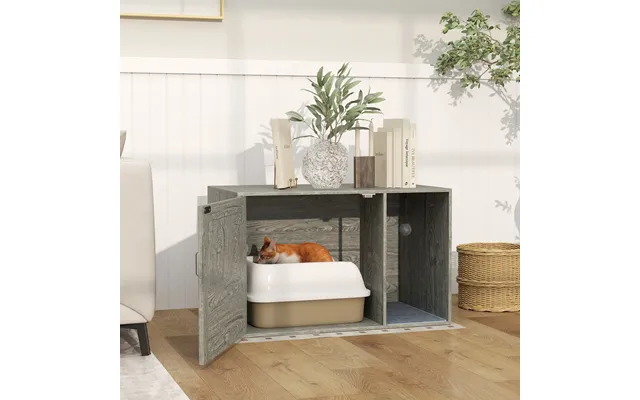
Furniture-style enclosures hide the litter box inside a cabinet or bench, transforming a necessary eyesore into a stylish accent. They’re ideal in small flats where the box must live in a living area. Look for units with rear vents, interior space of at least 20 by 18 inches, and an easy-access door for cleaning. Remember, style should never compromise your cat’s comfort. If your cat dislikes enclosed boxes, choose a cabinet that allows the door to remain open or remove the internal flap to increase airflow.
A simple rule of thumb: the litter box should be at least 1.5 times the length of your cat, measured from nose to base of tail. For most adult cats, that means a box about 18 to 22 inches long and 14 to 18 inches wide. Big breeds may need 22 to 24 inches or more. Entrance height matters too. For kittens and seniors, aim for a 4 to 6 inch entry. For high-siders that block scatter, 8 to 10 inch walls with a lower front lip are ideal. If you’re placing the box in a cabinet or niche, confirm you can slide it out fully for cleaning and still leave a couple inches of clearance on all sides for airflow.
The best litter box is the one you’ll actually clean daily. Non-stick interiors help prevent cemented clumps, while rounded corners allow smooth scooping. Handles and grip edges make it easier to lift for deep cleans. Some models include a litter guard to reduce scatter, while others provide matching scoops that clip to the side so you always know where yours is. If you use liners, look for boxes with liner-lock features to prevent slipping. Sifting trays can cut scooping time dramatically, especially if you’re managing two or more boxes. For covered models, check that the hood detaches quickly so you’re not wrestling with clips every day.
Odor control is a balancing act between airflow and containment. Covered boxes with carbon filters can help, but only if you scoop regularly and maintain fresh litter depth—typically 2 to 3 inches. For automatic boxes, sealed waste drawers keep smells in check. For open pans, strategic placement near a ventilated area and using quality clumping litter make a huge difference. Avoid placing a box right next to the food bowl; cats prefer separation, and you’ll get better compliance and fewer smell complaints.
Different life stages and mobility needs call for different designs. A box that’s perfect for a nimble adult might be a hurdle for a kitten or an elderly cat. Matching the entrance height, size, and layout to your cat’s current needs can prevent accidents and keep everyone happier.
For kittens, accessibility trumps everything. Choose shallow trays with a 3 to 5 inch entry so little legs can step in and out easily. Start with a basic open tray during training—kittens learn best when the box is visible and easy to reach. As they grow, you can upgrade to high-sided or covered models if needed. Keep the footprint around 16 to 18 inches long at first, moving up to 18 to 20 inches as they hit their growth spurt.
Senior cats may struggle with high walls and tight doorways. Look for low-entry boxes, ideally 4 to 6 inches at the opening, with a larger interior that lets them turn without bumping into walls. Open pans or covered boxes with removable doors work well. Placing the box on a non-slip mat can reduce the risk of slips when stepping out. If your senior cat misses the edge occasionally, a high-sided pan with a low front lip offers the best of both worlds.
Big cats and busy households benefit from jumbo boxes and, often, multiple units. The general guideline is one box per cat, plus one extra. If you’ve got two cats, aim for three boxes; it reduces territorial stress and cuts down on accidents. Jumbo boxes around 22 to 24 inches long with high sides are ideal. Automatic boxes can also shine here, as they keep the litter clean between uses, but make sure the internal space is generous and the entry is wide.
The right accessories transform your litter setup from “that’ll do” to “wow, this works.” Mats, scoops, liners, and filters might sound boring, but they’re the secret to a cleaner floor, fresher air, and faster cleanups. Pick accessories that match your box’s design so everything fits and functions as intended.
A good mat catches litter before it spreads through your home. Look for soft, honeycomb-style textures that trap granules without hurting sensitive paws. Size matters: choose a mat that extends at least 4 to 6 inches beyond the entry point. For top-entry boxes, a textured lid reduces tracking, but a mat still helps with those final few steps.
A sturdy scoop with a comfortable handle makes daily cleaning quicker and kinder to your wrist. Metal scoops last longer and scrape better, while slotted plastic scoops are lightweight and gentle on non-stick coatings. Liners can speed up deep cleans—just be sure they fit snugly to avoid tearing. Scented waste bags help keep the bin fresher between trips outside.
For hooded boxes, replace carbon filters as recommended to keep odors down. Deodorizing powders can help, but use sparingly to avoid overwhelming sensitive noses. If you prefer a more natural approach, baking soda sprinkled under the litter (not on top) can absorb smells without bothering most cats.
Prices vary widely, but there’s a sweet spot for every budget. Basic open trays often start under £20. Covered and high-sided boxes typically range from about £20 to £60 depending on build quality, size, and extras like filters. Stylish furniture enclosures and stainless steel options often sit between £60 and £150. Automatic self-cleaning boxes are premium purchases, with many models ranging from around £150 to £500 or more. Want to know if you’ve found a real bargain? Compare like-for-like features—dimensions, materials, filters, liner compatibility—rather than just the headline price. Check credible comparison platforms that compile popular offers and a clear price list, so you can see how a model stacks up against similar boxes at a glance. This helps you avoid overpaying for flashy extras you don’t need and ensures you don’t miss a discount on a better-sized model.
Brands like Catit, IRIS, Petmate, Modkat, and PetSafe are widely known for reliable designs in the UK market. Catit’s hooded boxes are a classic choice for odor control, while Modkat is beloved for sleek, top-entry styles. Stainless steel pans from specialty makers have a loyal fan base for durability and hygiene. For automatic options, brands offering raking or rotating mechanisms are popular among busy pet parents; they deliver consistent cleanliness with minimal daily effort. No matter the brand, scan the specs first: internal dimensions, entry height, and cleaning mechanism are more important than the name on the box.
Cats are creatures of habit, so introduce change gently. Place the new box next to the old one for a few days and keep the litter type consistent. If you’re switching to a covered or top-entry design, remove any doors initially and let your cat explore at their own pace. Praise and treats help, but never force them inside—that can backfire. Once you see consistent use, remove the older box. With automatic models, leave the unit off for the first day or two so the quiet cycle doesn’t surprise a cautious cat.
Consistency beats perfection. Scoop at least once daily (twice for multi-cat homes), and keep a steady litter depth of about 2 to 3 inches. Top up as needed to maintain that cushiony layer cats like for digging and covering. Plan a full refresh and wash weekly or biweekly depending on the litter type and number of cats. Use mild, unscented soap and warm water; harsh cleaners can leave odors cats dislike. Dry thoroughly before refilling to prevent clumping along damp edges. For covered boxes, wipe the hood and replace filters as directed. For automatics, follow the maintenance schedule so sensors and mechanisms stay reliable.
If sustainability is your priority, consider durable materials that last longer and resist odor retention, like stainless steel. Recycled-plastic boxes reduce waste, and biodegradable liners minimize plastic use. Furniture-style enclosures made from responsibly sourced wood can balance aesthetics with eco-consciousness. A box that stays in service for years has a smaller footprint than several cheap replacements—so sometimes “buy once, buy right” is the greenest move.
When you’re ready to buy, comparing prices across multiple retailers is the smartest way to secure value. Independent price comparison platforms such as ZoneOffer compile popular offers and price lists so you can quickly filter by type, size, and features. Because ZoneOffer isn’t a store, you can scan deals from different sellers in one place and jump to whichever retailer suits your budget and delivery preferences. Keep an eye out for seasonal promotions and bundle savings on accessories like mats and filters—those little add-ons can make a noticeable difference in day-to-day freshness and convenience.
Choosing the best cat litter box in the UK comes down to three things: fit, function, and fair price. Measure your cat and your space, decide which design solves your biggest pain point—scatter, smell, or cleaning time—and then compare offers so you pay for performance instead of hype. Open trays are simple and cat-friendly, covered boxes tame mess, top-entry designs curb tracking, high-sided and jumbo pans suit big diggers, and automatics deliver set-it-and-forget-it convenience. Add the right mat and scoop, stick to a steady cleaning routine, and your home will smell fresher, your floors will stay cleaner, and your cat will be more content. The perfect litter box isn’t just out there—it’s waiting in your price range.

| £ 54,59 |
| Smart Litter Box Extra Large Fully Enclosed Automatic Cleaning Deodorizing Anti-splash Electric Cat Toilet | £ 238,72 |