All categories
Business & Offices
Electronics & Media
Fashion & Accessories
Groceries & Essentials
Health & Personal Care
Home & Living
Kids & Family
Sports & Outdoors
Search in ZoneOffer

Loading...
If you’ve checked the pet aisle lately, you’ve felt it: prices are creeping up, promos come and go, and it’s hard to tell a real bargain from clever packaging. The good news? You can still feed your dog premium nutrition without overspending by comparing prices across multiple retailers, timing your purchase, and focusing on cost per pound rather than sticker price. A curated comparison page that aggregates dog food offers in one place makes this easy, helping you weigh brand, bag size, and per-pound value at a glance. Less hopping between tabs, more money left in your pocket.
Here’s the kicker: not all “deals” are equal. A flashy discount on a small bag might cost more per pound than a modest markdown on a larger bag. Paying attention to the numbers—weight in pounds, price per ounce, and feeding guidelines—lets you separate a true win from a wallet trap. And once you know how to read labels and calculate the real cost per meal, you’ll shop like a pro every time.
Every dog and household is different, so the best choice is the one that keeps your pup healthy, happy, and your budget balanced. The three most common categories—dry kibble, wet food, and raw or freeze-dried—each come with clear pros and cons. Let’s break it down so you can compare like-for-like on price and nutrition.
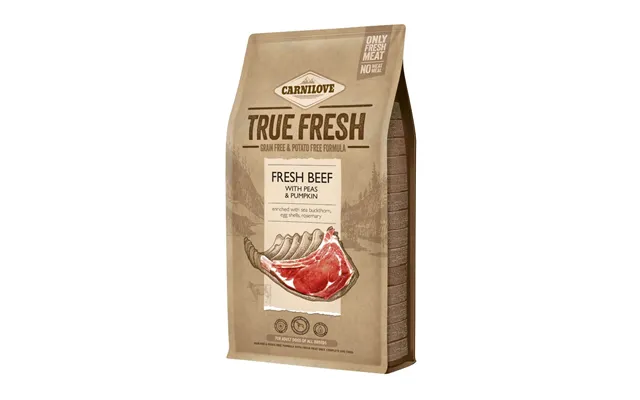
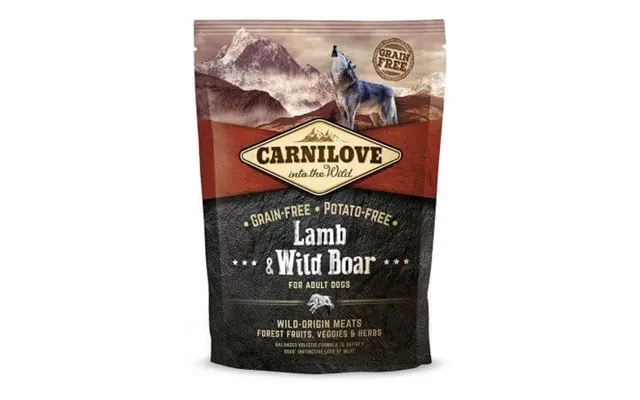
Dry food is popular for a reason. It stores well, typically costs less per pound, and comes in a wide range of formulas for puppies, small breeds, large breeds, sensitive stomachs, and more. When you’re bargain-hunting, look at larger formats like 12 lb, 24 lb, or even 30 lb bags. You’ll usually get a lower price per pound versus smaller bags, and comparison pages make this math painless. Bonus: many brands offer frequent multi-buy promotions or mix-and-match deals on their dry lines.
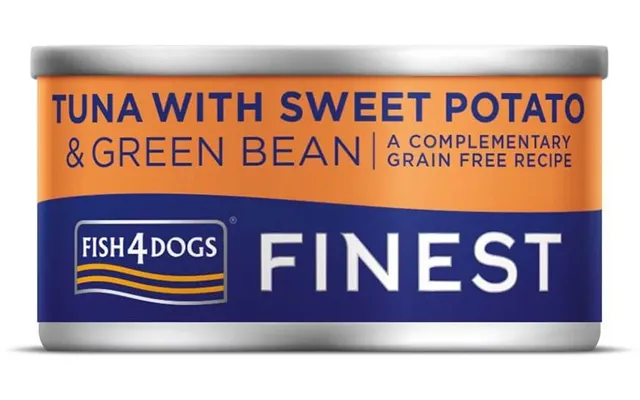
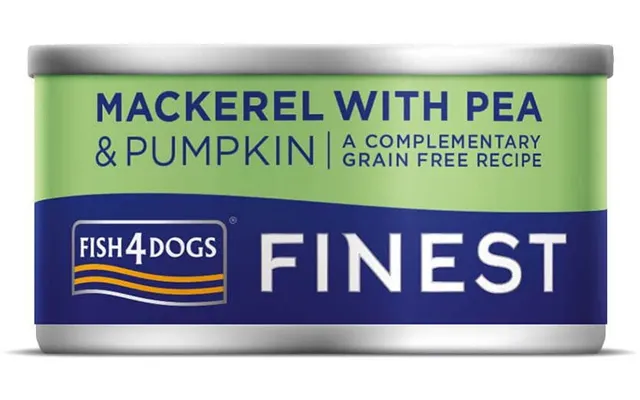
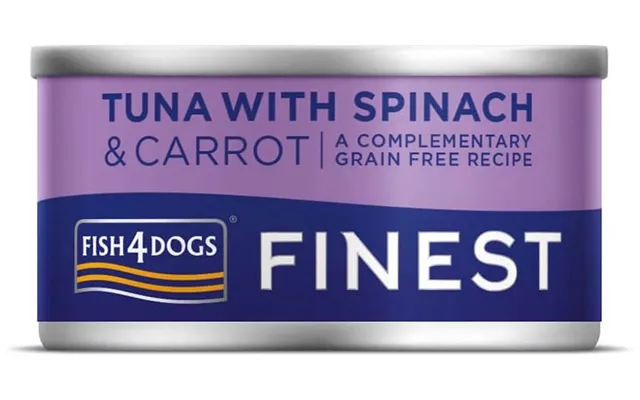
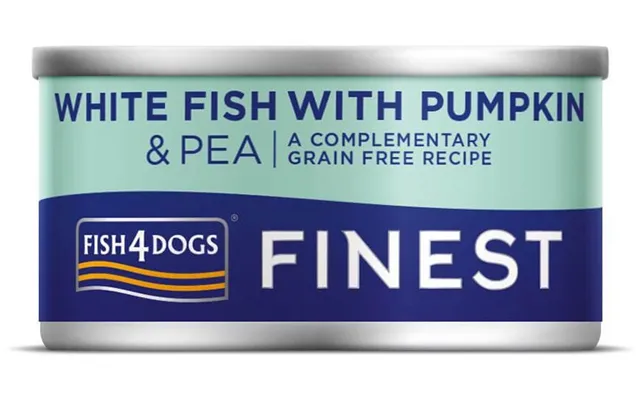
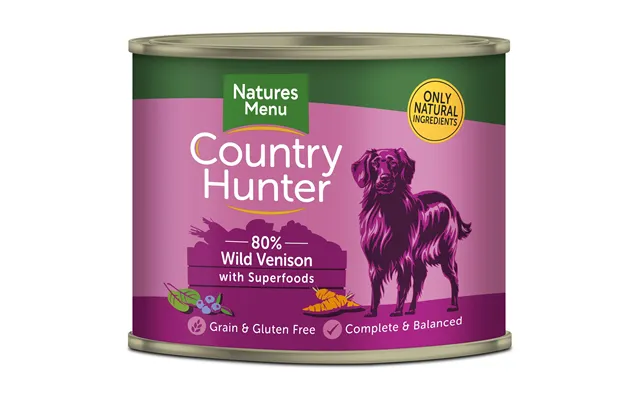
Wet food—tins and trays—shines for picky eaters and dogs needing extra moisture. It’s easy to portion, and single-protein recipes (like chicken or salmon) are common. Look for multi-packs or subscribe-and-save offers on the most used tin sizes such as 12.5 oz or 13.2 oz. When comparing prices, calculate cost per ounce and remember that wet food is mostly water; sometimes your dog needs fewer ounces than you think for the same calories, so check the feeding guide on the label before you judge the value.
Raw and freeze-dried foods appeal to owners seeking minimally processed diets with high meat content. Freeze-dried nuggets and patties are lightweight and convenient, rehydrating quickly for mealtime. They often cost more per pound than kibble or tins, but you can trim the spend by using them as toppers—just a few ounces blended with dry food can boost protein and flavor. Keep an eye out for flash sales and introductory bundles; comparison platforms help surface these from multiple retailers so you don’t miss a short-lived markdown.
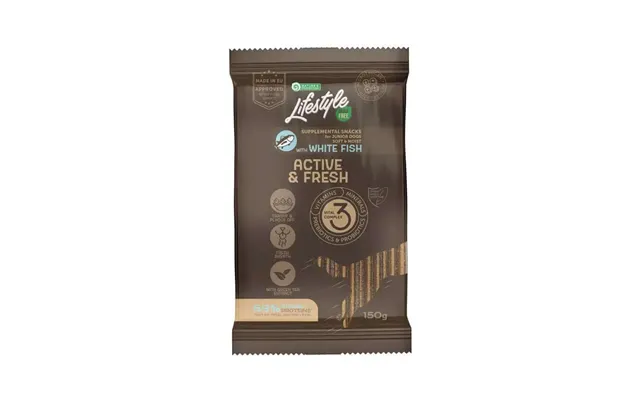
Labels can look like a wall of jargon, but you only need a quick checklist to sort the winners from the fillers. Start with the first five ingredients—they tell you most of what you’re buying. You want clearly named animal proteins (chicken, turkey, salmon, lamb) near the top, not vague terms. Next, glance at the guaranteed analysis. For most healthy adult dogs, a moderate-to-high protein and balanced fat profile works well; exact targets vary with age, breed, and activity level. Finally, look for phrases like “complete and balanced” per recognised nutritional guidelines—this signals it’s formulated to meet core dietary needs.


Protein supports muscle maintenance. Quality fat provides energy and helps keep coats shiny. Fiber supports digestion. You’ll also see mentions of omega-3 sources such as salmon oil and flaxseed, plus joint-support ingredients like glucosamine and chondroitin in many senior or large-breed recipes. If your dog has skin, coat, or joint issues, those can be helpful callouts to prioritize when you compare options and prices.
Avoid vague meat by-products that don’t specify the source, artificial colors, and unnecessary sweeteners. Grain-free isn’t automatically better, and grain-inclusive isn’t automatically cheap or “filler”—judge the full recipe. Brown rice, oats, and barley can be perfectly sensible carbohydrate sources for many dogs. If your dog is sensitive, look for limited-ingredient formulas with a single protein and simple carb base (like salmon and sweet potato) and compare those across brands to find the best per-pound price.
When browsing a curated list of dog food offers, you’ll notice recurring categories. Knowing which bucket you’re shopping helps you apply the right filters and spot a bargain faster.
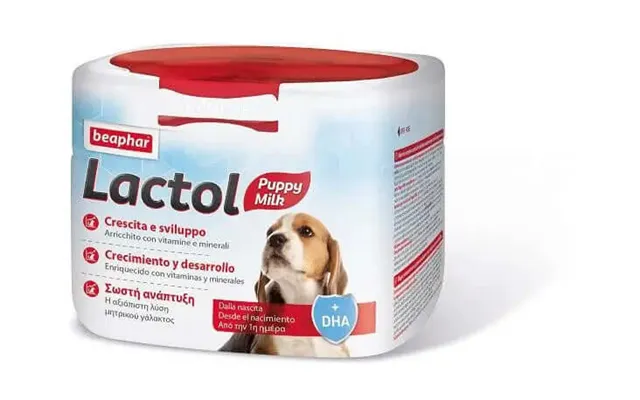
Pups need energy-dense diets and support for brain and eye development. Look for recipes that call out nutrients supportive of growth and check that “complete and balanced” statement. Multi-buy deals on 4 lb to 12 lb bags are common, which makes sense if you’re finding the right fit before committing to bigger formats.
These are the all-rounders. You’ll find grain-inclusive and grain-free, different protein sources, and a massive spread of bag sizes—from 4 lb starters to 24 lb and beyond. This is where cost-per-pound comparisons really shine. Watch for recurring promo cycles; many mainstream brands discount every few weeks, which is perfect for planning your restock.
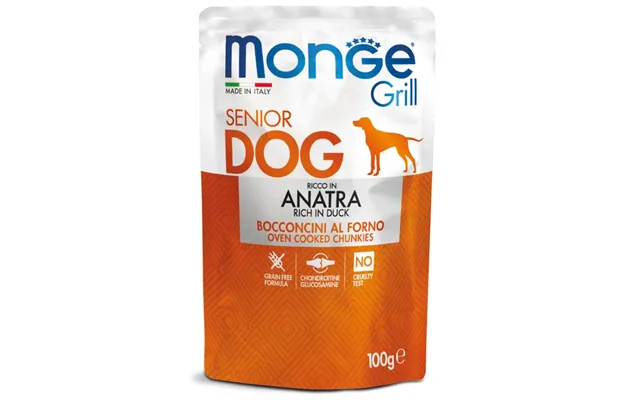
Senior recipes often feature joint-support blends and adjusted calories. “Light” or “healthy weight” lines help adult dogs maintain a lean physique without feeling hungry. Deals here often include larger bags, so check the use-by date and make sure you can store the food properly once opened.
From science-led to natural and grain-free, the UK market is packed with choice. The smart approach? Shortlist your dog’s needs, then compare equivalent lines across multiple brands for the best per-pound value. This levels the playing field—no brand halo, just hard numbers and ingredient quality.
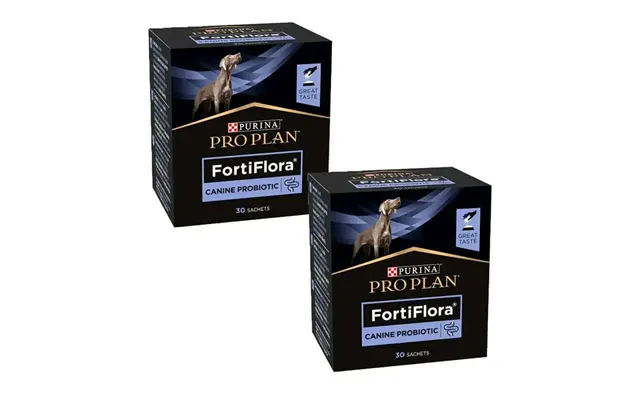
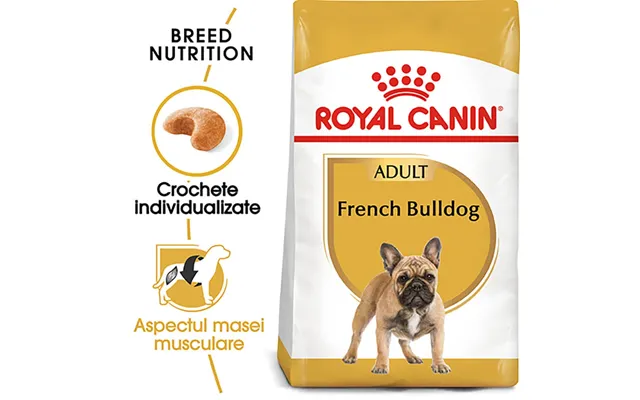
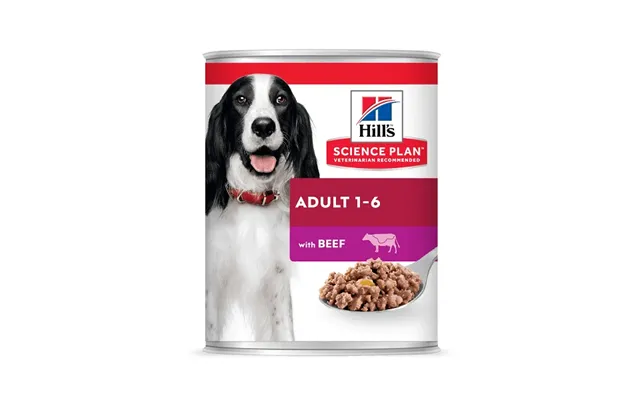
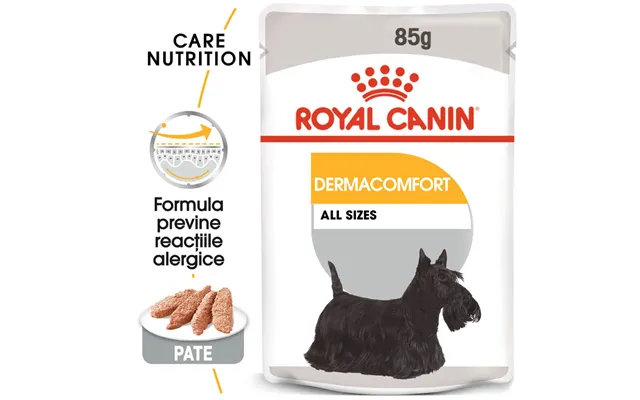
Brands focused on research-driven nutrition—think of lines comparable to Hill’s Science Plan, Royal Canin, or Purina Pro Plan—offer targeted recipes for life stage, size, and health needs. You’ll often see advanced formulas for digestion, skin, and joint care. These can cost more per pound, but regular promotions and multi-pack savings appear frequently. Compare bag sizes side by side; a 24 lb bag with a smaller discount can still beat a heavily discounted 12 lb bag on true cost.
If you prefer recipes that read closer to a home kitchen—lines akin to Orijen, Acana, Canagan, Lily’s Kitchen, James Wellbeloved, or Harringtons—look for high meat content and clear ingredient lists. Price tags vary, so leverage a comparison page’s filters to narrow by protein source (chicken, turkey, salmon, duck) and bag weight. Mix-and-match deals on complementary wet trays and toppers are common here too.
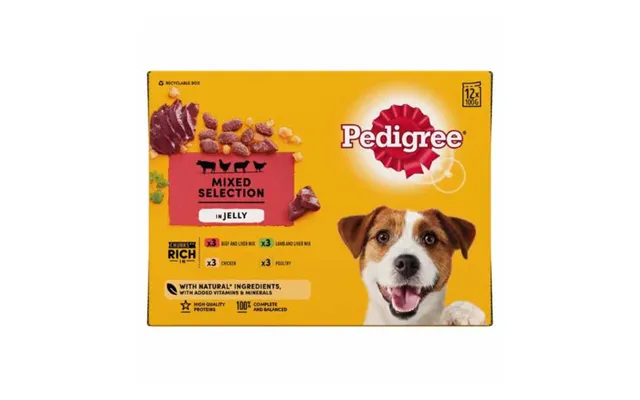
Everyday brands—think Pedigree, Wagg, and similar—can be great for tight budgets or multi-dog households. You’ll typically find frequent promotions, bulk-buy discounts, and wide retailer availability. Always check the label quality alongside the price so you’re not trading away essential nutrition for a short-term bargain.
Sticker price doesn’t tell you much. Cost per meal does. To estimate, start with the bag price and weight. Work out the cost per pound, then decide how many ounces your dog eats daily (based on the feeding guide and your dog’s condition). Multiply daily ounces by cost per ounce, and you’ll have a real-world price per day. It’s simple math that saves serious money over a year.
Let’s say Bag A is 24 lb at £60. That’s £2.50 per pound, or about £0.16 per ounce. Bag B is 12 lb at £35, which is about £2.92 per pound, or £0.18 per ounce. If your dog eats 10 ounces a day, Bag A costs roughly £1.60 per day, while Bag B is about £1.80 per day. That’s a meaningful difference over a month. Now layer in promotions: if Bag B drops to £30, your cost per ounce improves to about £0.16—now it’s a tie. This is why tracking per-ounce pricing and watching for short-term discounts pays off.
Ready to get strategic? Combine the right bag size with the right discount window, and you’ll feed better for less. Keep a running shortlist of two or three formulas your dog loves so you can pivot to whichever is discounted this week. Sign up for brand newsletters to catch vouchers, and use a comparison platform to scan multiple retailers before you commit.
Look out for bundles that pair dry food with wet trays or toppers. If you’re already adding 2 to 4 ounces of topper per meal for palatability, bundle pricing can lower your overall daily cost. Just make sure the topper complements the base diet and doesn’t unbalance it—especially for puppies and seniors.
Before buying a 24 lb sack because it’s a bargain, test with a 4 lb or 6 lb bag to confirm it agrees with your dog. Nothing wastes money faster than a big bag your dog won’t eat. Once a recipe passes the taste-and-tummy test, snag the large size on promo and store it correctly.
Some dogs need more than a standard adult formula. If yours has sensitivities, start with a simple ingredient list and a single protein. If you’ve got an athlete or a working dog, a higher-energy formula might be the ticket. A good comparison page helps you filter quickly so you can focus on options that fit your dog’s needs and your budget.
For itchy skin, ear issues, or GI upsets, try limited-ingredient recipes built around one protein (like salmon, turkey, or duck) and a straightforward carbohydrate. These can run pricier per pound, so time your purchases with deals and consider alternating with a compatible, slightly more affordable formula once symptoms improve—always transitioning gradually.
Active dogs burn through calories. Look for recipes with higher protein and fat to sustain them, and compare daily cost rather than bag price. Even if the bag is pricier, you may feed fewer ounces to hit the same calorie target, which brings the daily cost in line with a mid-range option.
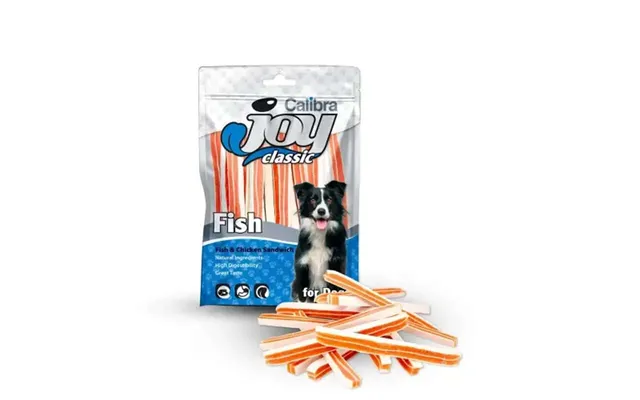
If your dog is a food critic, toppers and mixers are your secret weapon. A spoon or two of a 12.5 oz tin stirred into kibble can transform dinner without blowing the budget. Freeze-dried toppers are potent and lightweight; a handful of crumbled patties can deliver an aroma and texture upgrade for just a few ounces per day.
Broths and gravies add moisture and flavor, while freeze-dried toppers add intensity. Hunt for multi-pack deals and seasonal promos, and consider rotating between wet and freeze-dried toppers to take advantage of whichever line is discounted that week. The trick is to keep the topper portion modest so the base kibble remains your value anchor.
Quality can nosedive if food isn’t stored right. Keep dry food in its original bag (it’s designed to protect nutrients) placed inside an airtight container. Once opened, aim to use a large bag within several weeks, and stash any excess in smaller airtight bins. For wet food, cover opened tins and refrigerate promptly—then use within a couple of days.
Switching foods? Transition slowly over 7 to 10 days. Start with a small portion of the new food mixed into the familiar one, then gradually increase. This method helps avoid digestive upsets and lets you take advantage of a great deal even if your regular brand isn’t the one on sale this week.
Different life stages come with different priorities. Knowing what to look for helps you scan a comparison page with laser focus and pick the real winners quickly.
Growth-stage formulas with robust nutrition are key. Because you’ll likely adjust portions as your pup grows, consider mid-size bags like 6 lb or 12 lb to keep food fresh and flexible. Search for multi-buys or first-time discounts from reputable brands, then step up to larger sizes when you’re confident it’s the right fit.
This is the most competitive segment—great news for your wallet. Score value by comparing per-pound pricing on 24 lb bags, checking for seasonal promotions, and rotating between two similar-quality formulas based on whichever is discounted.
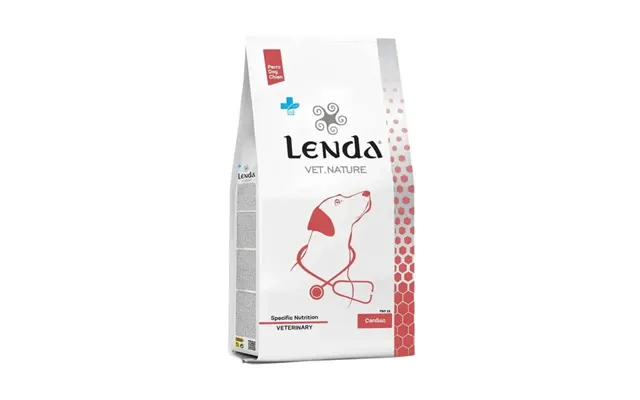
Senior formulas often highlight joint and heart support while keeping calories sensible. These can be pricier, so monitor recurring promos and consider buying two medium bags instead of one very large bag to maintain freshness if your dog eats fewer ounces per day.
Finding the best dog food deal isn’t just about luck—it’s about visibility. A comparison site aggregates offers from multiple retailers, lets you filter by brand, bag weight, recipe type (dry, wet, freeze-dried), protein source, and life stage, and shows price per pound so you can spot value instantly. Because it doesn’t hold stock like a store, it can focus on surfacing the strongest live offers and curated price lists, saving you time and helping you stretch your budget without sacrificing quality.
Ready to score a smart deal? Run through this quick checklist:
1) Confirm the formula suits your dog’s life stage and needs. 2) Compare price per pound across different bag sizes and brands. 3) Check recent reviews for palatability and consistency. 4) Make sure you can store the bag properly. 5) Plan a gradual transition if you’re switching recipes. 6) Watch for stackable savings like vouchers, loyalty points, or multi-buy discounts. Do that, and you’ll feed better for less—every single month.
Dog food shopping doesn’t have to be a guessing game or a budget buster. When you compare across retailers, focus on cost per pound, and judge recipes by ingredients and suitability, you’ll find the sweet spot where quality meets value. Dry, wet, or freeze-dried—there’s a smart way to buy each one, from timing your purchase to leveraging bundles and toppers. Keep a short list of trusted formulas, use a comparison site to spot live offers and curated price lists, and stock up when the math works in your favor. Your dog gets great nutrition, you keep more cash in your pocket, and mealtime becomes one less thing to worry about. That’s a win worth fetching.