





All categories
Business & Offices
Electronics & Media
Fashion & Accessories
Groceries & Essentials
Health & Personal Care
Home & Living
Kids & Family
Sports & Outdoors
Search in ZoneOffer
Loading...
Ask any seasoned aquarist what keeps fish thriving, and you’ll hear the same answer: stable temperature. Fish don’t have the luxury of grabbing a sweater when the room chills or flipping a fan on during a heatwave. Their entire metabolism, immunity, and stress levels hinge on steady water temperatures. That’s where aquarium temperature controllers step in—quiet guardians that keep heaters and chillers in line so your tank doesn’t drift a degree too far.
Most heaters have built‑in thermostats, but they can be off by a few degrees and may fail in the on position. A temperature controller adds a second, more precise brain. It reads the water via a probe and intelligently toggles your heater (and sometimes a chiller or fan) to keep things within a tight window. Think of it like cruise control for your tank—you set the speed, and it corrects for hills and wind without you riding the pedal.
Different aquatic setups have different sweet spots. Tropical community tanks typically thrive around 76–80°F. Many planted freshwater tanks sit comfortably at 74–78°F. Reef systems prefer a narrower band, usually 77–79°F, to keep corals happy. Coldwater species, like some fancy goldfish, are content around 65–72°F. The key is consistency—holding steady beats bouncing around, even if you’re near the edge of a species’ recommended range.
In plain terms, it’s a device that powers your heater (and sometimes a cooling device) on and off based on real‑time readings from a temperature probe in your tank or sump. You set your target temperature and a small allowance—called the differential or hysteresis—so the controller knows when to click things on or off. Many units offer alarms, safety shutoffs, scheduling, and app alerts. The best part? They’re usually plug‑and‑play: plug the controller into the wall, plug your heater into the controller, pop the probe in the water, and you’re nearly done.
Single‑stage controllers manage one job: heating. They’re perfect for most freshwater tanks where you only need to keep things warm. Dual‑stage controllers do both heating and cooling. They’ll turn the heater on if things drop and activate a chiller (or fans) if the tank warms up. Reef keepers and warm rooms benefit from dual‑stage control, especially during summer heat spikes.
Many heaters have built‑in thermostats, and some higher‑end models include an external controller with a digital readout. Still, an independent controller offers redundancy and usually tighter accuracy. Pairing a reliable heater with a trustworthy external controller gives you two lines of defense—if one drifts, the other pulls it back to target.
Browse any aquarium comparison site and you’ll find a handful of common controller styles. Each shines in specific setups and budgets. The trick is matching the type to your tank size, species, and how much you like to tinker.
These are the crowd‑pleasers: simple, affordable, and effective. You get a main unit with a display, one or two grounded power sockets, and a waterproof probe. Set the target temperature and differential, and you’re off. They’re great for most home aquariums and are easy to move between tanks during maintenance or upgrades.
Want alerts on your phone if the tank dips or spikes? App‑enabled controllers offer remote monitoring, push notifications, and often data logging. This is handy if you travel or keep sensitive species. Some models integrate with broader smart home ecosystems, letting you automate lighting, pumps, and more alongside temperature.
If you want minimal clutter in the display tank, consider a controller paired with an external inline heater or a titanium heating element placed in a sump. Titanium elements are rugged and corrosion‑resistant, and the external control box usually has precise settings and alarms. Inline systems keep the heater out of sight and out of harm’s way, perfect for scapers and reef keepers who prize a clean look.
Tech‑savvy aquarists sometimes pick programmable controllers that let them fine‑tune every parameter. With adjustable hysteresis, safety cutoffs, and custom schedules, these can be tailored to unique environments, breeding setups, or seasonal simulations. They take a bit more learning, but offer unmatched control.
Beyond the basics, a few features make the difference between “works fine” and “works flawlessly.” When you’re comparing options, pay attention to precision, safety, and build quality. That’s what keeps your fish protected during those “what if” moments.
Controllers commonly advertise accuracy within ±1°F, but look for units that allow manual calibration. Water chemistry, probe placement, and even room drafts can skew readings slightly. With a reliable reference thermometer, you can dial the controller in so it reports the true temperature of your tank.
High‑temperature and low‑temperature alarms are must‑haves. Some controllers also allow you to set a maximum safe temperature cutoff—if the heater tries to run past that limit, power is cut. This can save your tank if a heater sticks on. Audible alarms are great when you’re home; app alerts are perfect when you’re not.
Check the maximum load rating in amps or watts. Big tanks with beefy heaters need controllers that can handle the draw. Dual‑stage models will have separate sockets—one for heat and one for cooling—so verify your chiller or fan system is compatible with the socket type and power limits.
Look for waterproof, corrosion‑resistant probes with a sturdy cable and a secure seal. A flimsy probe risks false readings or moisture ingress. Good placement is equally important: put the probe where water circulation is steady, away from direct heater flow or intense lighting that can create micro‑climates.
Some controllers offer timed modes, ramping functions, or seasonal simulations that gently shift temperature across months. This can encourage breeding in certain species or synchronize with natural cycles. It’s not essential for beginners, but it’s a fun, biologically inspired upgrade.
Choosing the right controller is half the story; matching it with the right heater is the other half. Undersized heaters run constantly and fail early, while oversized heaters can overshoot quickly if control falters. Aim for balance and plan for the room your tank lives in.
A simple rule of thumb: around 3–5 watts per gallon, adjusted for how warm you keep your home. For example, a 40‑gallon tank might pair well with a 150–200 watt heater. For a 75‑gallon setup, 250–375 watts is typical. Two smaller heaters controlled by the same controller can be safer than one large heater—if one fails, the other can maintain a livable temperature until you notice.
Consider the gap between room temperature and your target water temperature. If your home sits around 70°F and you aim for 78°F, you’ll need more wattage than if the room averages 75°F. Conversely, if summer raises the room past your set point, factor in cooling. A dual‑stage controller can kick on fans or a chiller when your living space becomes a mini sauna.
Setting up a temperature controller is straightforward, but a few best practices go a long way. First, map your cable runs so nothing dangles where it shouldn’t. Second, mount the controller somewhere dry and visible. Third, test the system before trusting it with your fish, just as you would any life‑support gear.
Place the probe in an area with good flow—near a filter return or in a sump chamber with steady circulation. Avoid resting the probe directly against glass or hardscape, which can trap heat or cool spots. Use clips or suction cups to secure the cable and create a drip loop before it reaches the outlet, so any wayward water drips safely to the floor, not into your plug.
Short cycling—rapid on/off bursts—can wear out heaters. Set a reasonable differential (for example, 0.5–1.0°F). That way, your controller doesn’t flick the heater on for a few seconds every minute. A gentle, predictable cycle is easier on components and keeps temperatures steady without micro‑spikes.
Controllers are low‑maintenance, but “set and forget” shouldn’t turn into “set and regret.” Build a quick routine to verify accuracy and function, and you’ll avoid nasty surprises.
Once a month, compare the controller’s reading to a trusted thermometer. Wipe the probe with a soft cloth to remove biofilm. Inspect cables for nicks, check suction cups or clips, and confirm your alarm thresholds still match your livestock’s needs. If the controller allows, log your readings—it helps spot slow drifts.
If temperatures read oddly high or low, re‑seat the probe and check flow around it. If the heater runs constantly, verify the target and differential, and ensure the heater’s own thermostat isn’t fighting the controller—set the heater a couple of degrees above the controller’s target so the controller stays in charge. For false alarms, recalibrate using a reliable reference thermometer and confirm the probe isn’t near a heat source or bright light.
Whether you keep a cozy community tank or a thriving reef, a temperature controller can be tailored to your goals. Here’s how different setups benefit, and what to prioritize when you dial in your gear.
For tetras, rasboras, gouramis, and friends, aim for a stable 76–80°F. A single‑stage controller with alarm functions is a perfect match. Consider running two mid‑size heaters on the same controller for redundancy—if one fails, your fish won’t notice a sudden chill.
Corals prefer narrow stability, often around 77–79°F. A dual‑stage controller paired with a reliable heater and a chiller (or strong fans across the sump) gives you peace of mind during summer. Add app alerts so you get a ping if the tank drifts while you’re away.
Some species show richer coloration and natural behaviors with seasonal temperature shifts. A programmable controller can mimic gentle spring warm‑ups or fall cool‑downs. Keep changes slow—think fractions of a degree per day—so fish and beneficial bacteria have time to adapt.
Breeding often demands tight control and small temperature nudges to trigger spawning. Quarantine tanks benefit from stability to reduce stress on new or recovering fish. In both cases, precise alarms and quick visibility of the display help you spot trouble at a glance.
The UK market offers plenty of choices, from trusted budget controllers to pro‑level systems with smart features. Before you hit the buy button, compare specs, read real‑world reviews, and check for safety certifications. Using a comparison site like ZoneOffer can help you scan multiple retailers quickly, weigh features, and find offers without treating it like a single‑store checkout.
Look for models with a track record among aquarists. Popular names in the controller and heater space include brands known for dependable probes, robust relays, and clear displays. If you’re pairing a controller with a titanium heating element or an external unit, stick to brands that publish transparent specs and offer clear wiring diagrams and mounting options. App‑enabled lines should provide stable connectivity and straightforward alert settings.
Electrical gear around water must be safe. Check for recognized safety marks and ensure the controller is rated for your household voltage and plug type. A meaningful warranty and responsive support are worth a small price premium, especially if your tank houses delicate or high‑value livestock.
Temperature controllers do the heavy lifting, but a few extras round out a bulletproof system. Think of these as the pit crew supporting your race car—small additions that keep the whole operation smooth, even when the unexpected happens.
Never trust one reading entirely. A separate digital thermometer—or even a high‑quality liquid crystal strip as a quick glance—gives you a sanity check. If the controller says 78°F and your backup says 81°F, it’s time to recalibrate and investigate.
Heaters draw a fair bit of power, but a small uninterruptible power supply (UPS) can keep a controller and low‑draw equipment alive during brief outages. Even if you can’t run the heater for hours, maintaining flow and monitoring temperature buys you time to respond with blankets or hot water bottles in a pinch.
Use grounded, surge‑protected power strips and mount them above floor level. Create drip loops on every cable so water can’t travel into outlets. Simple habits like these prevent headaches and protect your investment in hardware and livestock.
Fans are an affordable add‑on for dual‑stage controllers to provide evaporative cooling. Place them over the sump or open areas of the tank to whisk away heat. Keep in mind, more evaporation means more top‑offs—consider an auto top‑off unit so salinity (in marine systems) and overall water line stay steady.
If you’re serious about precision, a few pro habits make your system nearly bulletproof. Small changes pay big dividends over months and years, especially with sensitive species or coral reefs that demand consistency.
Dial your heater’s built‑in thermostat a couple of degrees above the controller’s target. This ensures the controller does the decision‑making and the heater doesn’t cycle independently. If the controller fails, the heater’s setting still prevents freezing conditions—redundancy for the win.
Direct light can warm the probe tip, and constant microbubbles can skew readings. Place the probe in shaded, well‑mixed water, away from skimmer outlets or air stones. If your sump is divided, the return section with steady water level often works best.
Intentionally set a temporary high‑temp and low‑temp alarm to verify your alerts fire. It’s like testing a smoke detector—better to know it screams when you need it, not discover a dead battery after an emergency.
There’s plenty of advice floating around, and not all of it holds water. Clearing up a few myths helps you make smarter choices and avoid avoidable issues.
Rooms swing more than you think—nighttime dips, drafts near windows, and seasonal shifts all nudge tanks off target. A heater plus controller keeps things steady even when the thermostat in your hallway plays yo‑yo.
Many are decent, but even good thermostats can drift over time. An external controller adds precision and safety features like alarms and maximum temperature cutoffs—protection that built‑ins often lack.
Not really. Most plug‑and‑play models are as simple as setting the target and plugging in the heater. If you can set an alarm clock, you can run a temperature controller with confidence.
Here’s the simple blueprint: pick a controller that matches your needs (single‑stage for heating only, dual‑stage if you also cool), size your heater to your tank and home, place the probe in consistent flow, and set sensible alarm thresholds. Add a backup thermometer, test monthly, and rest easy knowing your fish are living in a stable, healthy environment.
Aquarium temperature controllers aren’t glamorous, but they’re among the most important pieces of life‑support gear you’ll own. They add precision, safety, and peace of mind—the trifecta that keeps communities thriving, reefs stable, and breeders in control. Whether you lean toward a simple plug‑and‑play unit or a smart, app‑enabled system, the right controller turns temperature from a constant worry into a quiet constant. Compare features, match the controller to your setup, and build in small redundancies. Your fish won’t thank you out loud, but you’ll see it in calmer behavior, brighter colors, and long, healthy lives.
| Aquarium Temperature Controllers | Price | |
|---|---|---|
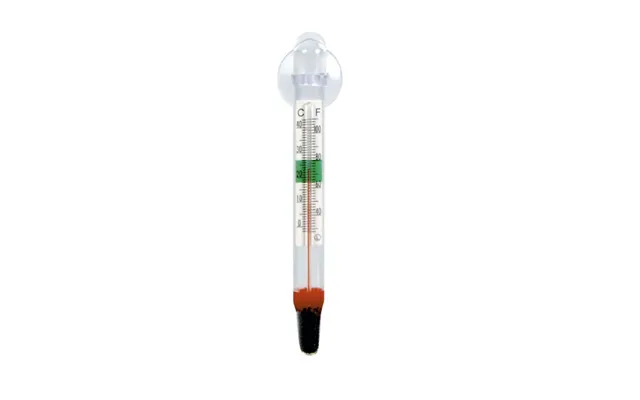
| Aquarium Thermometer | £ 3,30 | |
| Marina Floating Aquarium Thermometer | £ 3,49 | |
| Marina Digital Aquarium Thermometer | £ 3,49 | |
| Marina Submersible Pre-set Heater 100w - 100w | £ 29,99 | |
| Scorpion Serket Taper Stainless Oval Exhaust - Bmw S1000r 2014-current | £ 481,95 |


