
Pet Hair Dryers price list
Last updated Saturday, 19 Sept 2026





View 15 Offers

Loading...
Last updated Saturday, 19 Sept 2026
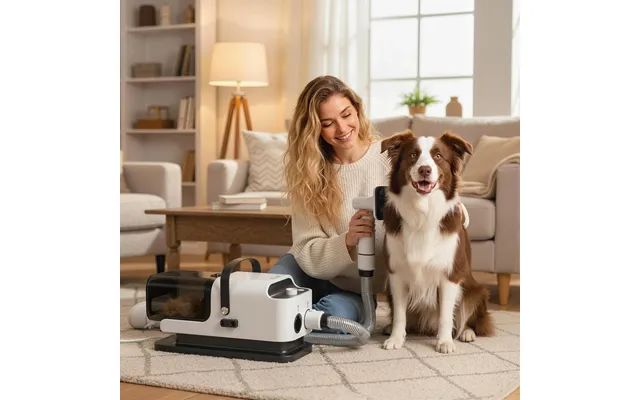
If you’ve ever tried to towel-dry a soggy dog or a jumpy cat after bath time, you know the struggle. A quality pet hair dryer changes everything. It speeds up drying, reduces damp smells, lowers the risk of skin issues, and helps you style the coat so it looks neat instead of frizzy. Even better, it can minimize shedding around the house by blasting loose undercoat out to the yard instead of onto your sofa. That’s a win, right?
Pet dryers aren’t just about convenience. They keep your pet comfortable, especially during colder months when lingering moisture can chill them. Plus, the right dryer supports healthy skin by getting air down to the base of the coat. And when you compare popular offers and scan a price list, you’ll quickly notice there’s a huge range—from budget-friendly handhelds to professional high-velocity machines. Understanding the differences helps you pick the perfect match for your pet and your wallet.
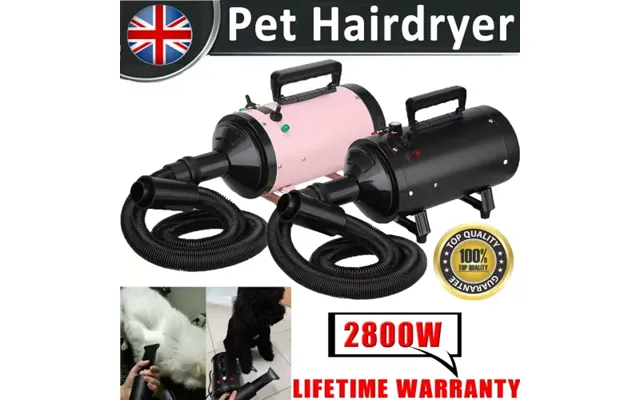
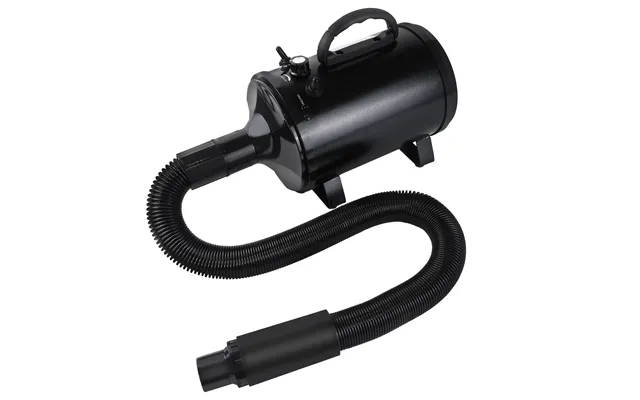
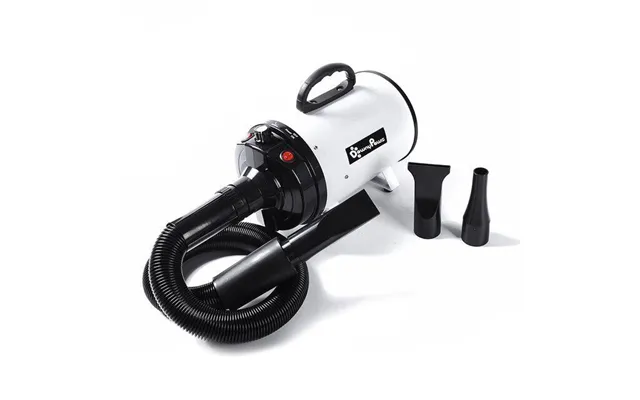
High-velocity dryers, often called force dryers, blast a focused stream of air that lifts water and undercoat from the skin outward. They’re the go-to for thick, double-coated breeds because they move a lot of air, measured in CFM, and can cut drying times dramatically. Many models use motors rated in horsepower, typically in the 2–4 HP range. They’re a favorite for heavy shedders because you can literally see the dead hair shoot off like confetti.
Stand dryers sit on a wheeled base with an adjustable arm and a hands-free nozzle. They’re brilliant for scissoring and styling because you can position the airflow precisely while using both hands to brush. If you want a salon-like finish or you groom multiple pets weekly, a stand dryer delivers control and consistency without arm fatigue. Look for a sturdy base, good height range in feet, and smooth swivel action.
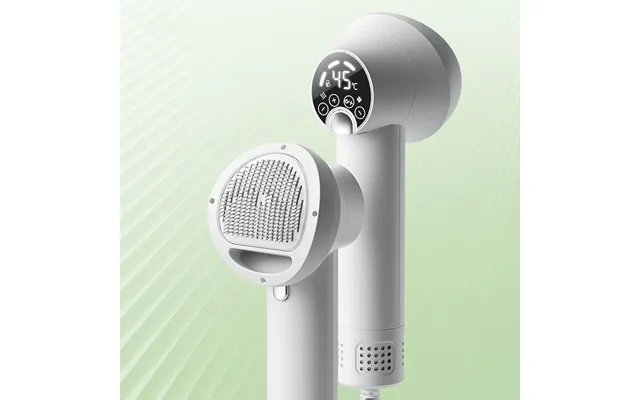
Handheld pet dryers are lighter and more compact, often with pet-safe lower heat and diffuser-style nozzles. They’re best for small breeds, short coats, or quick touch-ups. Human hair dryers can run hotter and aren’t designed for pet-safe airflow patterns. While some owners do use them, pet-specific handhelds are safer for sensitive ears, whiskers, and skin. If you prefer handheld convenience, choose a model with precise heat controls in Fahrenheit and a cool-shot option.
Cage dryers move air gently around a contained pet, which is useful in professional setups for calm animals. For at-home use, they’re less common because they require constant supervision and careful control of temperature and airflow. If your pet is anxious, young, elderly, or has breathing issues, steer clear. Direct, supervised drying with a handheld, stand, or high-velocity unit is usually safer and faster.
Power determines how fast you dry. For thick, double coats, prioritize higher horsepower and strong CFM numbers. If you groom multiple pets or large breeds, that extra punch saves time and effort. For short coats or small pets, a modest motor is often enough and can be quieter and lighter in the hand. Balance power with your pet’s tolerance for airflow—strong doesn’t have to mean overwhelming.
Heat helps, but control is everything. Look for multiple heat levels or, better yet, no-heat settings so you can use ambient or cool air. Safe coat drying usually sits well under 140°F; for most pets, a range closer to warm room air is ideal. Use heat sparingly on sensitive areas like ears, belly, and face. A dryer with a true cool setting gives you the flexibility to finish safely without hot spots.
No one wants bath time to sound like a runway. Quieter designs reduce stress for both you and your pet. Rubber-mounted motors, insulated housings, and flexible hoses can lower vibration and perceived noise. If your pet is skittish, start slow at a low airflow setting, introduce the dryer from a distance, and reward calm behavior. Over a few sessions, many pets learn the dryer means treats and cuddles, not chaos.
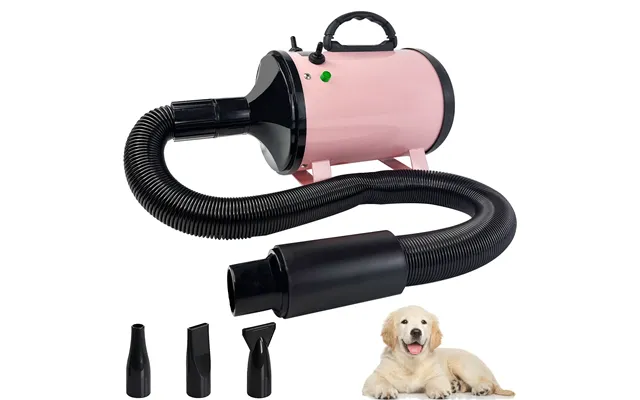
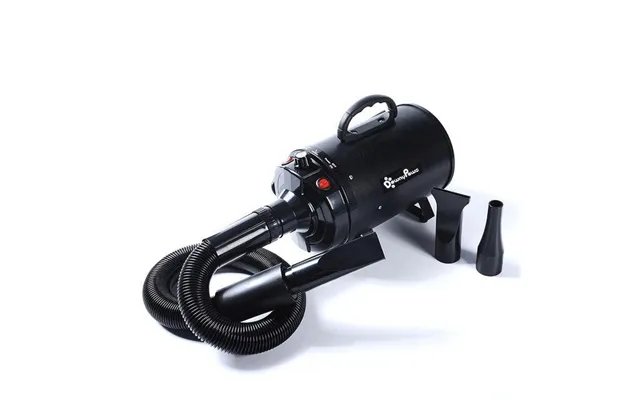
A long, flexible hose—think 6–10 feet—gives you room to maneuver a wriggly pup without tangles. Swappable nozzles matter: a cone nozzle focuses force for blasting undercoat, while a wider tip or diffuser spreads air to protect delicate areas. A thick, durable power cord around 8–12 feet can keep you from hunting for an outlet or stretching across the room. And a quick-change nozzle system saves time when you switch techniques mid-groom.
Look for a balanced handheld unit under about 3–4 pounds if you’re doing extended sessions. If you have wrist or shoulder concerns, a stand dryer or a high-velocity unit with a hose-mounted handle can be easier on the body. Small touches—like a rubberized grip or a shoulder strap for the main unit—make a surprising difference when you’re drying a large dog from nose to tail.
Shopping smart pays off. The UK market regularly features popular offers across pet hair dryers—from entry-level handheld models that can dip below £40 during promos to robust high-velocity units commonly seen around £120–£300, with pro-grade systems stretching higher. A price list helps you benchmark value quickly: note what’s included (extra nozzles, hose length, a wall mount), warranty terms, and whether replacement filters are affordable. Seasonal sales and bundle deals with brushes or grooming tables can push the value even further.
Comparing prices and specs side-by-side on a dedicated comparison site helps you avoid impulse buys. You can weigh horsepower against airflow claims, check heat settings in Fahrenheit, and confirm cord and hose lengths in feet. When you spot a standout offer, check verified reviews and look for consistent feedback on reliability and support. A fair deal is more than a low price tag—it’s long-term performance and easy upkeep.
Beagles, Boxers, and many mixed-breed short coats often do well with handheld pet dryers, especially if you towel off first. Use a moderate airflow, keep the nozzle a few inches away, and move in short passes. A cool or warm setting is plenty to finish quickly without over-drying the skin.
Huskies, German Shepherds, and Retrievers benefit from high-velocity force dryers. Pair a cone nozzle with a slicker brush and you’ll watch the undercoat fly. Work from the skin outward and angle the airflow along coat growth. For big dogs, the time saved compared to a handheld can be dramatic—think minutes instead of what feels like forever.
Poodles, Doodles, and Bichons look best when you stretch and straighten the coat as you dry. A stand dryer shines here, freeing both hands for brushing. Use a warm (not hot) setting and maintain steady airflow while gently brushing in small sections. The result? Fluff, shape, and a plush finish that’s easy to scissor or clip.
For felines and anxious pups, quiet and controlled wins. A lower airflow, cool to warm temperatures, and a diffuser nozzle calm the process. Start with a few short sessions and generous treats. Keep the dryer about 6–12 inches away, and focus on quick, confident passes rather than hovering in one spot.
Nozzle choice changes everything. A narrow cone intensifies air for de-shedding and blasting water; a flat or duckbill spreads air to tame fluff without whipping the coat; a diffuser reduces intensity for faces and sensitive spots. If your dryer includes multiple tips, experiment—what works on the haunches might be too much for ears or feet.
A stable grooming table around 30–36 inches high reduces strain on your back and keeps your pet safely positioned. An adjustable grooming arm with a safety loop helps you work hands-free. Non-slip surfaces and rubber feet keep the setup steady, especially on hardwood floors.
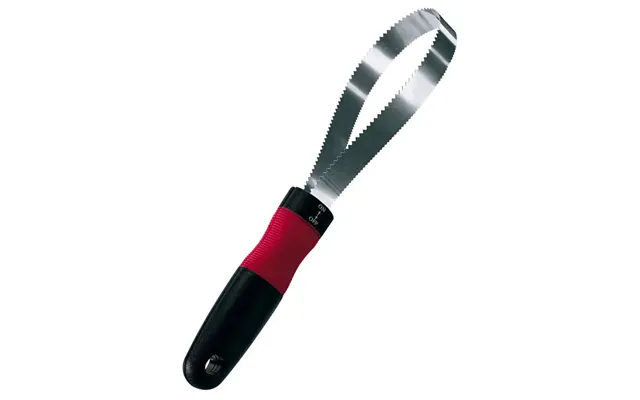
A slicker brush for fluffing, a pin brush for longer coats, and a de-shedding rake for undercoat make an unbeatable trio. Brush lightly while drying to prevent tangles and encourage airflow down to the skin. For mats, detangle before bathing; water tightens knots and makes them tougher to remove later.
For sound-sensitive pets, soft ear wraps can take the edge off the noise. Nonslip bath mats, absorbent microfibre towels, and a lightweight apron keep the setup safe and tidy. Having everything within arm’s reach stops you from stepping away and losing your pet’s focus.
After rinsing thoroughly, squeeze excess water from the coat and blot with a towel. Don’t rub aggressively; that roughs up hair and creates frizz. Give paws and belly extra attention—they drip the most and can track water everywhere.
Work in zones: legs, chest, back, then tail. Use clips on long coats to keep things organized. For curly coats, keep slight tension with your brush as you dry—think of it like ironing a shirt, gentle and even, not yanking.
Hold the nozzle at a shallow angle along the coat’s lay, about 6–12 inches away. Move continuously. On sensitive spots (ears, face, belly), widen the airflow with a diffuser and lower the heat. The goal is quick passes and steady progress, not hovering in any one place.
When the coat feels dry to the touch, keep going a few more minutes on low airflow to ensure the undercoat isn’t damp. Then do a quick skin check for redness, hot spots, or irritation. A little finishing brush-out leaves a glossy, even look you’ll be proud of.
Clogged filters choke airflow and strain the motor. Check the filter before each session, tap out hair and dust, and wash or replace it as recommended. A clean filter restores power and keeps drying times fast.
Inspect hoses for splits and kinks, especially near the cuffs. A minor crack can leak airflow and reduce performance. Make sure nozzle fittings are snug and free of hair buildup. A dab of silicone-safe lubricant can help with sticky connections.
Coil the hose loosely, hang it if possible, and avoid tight bends that could weaken it. Wipe down the housing and cords, and store the unit off the floor to prevent dust intake. A simple wall hook or shelf keeps everything tidy and ready to go.
If you notice unusual smells, rattling, or sudden drops in airflow, stop and check the basics: filter, hose, and nozzles. If issues persist, consult the manufacturer’s guidance. Reliable brands often offer parts like replacement hoses or brushes so you can extend the life of your dryer without replacing the whole unit.
Think “warm breeze,” not “hot blast.” Keep the nozzle moving, maintain a safe distance of several inches, and avoid high heat on delicate areas. Never leave a running dryer unattended. For crate drying, supervision is non-negotiable. If your pet pants heavily or shows signs of stress, pause, offer water, and switch to cool air until they settle. Safety isn’t a feature—it’s a habit.
Hunting for value? A dedicated comparison site lets you weigh popular offers against features so you don’t overpay for hype. You can scan a pet hair dryers price list, sort by budget, and zero in on units with the right horsepower, CFM claims, Fahrenheit heat controls, and hose lengths in feet. Because it’s not a store, a comparison platform surfaces multiple retailers, helping you spot real savings and steer clear of inflated “sale” tags.
Before you click through, double-check what’s in the box—extra nozzles, a longer cord, or a wall mount can add real-world value you’d otherwise buy separately. Finally, look at warranty coverage and the availability of spare filters, nozzles, and hoses. A great deal delivers both a low price and long-term support.
Dry faster, use less power—that’s the basic equation. Strong airflow at moderate heat typically dries efficiently without wasting energy. Keeping filters clean and hoses airtight maintains performance so you don’t have to run the dryer longer than necessary. If you groom often, consider units with variable airflow so you can dial down for quick touch-ups and ramp up only when needed.
Skipping the towel stage is the fastest way to double your drying time. Another culprit? Holding the nozzle too close, which can overheat skin and annoy your pet. Don’t ignore maintenance—hair-clogged filters slash airflow. And avoid blasting air directly into ears or eyes; use a diffuser and indirect angles for delicate zones. Finally, don’t rush the intro. A calm, treat-filled first few sessions build a lifelong positive association with the dryer.
The right pet hair dryer transforms grooming from a soggy scramble into a smooth, speedy routine. Whether you’re blasting out a Husky’s undercoat with a high-velocity powerhouse or perfecting a Poodle’s plush finish under a stand dryer, you have options that suit your pet, your space, and your budget. Compare popular offers, check the pet hair dryers price list, and focus on fundamentals—airflow, heat control in Fahrenheit, hose and cord length in feet, and noise levels your pet can tolerate. With smart shopping and a steady hand, you’ll get a cleaner home, a happier pet, and professional-looking results without leaving your kitchen.