

Pet Sunscreen price list
Last updated Sunday, 18 Oct 2026




View 17 Offers
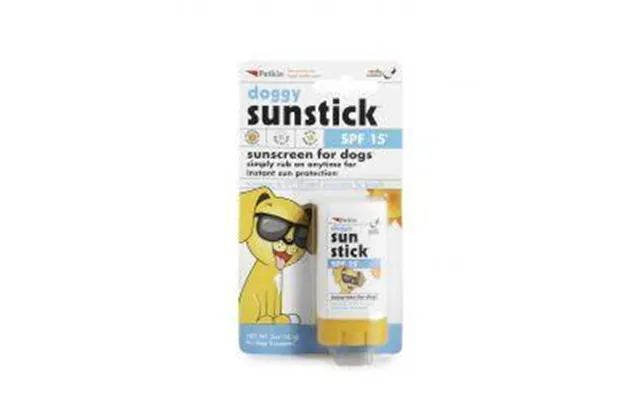
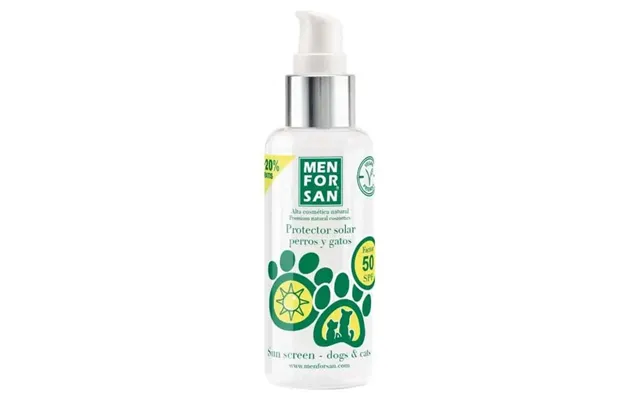

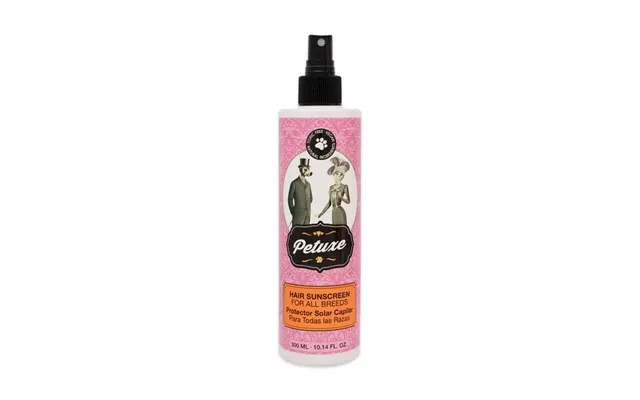
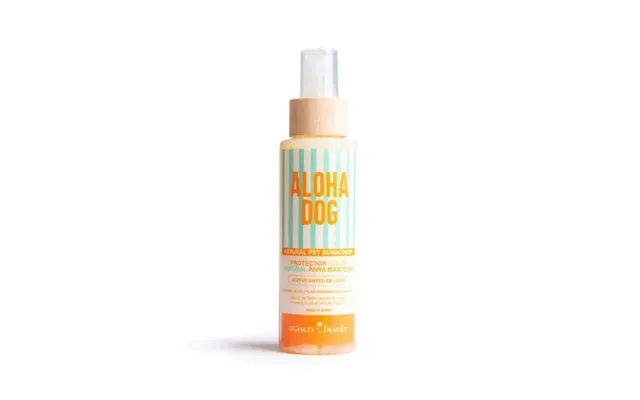
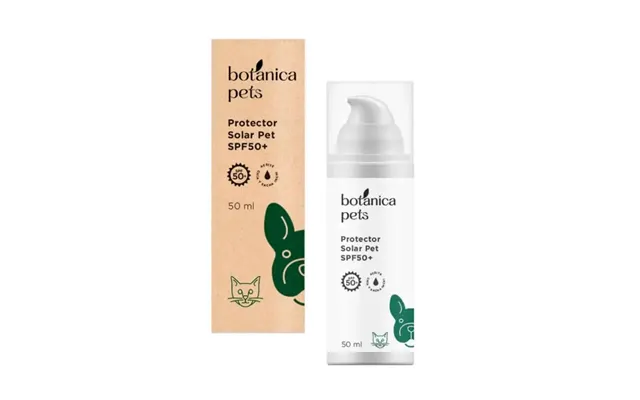
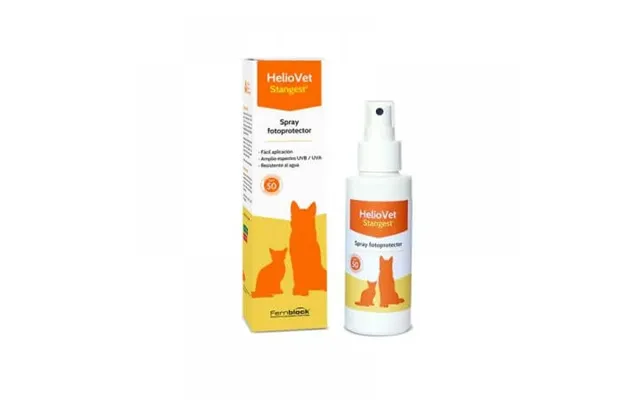
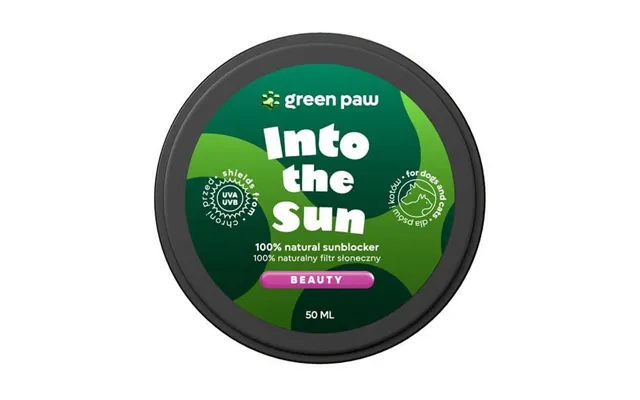
Loading...
Last updated Sunday, 18 Oct 2026
Sunburn isn’t just a human problem. Dogs and cats can burn, too—especially on delicate spots like the nose, ear tips, belly, and groin. If your pet loves basking by a window or sprinting across the beach, UV exposure can add up fast. The right pet sunscreen reduces the risk of painful burns, skin damage, and even certain skin cancers. The bonus? Many formulas are designed to be gentle on sensitive skin and quick to apply, so sun safety doesn’t feel like a chore.
Short-haired, light-colored, and hairless breeds are most at risk. Think white or cream coats, pink noses, or thin fur on the belly. Puppies, seniors, and pets with shaved spots after surgery are vulnerable, too. Even dark-coated pets can get burned on exposed skin—especially on the tummy when they stretch out on their backs. If your pet loves outdoor naps or midday walks, sunscreen is essential.
We tend to think indoor cats are safe, but UVA rays can slip through regular glass. A cat sunbathing in a window can get mild burns on ears and nose over time. A small amount of cat-safe sunscreen on those hot spots provides a protective buffer, especially during long sunny afternoons.
Not all sunscreens are created equal, and pets lick everything. That’s why pet-specific products matter. Look for broad-spectrum protection, gentle ingredients, and formulas built for sensitive skin. You want something effective against UVA and UVB that won’t sting, stain, or cause tummy trouble if a curious tongue gets involved.
Broad-spectrum means the sunscreen helps block both UVA (aging and deeper skin damage) and UVB (burning) rays. For most dogs, SPF 30 is a practical sweet spot that balances strong protection with easy application. Some cat-safe products opt for lower SPF because of ingredient constraints—SPF 15+ is common. When in doubt, ask your vet what’s appropriate for your pet’s skin and lifestyle.
Two big red flags: zinc oxide and PABA (para-aminobenzoic acid). Zinc oxide is common in human sunscreen but can be harmful if swallowed by pets—dogs included. Cats are even more sensitive to certain ingredients, so strictly avoid products not labeled for feline use. Also be cautious with salicylates for cats. Bottom line: choose sunscreen designed for pets, fragrance-free when possible, and always check the label.
Pet sunscreens come as sprays, lotions, sticks, balms, and wipes. Sticks and balms are great for noses and ear tips because they stay put and are easy to target. Sprays cover larger areas quickly, while lotions and gels can be massaged onto bellies and inner thighs. Non-greasy, quick-dry finishes are ideal if your pet tends to roll in grass moments after you apply anything.
You’ll find plenty of pet-safe formulations built for different activities and body areas. While specific brand names vary, these categories cover the essentials. Mix and match based on your pet’s routine—beach walker, garden lounger, or adventure hiker.
Ridges, creases, and constant sniffing mean the nose needs targeted care. An SPF balm or stick can cling to the nose leather and muzzle without dripping. Look for water-resistant options if your dog drinks enthusiastically or loves a splash. A small tin or stick (often 0.5 oz to 2 oz) lasts surprisingly long because you only need a thin layer.
Thin-furred ear tips and hairless bellies burn fast. A gentle lotion lets you coat those areas evenly without leaving a shiny residue. Choose fragrance-free when possible, since perfumed products can irritate sensitive skin. If your pup sprawls happily on the patio, this is a must-have.
Beach days, paddleboarding, dock diving—some dogs are born for the water. A water-resistant spray designed for pets helps the protection last through dips and splashes. It should still be reapplied, but you won’t see the immediate wash-off you’d get from a basic lotion. Look for 2-in-1 sprays that dry fast so sand won’t stick.
Cats can be picky about textures. A light, quick-absorbing gel or pre-loaded wipe can make application less dramatic. Use these sparingly on ears and nose, then distract with a toy or treat while it dries. Always verify that it’s feline-safe—what works for dogs may not be appropriate for cats.
Good news: once you’ve done it a few times, sunscreen becomes part of your normal routine—like clipping on a leash. The key is to cover the right spots, apply the right amount, and reapply consistently.
Focus on exposed skin: nose, ear tips, forehead blaze, around the lips, belly, inner thighs, groin, and any shaved patches. For light-coated dogs, part the fur along the back or shoulders and dab sunscreen on visible skin. Avoid the eyes and inside the ears. For cats, keep it minimal and targeted; a small dab goes a long way.
Think thin, even layers. For a medium-size dog, a nickel-sized amount can cover the nose, ear tips, and a bit of forehead; add more for belly and groin. Sprays should lightly mist the area—then use your fingers to rub it in so it reaches the skin beneath the fur. Balms only need a swipe or two on the nose leather to create a protective film.
Apply at least 15 minutes before sun exposure, then reapply every 2 hours during prolonged outdoor time. If your pet swims, reapply after towel-drying. For a quick lunchtime walk, a single morning application to hot spots may suffice—but for longer adventures, set a phone reminder and top up.
Great protection doesn’t have to cost a fortune. With pet sunscreen, you’re often paying for safe, pet-specific ingredients and water resistance. Compare options by cost per ounce, ingredient safety, and staying power rather than just the sticker price.
Most quality pet sunscreens fall into a familiar range. Balms and sticks often start around smaller sizes—0.5 oz to 1 oz—at approachable prices, while larger lotions and sprays—2 oz to 8 oz—scale up accordingly. A higher price per ounce can be worth it for water resistance, better textures, or sensitive-skin formulas. Calculate cost per ounce to compare apples to apples.
Warm-weather promotions can be a goldmine. Look for multi-packs of travel-sized sticks or a combo of balm plus spray. If your dog swims often, a two-pack of water-resistant formulas can save you repeat shipping and time.
Two products with the same SPF can perform differently. Read ingredient lists, check whether they’re fragrance-free, and look for terms like “broad-spectrum,” “water-resistant,” and “pet-safe.” If you have both a dog and a cat, confirm feline safety before sharing a product across species.
Sunscreen is step one; smart gear is step two. Think of it as a protection toolkit: clothing blocks rays, sunglasses protect eyes, and shade breaks give skin time to cool down. Mix and match to fit your pet’s personality and your daily routine.
Lightweight UV-blocking shirts can shield a big portion of a dog’s back and sides. They’re especially helpful for short-coated or hairless breeds. Dog hats with ear flaps look adorable and shade sensitive tips, but make sure they fit comfortably and don’t obstruct vision.
Goggles protect eyes from UV glare and wind, especially on boats, hikes above tree line, or convertible rides. Many dogs adapt quickly if you start with short practice sessions and pair them with treats. Bonus: they keep sand and debris out of the eyes on windy beaches.
A pop-up shade tent makes a huge difference during long beach days or picnics. Give your pet a cool retreat with water and a comfy mat. If you can press the back of your hand to the sand or pavement for 7 seconds without discomfort, it’s a better spot for paws; if not, move to shade and cool surfaces.
Even in milder climates, UV exposure can be sneaky. Sunny spring afternoons and bright but breezy days can lull you into skipping sunscreen. Plan for sun year-round—just adjust your routine to the season.
Midday sun hits hard. Aim for early morning or late afternoon play, apply sunscreen to all hot spots, and reapply every 2 hours. Sand and seawater reflect rays upward, so protect bellies and inner thighs. Pack water, shade, and a towel so you can dry and reapply after swimming.
UV exposure increases with elevation, and cool air can mask how strong the sun is. If you’re heading into the hills, step up your reapplication schedule. Consider a water-resistant formula if streams or lakes are part of the plan, and protect the nose, ears, and belly rigorously.
Cloud cover can block some UVB, but plenty of UVA still gets through. If your dog is outside for more than a short walk, dab on sunscreen. Your pet’s skin doesn’t know it’s overcast—only that UV is present.
Got a pet who reacts to everything? Opt for fragrance-free, dye-free, and minimal-ingredient formulas. Look for products labeled for sensitive skin and always patch test on a small area first. If redness or itching appears, stop and contact your vet for alternatives.
After sun time, calming balms with pet-safe botanicals like oatmeal or chamomile can help soothe skin. Keep products simple and avoid heavy perfumes or tingling additives. If you notice persistent redness, scabs, or unusual spots, schedule a skin check—early intervention is best.
Before using a new sunscreen, apply a tiny amount to a discreet spot—like the inside of a thigh—and watch for 24 hours. No redness or scratching? You’re likely good to go. This small step can save you and your pet from a bigger flare-up later.
Heading to the coast or countryside? Pack sunscreen alongside water, a collapsible bowl, and a lightweight towel. Car windows can let UVA in, so a quick nose-and-ears touch-up before the ride isn’t overkill. Keep a travel-size stick in your walking bag for easy touch-ups on the trail.
Attach sun care to habits you already have—like clipping on the harness or grabbing the treat pouch. When it’s baked into your normal walk prep, you’re far less likely to forget. A 2 oz travel tube in the glove box is an easy win for spontaneous park stops.
A few simple missteps can reduce protection. Avoid these pitfalls and your pet’s skin will thank you.
It’s tempting in a pinch, but human sunscreen often contains zinc oxide or other ingredients that aren’t safe if licked. Keep a pet-safe product handy instead. If you ever have to improvise, ask your vet first and keep the application extremely minimal until you can switch.
These areas face reflective sunlight from sand, water, and pavement. They also tend to have thinner fur. Even a light coat of sunscreen here can prevent a painful burn. Reapply if your dog splashes around or lies belly-up on warm surfaces.
Long hair helps, but it’s not a shield. Part the fur to check for pink skin beneath, especially on the tummy and inner thighs. Protect any exposed skin you find. And for breeds with sparse nose pigment, a nose balm is non-negotiable.
The front of the bottle is marketing. The back is what matters. Scan for pet-specific labeling, broad-spectrum coverage, and absence of risky ingredients like zinc oxide and PABA. Confirm feline safety if you’ll use it on a cat.
For many dogs, SPF 30 is a practical target that offers robust protection. Lower SPF can be better than nothing, but if your dog spends real time outdoors, aim higher. Cats often require formulas tailored to their specific sensitivities, where SPF 15+ may be the most realistic option; check with your vet for a recommendation that fits your cat’s routine.
If your dog swims, drinks messily, or drools (who doesn’t?), water resistance helps protection stick around. Quick-dry finishes mean less sand and dirt cling, making reapplication simpler. If your pet hates “wet” sensations, a fast-drying lotion or stick is a better bet than a slow-absorbing cream.
Plan your day, protect the hot spots, and reapply. That’s the formula. Start with a pet-safe sunscreen on the nose, ears, and belly 15 minutes before heading out. Pack a travel-size for touch-ups every 2 hours or after swimming. Add a UV shirt or hat for extra coverage, and give your pet a shaded break with water during peak sun. It’s quick, it’s easy, and it keeps the fun going without the burn.
Pet sunscreen isn’t a luxury—it’s basic care for outdoor (and sunny-window) pets. By choosing a pet-specific, broad-spectrum formula and applying it to the right spots, you’re protecting your companion from burns and long-term skin damage. Whether you need a nose balm, a water-resistant spray for beach days, or a gentle cat-safe gel, there are solid options at every budget. Pair sunscreen with smart gear like UV clothing, goggles, and portable shade, and you’ve got a complete defense against the sun. A few minutes of prep buys your pet hours of safe, happy play—no sunburn souvenirs required.