

Pet Training Pad Holders price list
Last updated Monday, 19 Oct 2026




View 7 Offers
Loading...
Last updated Monday, 19 Oct 2026
A pet training pad holder is a simple frame or tray that locks a pee pad in place so your puppy or small dog can do their business without shredding the pad, sliding it around, or leaking onto your floors. Sounds basic, right? But that small piece of kit can be the difference between a stress-free routine and daily cleanups you didn’t plan for. If you’ve ever watched a pup treat a pad like a chew toy or seen puddles creep over the edge onto your wood floors, you know exactly why serious pet owners in the UK swear by pad holders. They anchor the pad, contain splashes, and turn a flimsy sheet into a secure potty station your pet can actually use consistently.
Think of a training pad holder as the stabiliser wheels of house training. It reduces accidents, makes cleanup a breeze, and helps you place the pad exactly where you want your dog to go—every single time. Consistency speeds up learning, and a pad holder builds that consistency into your home. It locks in the position, helps control odour with raised edges or grates, and prevents curious chewers from “redecorating” your pad in confetti style.
There’s also a budget bonus. By preventing pad bunching, leakage, and tears, a holder stretches the lifespan of each disposable or reusable pad. That means fewer replacements, fewer wasted pads, and fewer emergency mop-ups. If you’re training on a tight schedule, dealing with bad weather, living in a flat, or raising a small breed with a tiny bladder, a pad holder is one of those small investments that pays for itself quickly.
Not all pad holders are created equal. The best choice depends on your dog’s size, personality, and your home’s layout. Below are the most popular designs and what they’re best at. As you read, picture your exact space and your dog’s habits. Is your pup a digger? A marker? A shredder? There’s a design for every quirk.
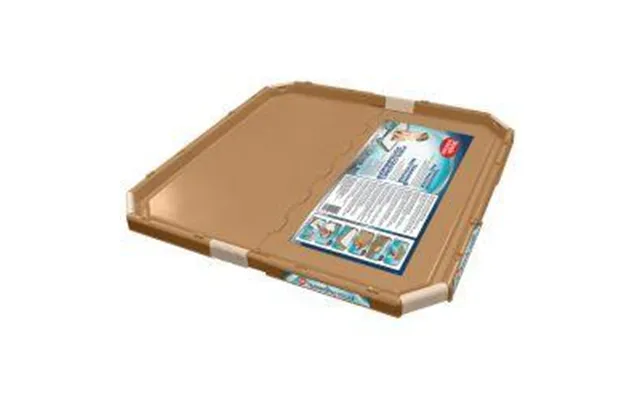
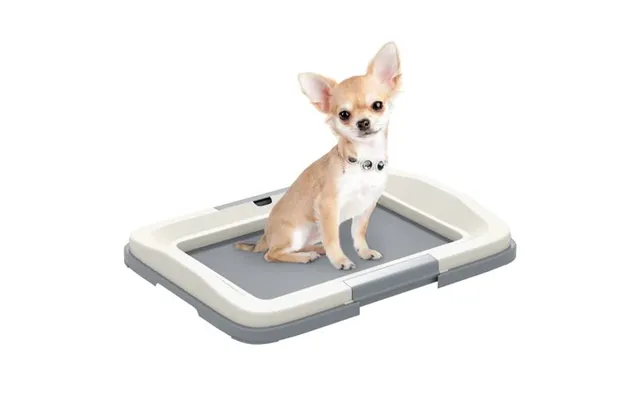
Snap-frame holders feature a base with a hinged or removable frame that clamps down on the pad’s edges. The tension keeps the pad flat and tight, so no wrinkles and no sliding. Most are lightweight plastic, easy to rinse, and simple to set up. They’re perfect for puppies that like to tug because the locked edges make it harder to chew or drag the pad. If you want a straightforward, budget-friendly solution, a snap-frame design is often the best first choice.
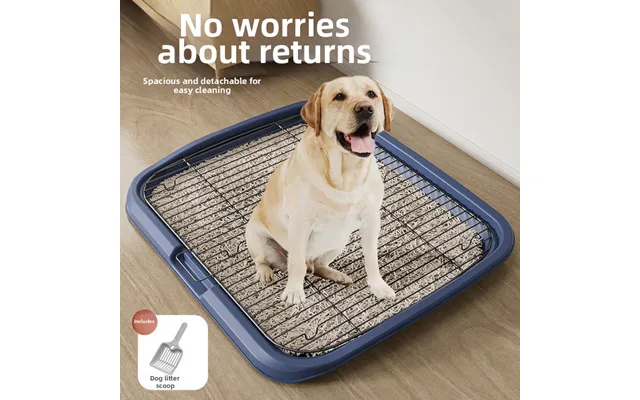
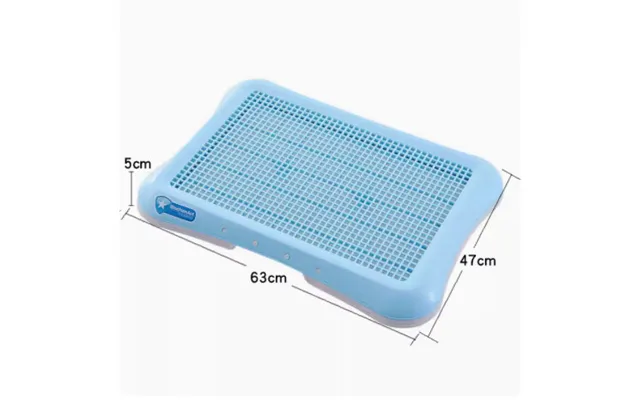
Grate-and-tray holders add a perforated top layer that sits above the pad. Your dog steps on the grate, urine passes through to the pad below, and their paws stay drier. The grate also deters scratching and digging because there’s no exposed paper to shred. For energetic pups or households with slick floors, this is a strong pick. It’s also great for reducing those muddy paw prints you sometimes get after a rainy walk.
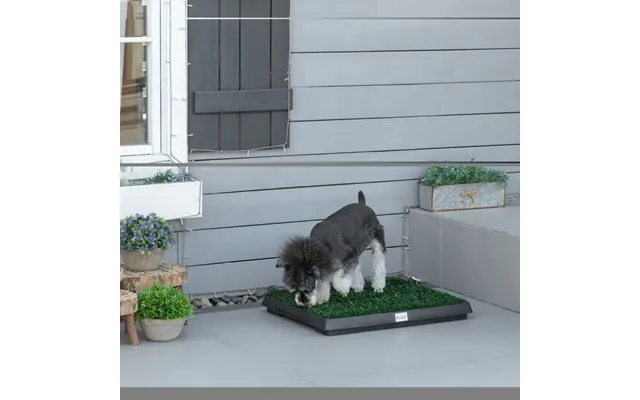
Grass-style holders use synthetic turf over a tray or pad. They simulate outdoor textures, which can be helpful if you plan to transition your puppy to the lawn later. The turf lifts off for washing, and many systems let you place a disposable pad inside the tray to absorb liquids. If you’ve got a balcony or you want an “outdoor feel” indoors, turf trays can bridge the gap nicely.
Some dogs, especially males, prefer to potty facing a corner or they tend to mark upward. L-shaped holders add a vertical shield to catch splashes, saving your skirting boards and walls. These are smart in tight spaces like bathrooms or utility rooms where a corner setup feels natural to the dog and reduces mess for you.
On the go? Foldable, lightweight holders let you maintain your pup’s routine during visits, hotel stays, or road trips. They open flat, clamp a pad, and give your dog a familiar spot wherever you land. If you travel frequently or you’re crate training at night, a portable holder is worth considering. Think of it as your dog’s “portable loo” that keeps training consistent even when you’re miles from home.
Size matters more than most people expect. Too small and you’ll get edge leaks or “half-on, half-off” accidents. Too big and your puppy might nap on one corner and potty on the other—confusing the entire purpose. Measure the pad size you prefer and match the holder accordingly. Common pad sizes include about 17 x 24 in for small dogs and roughly 24 x 35 in for larger needs. When in doubt, size up just a bit for growing puppies, but not so much that the area becomes a lounging mat.
Pups under about 10 lb typically do well with holders that fit pads around 17 x 24 in. You want enough room for circling—dogs often spin before they go—but not a “playpen.” If your toy breed is a pad shredder, lean towards a grate-and-tray or a snap-frame with strong corner locks.
Larger dogs may need pads around 24 x 35 in or even two holders side by side if you’re early in training. If your dog has long legs, consider a splash-guard design or place the holder in a low-traffic corner to prevent overshooting. Consistency is key: same spot, same angle, same routine.
If your boy dog likes to lift a leg, an L-shaped design with a vertical shield can be a game-changer. Position the holder snugly into a corner and align it so your dog naturally faces the shield. You’ll catch stray splashes and protect nearby surfaces without constant wipe-downs.
Durability depends on both material and design. Look at hinge strength, frame locks, surface texture, and weight. Lighter holders are easy to move and clean; heavier ones feel rock solid and are harder for a rambunctious pup to nudge.
Most holders are rigid plastic because it’s light, affordable, and easy to rinse. Good models use thicker plastic, grippy feet, and reinforced hinges that don’t wobble after repeated opens and closes. Look for rounded edges so you won’t scratch floors or snag socks as you move them.
Metal-framed holders or hybrids with metal locking bars feel premium and secure. They’re great for repeated daily use and determined chewers who test the limits. If you’ve had a plastic holder fail under pressure, a metal reinforced option can fix the problem overnight.
Rubberised bases or silicone edging boosts grip on tile, laminate, and vinyl. If your floors are slippery or slightly uneven, a silicone-lipped holder can prevent the annoying “skateboard effect” where pads slide just as your dog steps on them. It’s a small detail with a big payoff.
The right features turn daily tidy-ups into a 30-second job. Focus on grip, edge design, and how quickly you can swap pads.
Non-slip feet keep everything planted, especially when a pup hops on with speed. Some holders add weighted corners for extra stability. If your dog barrels in like a tiny tornado, prioritise grip and weight over fancy extras.
Raised edges funnel liquid inward toward the pad, protecting surrounding floors. L-shaped shields or corner guards add extra insurance for vertical splashes. The difference between a clean floor and a damp one often comes down to edge design.
When you’re juggling a leash, a treat pouch, and a wriggly pup, fast pad swaps matter. Quick-release locks and hinged frames let you change a pad with one hand. If you’re buying online, zoom in on photos of the locking mechanism; look for robust latches and easy-open tabs.
If you can keep it simple, you’ll keep it consistent—and your dog will learn faster. Start by placing the holder in a quiet, easy-to-reach corner. Guide your pup to the holder after waking, eating, playing, and before bedtime. Praise like crazy when they get it right. Accidents elsewhere? No scolding—just calmly redirect next time and clean thoroughly so the “wrong spot” doesn’t smell like a toilet.
Day one, introduce the pad holder and let your puppy sniff and walk across it. Use a leash if needed to guide. Take them to the holder on a consistent schedule: after naps, every 30–60 minutes during play, and right after meals. Reward immediately when they go on the pad. Over a week or two, your dog will start seeking the holder on their own—because that’s where all the wins happen.
Adult dogs can learn indoors too, especially in high-rise flats or during recovery from surgery. Begin with a larger holder for comfort and place it near the door to mimic outdoor exits. Over time, inch it closer to the door if your goal is to transition outside. Remember, clarity beats speed. Make the rules obvious, and progress will follow.
At night or during work hours, set a realistic schedule. If you crate train, give a quick pad-holder break before bed and immediately in the morning. If your dog has access to a safe room, place the holder in a corner and block off distractions with a playpen. Fewer choices equals fewer accidents.
Cleanliness is the secret sauce of potty training. Dogs are more likely to use a space that smells clean, not like a “used” patch from hours ago. The good news? A solid holder plus a basic cleaning routine keeps your home smelling like home.
For puppies, swap disposable pads promptly after each use when possible. At minimum, change them morning and night. For reusable pads, wash daily or every other day depending on traffic. If you’re away, stack two pads in the holder and remove the top one when you return for a quick refresh.
If an accident happens off the pad, use an enzymatic cleaner to break down urine proteins. Regular cleaners can leave behind trace scents your dog can still smell. Enzymatic sprays help reset the room so the only toilet cue remains the pad holder itself.
Seal used pads in a lidded bin or a scented disposal bag to lock in odours. If you’re using a turf tray, rinse the turf under warm water, scrub with pet-safe soap weekly, and let it air dry fully before reusing. Dry turf equals less odour—simple as that.
City living and British weather don’t always sync with puppy bladders. A well-placed pad holder turns a tight flat or a balcony corner into a tidy, reliable loo. If you’re travelling, foldable holders save your sanity by keeping the routine consistent.
Choose a holder with strong anti-slip feet for indoor tile or vinyl. On balconies, ensure the area is covered and secure. Turf trays feel “outdoorsy” and can help bridge the indoor-to-outdoor gap in a flat without a garden. Always keep the holder away from food bowls and sleeping areas to reinforce the difference between potty and play.
For road trips or hotel stays, a compact snap-frame holder and mid-size pads are your best bet. Set the holder in a bathroom or near an exterior door, keep treats handy, and maintain the same cues you use at home. Routine beats location every time.
Price ranges can be wide, but it’s less about paying top pound and more about matching features to your dog’s behaviour. Budget holders handle light use well. Premium designs shine when you need extra stability, splash control, or fast swaps under a busy schedule.
Entry-level snap-frame holders are light, easy to clean, and inexpensive. They’re a great starting point for tiny pups or short-term training. If your dog is gentle and you don’t need fancy features, you won’t feel short-changed.
Need muscle? Look for metal reinforcement, grate tops, and splash guards. Premium holders often include better non-slip feet and tighter locks. If you’re training multiple dogs, have a high-traffic routine, or your pup is part Tasmanian devil, premium payoffs are real.
Pad holders are the star of the indoor potty show, but the supporting cast matters. A few smart add-ons can make training faster, cleaner, and less stressful for everyone in the house.
Stock both if you can. Disposable pads are convenient for quick changes, while reusable pads save money over time and reduce waste. Many owners place a reusable pad on the bottom with a disposable on top for fast swaps and extra absorption.
Even if your dog uses a pad holder now, you may want to transition outside later. Potty bells on the door or a simple “touch target” cue teaches your dog how to “ask” to go. Down the road, that same cue can lead them to the garden instead of the pad.
Managing space is half the battle. Use a playpen to create a calm corner with the pad holder, water bowl, and a chew toy. Limit options at first to set your dog up for success.
Training is communication. A clicker marks the exact moment your dog makes the right choice, and a treat pouch keeps rewards ready. Yes, you can potty train without them—but you’ll likely train faster with them.
Pet-safe deterrent sprays can help discourage repeat accidents in the wrong spots. Pair them with enzymatic cleaners and consistent redirection to the pad holder for best results.
House training isn’t hard; it’s just easy to overcomplicate. Keep an eye out for these common slips so you can stay on the fast track.
A pad that’s too small invites misses; one that’s too big invites lounging. Match the holder to your dog’s size and typical “stance” when they go. If your pup is still growing, pick a size that fits now but can handle a growth spurt.
Dogs thrive on patterns. Pick a spot and commit. Once your dog is reliably using the holder, you can relocate it slowly—just a foot or two at a time—until it’s in your ideal location or near the door for outdoor transitions.
It’s tempting, but it backfires. Scolding teaches dogs to hide accidents, not to avoid them. Clean thoroughly, reset, and catch the next opportunity to reward success on the holder.
Some multi-pet homes use pad holders for senior cats that struggle with high-sided litter boxes, or as a backup for travel. That said, most cats prefer litter’s texture and depth, so think of a pad holder as a special-case solution, not a replacement. For small pets like rabbits or ferrets, consult species-specific guidance before repurposing pad systems.
For elderly dogs or pets recovering from surgery, a steady, non-slip holder with a grate can provide safe footing and reduce cleanup stress. Keep it in a low-traffic, well-lit spot so they can find it easily at night.
Training doesn’t have to be wasteful. Reusable pads, washable turf, and thoughtful routines cut down on bin runs and costs. If you’re environmentally minded, you can train smart and tread lighter.
Rotate two to three reusable pads so one can dry fully after washing. Use a snap-frame or grate holder to keep them flat and effective. For heavy use days, layer a disposable on top and peel it away for instant refresh without a full change.
Placing the holder in the right spot leads to faster habits and fewer “just in case” pad swaps. A few days of focused setup can save weeks of extra laundry and waste.
The UK market offers a wide spread of pad holders, from basic frames to deluxe grate-and-guard systems. Prices and features vary, so it pays to compare before you buy. A price comparison site like ZoneOffer helps you line up options side by side, filter by size or design, and spot genuine value instead of just flashy labels. Because it’s a comparison platform—not a store—you can scan multiple retailers in one go and choose the deal that fits your dog and your budget.
Before you check out, double-check measurements in inches, look for clear close-ups of locks and feet, and read how reviewers describe stability and cleanup. If your dog is a champ at testing gear to the limit, prioritise tight locks, non-slip bases, and sturdy edges. If you’re all about quick changes and minimal fuss, look for one-hand frame releases and grate systems that pop off for rinsing.
Training pad holders aren’t just “nice to have.” They create a stable target your dog can hit, protect your floors, and make cleanup quick enough that you actually stick with the routine. Choose the right size, match the design to your dog’s quirks, and set it up in a consistent spot. Add in a dash of patience, a pocket of treats, and a splash of smart cleaning—and you’ll be well on your way to a tidy home and a confident, well-trained pup. Whether you go basic snap-frame or full-on grate-and-guard, the best holder is the one that makes training easier for you today and sets your dog up for success tomorrow.