






















All categories
Business & Offices
Electronics & Media
Fashion & Accessories
Groceries & Essentials
Health & Personal Care
Home & Living
Kids & Family
Sports & Outdoors
Search in ZoneOffer
Loading...
Love a good treasure hunt? UK postage stamps turn that thrill into a hobby you can hold in your hand. From the iconic Penny Black to modern limited editions, British philately blends history, design, and scarcity. Whether you’re chasing rare varieties or curated deals, there’s real joy—and value—in choosing wisely.
If you’re staring at a sea of listings and don’t know where to start, focus on categories that consistently attract demand. Classic British issues, commemoratives with strong themes, error varieties, and modern prestige releases all have loyal followings. Narrow your lane, and suddenly the hobby feels manageable and fun.
Every UK collection nods to the greats: the 1840 Penny Black, the Two Penny Blue, and the long-running Machin series. Classic designs are timeless, but the magic is in the details—plates, shades, watermarks, and perforations. Those tiny differences can lift a stamp from common to coveted in a heartbeat.
Commemoratives tell stories—royal milestones, cultural icons, and historic events. Minisheets and presentation packs often see smaller print runs and pristine preservation, making them prime targets. If you love complete sets and strong visual themes, these can become the backbone of a display-ready collection.
Misprints and plate anomalies are the plot twists of philately. Inverted colors, shifted perforations, missing inscriptions—these “oops” moments can be gold. Plate numbers, phosphor bands, and gum types also matter. Learn the markers for each issue, and you’ll spot sleepers others miss.
What actually makes a stamp valuable? Think of value as a table with five legs: rarity, condition, originality, provenance, and demand. If one leg is wobbly, the table can still stand. If all five are solid, you may be looking at a standout piece that deserves a premium.
Not all rare stamps are old, and not all old stamps are rare. Limited print runs, withdrawn issues, and specialized varieties (like certain plate numbers) drive scarcity. Dig into catalog notes and specialist guides for context. A little research can turn an ordinary listing into a jackpot.
Condition is king. Crisp centering, clean margins, intact perforations, and strong color are your checkpoints. For used stamps, a light, tidy cancellation is desirable. Mint stamps with crisp gum and no thins or creases command higher prices. Think of condition as the first impression you can’t take back.
Mint never hinged (MNH) often carries a premium, but original gum (OG) and lightly hinged (LH) can be great values, especially in classics. Beware regummed stamps—it’s like repainting a vintage car and calling it original. If a price seems too good, double-check the gum and certificate status.
A respected certificate is a trust shortcut. For high-value items or known-forgery issues, third-party authentication reduces risk and supports resale. Provenance—documented ownership history—can also add confidence and cachet. When stakes rise, paperwork matters as much as perforations.
Some stamps just have star power. First issues, royal themes, and certain commemoratives tend to hold interest. Markets ebb and flow, but quality material in popular lanes stays resilient. If you can be patient, buy what you love and what collectors will still want in a decade.
Deals pop up everywhere—from big-name auctions to online marketplaces—but not all offers are equal. Cast a wide net, compare prices, verify details, and take your time. The best collectors aren’t the fastest; they’re the most consistent and the most curious.
Comparison platforms, including ZoneOffer, can save hours by surfacing popular offers across multiple sources. Use filters, set alerts, and track pricing history to spot patterns. It’s like having a personal scout scanning the horizon while you zero in on the pieces that truly fit your collection.
Auction houses bring rare stock and vetted descriptions, but hammer prices can climb. Dealers offer expertise and curated selections. Marketplaces can hide bargains among the noise. Mix all three. If you’re new, build relationships with reputable dealers and use auction previews to learn fast.
Treat every listing like a mini investigation. Before you click “buy,” check scans, compare against catalog data, and scrutinize the description for what’s said—and what’s not. If the seller shows one photo and no reverse image, ask for more. Your future self will thank you.
High-resolution images are your best friend. Look for clean edges, even margins, and true color. Zoom in on corners, perforations, and the reverse. For used stamps, study cancellations; for mint, inspect gum. A single sharp scan can reveal more than a thousand words of description.
Common shorthand: MNH (mint never hinged), MLH or LH (lightly hinged), OG (original gum), NG (no gum), CTO (cancelled to order), FDC (first day cover). If a listing seems vague, assume nothing. Ask about faults, gum condition, tone, and any repairs. Clarity beats wishful thinking.
You don’t need a lab to collect like a pro, but a few tools make a big difference. Start with tongs, a good magnifier, a perforation gauge, safe storage, and reference guides. These basics help you evaluate, protect, and enjoy your stamps without stress or guesswork.
Choose acid-free albums or stock books with archival pages. Clear strips hold stamps safely, and pages around 8.5 x 11 in fit most binders. Avoid PVC and household tapes. If you like themed layouts, use black or clear mounts to keep presentation sharp and the gum untouched.
Tongs prevent skin oils from damaging paper and gum—don’t handle stamps with bare fingers. A 2 in magnifier with good optics reveals flaws and fine detail. A perforation gauge helps distinguish nearly identical issues. These small investments pay off every time you evaluate a new arrival.
Some varieties hide in plain sight. A pocket UV lamp reveals phosphor bands and paper types, while watermark detectors help separate lookalike issues. Combine these with a trusted catalog, and you’ll level up fast—especially with Machin heads and mid-century definitives loaded with subtle variants.
Preserving value is as important as finding it. Store stamps in a cool, dry, dark place away from direct sunlight. Avoid attics and basements. Keep albums upright, never overstuffed. If you frame exhibits, use UV-protective glass and archival mounts. Your collection should age gracefully, not nervously.
Heat, damp, and light are the three villains. Aim for stable room conditions and low light exposure. Use silica gel packs in storage boxes and close curtains where albums live. If colors fade or paper curls, damage is happening. Think of your stamps like delicate watercolors—treat them gently.
Hinges are fine for used stamps and lower-value duplicates, but they mark gum. For mint or valuable pieces, use clear mounts sized just right. Never trim mounts too tight—give the stamp a little breathing room. And please, no glue sticks. Your future appraisals will be happier.
It’s tempting to buy everything that looks cool. Resist. Set a monthly budget, prioritize targets, and keep a shortlist. Collections built on intention feel cohesive and grow in value. Think like a curator: what story do you want your albums to tell in ten years?
Pick a theme—classic Great Britain, royal commemoratives, maritime mail, error varieties, Machin specialists—and build depth. Focus sharpens your eye and helps you recognize bargains. When you know your lane, even a quick browse can turn up something special that others scroll past.
Bulk lots can be treasure troves or time sinks. Great for learning and finding hidden varieties, but expect duplicates. Singles cost more per piece but get you exactly what you want. Mix both: lots for education and small wins, singles for the crown jewels you’re chasing.
Can stamps appreciate? Absolutely. Should you count on it? That’s trickier. Treat stamps as a passion asset: buy what you love, research deeply, and focus on quality. Strong material in popular areas tends to hold up, but the real return is the daily joy of the hunt.
Top-tier classics and certified rarities are usually easier to sell than niche moderns, but exceptions exist. Liquidity follows demand, condition, and authenticity. Keep notes on purchase dates, sources, and comps. When trends shift, your records help you decide whether to hold, upgrade, or trade.
For significant collections, talk to your insurer about coverage and documentation. Maintain an inventory with photos, certificates, and valuations. Store certificates separately from stamps but note pairings clearly. Good records make appraisals smoother and protect you if the unexpected ever happens.
Want a shortlist that blends history and excitement? Aim for cornerstone classics and modern varieties with dedicated followings. You don’t need every grail overnight—build steadily. Each addition should elevate the whole, whether it’s a single iconic stamp or a beautifully curated presentation pack.
The world’s first adhesive postage stamp, the 1840 Penny Black, is the hobby’s north star. The Two Penny Blue offers a striking companion. Plate numbers, margins, and cancellations matter hugely. Even modest examples bring big satisfaction and give your collection instant historical gravitas.
Plate 77 Penny Reds are legendary unicorns, but other plate numbers and printings can be attainable and fascinating. Study plate wear, shades, and cancellations. The more you learn, the more you’ll spot subtle differences that add character—and sometimes surprising value—to your pages.
High-denomination QV and KEVII stamps combine stunning engraving with low survival rates in top condition. Watch for clean examples with strong color and well-centered designs. Even used high values can be showstoppers, especially with socked-on-the-nose postmarks that don’t overwhelm the artwork.
Don’t sleep on moderns. Machin heads come alive under magnification—phosphor bands, papers, gums, and tiny design tweaks make variety collecting addictive. Prestige stamp books, minisheets, and limited presentation packs also shine when pristine. They’re perfect for themed displays and long-term enjoyment.
Every collector learns a few lessons the hard way. Skip the bumps by slowing down, asking questions, and buying from trusted sources. If your gut says “hmm,” listen. The best purchases feel clear and confident, not rushed or fuzzy around the edges.
Reprints and forged overprints love popular issues. Compare fonts, spacing, paper, and gum against verified references. For suspiciously fresh gum on old stamps, look for pooling around perforations and uneven sheen. When in doubt—especially on big-ticket items—insist on a recognized certificate.
Flashy listings and breathless adjectives don’t make a stamp rare. Verify claims with catalog numbers, print details, and known varieties. If a seller can’t answer simple questions, walk away. Patience is a superpower. The right piece will come along again—often at a better price.
Collections evolve. When you’re ready to trim, upgrade, or change direction, selling or trading keeps the hobby dynamic. Present items clearly, price fairly, and choose the right venue for the material. Top-tier pieces deserve top-tier platforms and documentation.
Strong listings feature sharp images (front and back), detailed descriptions, and full disclosure of faults. Include certificate numbers where relevant. For sets, show them complete and aligned. Securing a certificate before selling a significant stamp can widen your buyer pool and justify premium pricing.
Auctions are ideal for headline items and specialized lots. Dealers excel at curated sales and discreet placement. Marketplaces work for common material and quick moves. If the market looks soft, consider holding. If demand spikes for your niche, strike while interest is high.
From the Penny Black to modern prestige packs, UK postage stamps offer endless paths to explore—and plenty of popular offers to consider. Build with intention, compare widely, and buy what truly resonates. With a bit of knowledge and patience, you’ll assemble a collection that feels personal, valuable, and genuinely exciting to own.
| Postage Stamps | Price | |
|---|---|---|
| Bng Star Of Wonder Tinchie | £ 0,77 | |
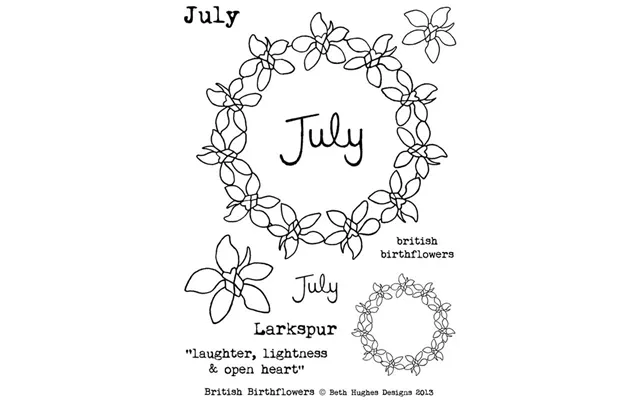
| Bh British Birth Flowers July | £ 2,29 | |
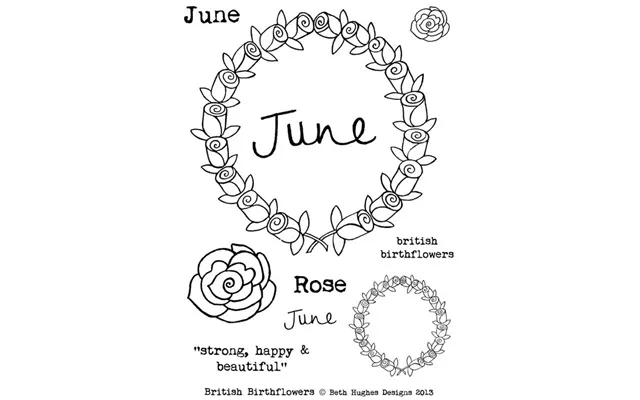
| Bh British Birth Flowers June | £ 2,29 | |
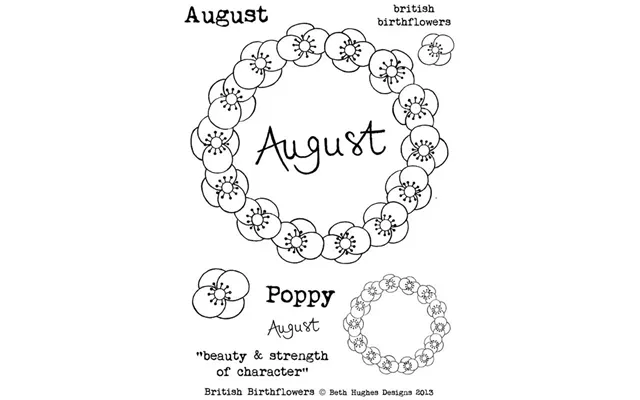
| Bh British Birth Flowers August | £ 2,29 | |
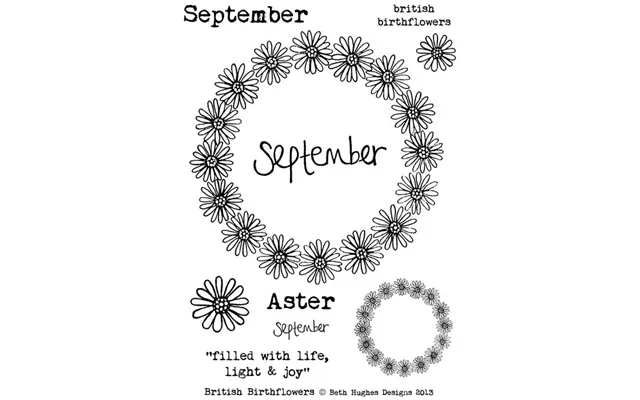
| Bh British Birth Flowers September | £ 2,29 | |
| Sk May All Your Wishes | £ 2,38 | |
| Butterfly | £ 3,74 | |
| Cs Kitchen Bits | £ 4,62 | |
| Warmest Wedding Wishes | £ 11,66 | |
| Asian Elements | £ 11,66 |

