All categories
Business & Offices
Electronics & Media
Fashion & Accessories
Groceries & Essentials
Health & Personal Care
Home & Living
Kids & Family
Sports & Outdoors
Search in ZoneOffer
Loading...
If you’ve ever watched a locomotive glide across a layout and thought, “Wow, that looks real,” you can thank the accessories. Model train accessories are the secret sauce—tracks that curve just right, controllers that deliver silky speed, scenery that pulls your eye into another world, and tiny details that make your brain whisper, “I could swear that’s full size.” Whether you’re into OO, HO, N, O, G, or even Z, the right add‑ons transform a basic loop into a living railway. And because the UK has a thriving community of modellers, it’s easier than ever to compare deals, discover upgrades, and build a layout that feels immersive without spending a fortune.
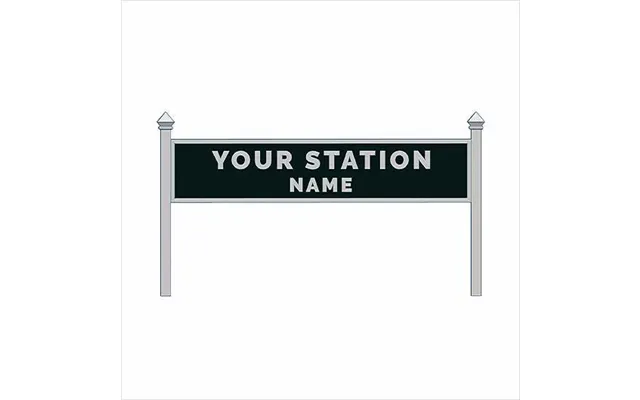
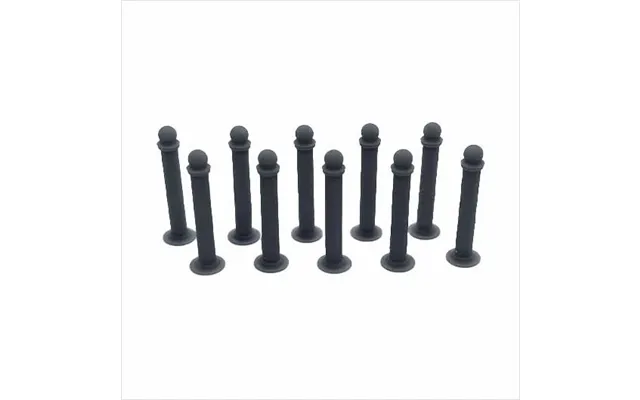
Picking accessories starts with scale. Ratios like 1:76 (OO) and 1:87 (HO) aren’t just numbers—they determine everything from track gauge to building footprints. OO and HO share a track gauge of roughly 0.65 in, N gauge runs about 0.35 in, O gauge is around 1.25 in, G scale goes near 1.75 in, and Z gauge is about 0.26 in. If you’re mixing brands, double‑check compatibility and coupler types, because a mismatch can lead to derailments or awkward gaps. A good rule of thumb? Plan for your scale from day one, and your future self will thank you when every turnout, light, and figure just… fits.
Smooth control makes even a modest layout feel premium. The fastest way to elevate your setup is through reliable power, well‑planned wiring, and a controller that delivers fine‑tuned throttle response. Even if you’re starting small, think like an electrician: clear bus wires, sensible feeders, and dependable connectors will stop headaches before they start. Don’t worry—it’s not rocket science, just good habits.
Analogue controllers are simple and budget‑friendly, great for a single train and a tidy loop. Digital Command Control (DCC), on the other hand, is a game‑changer if you want independent locomotive control, lighting functions, or sound. With DCC, multiple locomotives share the same track power while you assign unique addresses. Sounds fancy? It is, but it’s also intuitive. Many UK modellers start analogue, then jump to DCC as their fleets grow—think of it like upgrading from a basic TV remote to a smart home hub.
Consistent power keeps your trains running like a dream. For reliable current distribution, use a track bus with 16 to 18 AWG wire and connect feeders every 3 to 6 ft with 20 to 22 AWG wire. Add clear labels and colour coding so you can troubleshoot at a glance. As for connectors, crimp terminals and barrier strips beat twist‑and‑tape every time, and a quality soldering iron with a fine tip—around 0.06 to 0.08 in—makes clean work of joints. It may not be glamorous, but it’s the backbone of a trouble‑free layout.
Track is where the magic meets physics. Good trackwork rewards you with reliable operation, quiet running, and realistic movement through curves and junctions. Invest carefully here, and your locomotives will reward you with hours of derailment‑free fun. Think of your track plan as the blueprint for everything that follows.
Don’t let tight curves cramp your style. For OO/HO, common radius choices range from 18 in to 24 in for compact layouts, and 30 in or more for sweeping mains and long coaches. N scale can run smaller, but broader curves still look better. Add cork or foam roadbed to raise the track slightly and dampen noise—it’s the difference between a rattly desk toy and a whisper‑quiet runner. Take the time to use a track gauge, check clearances, and file rail joints smooth. Your trains will glide like they’re on glass.
Turnouts (points) come alive with the right accessories. Under‑board motors keep things tidy, while surface‑mount units are quick to install and easy to service. If you run DCC, point decoders let you switch from your handset, and adding frog power using a polarity switch or “juicer” prevents stalling on slow crawls. It’s a small tweak that pays off every time a shunter creeps through at scale walking pace without a hiccup.
You can spot a well‑detailed wagon a mile away: crisp lettering, metal wheelsets that click‑click over rail joints, and couplers that join gently with a satisfying snick. Upgrading rolling stock is one of the best bang‑for‑buck improvements—like putting performance tyres on a classic car.
Magnetic knuckle couplers are popular for realistic looks and hands‑free shunting. They also simplify operations with under‑track magnets for uncoupling. When swapping couplers, mind the mounting height and draft gear boxes; a coupler height gauge is worth every penny. The result? Smooth, reliable links that make long trains feel effortless, and yard work an absolute joy.
Metal wheelsets add weight, roll smoother, and stay cleaner. Pair them with tuned bogies (trucks) and square axles for reduced resistance. A touch of plastic‑safe lubricant on bearings—applied sparingly with a toothpick—can transform stubborn stock into free‑rolling champions. If wagons waggle through curves or derail on turnouts, check wheel back‑to‑back spacing with a gauge and make tiny adjustments until everything tracks true.
The fastest way to turn “train set” into “model railway” is scenery. Think texture, colour, and layers: ballast that fits your region, grass that varies in tone and height, trees that don’t look cloned, and ground cover that blends it all together. Your eye loves imperfection—patchy grass, muddy verges, a fence that leans a tad. Embrace it.
Choose ballast grade that matches your scale, then blend two colours for realism. Apply with a shaker, shape with a soft brush, and secure with diluted glue or a dedicated scenic adhesive. For grass, static applicators make fibres stand up like the real thing; mix lengths and shades and don’t be afraid to patch in tufts. Trees benefit from variety—conifers, broadleaf, saplings, and hedgerows—arranged in clusters with gaps so the eye can “breathe.” A little randomness goes a long way.
Keep a small arsenal: a scenic adhesive for ballast and grass, a contact adhesive for rubber and foam, and a plastic cement for kits. Then weather everything. Powders and washes tone down that fresh‑from‑the‑box shine, adding grime to underframes and rust to brake wheels. A quick dry brush with a pale shade can pop out details on brickwork and planking. If you’ve ever thought, “Something’s missing,” it’s probably weathering.
Buildings, platforms, and lamps make your layout believable. Add lighting and the whole scene transforms at dusk: warm windows in terraced houses, gentle streetlamps along the station road, and a signal box glowing like a beacon. It’s cinematic, and it’s not hard to do.
LEDs sip power, run cool, and last ages. For structure interiors, tiny LEDs around 0.08 to 0.2 in are perfect, while streetlamps and yard lights look great with warm‑white tones. Always include current‑limiting resistors, tidy your wiring with heat‑shrink, and route cables through holes in the baseboard for a clean finish. Dimmable controllers let you fine‑tune brightness so scenes don’t look blown out.
A lit building without furniture is like a stage with no actors. Add tables, shelves, posters, and figures to create vignettes—a porter stacking crates, a couple chatting on a bench, a guard checking his pocket watch. Glue items behind windows where they’ll be noticed and keep a few “hero” scenes near the front so casual viewers catch the charm immediately.
Want goosebumps? Add sound. Modern decoders pack in chuffs, horns, compressors, and even flange squeal. Pair them with a good speaker and you’ll feel the train, not just see it. Add smoke to steamers and your audience will lean in; there’s a reason exhibition layouts draw crowds when effects kick in.
When fitting sound, match the decoder to your controller and loco, then choose a speaker that fits the space. Sugar‑cube and round speakers from 0.75 to 1.5 in offer surprising punch, especially in sealed enclosures. Placement matters—aim for a resonance chamber if you can. Don’t be afraid to tweak CVs for volume, start voltage, and momentum; a gentle roll‑on and roll‑off feels far more realistic than abrupt starts and stops.
Smoke units add a theatrical touch to steam locomotives and depot scenes. Use manufacturer‑recommended fluids and keep the unit clean to avoid residue. A small fan‑driven unit delivers steady plumes, while basic elements puff lightly at low speed. Moderation is key: a faint haze looks convincing; a chimney‑like cloud can feel toy‑like.
A tidy workbench and a small toolkit make every project smoother. It’s amazing how much better things go when you can find the right driver, your soldering iron is at temperature, and your spare couplers aren’t hiding under last week’s ballast bag. Maintenance is the unsung hero that keeps layouts running for years.
Stock the basics: small screwdrivers, needle‑nose pliers, flush cutters, a hobby knife, a pin vise with micro bits, a steel ruler, and a square. For soldering, a temperature‑controlled iron with a fine tip around 0.06 in helps with feeders and decoder installs. Keep a multimeter handy for continuity checks and voltage reads; it’s your best friend when a turnout suddenly stops responding.
Dust and oxidation are the enemy. Clean rails with a mild abrasive eraser or a soft cloth and approved fluid. Wipe wheel treads on a paper towel soaked with cleaner while gently powering the loco. Use plastics‑safe oil sparingly on motor bearings and a tiny dab of grease on gears. Less is more—over‑lubrication attracts dirt and creates a gummy mess.
Not everyone has a spare room, and that’s okay. You can create something wonderful in a corner or on a folding board. UK modellers often favour OO for its character and selection, but N shines when space is tight. The trick is designing for the space you have rather than the space you wish you had.
Consider modules you can lift, fold, or slot together. A 2 x 4 ft segment is easy to store and transport, and two or three can form a satisfying run. Hinged wall layouts that fold down are brilliant for multi‑use rooms. Keep baseboards flat, braced underneath, and built from light but rigid materials like 1/2 in plywood with 1 x 2 in framing.
Plan wiring paths from the start. Cut neat cable holes, bundle runs with clips, and leave slack for maintenance. Add terminal blocks at section joins and document everything with a simple schematic. Future you will be thrilled when it’s time to add a new siding, signal, or block detector.
Signals and automation bring prototypical operations to life. Even a small yard can feel “real” with a couple of shunting routines and working lamps. Think of operations as the “gameplay” of model railroading—fun to set up, rewarding to run, and endlessly customisable.
Lighted signal masts look fantastic and teach good habits—stop, caution, clear. Pair them with occupancy detectors to trigger aspects automatically, or control them via a panel. If you’re on DCC, accessory decoders simplify wiring. Label everything and test each block before moving on to the next; small steps beat big rewires.
A timetable or switch list turns running trains into a purposeful session. Build a simple schedule: arrivals, departures, and freight drops. Add a run‑around, a fueling point, or a goods shed and challenge yourself to do it “by the book.” Before you know it, an hour has passed and you’ve had a blast.
Accessories can add up, but there are clever ways to save without compromising quality. Do a little homework, compare prices across multiple retailers, and keep an eye out for bundles. Remember, the best deal isn’t always the lowest price; it’s the one that gets you reliable gear that works together for years.
Before you buy, compare offers from several retailers and use price comparison websites to track discounts across the UK market. Look for seasonal sales, clearance items, and multipacks of track, lighting, or scenery supplies. If reviews consistently praise an item’s reliability and compatibility, that’s often worth a small premium compared with a bargain that causes issues later.
Preowned can be a treasure trove: turnouts, controllers, rolling stock, even scenic materials. Inspect photos carefully, ask about running history, and verify that electronics like decoders haven’t been stressed. For consumables—glues, paints, and weathering materials—new is usually safer. For track and structures, gently used can be indistinguishable from new once installed and weathered.
Every modeller hits bumps in the road—wobbly rolling stock, temperamental turnouts, flickery lights. The good news? Most problems have simple solutions. A systematic approach beats trial and error every time.
If derailments haunt a specific spot, check rail joints for kinks, verify gauge with a tool, and smooth transitions into curves. For stalling, add feeders to dead sections, clean wheels, and power turnout frogs. Flickering lights often trace back to loose plugs or cold solder joints—reflow and retest. Patience, a multimeter, and a notebook can solve almost anything.
Rumble on curves? Try broader radii or ease transitions with short straight sections before and after turnouts. For motor noise, add a touch of foam under the loco shell or check for gear binding. If the whole layout hums, add cork underlay and isolate the baseboard from the table with soft pads. Small tweaks, big improvements.
It’s easy to get overwhelmed, so start with a focused list: track pieces, one turnout with a motor, a controller that suits your ambitions, basic scenery, a building kit, and a handful of figures. Then add layers as you learn. The best layouts evolve; they’re never truly “finished,” and that’s half the fun.
Begin with a power supply and controller you won’t outgrow, reliable track with sensible radii, a couple of turnouts, scenic basics (ballast, grass, glue), one or two structures, LED lighting, and a small toolkit. As you get comfortable, expand with sound, signals, automation, and more sophisticated weathering. Keep receipts, compare prices, and build steadily—your wallet and your layout will both look better for it.
Upgrade when you’re bumping into limits: struggling to run multiple trains, suffering unreliable turnouts, or craving richer scenery. Hold off when the urge is just novelty. A good test: if an accessory solves a recurring problem or unlocks a new operating feature you’ll use every session, it’s worth the spend.
The right model train accessories turn a simple loop into an engrossing world—one where trains run reliably, scenes tell stories, and every session feels fresh. Start with strong foundations: well‑laid track, clean power, and thoughtful wiring. Layer in scenery, lighting, and sound to deepen immersion. Compare prices across the UK market so your budget goes further, and choose accessories that work harmoniously with your scale and control system. Most of all, keep it fun. Plan, test, tweak, and run trains—because nothing beats the moment a locomotive rolls past a lit station at dusk and you forget, just for a second, that it’s all in miniature.
| Model Train Accessories | Price | |
|---|---|---|
| Sun Expert 39887 Micro Transmission G 100 M | kr. 198,- |