

Music Stand Accessories price list
Last updated Sunday, 27 Sept 2026
| Music Stand Accessories | Price |
|---|---|
| Arvee Singles Plus | £9.99 |
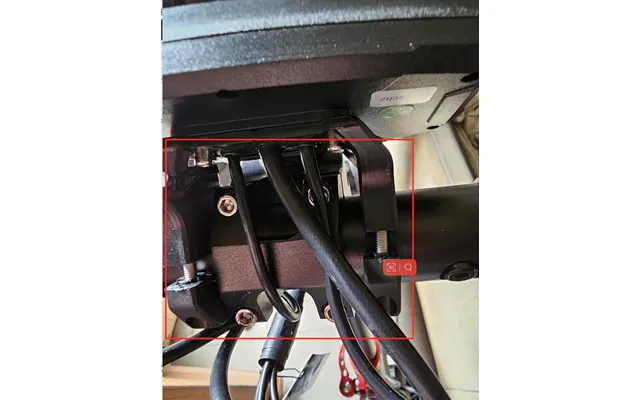
| Display Mount For E-scooter Ix6 | £25.99 |



Loading...
Last updated Sunday, 27 Sept 2026
| Music Stand Accessories | Price |
|---|---|
| Arvee Singles Plus | £9.99 |
| Display Mount For E-scooter Ix6 | £25.99 |
If you’ve ever wrestled with turning pages mid-phrase, squinted at dim notes in a moody venue, or watched your stand wobble at the worst moment, you already know: the right music stand accessories aren’t luxuries—they’re lifesavers. From powerful clip-on lights to page holders that tame even the springiest paper, these small add-ons deliver big results. Think of them as your backstage crew, quietly doing the heavy lifting so you can focus on making music. Whether you’re gigging every weekend, teaching in a busy classroom, or practicing at home, smart accessories elevate comfort, clarity, and confidence.
Lighting is the first accessory most musicians upgrade, and it’s easy to see why. Venues vary wildly, rehearsal rooms get gloomy, and home practice can happen at odd hours. A good music stand light keeps your score crisp and readable without blinding your neighbors on stage. The best models offer adjustable brightness, a focused beam to avoid glare, and a stable clip that doesn’t chew up the stand’s edge. Aim for a flexible gooseneck—around 6 in to 12 in—to position the beam perfectly, and make sure the clamp fits your stand’s desk without slipping.
Compact clip-on lights are the everyday heroes for students, pit players, and church musicians. They attach in seconds, pack down small, and weigh next to nothing. Look for dual-head designs for a wider spread across an 18 in desk, or a single-head light if you prefer a tighter beam on a smaller portable stand. Many models offer multiple brightness levels so you can dial in just enough light to read clearly without flooding your neighbor’s stand. Want to avoid cable clutter? Choose a rechargeable option and enjoy clean, fuss-free setups.
Playing from larger conductor-style desks or working with oversized scores? A wide-beam light shines evenly across the full width, so you won’t be chasing shadows. These lights typically use longer LED bars and deeper shades to direct light right where you need it. A wide clamp is helpful for thick, wood-core desks, and rubber padding prevents scratching. Pro tip: if you sight-read a lot, choose a model that stays stable at full extension—the last thing you want is a drooping neck midway through a demanding passage.
There’s no wrong choice here—just pick the setup that fits your workflow. Rechargeable lights feel modern and tidy, especially if you’re already charging your phone or tablet between sets. AA or AAA battery-powered lights, on the other hand, are a touring staple because spares are easy to stash in your case. If you perform long shows, consider a light with a battery indicator so surprises don’t strike at a crucial crescendo. Either way, keep a short cable or a couple of spare batteries in your accessory tray as a safety net.
Wind, gravity, and stubborn paper fibers are the enemies of smooth page turns. Page clips, magnets, and folders transform chaos into calm. The trick is to match the accessory to your setup: spiral-bound charts need a different approach than loose-leaf scores, and outdoor busking demands more security than a quiet studio session. Aim for low-profile designs that don’t cover the notes, and keep a backup in your bag—these small lifesavers have a habit of wandering off after busy rehearsals.
Spring-loaded clips are simple, cheap, and wildly effective. Go for a pair with a strong clamp and a lip that doesn’t block notation near the edge. Magnets are brilliant on steel desks: they slide into place quickly and hold multiple pages without wrinkling. If you’re dealing with a wire desk, look for clip sets that pinch across the wire gaps so pages don’t sag. For outdoor players, add a slim page holder bar—about 12 in to 14 in wide—that spans the bottom of the score and stops pages from flipping in a breeze.
If your setlist changes nightly, a ring binder with heavy-duty sheet protectors is a game changer. You can reorder charts in seconds, add notes with a dry-erase marker, and turn pages smoothly without tearing. For large desks, try a portfolio-style folder that lies flat and extends beyond 20 in so your edges don’t dangle. Singers and horn players often prefer top-loading protectors; string players may like side-loading versions that feel more secure when bow arms get expressive.
An accessory tray might be the most underrated item in your kit. It’s your tiny command center—somewhere to park your slide grease, spare pick, reed case, capo, valve oil, mute, tuner, and a pencil (or three). A solid tray cuts down on hunting for small items and keeps you in the flow. Just be sure the tray mounts securely without scratching the stand’s shaft, and pick a size that doesn’t intrude on your elbows or bowing space.
Look for trays with a lip about 1 in to 2 in high so items don’t roll off during a quick page turn. Some trays include a built-in phone slot, which doubles as a compact metronome stand. If you keep liquid items—valve oil or slide lube—choose a tray with a wipe-clean surface and rounded corners. Mounting clamps that fit tubes from roughly 0.5 in to 1.25 in in diameter cover most stands, including collapsible models and heavy orchestra shafts.
Hydration matters, especially under warm stage lights. A simple cup holder that clamps to the stand keeps your water bottle safe and off the floor. To avoid rattles, pick a holder with a rubber insert and a secure ring around 3 in in diameter. If you use a larger insulated bottle, check the grip range before you buy. Bonus: cup holders can also store mutes, small percussion items, or chalk for conductors who like to mark the floor.
More players are going paperless, and for good reason: instant page jumps, searchable notes, and cloud backups. A sturdy tablet holder converts your stand into a sleek digital desk. The best models adjust to fit standard tablets from about 9 in to 13 in diagonally and allow portrait or landscape orientation. Always test the clamp on your stand’s shaft height so the tablet sits comfortably above your instrument and below your sightline to the conductor or bandleader.
Here’s the golden rule: clamp to the stand’s pole for stability, then extend with a short arm—6 in to 8 in is usually plenty. Over-extending creates wobble. Use a holder with padded jaws so you don’t scratch the device, and engage any locking tabs so the tablet can’t slip. If you perform outdoors or in busy pits, add a quick-release safety tether. It’s cheap insurance and keeps your screen from taking a tumble during a fast set change.
Transport is where gear gets dinged. A dedicated stand bag keeps scratches at bay and corrals loose accessories. Soft bags with padded walls strike a great balance for gigging players—lightweight, protective, and easy to sling over your shoulder. For heavy orchestra stands, a rolling case with a reinforced base makes longer walks less of a workout. Inside, separate pockets for lights, clips, and cables stop small items from disappearing to the bottom like socks in a dryer.
Choose padding of at least 0.5 in around the sides and base, plus a tough zipper that won’t snag. A shoulder strap frees your hands for instrument and mic stands; look for adjustable lengths to keep the bag mid-hip so it doesn’t smack your legs with every step. If your stand desk is a large 18 in to 20 in model, confirm the bag’s interior length and width so you’re not forcing a fit every time you pack down.
Wobbly stands are distracting and dangerous. Stability accessories keep everything planted and predictable, so you can relax and play. Heavier desks benefit from discreet counterweights or sand-weighted bags that wrap the base. For extra grip on slick stages, add non-slip feet or a rubber mat under the stand. And don’t forget ergonomics: an easy-to-adjust height collar and a reliable desk tilt mechanism make long rehearsals feel easier on your neck and shoulders.
Weight bags—filled with sand or shot—strap around the base and add several pounds of calm to a jittery stand. If you play outdoors on grass, removable floor spikes bite into the ground and stop sliding; on delicate floors, swap spikes for rubber caps. Aim to keep the stand’s center column vertical and your desk balanced—not nose-heavy with a thick binder hanging off the front edge. A balanced desk stays where you set it, even during aggressive page turns.
Tall players, rejoice: height extenders can add several inches of reach to short stands. Look for extenders with a matching diameter to your stand’s tubing so they fit snugly. For desk angle, a fine-tooth tilt mechanism is best—micro-adjustments matter when glare or reflections creep in. If your stand’s original clutch is slipping, an upgraded collar with a stronger grip solves the problem for good and feels like a brand-new stand.
Conductors and teachers juggle more gear—large scores, batons, attendance sheets, clickers—so organization is everything. An oversized desk, a deep tray, and a pencil cup keep the command center tidy. Add page extenders for wide-format scores and a discreet clip for a baton so it doesn’t roll onto the floor during a cue. For ensemble rehearsals, number tags that clip to stand shafts help players find seats fast and make setup more efficient.
Large-format desks—20 in wide or more—give conductors room to spread multiple pages and mark cues without crowding. Pair them with a wide-beam light and heavy base to prevent tipping. A compact two-tier tray keeps markers, stopwatches, and remotes visible but contained. If you use a click track or in-ear system, a cable hook mounted below the desk keeps wires tidy and out of the way when stepping off the podium.
In busy classrooms, small accessories make a big difference. Numbered clips that attach to the stand’s shaft can speed up seating charts and part assignments. Magnetic labels on steel desks identify instrument sections at a glance, and color-coded page clips help students keep movements and parts organized. The goal is simple: less time sorting, more time playing.
Accessories should feel invisible while you play—that means solid materials, smooth edges, and clamps that hold without scarring the stand. Steel is robust for clamps and arms; aluminum keeps weight down for travel; quality plastics reduce rattles and won’t crack in colder venues. Before you click “buy,” check compatibility: clamp range in inches, desk thickness, and whether your stand is solid or wire-frame. If you own multiple stands, universal mounting is worth its weight in gold.
Start with your pain points. Are you fighting poor lighting, chaotic page turns, or a messy stand top? Pick one problem and solve it with the right tool. Next, consider your environment: quiet recital hall, busy pit, school band room, or street corner. Each setting nudges you toward different features—brightness control, wind resistance, quick setup, or kid-proof durability. Finally, compare across retailers using trusted comparison sites to spot deals and avoid impulse buys.
Not all stands play nice with every add-on. Wire desks need different clamps than thick wood desks, and slim travel stands can’t carry the same weight as heavy-duty orchestra models. Measure the desk lip and pole diameter in inches, and note any unusual shapes. If your stand collapses, check that your accessory can stay attached or be removed in seconds—you don’t want to reassemble a puzzle every time you pack down.
Accessories take a beating in rehearsal bags. Choose items with metal hinges, reinforced joints, and screws you can tighten over time. A solid warranty suggests the maker stands behind the product. And real-world reviews—preferably from players who use your instrument and gig style—reveal the little truths: which light flickers when bumped, which clip hides notes, which tray rattles when the drummer gets enthusiastic.
Some upgrades deliver outsized value at modest prices: page clips, pencil holders, and basic trays. For lighting and tablet holders, it’s worth stepping up. A reliable light and a rock-solid mount protect your performance and gear. When comparing prices, look beyond the headline number and factor in included extras—carry pouches, spare clamps, charging cables, or extension arms can make a mid-priced kit the smarter buy.
Well-cared-for accessories last longer and work better. Keep clamps clean so grit doesn’t scratch your stand. Wrap cables loosely—tight coils fatigue the wire—and store small items in zip pockets so they don’t rattle in transit. Before a show, do a 30-second check: light charged, clips ready, tray snug, tablet secure. This tiny routine pays off the moment the conductor counts in or the drummer clicks off the tune.
Want to get out the door quickly without leaving gear behind? Create a packing order. First, clear the desk into your tray. Second, remove the light and coil its cable in a loose figure-eight. Third, fold the tray and clamp-on holders. Finally, collapse the stand and slide everything into the bag, heavy items to the bottom. A labeled pouch for micro-accessories—picks, magnets, spare batteries—stops the dreaded post-gig scavenger hunt.
If you use a wired light, run the cable down the rear of the stand’s pole and secure it with two or three reusable ties spaced about 8 in apart. Leave a small loop near the light to prevent strain when you adjust the neck, and guide the cable toward the floor along the base leg to avoid trips. In tight pits, a low-profile right-angle plug can save precious inches of clearance.
Practice at home? A modest clip-on light, a pencil holder, and a couple of page clips might be all you need. On stage, prioritize a brighter light, a silent tray, and stable clamps that won’t shift when you move. In the studio, clean aesthetics matter—cable-free lighting and a tidy tablet mount keep the vibe calm. Outdoors, wind rules the day: strong page holders, weighted bases, and a rugged bag make sessions smooth, even when the forecast gets cheeky.
Wind doesn’t care about your downbeat. Secure your charts with wide clamps and a 12 in page bar across the bottom. Add a 2 lb weight bag to the base, and angle the desk slightly forward so pages rest against it instead of flapping. Keep spare clips in your pocket, and if you’re using a tablet, set the holder tighter than usual and attach a safety tether. A simple rubber mat under the stand’s feet adds grip on smooth pavement.
Music stand accessories might be small, but their impact is huge—clearer notes, calmer page turns, and quicker setups that let you pour energy into the music, not the logistics. From stand lights and page holders to trays, tablet mounts, and sturdy carry bags, the right toolkit transforms rehearsals and gigs alike. Ready to upgrade? Compare features, check compatibility in inches, and pick durable pieces that match your musical life. With a few smart choices, your stand becomes a reliable partner that fades into the background while your performance takes center stage.