








All categories
Business & Offices
Electronics & Media
Fashion & Accessories
Groceries & Essentials
Health & Personal Care
Home & Living
Kids & Family
Sports & Outdoors
Search in ZoneOffer

Loading...
If you’ve ever tried to balance your sheet music on a chair, a piano lid, or—brace yourself—a wobbly coffee table, you know a proper music stand isn’t just a nice-to-have. It keeps your music at the right height, the right angle, and right where your eyes need it. Whether you’re practicing at home, playing gigs, or rehearsing with an ensemble, the right stand can make your sessions smoother and your posture better. It’s like the silent partner in your music-making: steady, reliable, and ready to support your flow.
Short answer: almost everyone who reads music or lyrics. Beginners, school band players, touring musicians, church pianists, choir singers, conductors, music teachers—you name it. If you read from sheet music, a tablet, a lead sheet, or chord charts, a stand keeps things steady and consistent so you can focus on your sound. The good news? The UK market offers plenty of options, from budget-friendly folding stands to heavy-duty orchestral models built for everyday rehearsals.
Not all music stands are created equal. Some are lightweight and designed for quick travel, while others are rugged and gig-ready, built to handle hefty scores night after night. Choosing the right type is half the battle. Once you know the category that suits you best, filtering by features and price becomes easy—and that’s where a comparison site like ZoneOffer helps you weigh up the best offers across the UK without the guesswork.
These are the go-to for students, buskers, and anyone hopping between rehearsals. They collapse down small, often into a carry bag, and weigh as little as 2 lb. Typical height ranges from around 24 in to 48 in, and the desk (the part that holds your music) is usually a three-panel metal plate or a wire frame. They’re affordable and easy to stash but can be less stable in windy outdoor settings or under heavy songbooks.
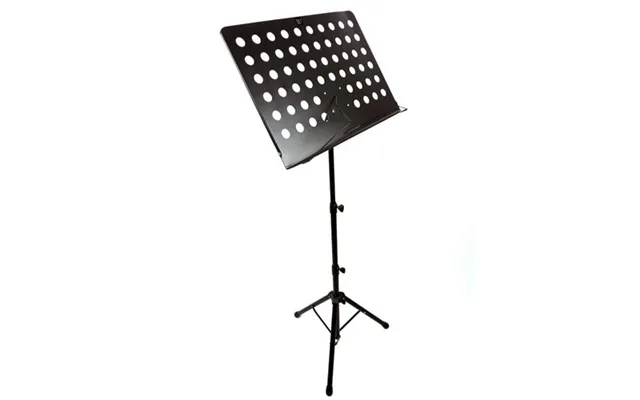
Think solid, stable, and built to last. These stands usually have a one-piece, rigid desk—often made of metal or tough composite—with a big lip to hold thicker scores. Heights frequently adjust from about 26 in to 50 in, and their weighted bases or tripod legs resist wobbles. Perfect for schools, studios, pit orchestras, and venues where you want equipment you can trust during long rehearsals and performances.
Conductor stands bring an oversized desk for scores and a wide tilt range. If you regularly read full arrangements or need space for a baton, pencil, and multiple sheets, this is your best friend. Expect a heavier build and larger desk—sometimes around 19 in by 13 in or more—with a very smooth height and tilt mechanism that won’t sag when loaded with thick binders.
For pianists or home setups where a full stand isn’t necessary, desktop stands sit on a table or piano. They’re compact, stable, and ideal for quick practice sessions. They’re also handy for teachers who want to keep reference notes nearby without occupying floor space.
Buying a music stand is a bit like picking a new instrument stand or case: details matter. A few carefully chosen features will make your life easier and your practice more comfortable. Focus on adjustability, stability, durability, and the small usability touches—because those little things turn a decent stand into a great one.
Check the minimum and maximum height to ensure it fits your playing position—seated and standing. A good range is roughly 24 in to 50 in. Look for clutch systems or friction collars that are easy to operate with one hand and won’t slip over time. If kids will use it, smooth height adjustment is a must for quick changes between users.
A larger desk helps if you use binders, fake books, or multiple sheets across. A typical sturdy desk might be around 19 in wide and 13 in tall, with a deep lip to hold pencils and tuners. The tilt should hold steady at any angle, from nearly flat to nearly vertical, without drooping mid-performance.
Steel, aluminum, and composite plastics dominate. Steel is sturdy and stable but can be heavier. Aluminum keeps weight down for travel stands. Composite desks resist dents and can look sleek onstage. If you’re gigging weekly, prioritize durability; if you’re traveling by bus or train, weight savings might win.
Tripods are versatile and portable; cast or weighted bases are ultra-stable, great for orchestral settings. Rubber feet help on slippery stages and protect floors. If you play outdoors or use heavy books, a heavier base or thicker legs is worth every penny.
Travel stands can be as light as 2 to 3 lb, while orchestral stands may weigh 5 to 8 lb or more. Lighter is easier to carry but usually less stable. If you commute or walk to rehearsals, weigh the trade-off carefully. A carry bag with a shoulder strap can be a game-changer.
Wire page holders or spring arms keep your music open in breezy environments or during page turns. A deep bottom lip helps with multi-page spreads and thick binders. If you play outdoors or use glossy sheet protectors, these features prevent that dreaded mid-song slide.
Some stands include a zippered carry bag or clip-on accessories. Tool-free assembly is ideal for students and busy pros alike. Quick-release mechanisms and folding desks speed up setup and pack-down when you’re rushing between sets.
You’ll notice the same solid names pop up again and again among UK musicians, teachers, and venues. These models balance durability, stability, and fair pricing. If you’re browsing a comparison site like ZoneOffer, expect to find these brands competing with attractive offers—perfect for stretching your budget without sacrificing quality.
A classic for schools and orchestras, the Manhasset Symphony is renowned for its all-metal construction and rugged reliability. The friction-tilt mechanism holds the desk precisely where you set it, even with hefty scores. It isn’t the lightest, but its stability and long service life make it a smart investment for anyone who rehearses regularly.
Hercules stands are famous for quick setup and ultra-stable designs. The desks are roomy, the adjustment is smooth, and the legs lock securely. If you’re gigging frequently and want a stand that travels well yet performs like a tank on stage, Hercules is a reliable bet.
König & Meyer (K&M) blends German engineering with durability. Their folding stands are light but sturdy, while their orchestral models feel rock-solid under heavy binders. The hardware is built to last, and the finishes are usually excellent at resisting dings and scratches.
On-Stage balances affordability and functionality. The SM7122 is a popular folding stand that’s surprisingly stable for the price. For players who need something budget-friendly that still gets the job done at lessons and rehearsals, this line hits a sweet spot.
For beginners and casual players, CAHAYA and RockJam offer wallet-friendly options that cover the basics. You’ll often get a carry bag and simple height adjustment. While these aren’t designed for heavy binders night after night, they’re great for starting out or for occasional gigs.
Peak and Gator Frameworks produce portable stands with smart folding designs, sometimes with quick-release systems that make setup a breeze. If you’re constantly on the move and want a stand that won’t slow you down, these are well worth a look.
Small add-ons can feel like cheat codes for your setup. A stand light saves your eyes, page clips tame your charts, and a tablet mount modernizes your rig. If you’ve ever lost your place under dim stage lights, you’ll appreciate how accessories transform a basic stand into a polished, professional toolkit.
Clip-on LED lights are a must for dim pubs, halls, and orchestra pits. Look for dual goosenecks, adjustable brightness, and a wide beam that covers the full width of your desk (around 19 in). Battery-powered models with rechargeable packs keep cables off the floor and your stage neat.
Spring-loaded page holders keep scores open on drafty stages or outdoors. Bulldog clips or magnetic clips (for metal desks) give extra security. If you play with thick books, look for deep, smooth page arms that don’t crease your sheets.
Protectors reduce wear, resist spills, and help pages slide smoothly. A 3-ring binder with tabs organizes sets by mood, key, or set order. Paired with a deep desk lip, this combo stops pages from curling or sliding mid-song.
If you’ve gone digital, a tablet holder mounted to the stand shaft keeps your device at eye level. Aim for a mount that accommodates 9 to 13 in screens, locks securely, and allows portrait or landscape. Bonus points for quick-release features that let you pack down in seconds.
Think about how and where you play. Sitting or standing? Indoors or outdoors? Heavy books or a tablet? Your instrument and environment dictate which features matter most—kind of like choosing strings for your playing style. Dial this in, and your stand becomes a natural extension of your workflow.
Seated players need lower minimum heights and easy tilt to reduce neck strain. A lightweight folding stand is fine for lessons and practice, but for ensembles, move up to a sturdier tripod base so your pages don’t wobble during quiet passages.
If you sing and play, you’ll appreciate a taller max height, a wide tilt range, and a deep lip for lyric sheets and capos. Add a clip-on light for dark stages and page clips for outdoor busking. A tripod orchestral stand hits a sweet balance of stability and portability.
For home practice, a desktop stand is often enough. On stage, a full orchestral stand next to your keyboard lets you keep charts, setlists, and notes within easy reach. If you use a tablet for synth patches, a strong tablet mount beats balancing it on the keys.
Brass players tend to prefer wide desks for multiple charts and pencil storage. Percussionists need rock-solid bases that won’t tip when you’re moving between instruments. A heavier orchestral stand or a weighted base is worth the extra heft for the confidence it brings.
There’s a wide range of prices, and the differences often come down to build quality and long-term reliability. The trick is matching your needs to the right tier—and making sure you’re getting a fair deal. Comparing offers from multiple sellers will show you where value really lives.
A low-cost folding stand may be enough for a beginner, but if you practice daily, a mid-range model will outlast and outperform. Over a year of lessons or weekly gigs, a stand that doesn’t slip, bend, or rattle pays for itself in fewer replacements and less frustration.
Used stands can be great, especially for rugged orchestral models. Check the joints, tilt mechanism, and legs for wear. Scratches are cosmetic; playability is what matters. If you’re purchasing used, factor in the cost of missing accessories like a carry bag or light.
ZoneOffer is a comparison site, not a store, and that’s a win for your wallet. You can scan popular offers across the UK, filter by type, and weigh price against features and brand reputation. This makes it easier to spot discounts, track seasonal sales, and pick the stand that fits your setup and budget without bouncing between dozens of pages.
A few simple habits will keep your stand performing flawlessly. From the way you raise the sections to the way you store it, care matters. Treat it like part of your instrument setup, and it will stand strong for years—no pun intended.
Start with the legs: spread them fully so the center column is vertical. Extend the lowest section first for stability, then the next sections. Adjust the desk last—set the tilt, then the height for your eyes. That sequence prevents over-stressing the top tubes and keeps everything aligned.
Wobbles usually come from loose collars or uneven legs. Tighten collars hand-snug (don’t overdo it), and make sure rubber feet sit flat. If a desk sags, the tilt joint might need a small twist tighter. Persistent rattles? A strip of soft tape at contact points can quiet metal-on-metal chatter.
Wipe metal parts with a dry or slightly damp cloth to remove sweat and dust. For stubborn grime, a mild soap solution works—just dry thoroughly. Avoid soaking joints. A tiny dab of silicone spray on moving parts (applied sparingly) keeps action smooth and resists corrosion.
Collapse from the top down: desk flat, upper tubes in, then legs. Use a padded bag if you commute and avoid tossing the stand into a trunk with heavy gear on top. If you’re storing long-term, keep it in a dry spot off concrete floors to prevent moisture creeping in.
It’s easy to underestimate a music stand until the moment it lets you down. A few common pitfalls can turn a rehearsal into a juggling act. Dodge these, and your stand will quietly do its job while you concentrate on your music.
Even robust desks have limits. Stacking a thick binder, a tablet, and a hardback book can stress tilt joints. Spread heavy materials across pages or lighten the load. If you regularly use big binders, upgrade to an orchestral or conductor stand designed for weight.
Set the top of the sheet roughly at eye level when seated or standing, with a gentle upward tilt. If you’re craning your neck, your stand is too low. Over time, poor posture can impact your playing and comfort—set it right, and your body will thank you.
Small accessories solve big problems. A light prevents eye strain in dim rooms. Page clips eliminate annoying flips mid-song. A tablet mount frees your hands. For a few extra pounds, these add-ons turn any stand into a professional rig that works anywhere.
A dependable music stand is the unsung hero of great practice and confident performance. Start by choosing the right type—portable folding, orchestral, conductor, or desktop—then zero in on the features that matter: stable height, solid tilt, a desk big enough for your music, and a base that won’t budge. Compare offers across the UK using a trusted comparison site like ZoneOffer, and you’ll spot the best value fast. With the right stand under your music, you’ll play more comfortably, focus longer, and sound your best—every time you sit or stand to perform.
| Music Stands | Price | |
|---|---|---|
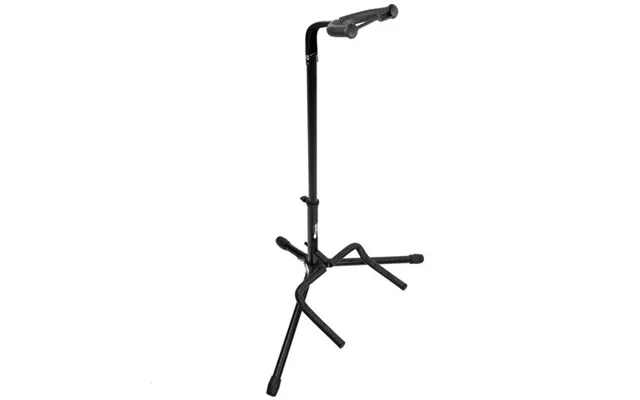
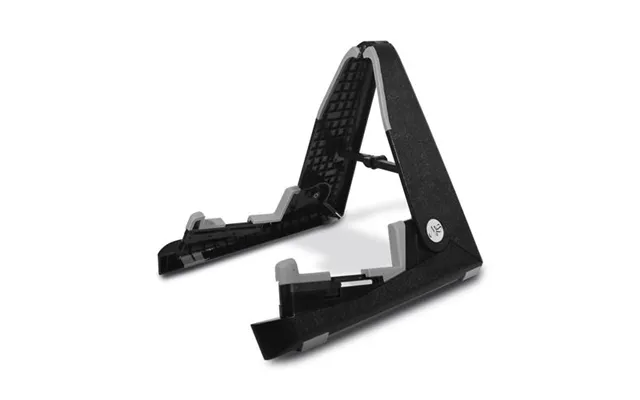
| Pdt Ms - Universal Foldaway Guitar Stand | £ 20,55 | |
| Pdt Rockjam Gs-001 Guitar Stand | £ 21,77 | |
| Pdt Rockjam Music Stand With Bag - Black | £ 21,96 | |
| Pdt Windsor Orchestral Music Stand | £ 36,30 | |
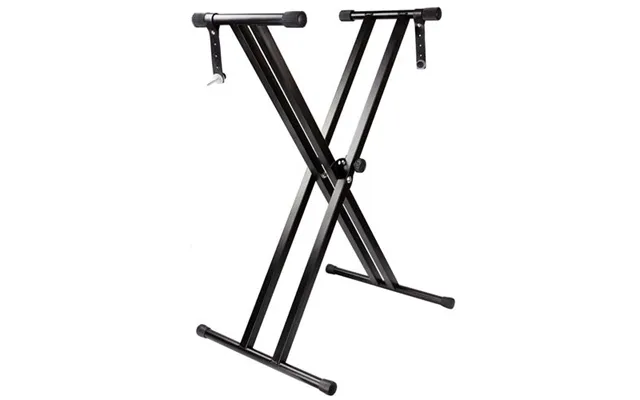
| Pdt Rockjam Keyboard Stand | £ 39,02 |
