






All categories
Business & Offices
Electronics & Media
Fashion & Accessories
Groceries & Essentials
Health & Personal Care
Home & Living
Kids & Family
Sports & Outdoors
Search in ZoneOffer
Loading...
Think of your keyboard like a sports car: thrilling on its own, but unforgettable with the right tires, seats, and tuning. Musical keyboard accessories play the same role. A dependable stand keeps your instrument solid as a rock, a responsive sustain pedal makes your playing soar, and quality headphones turn late-night practice into a private concert. Whether you’re just starting out or you’ve been gigging for years across the UK, the right accessories sharpen your sound, protect your investment, and simplify your setup. The best part? You don’t have to spend a fortune to feel a serious upgrade. From gig bags to amps, let’s explore what’s useful, what’s worth it, and how to match accessories to your style and budget.
If you’ve been browsing price lists and popular offers, you’ve probably noticed that “keyboard accessories” cover a huge range of gear. Stands, benches, pedals, cases, headphones, amps, cables, power supplies—the list goes on. The trick is prioritizing what will make the biggest difference for you right now. Are you practicing at home? Start with a comfortable bench, a reliable stand, and a pair of closed-back headphones. Playing live? A sturdy stand, hard case, and a trusted sustain pedal are musts. Building a home studio? Clean audio cables, an interface, and monitors will lift your recordings. Ready to cut through the noise and grab what you actually need? Let’s break it down piece by piece.
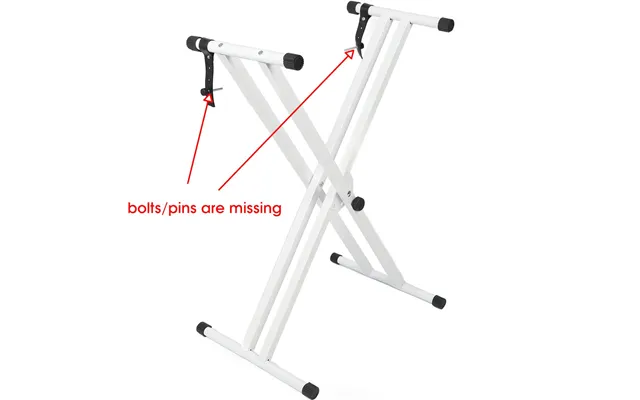
Your stand is the backbone of your setup. X-style stands are lightweight and fold quickly—great for small stages and tight spaces—while Z-style and table-style stands offer better stability and legroom. If your keyboard is heavy, check the stand’s weight rating and make sure it supports your instrument plus a little extra. Adjustable height matters, too: a good range from about 24 to 38 inches helps you sit or stand comfortably. If you play heavier styles or use a hammer-action keybed, a sturdier Z or table design can save you from wobble and hand fatigue. Bonus points for quick-lock height mechanisms and rubber end caps that grip the floor.
Ever press a sustain pedal that feels like mush? It’s a vibe-killer. A piano-style sustain pedal with a firm, predictable throw keeps your timing tight and your expression natural. Look for polarity switches so your pedal works with more keyboards out of the box, and consider a non-slip base that stays put on wood or carpet. If you’re triggering start/stop or patch changes, a simple momentary footswitch is a must. For live players, a robust metal housing holds up to the hustle. For home practice, a compact, lightweight pedal is easy to tuck away and won’t eat floor space.
When you need more than on/off, an expression pedal lets you shape layers, filter sweeps, and organ swells like a pro. Check for compatibility with your keyboard’s expression input and make sure the pedal’s resistance feels comfortable underfoot. Volume pedals are great for smooth fades and dynamic control, especially if you’re running multiple sound layers. If you perform regularly, choose a model with a robust pivot mechanism and a long, smooth travel. It’s like having a second pair of hands—only smarter and in sync with your performance.
Your bench isn’t just furniture; it’s your posture coach. An adjustable-height bench keeps your wrists straight and your shoulders relaxed, which means longer, better practice sessions. For home setups, a padded seat with durable vinyl is comfortable and easy to clean. Gigging? A foldable stool with a backrest can be a lifesaver on marathon sets. If you’re sharing the keyboard at home or teaching, a bench with quick height adjustments saves time and reduces discomfort. Aim for a stable base, a seat height that aligns your forearms parallel to the keys, and padding that feels supportive over hours, not minutes.
Moving your keyboard from A to B? You need protection. Padded gig bags are lightweight, comfortable to carry, and ideal for short trips in your own car. Look for thick foam walls, reinforced handles, and backpack straps if your route includes stairs. For constant gigging or touring, a hard case with a tough shell and dense foam is worth its weight in peace of mind. Check interior length and width in inches to match your model, and don’t forget space for a power supply, pedals, and cables. If your keyboard weighs over about 25 pounds, robust wheels can turn a slog into a breeze. It’s your instrument—treat it like the investment it is.
Dust is the silent killer of keys and contacts. A simple fitted dust cover prevents grime from creeping into buttons and sliders while keeping your finish clean. If you’re in a studio or practice room, a cover also shields against sunlight and accidental spills. It’s a small accessory that dramatically extends the life and resale value of your keyboard—think of it as a seatbelt for your instrument when it’s not in use.
Great headphones are like a magnifying glass for your sound. Closed-back models keep your practice private and block out household noise, which means better focus and happier neighbors. Look for a comfortable headband, thick ear pads, and a straight or coiled cable long enough for Freedom Of Movement—around 6 to 10 feet is ideal. A wide frequency range helps you hear the weight of bass notes and the sparkle of high harmonics. If you’re recording, a neutral sound signature makes mixing decisions more trustworthy. Bonus tip: a 1/4-inch adapter is essential for many keyboards.
If you’re playing live, a keyboard amp designed for full-range sound keeps pianos warm and synths crisp. For home studios, nearfield monitors bring out detail without coloring your tone too much. Place them so the tweeters sit roughly at ear height, with an equal-sided triangle between your head and the speakers. Pay attention to input options—some amps and monitors accept 1/4-inch TRS, RCA, or XLR, so you can connect cleanly without a tangle of adapters. If you’re rehearsing at modest volume, compact monitors with solid low-end response around your space will serve you better than oversized speakers crammed too close to a wall.
Flaky cables can ruin a rehearsal faster than a missed cue. Invest in good-quality USB cables for reliable DAW connections, 5-pin MIDI cables for classic gear, and shielded audio cables to keep hum at bay. Keep cables at sensible lengths—10 to 15 feet works for most setups—so you’re not coiling spaghetti under your stand. If you use multiple pedals or external modules, color-coded wraps help you troubleshoot fast. And if you use an audio interface, balanced TRS cables can reduce noise in longer runs. Cables might not be glamorous, but they’re the veins and arteries of your rig.
A solid power supply is like a reliable heartbeat for your keyboard. Always match voltage, current, and polarity with your instrument’s requirements. If you’re traveling, a surge protector or power conditioner can save you from spikes and noisy outlets. For multi-keyboard rigs, a quality power strip with enough spacing for chunky adapters avoids frustrating tangles. Label your bricks and cords, and keep a spare if your keyboard uses a common spec—it’s a cheap insurance policy against downtime.
If your keyboard’s built-in music rest feels flimsy, upgrade to a standalone music stand with a broad lip and sturdy base. Page holders keep scores from flapping during outdoor gigs, and tablet mounts bring digital charts into easy view. Measure heights in inches to ensure the stand sits comfortably just above your keybed, and choose a foldable model if you’re on the move. When you don’t fight your stand, you practice longer—and smarter.
There’s no single “best” setup—just the best setup for you. Your environment, experience level, and goals should guide your choices. If you’re a beginner, durability and simplicity matter most. Gigging players need stability, speed, and protection. Home studio folks crave clean connections and accurate monitoring. Think about use cases: practice, performance, recording, or all three. Then pick accessories that remove friction from your workflow. When your gear supports you rather than fights you, you’ll play more, sound better, and enjoy the process a whole lot more.
Starting out? Grab a solid X-stand with a reliable locking mechanism, a padded bench, a piano-style sustain pedal, and closed-back headphones. That’s your perfect starter kit. You’ll play more comfortably, hear more clearly, and avoid bad habits caused by poor posture or shifty stands. If you move your keyboard around the house, a padded gig bag protects it from dings. Don’t stress over premium gear on day one—focus on dependable basics that help you build muscle memory and confidence from the first note.
Live players need gear that sets up fast, stays solid, and survives transport. A Z or table-style stand with a high weight rating prevents wobble under heavy playing. A robust sustain pedal, a hard case with thick foam, and neatly labeled cables minimize headaches. If you run backing tracks or external modules, add an expression pedal and a tidy pedalboard. A compact keyboard amp or stage monitor you trust can save you during tricky soundchecks. Think durability and speed: the less you fight your rig, the more you can focus on the crowd.
Producers want clean signal flow and accurate monitoring. Prioritize a reliable USB connection to your computer, balanced audio cables to an interface, and monitors that reveal detail without hyping the sound. An expression pedal adds nuance to virtual instruments, and a comfortable bench prevents fatigue during long sessions. If you’re layering multiple controllers, a powered USB hub with ample current keeps everything stable. Keep cables as short as practical and route them neatly so your space stays calm and creative.
Accessories are only great if they actually fit and function with your keyboard. That means double-checking specs and thinking ahead. Match pedal polarity and connector types, research stand weight ratings, and confirm case inner dimensions in inches. If you’re buying for a gift or a shared studio, universal options with polarity switches and adjustable heights save the day. A few minutes with the manual or product page can prevent hours of frustration—and keep your budget focused on upgrades that truly matter.
Not all 61-key or 88-key boards are the same size, and some weigh twice as much as others. When shopping for cases and stands, check published inner dimensions and weight limits. If your keyboard weighs 25 to 55 pounds, choose a stand that exceeds that rating with room to spare. For cases, measure length, width, and depth in inches, and account for extra room for cables and pedals if you prefer. Proper fit doesn’t just protect your gear—it speeds setup and teardown, too.
Connectivity should be painless. Confirm whether your keyboard uses USB-B, USB-C, classic 5-pin MIDI, or all three. If your sustain or expression input expects a specific polarity or TRS wiring, pick pedals designed to match—or choose models with switches for flexibility. Audio outputs vary from 1/4-inch to XLR; your cables and amps should reflect that. On power, always match voltage and current, and when in doubt, use the manufacturer’s recommended adapter. Solid connections equal solid performances.
The UK market is full of reliable brands covering every need. Big keyboard manufacturers offer well-matched accessories for their instruments, while specialist companies produce stands, pedals, and cases that fit almost any setup. It’s smart to compare prices and features across multiple retailers or via a price comparison platform to see where the real value lies. The right brand for you is the one that balances durability, feel, and price without compromise.
Major keyboard brands often ship excellent sustain pedals, music rests, and compatible power supplies. These can be plug-and-play solutions that just work, especially for beginners. If you’re using stage pianos or workstations from established names, check their accessory ranges for benches, stands, and cases designed around exact dimensions. It’s like buying a made-to-measure suit—no guesswork, just a confident fit that keeps you focused on playing.
Specialist accessory makers excel at the little things that make a big difference. From heavy-duty Z stands with precise height locks to hard cases with snug foam and road-ready corners, these brands live and breathe the details. Some offer smart add-ons like clip-on tablet holders, cable organizers, and modular tiers for dual-keyboard rigs. If you need reliability night after night, or you’re assembling a home studio designed for speed, accessory specialists are often where you’ll find clever, durable solutions.
A clean, organized setup makes you want to play more. Wipe keys regularly with a slightly damp microfiber cloth and cover your board when not in use to keep dust out of sliders and buttons. Label your power bricks, bundle cables sensibly, and keep spares of essentials like adapters and patch cables. During setup, aim for ergonomics: bench height so your forearms run parallel to the keys, stand height that keeps your shoulders relaxed, and monitors at ear level. Small habits add up to smoother sessions and better performances.
Neat cables aren’t just about looks—they prevent noise, trip hazards, and wasted time. Use Velcro ties or reusable wraps, keep audio away from power where you can, and cut excess length rather than snaking cords everywhere. Under your stand, a few adhesive clips can guide cables along the frame for a tidy finish. Color-coding helps in a pinch: red for power, blue for audio, green for MIDI, for example. When something goes wrong, you’ll trace the issue in seconds, not minutes.
When you’re on the move, your keyboard is one slip away from heartache. Lift with your legs, not your back, and use cases with proper handles or wheels for heavier boards. In the car, place the keyboard across the seat or in the boot with soft items around it so nothing shifts suddenly. At home, store your instrument away from heaters and direct sun, ideally in a room with stable temperature and humidity. Little precautions preserve your finish, keys, and electronics for years.
Even the best monitors struggle in a reflective room. If mixes sound boomy or harsh, try simple fixes: move speakers a few inches off the wall, put them on foam pads or stands to reduce vibrations, and aim them at ear height. A rug on a hard floor and a few soft furnishings can tame echoes without turning your space into a studio cave. You’ll hear your keyboard more accurately and make better creative choices every session.
Great accessories don’t have to drain your wallet. Prioritize what removes friction from your playing first: a sturdy stand, comfy bench, and a trustworthy sustain pedal. Then add protection with a gig bag or case, followed by headphones or monitors as your needs grow. Compare prices across multiple retailers, and use price comparison platforms to spot real discounts versus hype. Watch bundle deals that include cables or pedals you genuinely need, and skip extras that will sit in a drawer. Smart shopping is about value, not just the lowest number.
Plan ahead and you’ll stretch your budget further. A dependable X-stand often falls in the modest range, while premium Z or table stands cost more but can last for years. Sustain pedals span from affordable basics to heavy-duty, stage-ready models. Gig bags are budget-friendly protection, and hard cases command a premium for serious travel security. Headphones and monitors vary widely—start with solid midrange options before chasing high-end upgrades. The aim isn’t to buy the most expensive thing; it’s to buy the right thing once.
Timing can be everything. Major sale events and seasonal promotions often bring real savings on accessories like stands, pedals, and cases. New product launches can push previous models into discount territory without sacrificing quality. Keep a shortlist and pounce when the price dips. If you’re browsing a price comparison site such as ZoneOffer, set alerts or check back regularly so you don’t miss limited-time deals that match your exact needs.
Three pitfalls trip up a lot of players. First: buying a stand or case without confirming dimensions and weight ratings. Measure twice, buy once. Second: skimping on pedals and cables. Cheap gear can fail at the worst moment; dependable accessories protect your performance. Third: ignoring ergonomics. If your bench and stand aren’t set for comfort, you’ll feel it in your wrists and shoulders. Keep it simple—choose reliable gear, set it up thoughtfully, and your keyboard will reward you every time you sit down to play.
The right musical keyboard accessories do more than fill a shopping list—they transform how you play, practice, and perform. Start with a stable stand, a comfortable bench, and a responsive sustain pedal. Add protection with a gig bag or hard case, clarity with headphones or monitors, and confidence with quality cables and power. Check compatibility, compare prices, and choose durable gear that fits your style. Whether you’re crafting tracks at home or lighting up stages across the UK, these smart picks will make your keyboard feel like new again—every time you touch the keys.
| Musical Keyboard Accessories | Price | |
|---|---|---|
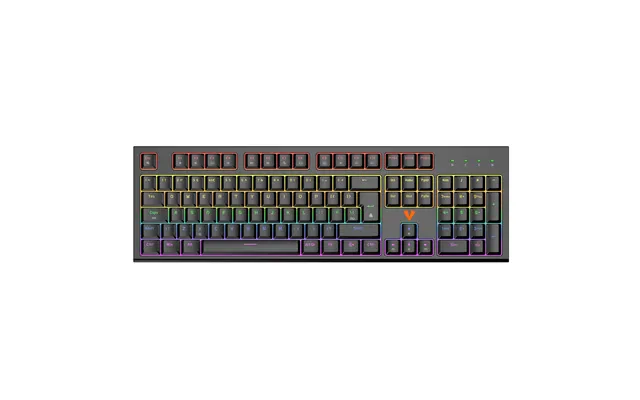
| Vida Magna Magnetic Usb Rgb Keyboard Gaming Qwerty Uk English Black | £ 46,70 | |
| Vida Magna Magnetic Usb Rgb Keyboard Gaming Qwerty Uk English Black | £ 52,88 |

