All categories
Business & Offices
Electronics & Media
Fashion & Accessories
Groceries & Essentials
Health & Personal Care
Home & Living
Kids & Family
Sports & Outdoors
Search in ZoneOffer

Loading...
Ever watched your suitcase roll onto the carousel looking a little… worse for wear? It happens. Zips strain, hardshells flex, and soft cases puff out after a full packing session. That’s where luggage straps swoop in like a seatbelt for your suitcase—keeping everything snug, secure, and easier to spot. Whether you’re flying across the Atlantic or hopping on a weekend train, a good strap can save the day by preventing accidental openings, adding a layer of protection, and making your bag instantly recognizable in a sea of black cases.
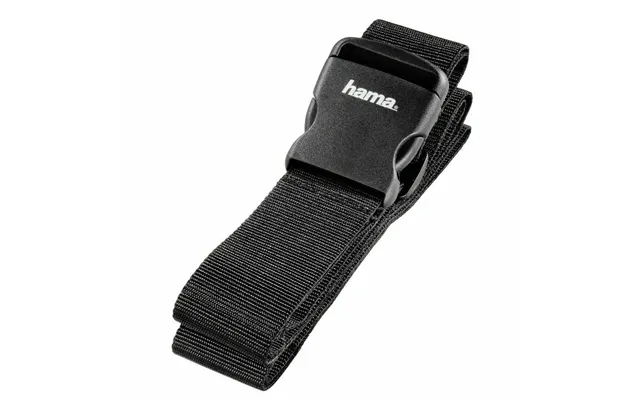
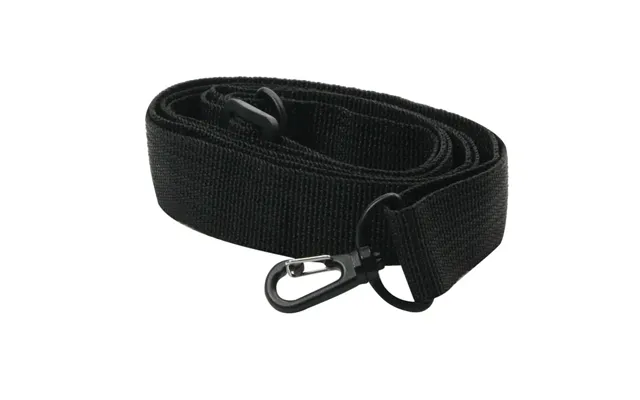
These are the workhorses—simple, strong, and adjustable to fit most suitcase sizes. You wrap the strap around the case, click the buckle, pull the adjuster, and you’re good to go. They’re perfect if you want a low-cost safeguard that adds a bit of color and confidence without complicating your travel routine.
Think of cross straps as the “hug” your suitcase deserves. They form an “X” around the bag, securing both width and height, which is especially helpful for overstuffed cases or soft-sided luggage prone to bulging. If your suitcase tends to swell when you add that last-minute pair of shoes, cross straps keep things tightly in check.
Flying to or through the United States? A TSA-approved locking strap can add light security while still allowing security agents to inspect your bag without cutting the strap. These usually come with built-in combination locks and bright designs, giving you both deterrence and quick identification on the carousel.
Elastic straps stretch and flex with your suitcase, which can be handy for oddly shaped loads or expandable zippers. Non-elastic, often polyester or polypropylene, give you a firm, consistent hold. If you want a strap that won’t loosen mid-journey, non-elastic is the safer bet; if you want adaptable comfort, elastic is your friend.
Quick-release buckles are the most common—they’re easy to clip and unclip, even when you’re rushing for a gate. Higher-end versions may use metal clasps or heavy-duty hardware for extra durability. If you’ve ever had a cheap buckle snap at the worst moment, you’ll appreciate a design that feels solid and clicks with confidence.
For reliable hold, look for a strap about 2 inches wide. As for length, adjustable ranges around 40 to 80 inches tend to fit carry-ons, medium check-ins, and large suitcases alike. If you’ve got an oversized case or duffel, make sure the strap can extend long enough to wrap comfortably without maxing out the slider.
Nylon is strong and abrasion-resistant, polyester resists stretching and holds color well, and polypropylene is lightweight and budget-friendly. If you’re a frequent flyer, prioritize durability and colorfastness. If you travel occasionally and want a bargain, polypropylene is often a great value.
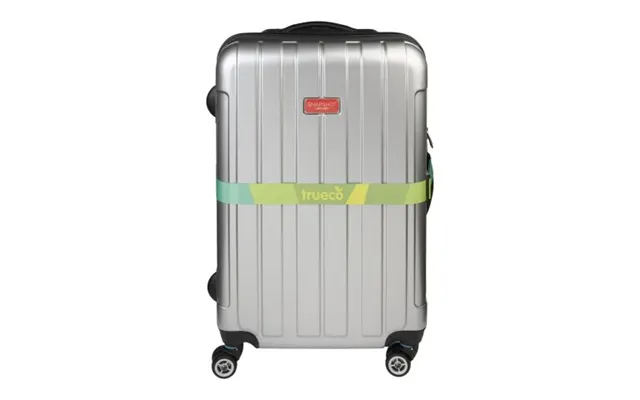
Bright colors and bold patterns do more than look good—they make your suitcase easy to spot from yards away. Some straps include a built-in ID window or let you add monograms. A neon strap on a black bag? That’s the luggage equivalent of wearing a bright jacket in a crowd—you’ll spot it fast.
Suitcases come in all shapes and sizes, but most carry-ons sit around 20 to 22 inches tall, while checked cases range anywhere from 24 to 30 inches or more. A versatile strap with a wide adjustment range will cover all bases, from slim carry-ons to roomy family suitcases. Pro tip: If your bag is expandable, adjust your strap with the bag fully packed—what fits an empty bag might be too tight or too loose once you’ve zipped it up.
For cross straps, check that both the horizontal and vertical bands can adjust independently. You want tension that’s firm without compressing the shell. If you can slip two fingers under the strap without effort, you’ve likely dialed in the right snugness.
Lay your suitcase flat and wrap the strap around the widest section first—usually the middle. Clip the buckle, then tug on the adjuster until the strap feels snug. If you’re using a cross strap, repeat the process around the other axis. Try lifting your suitcase by the handle and gently shaking it; if the strap shifts more than an inch, tighten it up a touch.
Slippage usually happens when the strap isn’t tight enough or the adjuster hardware lacks grip. To avoid it, thread the webbing cleanly through the adjuster, keep it flat (no twists), and finish with a firm pull. If your strap has an elastic keeper loop, tuck the excess webbing underneath so nothing dangles or catches on conveyor belts.
Cross straps shine when your zipper is doing overtime. Fit the vertical band first to control height expansion, then the horizontal band to secure the girth. Make sure both buckles sit on the front panel where you can access them easily. A balanced “X” distributes pressure and keeps your luggage profile neat and tidy.
It depends on your route. If you’re traveling to or within the United States, TSA-approved locks (including locking straps) allow security agents to open and relock your strap without cutting it. If you’re not passing through TSA screenings, a standard strap may be perfectly fine—your goal might be visibility and containment more than lockable security.
Combination locks are convenient—no keys to lose, and most let you set a custom code. Keyed straps are simpler but can be anxiety-inducing if that tiny key goes missing mid-trip. Unless you have a specific reason to choose otherwise, a TSA-approved combination strap is the most travel-friendly option for international flyers.
Let’s be real: baggage belts, loaders, and tight cargo holds put luggage through the wringer. A strap won’t make your suitcase invincible, but it adds a practical safety net. If a zip pops, your strap keeps contents contained. If your bag looks like everyone else’s, a strap makes it stand out. It’s small gear with big payoff in the real world.
Neon green, electric pink, checkerboard, stripes—whatever catches your eye is fair game. The point is visibility. When fifty black suitcases parade onto the carousel, that loud strap is your “I’m over here!” signal. Families can color-code straps for each traveler, turning baggage claim into a simple match-the-color game.
Night arrivals or dimly lit platforms? Reflective webbing or glow-in-the-dark accents are more than cool—they’re practical. They also help if you’re loading gear into a car boot after sunset. A quick flashlight sweep and your bag practically waves back.
You’ll find a healthy mix of established luggage names and specialist travel brands offering straps with solid hardware, bright designs, and TSA-approved options. Look for brands known for durable webbing and reliable buckles—especially if you fly frequently. Many popular suitcase companies also make matching straps, so if you like a cohesive look, that’s an easy win.
Straps play nicely with other travel helpers. Add a sturdy luggage tag so your name isn’t just scribbled on a flimsy paper insert. Pair a strap with a TSA-approved lock for layered security. A compact luggage scale helps you avoid overweight surprises, and packing cubes keep clothes tidy so your case closes without a wrestling match. If you use a tracker, look for a strap with a small pouch or secure loop to attach a tracker holder discreetly.
Budget-friendly straps typically start in the low pounds—great for occasional trips or as a colorful identifier. Mid-range options, including TSA-approved combination straps, often sit around the teens into the low twenties. Premium straps with metal hardware, extra-wide webbing, or branding may cost more, especially if you’re coordinating with a designer suitcase. The sweet spot for most travelers? A well-made adjustable strap with a robust buckle and clear ID window that won’t bust the budget.
After a dusty trip, wipe your strap with a damp cloth and mild soap, then air dry completely before storing. Avoid tossing a wet strap into your suitcase for months—it can hold odors. Store it rolled with the buckle clipped to keep it tidy and ready for the next trip.
Frayed edges, cracked buckles, or slippery adjusters are your cue to upgrade. If the buckle no longer clicks securely or the webbing feels thin in spots, retire it. Straps are inexpensive insurance compared to the cost of replacing lost contents, so don’t stretch a worn one past its prime.
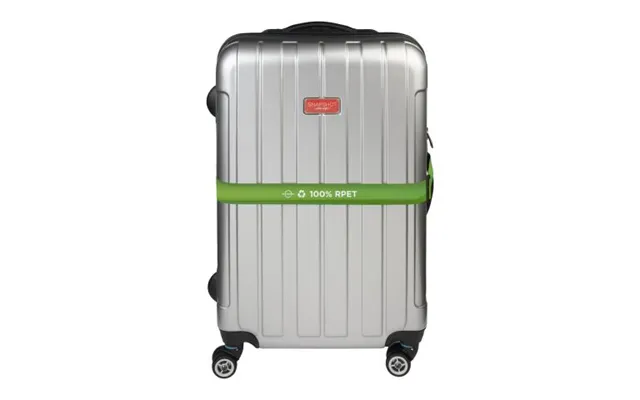
Some brands offer straps made from recycled materials or designed for long-term durability—both smart picks if you care about waste reduction. Choosing a strap that lasts for years is often the most sustainable move you can make.
Color-coded straps are a game-changer for families. Assign each person a color, and you’ve solved the “Which bag is mine?” question in seconds. Bonus tip: keep an extra strap in your carry-on. If a friend or family member’s bag shows up with a broken zip, your spare becomes the hero.
For sleek carry-ons and garment bags, pick a solid, professional color with a built-in ID window. A TSA-approved combination strap adds peace of mind on multi-leg trips. If you regularly gate-check a bag, a strap gives you that extra layer of security when time is tight and handling is brisk.
Bulky duffels and soft-sided gear bags benefit from wider straps and cross configurations. Elastic sections can help tame odd shapes, while bright colors make your gear stand out on busy shuttle buses or baggage carts. If your trip includes rough roads or quick transfers, a tough strap is non-negotiable.
If you’re hunting for the best value, a price comparison platform can be your shortcut to smart shopping. Instead of bouncing between dozens of retailers, compare deals, specs, and styles in one place. You’ll quickly see which straps offer TSA-compliant locks, extra-wide webbing, or standout colors at a price that fits your budget. It’s an easy way to match your needs—security, visibility, durability—with current offers across multiple sellers without the hassle.
Some straps double as “add-a-bag” connectors—letting you piggyback a tote or briefcase onto your suitcase handle. If you’re juggling coffee, passports, and phones, this setup frees a hand and keeps your load balanced.
Packing for a long holiday or carrying fragile souvenirs? Use one strap around the middle and another crosswise. The double hold minimizes stress on zippers and distributes pressure so your case keeps its shape from check-in to carousel.
Slip a small ID card under the strap inside your suitcase lid. If the exterior tag goes missing, a secondary identifier helps reunite you and your bag faster. And if you’re using a strap with an ID window, ensure the insert is waterproof or laminated.
Cranking a strap too tight can distort the suitcase shell or strain the zipper. Aim for “secure but not squeezing.” If you see the case bowing inward or the zipper teeth misaligning, back it off a notch.
Position the buckle on a flat panel, not on a corner, where impacts are more likely. Corners take the brunt of bumps, and a buckle there can get scuffed or snagged.
Tuck the tail end of the strap into a keeper loop or under the webbing. Danglers can snag in machinery or on other bags. A clean, tight setup is not just neat—it’s safer.
If you’re in and out of airports monthly, a durable, quick-release strap is a no-brainer. It reduces worry and speeds up bag identification when you’re operating on autopilot.
Expandable zippers are fantastic until they’re overloaded. A strap provides backup support so you can use that extra space without risking a mid-journey burst.
There’s nothing wrong with a classic black case—until you’re staring at twenty of them on the carousel. A bold strap makes yours stand out instantly, saving time and preventing mix-ups.
Luggage straps won’t pack your bag for you, but they’ll make every part of your journey smoother—from check-in to baggage claim. Choose the type that fits your travel style, focus on durable materials and dependable buckles, and pick a color you can spot from a distance. Add a TSA-approved lock if your itinerary needs it, and keep a spare strap for peace of mind. Small accessory, big upgrade—once you use one, you’ll wonder how you ever traveled without it.
A great luggage strap is like a seatbelt for your suitcase and a high-vis jacket for the carousel—part protection, part identification, and all convenience. Pick the right type (standard, cross, or TSA-approved), go for strong materials and wide webbing, and set it up snugly without over-tightening. Round out your kit with a sturdy tag, a reliable lock, and a simple scale, and you’ve got a setup that makes travel easier, safer, and a lot less stressful. Smart, simple, and surprisingly affordable—that’s the beauty of a well-chosen luggage strap.
| Luggage Straps | Price | |
|---|---|---|
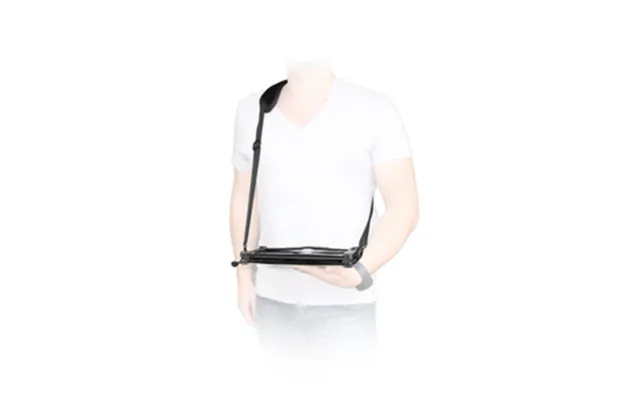
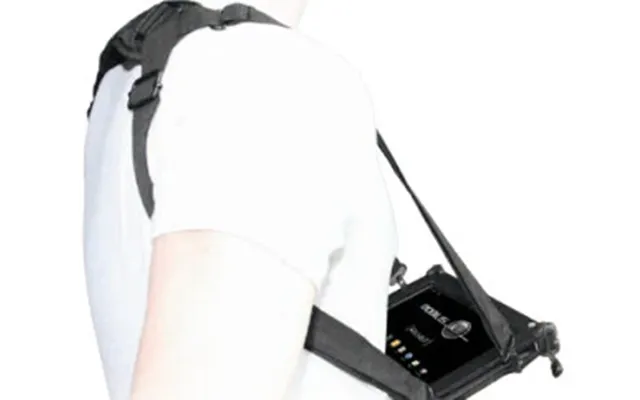
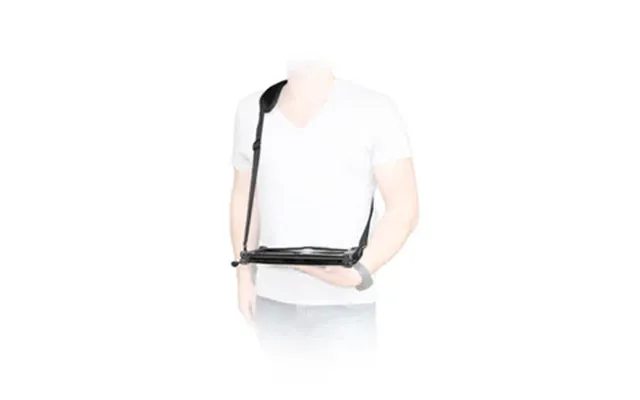
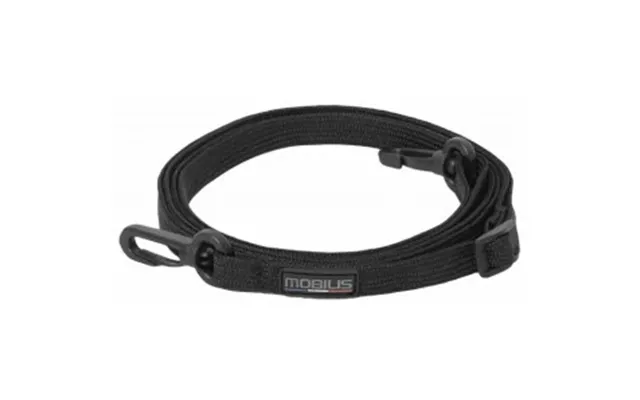
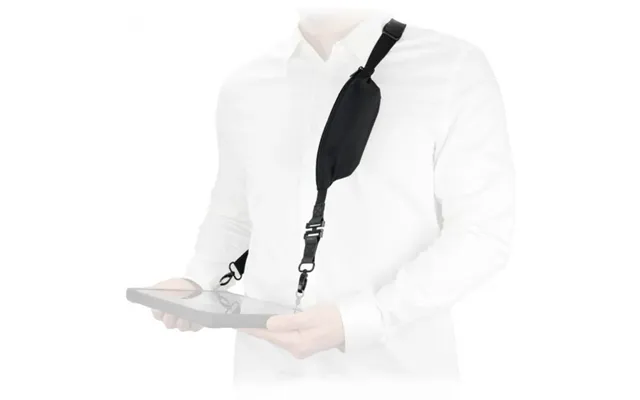
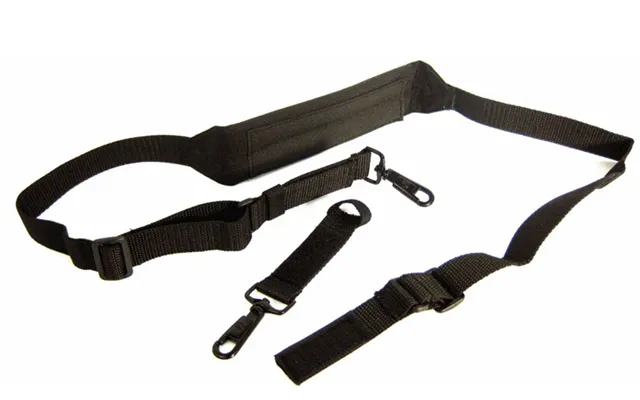
| Mobilis Ergonomic Shoulder . Strap Laptop Black | £ 29,26 | |
| Mobilis Ergonomic Shoulder . Strap Laptop Black | £ 29,26 | |
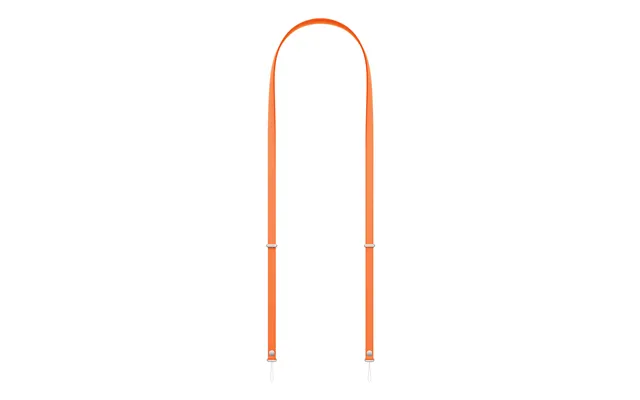
| Apple Crossbody Strap - Orange | £ 65,40 | |
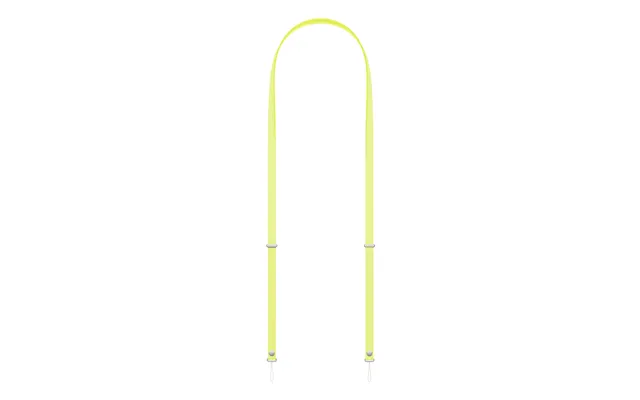
| Apple Crossbody Strap - Neon Yellow | £ 65,40 | |
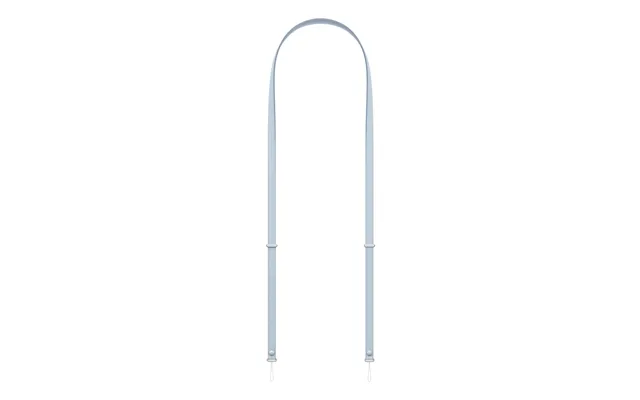
| Apple Crossbody Strap - Light Blue | £ 65,40 | |
| Apple Crossbody Strap - Orange | £ 65,40 | |
| Apple Crossbody Strap - Neon Yellow | £ 65,40 | |
| Apple Crossbody Strap - Light Blue | £ 65,40 | |
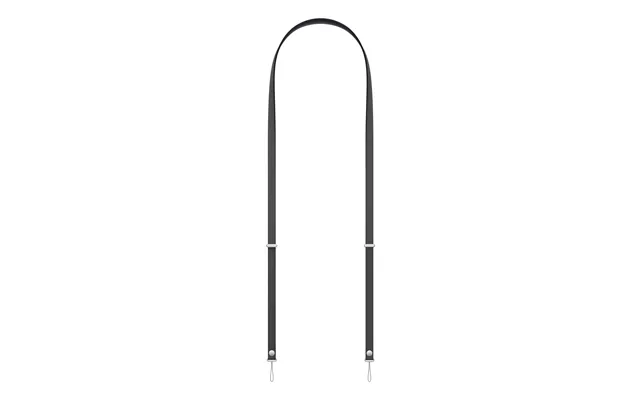
| Apple Crossbody Strap - Black | £ 75,08 | |
| Apple Crossbody Strap - Black | £ 75,08 |