

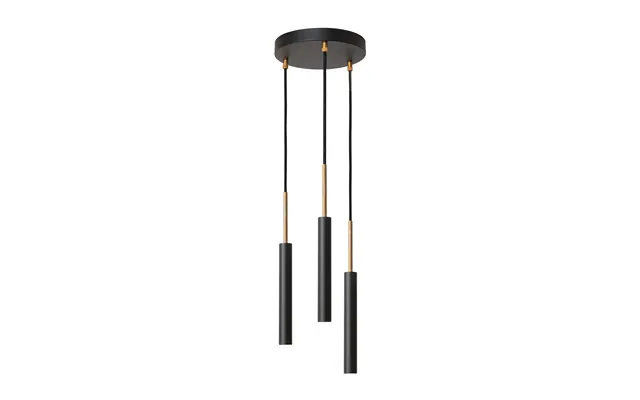
Special Effects Light Stands price list
Last updated Monday, 19 Oct 2026
| Special Effects Light Stands | Price |
|---|---|
| Konsthantverk Stav Pendant 3 Round Ceiling Plate Black Raw Brass | £808.00 |



Loading...
Last updated Monday, 19 Oct 2026
| Special Effects Light Stands | Price |
|---|---|
| Konsthantverk Stav Pendant 3 Round Ceiling Plate Black Raw Brass | £808.00 |
Want your lighting to look pro, feel safe, and set the mood instantly? Special effects light stands are the unsung heroes behind breathtaking parties, weddings, club nights, and small stage shows across the UK. They hold your LED pars, moving heads, lasers, strobes, and projectors exactly where you need them, keep crowds safe, and make your setup look intentional rather than improvised. Without the right stand, your dazzling fixtures are just expensive paperweights. With the right stand, you’ve got a stable canvas to paint with light—clean, controlled, and jaw-dropping. Sound dramatic? Good. Because great lighting should be.
Before you add anything to your cart, get familiar with the major stand types. Each design solves a different problem: height, weight, portability, speed of setup, and aesthetics. Pick the right one and the rest of your rig falls into place.
The classic choice for DJs and party hosts. A tripod stand opens wide for stability and collapses quickly for transport. Typical height ranges from about 6 to 12 ft, with capacities that commonly sit around 40 to 100 lb depending on build quality. These are perfect for LED pars, compact effects, and small moving heads. They shine in living rooms, village halls, and function suites where you need reliable height without hauling a van full of hardware.
Think of a T-bar as a tripod with a horizontal crossbar. The crossbar lets you mount multiple fixtures—par cans, strobes, small lasers—on one stand, keeping your footprint small but your light spread wide. Many T-bars handle 4 to 8 fixtures, and load capacity hinges on the stand’s rating, not just the bar. If you love symmetry and quick setups, T-bars are a sweet spot between minimal kit and maximum coverage.
Heavy fixtures? High ceilings? Save your back. Crank-up stands use a winch system so you can raise 12 to 14 ft of rigged lighting without deadlifting it overhead. Quality crank stands frequently hold in the 150 to 250 lb range (always check the exact spec), making them ideal for bigger moving heads, multiple pars, or compact truss spans. They’re built tough, they look pro, and they’re kinder to your crew.
When you want an “instant stage” look, a goal-post or arch truss system delivers. Two stands support a horizontal truss beam, giving you tons of mounting space and a clean, symmetrical setup. Spans often run 10 to 20 ft, and load ratings vary widely—always verify. Truss rigs are killer for weddings, bands, and corporate shows where neat cable runs and an impressive façade matter. You’ll pay more, carry more, and win more compliments.
Totems (uprights on base plates) create sleek vertical columns that make moving heads look like sculptures. Common heights range from 3 to 8 ft, and you can dress them with white scrims for a classy glow. Want a modern, minimalist vibe without the “tripod look”? Totems nail it—especially near dance floors, DJ booths, and stage edges.
Two stands can look identical but behave very differently under load. The secret is in the details. Here’s how to filter the spec sheet noise and find the best stand for your exact rig and room.
Match your stand height to your venue and fixture type. For most DJs and party hosts, getting pars around 8 to 10 ft high clears heads and hits the dance floor beautifully. In low ceilings, 7 to 8 ft keeps light spread smooth without blinding guests. For larger halls or small stages, 12 to 14 ft gives more dramatic angles and better coverage. Adjustable risers with clear markings make repeat setups faster and more consistent.
Always over-spec your stand. If your bar holds four LED pars at 4 lb each plus a small moving head at 16 lb, you’re at 32 lb. Add clamps and cables and call it 40 lb. Now add a safety margin—at least 25%. That means prefer a stand rated 50 lb or more for that rig. Heavier rigs with dual moving heads, strobes, and bars can hit 100 lb or beyond. Respect the rating, and use safety cables on every fixture.
Steel is sturdy and budget-friendly, but it’s heavier. Aluminum is lighter and more corrosion-resistant, great for mobile work and quick get-ins. If you’re carrying gear up stairs or across car parks, aluminum can be a shoulder-saver. If your rig stays put or you want maximum stiffness per pound, steel remains a champ.
Tripods need room. A wide leg spread boosts stability, but in tight venues it can create trip hazards. Look for stands with rubber feet and consider low-profile base plates if space is tight. In crowded venues, add stand weights or sandbags—10 to 25 lb per leg is a solid starting point—and keep a clear perimeter around each stand.
Collars should feel solid, not spongy. Metal collars with a secondary safety pin are ideal, especially on crank-up stands or high loads. Auto-locking tooth systems add convenience, but don’t skip the backup pin. And repeat after me: always safety-cable your fixtures to the stand, not just the bar.
Good stands get you started. Smart accessories make your rig cleaner, safer, and faster to deploy. They also protect your investment and your audience.
Use properly sized clamps for your stand or truss diameter—commonly around 1.5 to 2 in tubes. O-clamps (wide, non-marring) are great for aluminum; heavy-duty couplers grab steel or truss securely. Rated clamps prevent slippage and reduce stress on your bar.
Safety cables are cheap insurance. Choose load-rated cables—many are rated 60 to 110 lb or higher—and clip them to a solid point on the stand or truss. If anything fails, your fixture stays put. One cable per fixture, every time.
Soft bags protect stands from scratches and make carrying easier. Hard cases are worth it for crank stands or truss segments. Want a clean wedding aesthetic? White scrims over tripods hide legs and cables, transforming utility hardware into décor.
Integrated power strips on the stand simplify distribution. Use quality extension leads, velcro ties, and cable sleeves to keep everything tidy. Route mains and DMX cables separately where possible, and leave enough slack for moving pan/tilt heads.
In busy rooms or outdoor setups, add weight. Sandbags in the 10 to 25 lb range per leg dramatically reduce tipping risk. Some stands accept bolt-on base weights. Rubber feet help on polished floors; spikes (where allowed) help on turf.
No two gigs are alike. Match your stand choice to the vibe, venue, and visual goals of your event. Here’s a quick guide to keep you on target.
Clean lines win. Totems with scrims and compact truss goal-posts frame the DJ or stage beautifully. Keep stands around 8 to 10 ft to avoid glare at dining tables, and use white covers to blend with décor. Quiet fans and subtle cable runs are the difference between “nice” and “wow.”
Speed and reliability matter. T-bar tripods let you mount multiple effects fast in tight booths. If you run moving heads, consider a pair of crank-up stands to get them to 12 to 14 ft without strain. Keep pathways clear and weight those feet—packed dance floors vibrate everything.
Put stands offstage or at the wings to clear performance space. Crank stands support side truss with pars and spots for crisp front light. If ceiling height allows, aim for 12 to 14 ft to avoid harsh shadows and to keep beams above performers’ eyelines.
Wind is the boss. Add extra weight, lower your center of gravity, and avoid fully extending risers in gusty conditions. Guy lines can add stability when anchors are available. Use weather-ready fixtures and covers, and never leave stands unattended outdoors.
For house parties and garden events, compact tripods around 6 to 8 ft are plenty. Battery uplights and a couple of pars on a T-bar go a long way. Use cable ramps indoors and keep stands at least 2 ft from walkways to minimize bumps and snags.
Great rigs feel effortless because they’re planned. A few smart habits turn setup stress into muscle memory and keep your kit—and your guests—safe.
Measure ceiling height in feet, sketch your layout, and list every fixture with its weight. Add up loads per stand, include clamps and bars, and build in at least a 25% safety buffer. Confirm you have enough safety cables, clamps, and sandbags before you arrive.
Start by placing stands and setting leg spread; weight the feet before you add fixtures. Mount your bar or truss at chest height, add fixtures and safety cables, then lift to working height. For crank stands, raise in stages—check cables, recheck clamps, then lock pins. Route power and DMX neatly, test everything, and do a final walk-around to spot trip hazards and wobbly legs.
Keep stands at least 2 ft from guest pathways and use floor tape or cord covers to mark legs. If the dance floor gets wild, add extra weights and consider small stanchions or subtle barriers around critical stands. When in doubt, lower the height rather than risk instability.
Outdoors, treat wind like an opponent you respect. Add 25 lb or more per leg on tall stands, avoid hanging large flat light bars that act like sails, and lower extensions if gusts pick up. If conditions deteriorate, kill the lights, lower the stands, and wait it out.
Separate signal and mains where you can, leave slack for moving heads, and avoid daisy-chaining too many fixtures on one outlet. Label everything. If you’ve ever had to troubleshoot in the dark during a chorus drop, you know why.
Price points vary by materials, capacity, and features. Entry-level tripods can be very affordable, mid-range T-bars and crank stands slot into the sweet spot for serious hobbyists, and pro-grade crank and truss systems cost more but last longer. Whichever bracket you’re in, compare specs first, not just price.
Look for steel tripods with a stable footprint and a capacity of 40 to 60 lb. A bundled T-bar is a bonus. Prioritize safety pins, solid collars, and decent carry bags. These stands are perfect for two to four pars and a compact effect light.
Aluminum tripods or light crank stands live here. Capacity often jumps to 110 to 150 lb, with smoother adjustability and better hardware. If you’re mounting moving heads, this is the bracket to consider. You’ll appreciate the time you save on every load-in.
Heavy-duty crank stands, certified truss, and engineered hardware rule the pro world. Capacities can push 200 to 300 lb per stand with robust safety systems. You’re paying for reliability, stiffness, and compliance with standard safety expectations. It’s the right move when the show cannot fail.
Want extra value? Refurbs and open-box deals can be excellent. Inspect locking collars, pins, winch cables, and threads. If anything looks bent, cracked, or stripped, pass. A bargain isn’t a bargain if it compromises safety.
Special effects light stands often pop up with bundle deals—T-bars, bags, clamps, even scrims. Compare based on height, capacity, weight, included accessories, and warranty. Don’t forget transport weight and folded length if you’re working solo or out of a small car. Using a comparison platform such as ZoneOffer helps you stack features and prices side by side so you can grab a standout deal quickly without guesswork. Remember: it’s a comparison site, not a store, so you can review options across multiple retailers in one place.
Prices reflect more than just metal and bolts. Engineering, safety features, accessories, and aftercare move the needle. Understanding these cost drivers helps you spot true value when you see it.
Aluminum costs more than steel but weighs less, saving time and fatigue. Precision welding, reinforced joints, and thicker tubing add cost—and durability. If your rig travels every weekend, sturdier builds pay off long-term.
Winch systems, auto-lock teeth, and secondary pins increase safety and convenience. Quality hardware (bolts, collars, and hinges) resists wear, reduces play, and keeps your stands solid after countless setups.
Bundled T-bars, carry bags, scrims, and clamps can save you money versus buying separately. Just ensure the included gear meets your actual needs—there’s no point paying extra for a bag you won’t use or a bar you don’t need.
Responsive support and a solid warranty add real-world value. When something wears out, being able to source replacement parts quickly is gold. A slightly higher upfront price can equal lower total cost of ownership if support is strong.
Take care of your stands and they’ll take care of your shows. A little routine attention keeps everything smooth, quiet, and dependable.
Wipe tubes after each gig—dust and grit grind away at collars. A light silicone spray on moving parts helps, but avoid over-lubing where clamps need friction. For crank stands, keep the winch cable clean and check its path for kinks or abrasion.
Use padded bags or dividers to prevent dings. Don’t over-tighten collars during storage; store stands collapsed to a safe length. In vehicles, secure stands so they don’t become missiles under hard braking.
If you spot bent tubes, cracked welds, stripped threads, slipping collars, or frayed winch cables, retire the stand immediately. Hardware is replaceable. People are not. The cost of one failure dwarfs the price of a safe replacement.
Special effects light stands are the backbone of brilliant event lighting—quiet, reliable, and absolutely essential. Whether you’re lighting a wedding, powering a club night, or running a small stage, the right stand unlocks height, safety, and a clean aesthetic. Choose the type that fits your venues, match capacity to your rig with a healthy safety margin, and kit out with smart accessories like clamps, safety cables, and weights. Compare offers carefully, invest in quality where it counts, and maintain your gear. Do that, and your lights will shine brighter, your setups will run smoother, and your audiences will feel the difference the moment the first beat drops.