All categories
Business & Offices
Electronics & Media
Fashion & Accessories
Groceries & Essentials
Health & Personal Care
Home & Living
Kids & Family
Sports & Outdoors
Search in ZoneOffer

Loading...
There’s something timeless about the clack of tiles on a table. Whether you’re sliding dominoes into a perfect chain, lining up Mahjong melds, or drafting a tile to complete a clever pattern in a modern board game, tile games hit that sweet spot between strategy and simple tactile fun. If you’re searching for tile game deals and want to compare your options without the hassle, you’re in the right mindset: look for the classics you love, discover a few modern gems, and weigh features, components, and value before you buy.
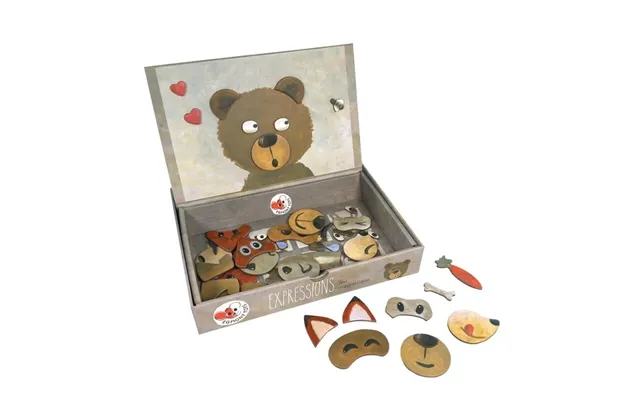
Tile games cover a wide field. Classics include Dominoes and Mahjong—sets with chunky tiles and satisfying table presence. Then there are number‑tile rummy games like Rummikub, which blend rummy rules with tactile tiles. Finally, modern tile‑laying board games (think Azul or Carcassonne) use cardboard or resin tiles to build patterns, maps, and mosaics. Different formats, same appeal: easy to learn, tough to master, and endlessly replayable.
Before you compare prices or hunt down the next bargain, it helps to sort tile games into a few buckets. Each type shines with different groups, tables, and time limits. That way you’re not just chasing the lowest price—you’re pairing the right game with the right players so it hits the table often and earns its keep.
Dominoes is fast, approachable, and scales well from two players up to larger groups. Mahjong sets raise the strategic ceiling with deeper rules and a deluxe feel—tile walls, racks, dice, and chunky tiles you’ll want to shuffle all evening. Both offer great long‑term value because they’re evergreen; learn once, play for decades.
Modern tile‑laying games swap number matching for drafting, area control, and pattern building. Azul turns tile placement into art. Carcassonne lets you grow medieval landscapes. Qwirkle uses shapes and colors to scratch that same matching itch in a new way. Kingdomino, Tsuro, Reef, and others round out a library that can entertain both casual and strategy‑minded players.
Dominoes seems straightforward, but small details make a big difference—especially when you’re eyeing discounts. Focus on tile count, material, tile size, and pip visibility first. Then consider extras like cases and score pads. These are the little upgrades that turn a bargain into a keeper.
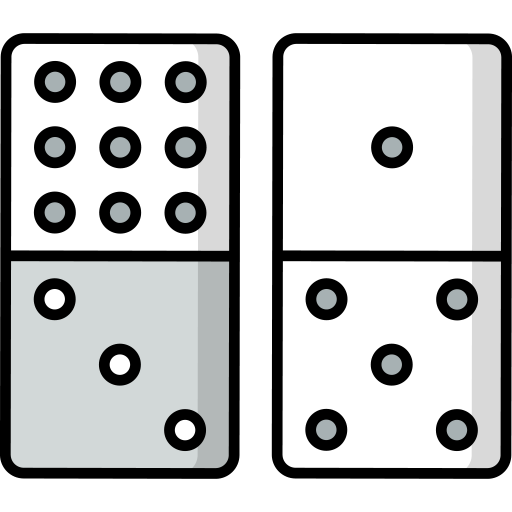
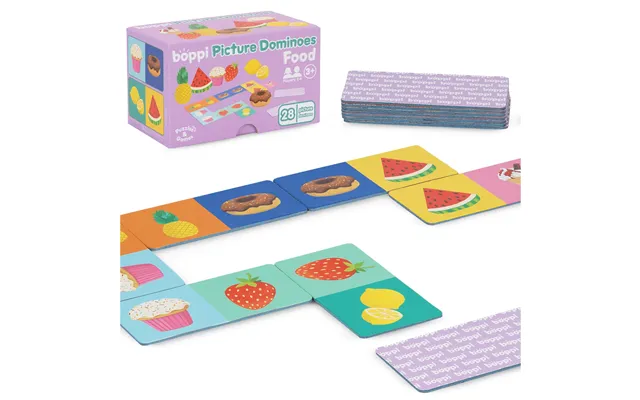
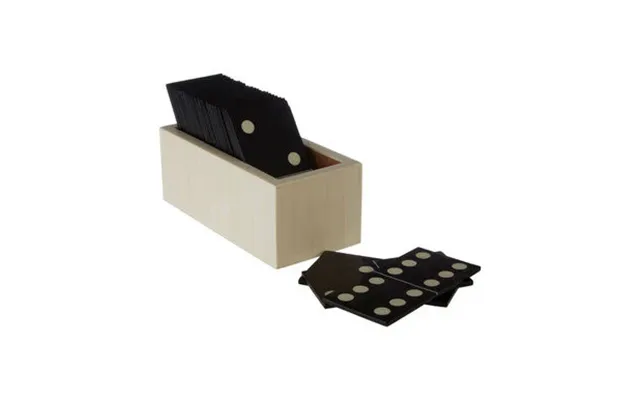
The “double” number tells you the highest tile in the set. A standard double‑six set has 28 tiles, great for two to four players. Double‑nine bumps you to 55 tiles, better for five or six players and variants that need more tiles. Double‑twelve delivers 91 tiles for big groups and long chains. If you play with a larger family, moving from double‑six to double‑nine often feels like a revelation—more options, fewer draws, and bigger plays.
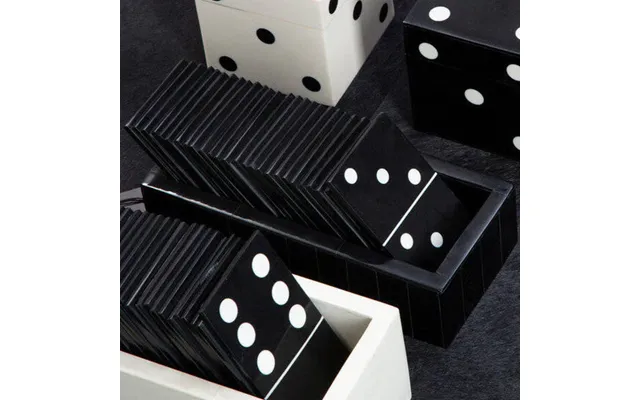
Tile size matters more than you think. Larger dominoes (about 2 in long and 1 in wide) feel sturdier, stand upright for public play, and show pips clearly across a table. Resin or “ivory‑style” plastic tiles tend to be durable and smooth, while wooden sets bring a warm, classic look. Look for high‑contrast pips and beveled edges; both improve readability and make shuffling pleasant. If you plan to play outdoors or on a picnic table, heavier tiles resist bumps and breezes better.
Mahjong brings a luxurious table presence and a rich blend of tactics and tradition. When comparing Mahjong sets, consider tile size, ruleset support, and accessories. Bigger tiles are easier to handle and stack; the right components make setup faster and play smoother. Think of it like choosing a musical instrument—you want a set that invites you to play.
Tile size around 1.2 in tall and 0.6 in thick feels great in hand. Many American‑style sets include racks and pushers for clean walls and smooth draws, plus joker tiles for American rules. Dice, wind indicators, and score cards are small touches that save you time mid‑game. If you’re playing Chinese or Hong Kong rules, you may not need jokers, but you’ll still appreciate clear, crisp engravings and a solid rack length of around 17 in to support full walls without wobble.
Mahjong sets can be hefty, so a sturdy case goes a long way. Aluminum or reinforced cases protect tiles while keeping weight reasonable—aim for a case you can carry comfortably in one hand without strain. Smooth latches and molded inserts prevent tiles from rattling around. If you plan to travel with your set, a compact case with organized trays will save your shoulders and your sanity.
If you love rummy but want a tactile twist, Rummikub and similar number‑tile games are crowd‑pleasers. The gameplay is snappy—build sets and runs, reorganize the table, and race to empty your rack. It’s ideal for mixed ages because you can teach it in minutes and scale difficulty with house rules.
Most sets support two to four players out of the box, with expansions or extra sets letting you go bigger. Look for racks with clear stands so you can see your tiles without revealing them. Larger tiles (about 1.6 in tall) help kids and grandparents alike. Some editions include joker tiles with high‑contrast designs to stand out instantly—handy when your table gets busy.
Compact versions use smaller tiles and foldable racks that slip into a tight case. If you’re buying for travel, check the case length—around 8 to 10 in fits easily in a backpack side pocket. Magnetic racks are a game‑changer on trains and planes where bumps happen. For beach trips or patios, pick sets with textured tiles that won’t get slippery.
Tile‑laying board games transform a table into a collaborative canvas. You’re drafting, planning, puzzling, and sometimes blocking opponents with a perfectly placed tile. The best part? Turns are brisk, downtime is low, and you get that “just one more round” feeling that keeps a game night rolling.
Azul shines as an elegant pattern‑builder with gorgeous resin tiles—easy to learn and lovely on the table. Carcassonne is the gold standard for map‑building, with square tiles about 2 in per side and expansions that add everything from inns to cathedrals. Kingdomino serves up lightning‑fast drafting with domino‑style tiles, perfect for families. Qwirkle blends shapes and colors for a flexible, satisfying set‑building challenge. Tsuro uses path tiles to keep your dragon on the board longer than your opponents—simple rules, clever outcomes.
When comparing prices, factor in expansions and storage. A Carcassonne base box delivers tons of play, but adding one or two expansions can change the feel instantly. Azul and Qwirkle have variants and sequels that keep the core idea fresh. Consider storage inserts that hold tiles upright—setup drops from minutes to seconds, and your tiles stay pristine between plays.
Tile games don’t just entertain; they teach without feeling like homework. You’ll see mental arithmetic in domino scoring, spatial planning in tile‑laying puzzles, and pattern recognition in number‑tile rummy. Kids build confidence as they spot plays faster; adults appreciate the calm focus and social banter that naturally happens around the table.
Expect boosts in counting, probability sense, planning, and flexible thinking. Mahjong adds memory and risk assessment. Carcassonne nudges you to think in terms of long‑term value, not just immediate points. Azul rewards timing and efficiency. These are the kinds of skills that sneak into everyday life—budgeting, planning routes, or even packing a suitcase like a Tetris pro.
Finding the best price is great; finding the best value is better. Comparison platforms like ZoneOffer help you scan multiple retailers quickly, but you still want to know what makes one listing better than another. A few checkpoints will save you from buyer’s remorse.
Two listings might look identical until you glance at components. For dominoes, confirm tile count and tile size. For Mahjong, check if racks, pushers, jokers, and a wind indicator are included. For modern board games, see whether the version is a base game or includes expansions and promos. A slightly higher price that includes the right accessories often beats a cheaper bare‑bones box.
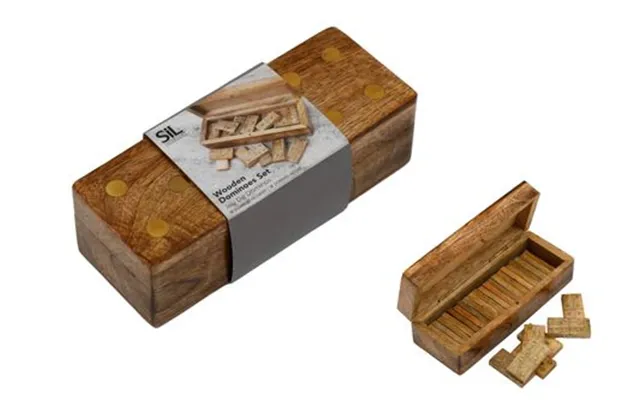
Focus on durability and readability. Are the pips on dominoes high‑contrast? Do Mahjong tiles have deep engravings that won’t fade? Are Azul tiles vibrant and scratch‑resistant? For Carcassonne, does the edition use thicker tiles? Reviews that mention tile thickness in inches, box insert quality, and case durability tell you more than star ratings ever will.
Picking the right tile game is like choosing the right playlist—match the vibe, and you’ll have a great night. Think about player count, attention span, and how competitive your group likes to get. Some games thrive at two; others don’t sing without four. Your perfect match is the one that gets played often.
For families with mixed ages, Rummikub or Kingdomino keeps everyone engaged and laughing. For date night, Azul or Tsuro is breezy and beautiful at two. For tactical gamers, Carcassonne with a choice expansion or a full Mahjong session brings depth. For parties, large domino sets or Qwirkle handle bigger groups without bogging down. If table space is tight, choose compact editions with tiles around 1.5 to 2 in and smaller boards.
Great tiles should feel good for years. Treat them well and they’ll outlast trendier toys by a mile. A little care goes a long way—think clean hands, smooth surfaces, and storage that prevents dings. You don’t need museum‑grade conditions, just small habits that keep everything crisp.
Domino racks aren’t just for show—they improve visibility and prevent accidental bumps. Mahjong benefits from tile trays and racks that keep walls neat. For games like Carcassonne, a simple organizer holds stacks of 2 in tiles upright so setup is lightning fast. If your set lives on a shelf, a latching case protects corners and edges, and a small desiccant pack helps keep moisture at bay.
Short on space? Tile games thrive in small footprints. Travel sets condense huge fun into compact cases, and magnetic tiles make bumpy rides playable. If you take games to cafes, parks, or flights, portability is worth paying attention to when you compare options.
Look for mini dominoes around 1.25 in long that still have high‑contrast pips. Magnetic travel Mahjong exists, though it’s niche; most travelers opt for number‑tile rummy with smaller racks. Tsuro and Kingdomino pack flat and set up in seconds. A slim case around 8 to 10 in wide slides into most backpacks without hogging space from snacks and water bottles.
It’s easy to get dazzled by photos and forget the fine print. Avoid these common pitfalls and you’ll get what you really wanted on the first try. Less returning, more playing—that’s the goal.
Always confirm tile size in inches, not just “large” or “standard.” For Mahjong, make sure the rule set (American vs Chinese) matches your group, and that jokers and racks are included if you need them. For Carcassonne, check edition compatibility so expansions fit your base game. And watch for color‑blind‑friendly designs in color‑matching games; high‑contrast symbol sets help everyone play comfortably.
You don’t need to spend a fortune to start a great tile game collection. A well‑made double‑nine domino set, a solid number‑tile rummy, and one modern tile‑layer like Azul or Kingdomino cover loads of situations. Over time, upgrade where you feel it most—bigger domino tiles, sturdier Mahjong cases, or a storage insert that cuts setup to near zero.
Premium tiles earn their keep when you play often. Heavier dominoes with beveled edges shuffle like a dream. Mahjong tiles with deeper engravings hold their look for years. Deluxe Azul editions with thicker tiles and trays keep the table tidy. If you can feel the difference every turn, that’s value you’ll appreciate long after the receipt fades.
A great rule of thumb for tile games: teach by doing. Deal a mock hand, place a few tiles, and ask the new player what they’d try next. Tile games are visual and tactile—lean into that. Your teach time shrinks, and players get that “aha” moment in under five minutes.
For Rummikub, allow one “free” table reorganization for new players. For dominoes, start with straight matching before introducing more advanced variants. For Carcassonne, play open hands for a round so everyone sees how farms, roads, and cities score. These tiny tweaks turn first games into instant wins.
Tile games often last for decades, which already makes them a low‑waste pick. If sustainability matters to you, shop for sturdy materials that won’t need replacing and cases that won’t tear in a month. Durability is the eco‑friendliest feature—you buy once and keep playing.
Resin tiles resist chips and clean up with a damp cloth. Wood brings charm but may need more care to avoid swelling—keep it dry and stored away from direct sun. Cardboard tiles in modern games vary; thicker stock resists warping, and linen finishes add scuff resistance. If a listing mentions tile thickness and finish, that’s a good sign you’re looking at a carefully made product.
Tile games bring people together with a satisfying mix of touch, tactics, and table talk. From the universal appeal of Dominoes and the rich depth of Mahjong to the sleek puzzles of Azul and Carcassonne, there’s a tile game for every night and every group. When you compare offers, prioritize tile count, size, materials, and included accessories so you’re paying for real value, not just a pretty box. With a little savvy—and the help of a comparison site like ZoneOffer to line up options side by side—you’ll find the right set at the right price and enjoy countless evenings of clacking, stacking, and smiling around the table.
| Tile Games | Price | |
|---|---|---|
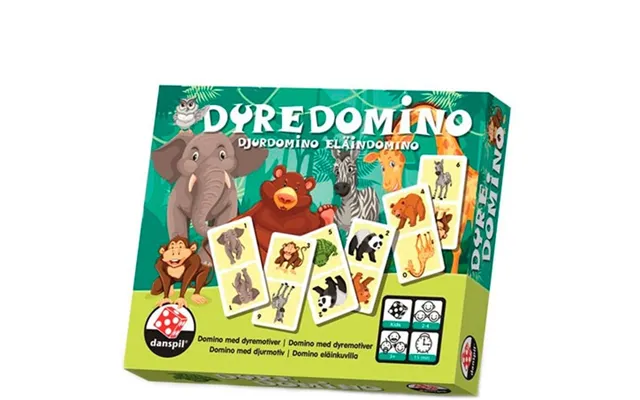
| Dance Game Animal Dominoes | £ 3,49 | |
| Paw Patrol Shuffle Dominoes Matching Game | £ 4,98 | |
| Marvel Spidey & Friends Dominoes Game | £ 5,48 | |
| Disney Winnie The Pooh Shuffle Dominoes Game | £ 5,64 | |
| Mahjongg Ds | £ 10,- | |
| Jewel Match | £ 10,- | |
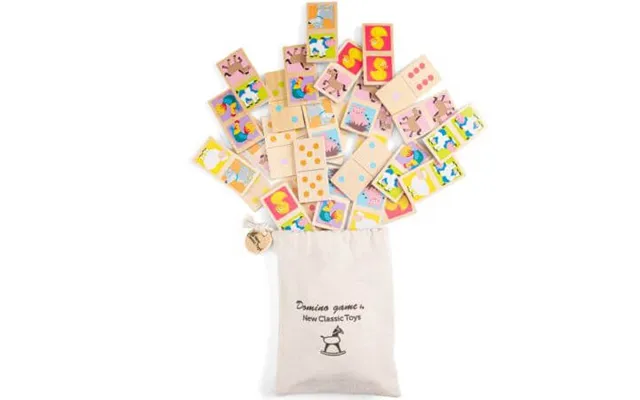
| Game Domino - Animals, 3 Years, New Classic | £ 12,40 |