All categories
Business & Offices
Electronics & Media
Fashion & Accessories
Groceries & Essentials
Health & Personal Care
Home & Living
Kids & Family
Sports & Outdoors
Search in ZoneOffer

Loading...
Ever wondered why some bathrooms just feel effortless to use while others have you hunting for a towel or knocking a soap dish off the wall? The difference often comes down to bathroom accessory mounts. These little heroes secure your towel bars, toilet roll holders, shower caddies, shelves, and more. Get the mounts right, and your space looks cleaner, works better, and stays safe. Get them wrong, and you’ll deal with wobbles, rust, and annoying re-installs. Let’s make sure you choose the best setup for your home.
In simple terms, a bathroom accessory mount is any bracket, plate, adhesive pad, rail, or suction system that attaches an accessory to a wall, tile, door, or glass. Think towel rings, hooks, soap dispensers, corner shelves, and grab bars. Different mounts suit different surfaces and weights. The magic is matching the right mount to the right job, so your accessories stay secure without damaging your walls or tile. Ready to pick the ideal option for your space? Let’s break down the choices.
There are four main mounting approaches you’ll see across popular offers: drill-mounted brackets, adhesive systems, suction cups, and over-the-door or freestanding hybrids. Each type has pros and cons depending on your wall type, how much weight you need to support, and whether you’re willing to drill. No single style wins every time, so it’s worth understanding the trade-offs before you buy.
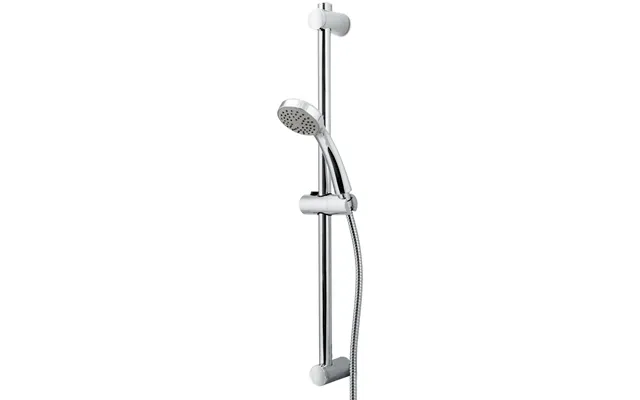
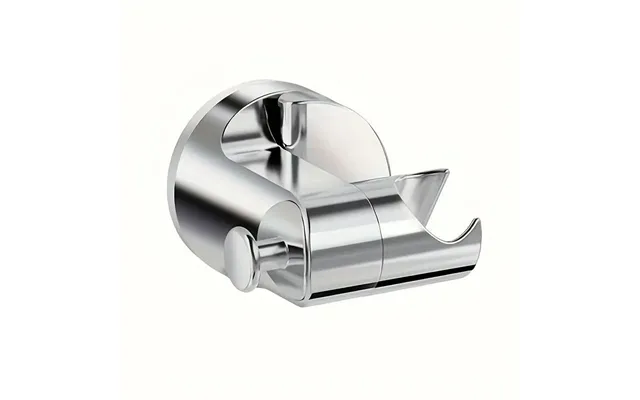
Drill-mounted mounts are the gold standard for strength. They use screws and wall anchors, or they fix directly into studs for maximum hold. If you’re mounting a heavy glass shelf, a double towel bar, or a grab bar, drilling is usually the safest route. Use the right anchors for your surface and choose screws that match the accessory’s hardware. For many bathrooms, a 3/16 in or 1/4 in masonry bit is ideal for tile, while a 1/8 in wood bit handles pilot holes in studs.
Adhesive mounts use high-bond tapes or specialty bathroom adhesives to stick accessories to clean, smooth surfaces. They shine when you want a quick, drill-free install. On glossy tile or glass, adhesive can be surprisingly strong, especially for lighter accessories like soap dishes, small shelves, or toothbrush holders. The catch? Weight limits and prep are crucial. Clean with isopropyl alcohol, avoid grout lines, press firmly for at least 30 seconds, and let adhesives cure—often 24 to 48 hours—before adding weight.
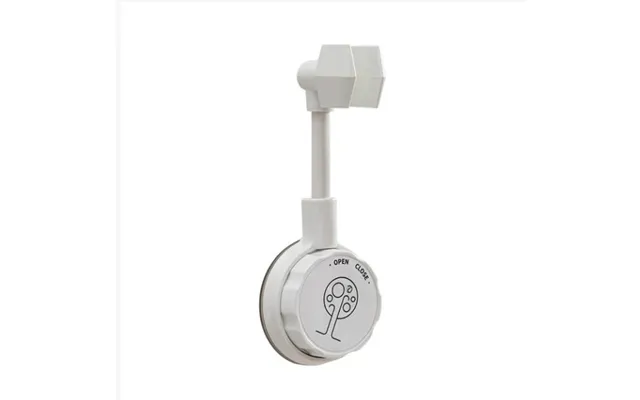
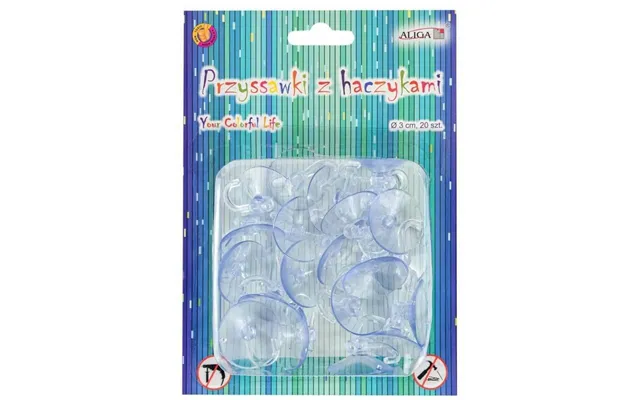
Suction mounts are perfect for renters or anyone wary of drilling. They work best on smooth, non-porous surfaces like glass and polished tile. They’re easy to reposition, and modern vacuum-style cups can hold well when installed properly. Still, suction has limits. Avoid overloading, keep the surface squeaky clean, and re-seat them periodically. For shower caddies and soap trays, suction can be a convenient solution, especially if you want to tweak placement as you go.
Not every mount needs a wall. Over-the-door hooks and caddies slip over a standard bathroom door, giving you storage without tools. Freestanding paper roll stands, towel ladders, and corner towers add capacity without a single screw. These hybrid setups are great for tight spaces and temporary needs. Just check your door clearance—make sure the hook profile is slim enough that the door still closes smoothly and doesn’t rattle when opened.
Durability starts with materials. In a steamy bathroom, rust resistance is key, and brands often signal longevity through material choices. Stainless steel, brass, and aluminum each have strengths, while finishes like chrome and matte black set the tone for your décor. Choosing quality materials up front saves you from flaking finishes and corroded fasteners later.
Stainless steel is a safe bet for mounts and hardware in humid rooms. It resists corrosion, holds up to daily cleaning, and looks sleek in both polished and brushed finishes. For shower areas, stainless hardware is hard to beat. If you’re buying adhesive or suction-based accessories, check that the mounting plates and fasteners are stainless as well—hidden components can corrode first if they’re cheap plated steel.
Solid brass adds weight and quality, especially in premium towel bars and valves. It’s often finished in chrome, nickel, or gold tones. Zinc alloy is common for cost-effective mounts; it’s sturdy enough for lighter accessories. Aluminum is light, naturally corrosion-resistant, and a great choice for caddies or shelves. When comparing products, look closely at the mounting plate: a brass or stainless plate generally feels more solid than thin, mystery-metal alternatives.
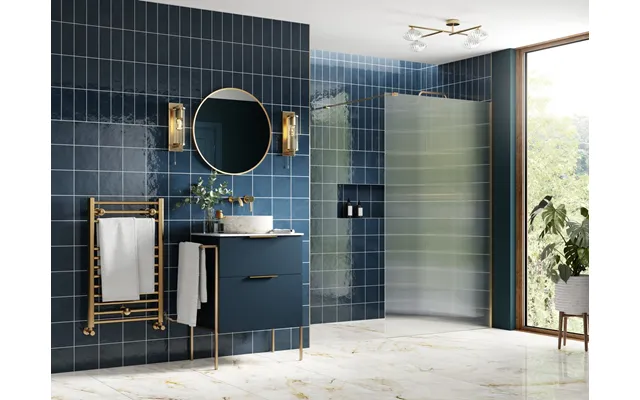
Finish consistency is the secret to a cohesive bathroom. Chrome gives you a timeless, reflective look that pairs with most faucets. Matte black brings modern contrast that hides fingerprints well. Brushed nickel offers a soft, warm tone. Gold or brushed brass can add a luxe pop when used sparingly. Whatever you pick, try to match or intentionally coordinate across towel bars, hooks, dispensers, and shelf brackets.
Some accessories are essential, while others feel like smart upgrades once you add them. Let’s go category by category so you can mix and match confidently. Keep weight ratings and surface type in mind as you plan the layout. A balanced setup prioritizes daily reach, drip control, and safe clearance from doors and cabinets.
For a family bathroom, a 24 in towel bar is a sweet spot for full-size towels; 18 in bars fit narrow wall sections and smaller towels. Rings are great near the sink for hand towels, while hooks make clever use of small gaps behind doors or beside showers. Leave roughly 2 in to 4 in between hooks and 8 in to 12 in above a radiator or heater for airflow. If you’re hanging plush, heavy towels, lean toward drilled mounts for long-term stability.
Toilet roll holders work best mounted 26 in to 30 in off the floor, about 8 in to 12 in in front of the bowl’s nose, so you can reach comfortably. If you prefer not to drill tile, a freestanding spare roll stand keeps backups close without wall work. Adhesive holders can work on smooth tile if weight is modest and you clean the surface meticulously before installation.
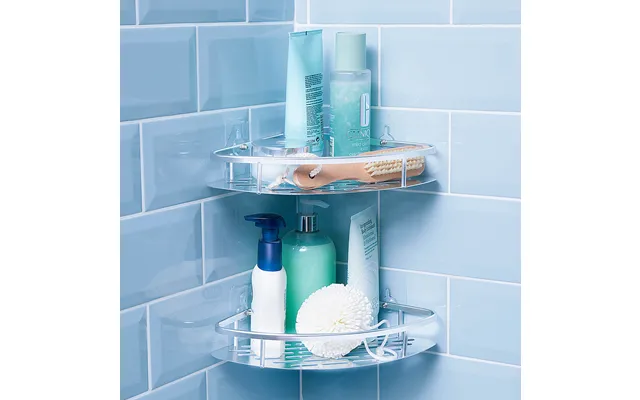
Shower caddies take abuse from steam, soap, and weight. Stainless steel caddies—whether suction-mounted or drilled—resist rust and look tidy. Corner shelves save space and reduce clutter on the floor. If you don’t want to drill tile, consider an adhesive corner shelf rated for wet areas and avoid placing it across grout lines. Keep heavier bottles on lower shelves and don’t exceed the stated weight limit—usually somewhere between 5 lb and 15 lb, depending on the system.
These are prime candidates for adhesive mounts because they’re typically lightweight and live near the sink or shower wall. A wall-mounted dispenser can declutter the counter and reduce spills. For toothbrush holders, look for ventilation slots to help bristles dry and reduce mildew. If kids will tug on these, you may prefer drilled mounts so you’re not re-sticking every few months.
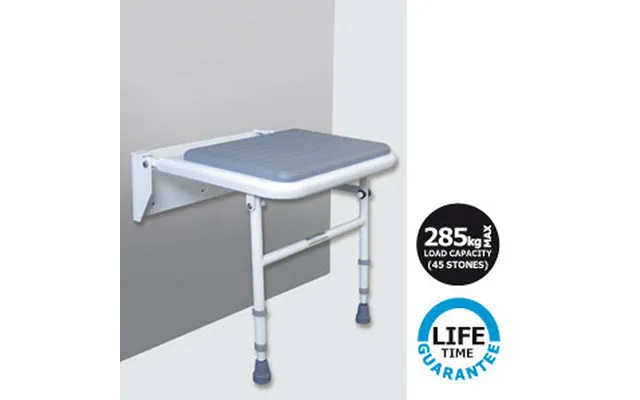
If your mirror includes a shelf or integrated lighting, use anchors suited to the weight and surface. For medicine cabinets, find studs where possible; they get heavy with bottles inside. Grab bars are a safety must for many homes. Install horizontally or diagonally at a comfortable height—common placements are 33 in to 36 in from the floor in showers, with anchors into studs or solid blocking. Avoid suction grab bars for primary support; they’re better as temporary helpers, not fall protection.
Your wall surface dictates your mounting method. Drywall, plasterboard, tile, and brick each play by different rules. If you match the mount to the material, you’ll get a cleaner installation and fewer headaches. If you force the wrong method—like a light-duty adhesive on textured paint—things can get wobbly fast.
Drywall handles lightweight accessories with proper anchors. For towel bars and shelves, try to hit a stud with at least one screw; use toggle or self-drilling anchors for the other bracket if needed. Avoid over-tightening, which can crush drywall. With plasterboard, go slow when drilling pilot holes and use anchors rated for thicker, more brittle material.
Tile demands patience. Use a carbide or diamond bit, keep speed low, and start with masking tape to reduce bit wandering. Don’t drill into grout lines; the bond is weaker. If drilling feels daunting, adhesive or suction options are excellent on glossy tile—just make sure you degrease thoroughly. Avoid textured tile for suction mounts; they need a perfectly smooth surface to hold.
For brick or concrete, use masonry anchors sized to your screws. A 3/16 in to 1/4 in pilot hole is common, but follow the hardware’s guide. Painted surfaces can flake, so scrape away any loose paint before mounting. If you find a wood stud, celebrate—it’s the most reliable anchor for heavy accessories. Pre-drill with a 1/8 in bit to prevent splitting and ensure solid bite.
Mounting is half skills and half patience. Measure twice, drill once, and keep everything level. The best installs feel invisible—no visible set screws, no crooked bars, and no sagging caddies. A little prep makes adhesive mounts last, while careful drilling safeguards your tile.
For most installs, gather a tape measure, pencil, level, masking tape, drill, and appropriate bits—think 1/8 in for pilot holes in wood and up to 1/4 in for masonry. Add a stud finder, isopropyl alcohol for cleaning, microfiber cloths, and a rubber mallet for gentle taps. Keep spare anchors and screws on hand so you’re not stuck mid-install.
For adhesive: mark the spot, clean with alcohol, dry fully, then apply the pad or adhesive per the instructions. Press firmly for 30 seconds to 1 minute, and let it cure the recommended time before adding weight. For drilling: mark your holes, tape the tile if applicable, drill pilot holes, insert anchors, and fasten brackets. Always test fit before final tightening. Finish by hiding set screws under decorative caps for a polished look.
Don’t mount across grout lines; it weakens adhesion and stability. Don’t rush adhesive cure times; overnight is often the minimum. Watch for hidden pipes and cables—avoid drilling directly behind sinks or toilet supply lines. Finally, keep a level handy; even a slight tilt on a towel bar will drive you crazy every day.
Form meets function when your mounts line up with how you actually use the space. Think about drip paths, towel reach, and sightlines from the door. Choose a unifying finish and repeat it across the room to create a designer feel without designer prices. The right layout turns daily routines into muscle memory.
Mount towel bars around 48 in from the floor for adults; drop to 36 in to 42 in if kids are the primary users. Rings near the sink should sit about 18 in from the countertop. Place robe hooks 66 in high so long towels and robes clear the floor. Keep at least 2 in between a towel bar and adjoining walls or cabinets to avoid knuckle-bumps when you hang or grab the towel.
In a compact bathroom, vertical stacking is your friend—use a short bar below a shelf, add hooks behind the door, and choose corner shelves to free up wall space. In larger rooms, symmetry matters. Twin bars on either side of a double vanity, paired hooks behind the door, and balanced shelf heights create harmony. Just because you have space doesn’t mean you need to fill every inch; leave some breathing room.
Mixing finishes can work if you’re deliberate. For instance, matte black anchors the space while brushed nickel faucets keep things soft. Aim for a 70/30 balance, where one finish leads. Keep accessory mounts consistent across similar items to avoid visual noise. If you inherit a mixed setup, unify the mounts first—it’s amazing how cohesive the room feels once the hardware matches.
Prices vary widely based on material, finish, and mounting tech. Premium stainless or brass pieces cost more up front but can save you over time by avoiding replacements. If you like to stretch your budget, using a trusted comparison site helps you scan multiple offers quickly and spot genuine value. A comparison platform like ZoneOffer lets you review deals from different sellers without treating it like a single store, so you can decide where the best offer really is.
Material quality, finish process, and included hardware are big factors. Solid brass with a premium finish typically costs more than zinc alloy or plastic components. Add-on features—like extra-strong adhesive pads or vacuum suction systems—also bump the price. Don’t forget warranty coverage; longer warranties often reflect better underlying materials.
Many brands offer accessory sets with matching mounts: towel bar, ring, paper holder, and hooks in one box. Sets usually cost less than buying separately and guarantee consistent finish and style. If your bathroom needs a full refresh, bundles are an easy win. Just verify the included mounting hardware suits your walls; sometimes you’ll want to upgrade anchors for heavier-duty performance.
Look for mentions of corrosion resistance, salt-spray testing, or extended finish warranties. Even if your bathroom isn’t a steam room, daily humidity adds up. A good warranty signals confidence in the finish and base metal. Keep proof of purchase and note any care instructions that keep the warranty valid, like avoiding harsh cleaners.
A quick maintenance routine keeps mounts looking new and holding tight. It’s not glamorous, but it beats replacing rusty hardware or re-sticking fallen shelves. Consider a monthly check-in while you clean the bathroom, and you’ll stay ahead of problems.
Wipe mounts with a damp microfiber cloth weekly, then dry to prevent water spots. Avoid abrasive pads and harsh chemicals that can dull chrome or scratch matte black. For stubborn limescale near showers, use a mild vinegar solution applied to a cloth, not directly on the mount, and rinse after. Always dry thoroughly—standing moisture accelerates corrosion.
If a drilled mount loosens, remove the cover, snug the set screw, and check the wall anchor. For adhesive mounts that lose grip, remove them gently with dental floss or a plastic scraper, clean the surface with alcohol, and apply a fresh pad. If you see rust on screws, replace them with stainless equivalents to stop stains from creeping onto your tile.
Better mounts can support sustainable choices and inclusive design. Pick durable metals that last, use low-VOC adhesives where possible, and place accessories where everyone in the home can reach them comfortably. A little planning goes a long way toward a kinder, smarter bathroom.
Stainless steel and aluminum are widely recyclable and hold up well over time. If you prefer adhesive systems, look for low-VOC formulations to reduce indoor air impact. Choosing quality once is greener than replacing cheap, flaking hardware. When you do replace items, keep metal parts for recycling and dispose of adhesives according to local guidance.
Thoughtful placement helps everyone. Consider grab bars near showers and toilets around 33 in to 36 in high, with secure, drilled mounts into studs. Keep hand towels around 36 in to 42 in for kids and shorter users. Levers and hooks are easier to grasp than tiny knobs, and wider towel bars make it simpler to drape towels without a precise fold.
If you’ve ever fought a falling suction cup or a crooked towel bar, you know mounts make or break the bathroom experience. Choose the right mounting method for your walls, invest in corrosion-resistant materials, and follow careful installation steps. Plan your layout around how you actually use the room, keep finishes cohesive, and maintain your hardware with quick, regular care. Compare offers across multiple sellers through a reliable comparison platform to stretch your budget. With smart choices today, your bathroom will look sharp, work better, and stay that way for years.
Bathroom accessory mounts aren’t just finishing touches—they’re the framework that keeps your space organized, safe, and stylish. From drill-mounted brackets that handle heavy loads to adhesive and suction solutions for easy upgrades, there’s a mount for every surface and scenario. Focus on sturdy materials like stainless steel or brass, keep your finishes consistent, and follow best practices for installation and maintenance. When you’re ready to buy, use a trusted comparison site to weigh prices and features side by side. Do that, and your bathroom will feel thoughtfully designed, rock-solid, and refreshingly clutter-free.