All categories
Business & Offices
Electronics & Media
Fashion & Accessories
Groceries & Essentials
Health & Personal Care
Home & Living
Kids & Family
Sports & Outdoors
Search in ZoneOffer

Loading...
Picking the right paint is only half the job — the rest comes down to consumables. Think of brushes, tape, sandpaper, and trays as the unsung heroes that decide whether your finish looks amateur or showroom-ready. Using the wrong roller nap, a low-quality brush, or the wrong grit sandpaper can turn a promising weekend project into a frustrating mess. Want smooth walls, crisp lines, and minimal cleanup? It all starts with the right kit.
Not all brushes are created equal. Natural bristle brushes are great for oil-based paints and varnishes, while synthetic nylon or polyester brushes excel with water-based paints. A 2-inch angled sash brush is your go-to for trim and corners, while a 3 to 4-inch flat brush is perfect for broad strokes and cutting in. For the neatest edges, choose a brush with flagged bristles — they hold paint better and lay down a smoother coat.
Rollers make covering large areas fast, but selecting the right nap length matters. For smooth plaster or drywall choose a 3/16-inch to 1/4-inch nap; semi-smooth surfaces do well with 3/8-inch to 1/2-inch; textured walls need 3/4-inch nap or thicker. Standard roller widths are 9 inches and 18 inches; 9-inch is versatile for rooms, while 18-inch handles large commercial jobs. Pair your roller with disposable liners for faster cleanup and less solvent usage.
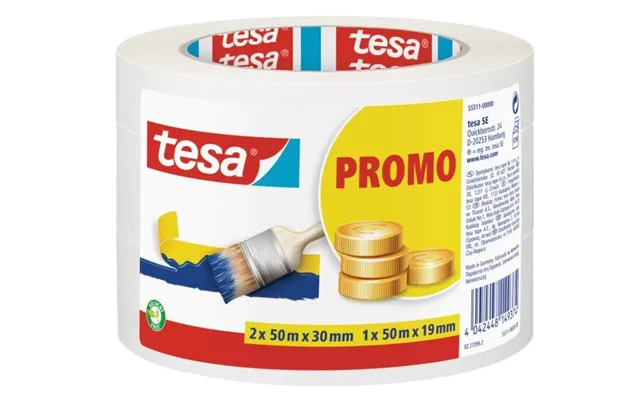
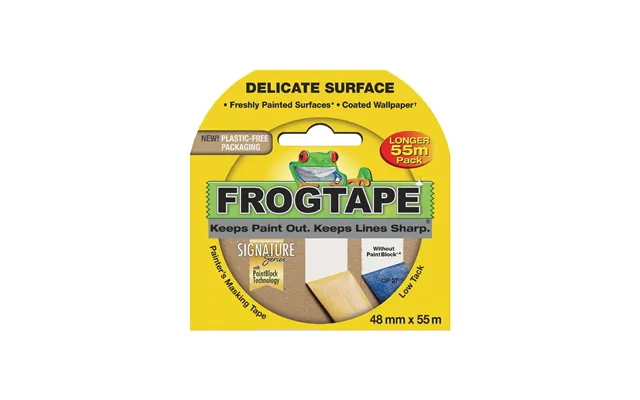
Masking tape and painter’s tape might look similar, but the backing and adhesive strength differ. Painter’s tape is formulated to remove cleanly at varying times without lifting the underlying finish. For delicate surfaces, use a tape designed to remove cleanly after 24 to 72 hours. For rougher trims or outdoor jobs, choose a heavier-duty tape that resists moisture. Always remove tape at a 45-degree angle for the crispest line.
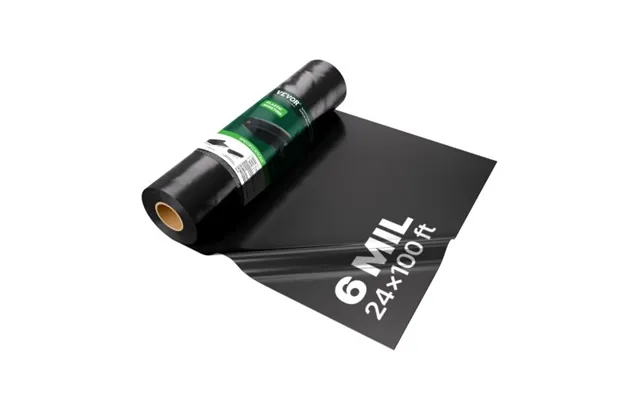
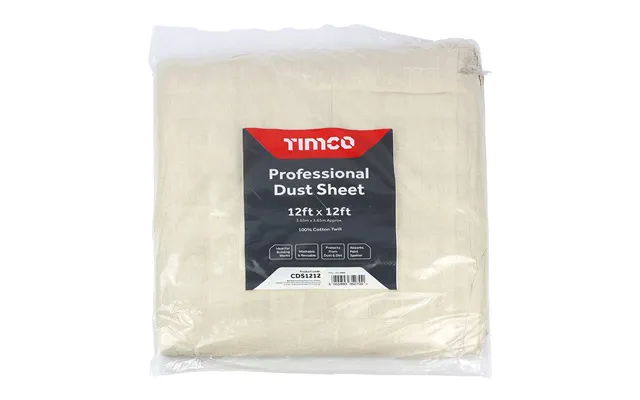
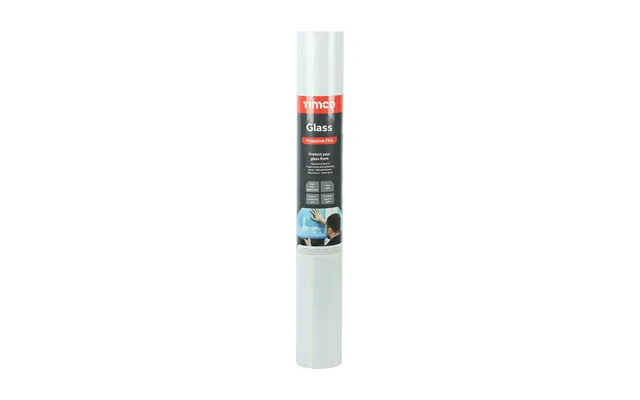
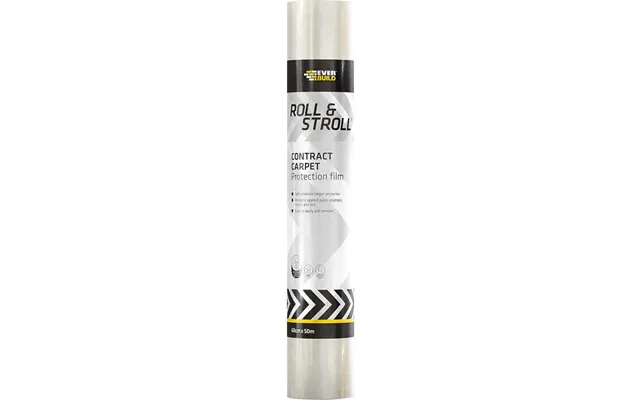
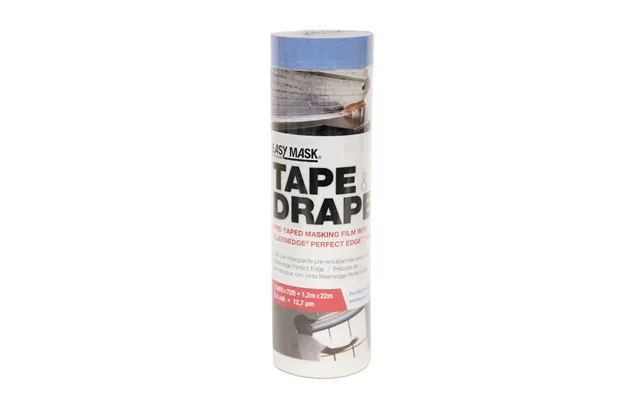
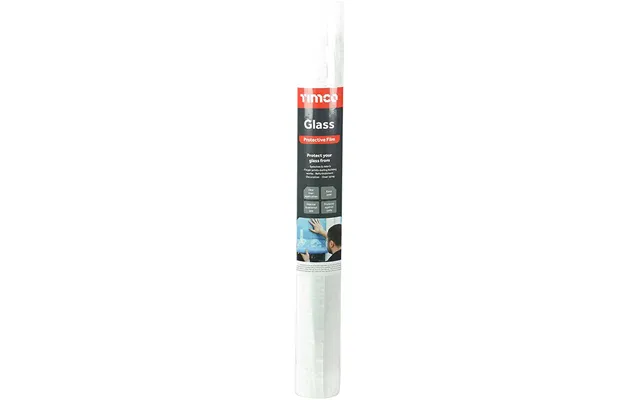
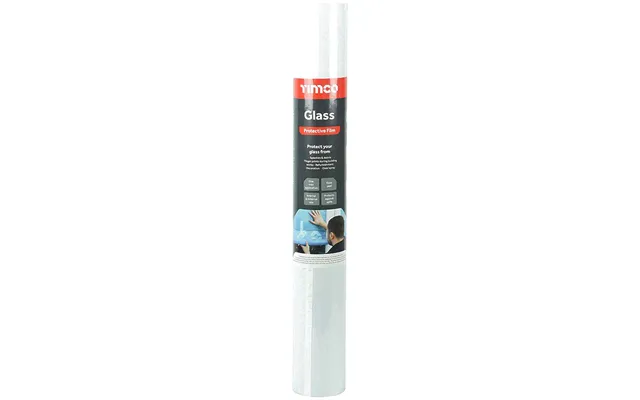
Protecting floors and furniture saves hours of cleanup. Cotton canvas drop cloths are durable and absorb paint splatters well — a 9x12-foot drop cloth covers most living rooms. For quick, cheap coverage, use plastic sheeting in 4- to 10-foot widths that you can tape down. Painter’s protective film with adhesive edges is handy for masking windows and keeping dust off appliances. If you’re working outside, consider weatherproof tarps rated for outdoor use.
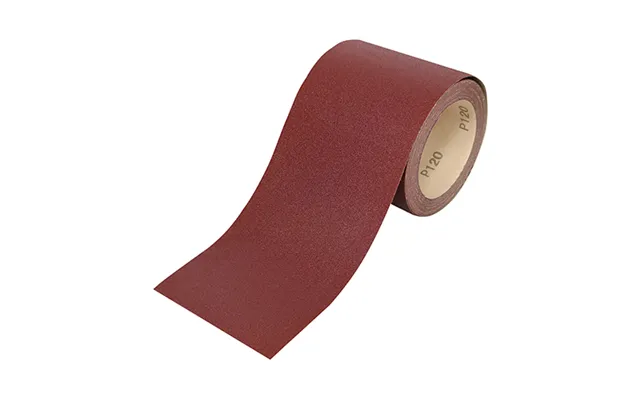
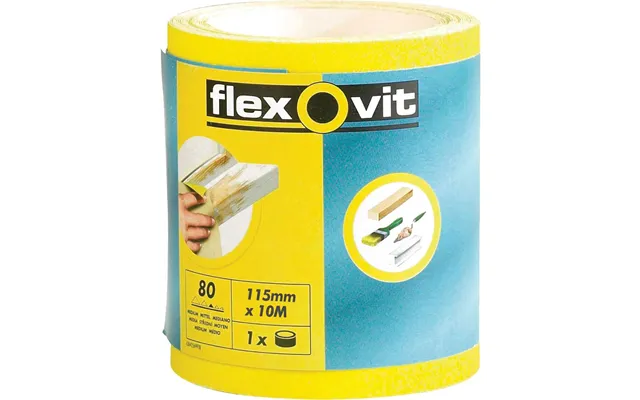
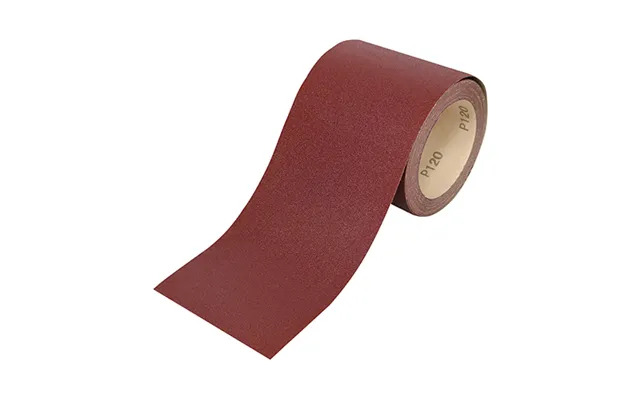
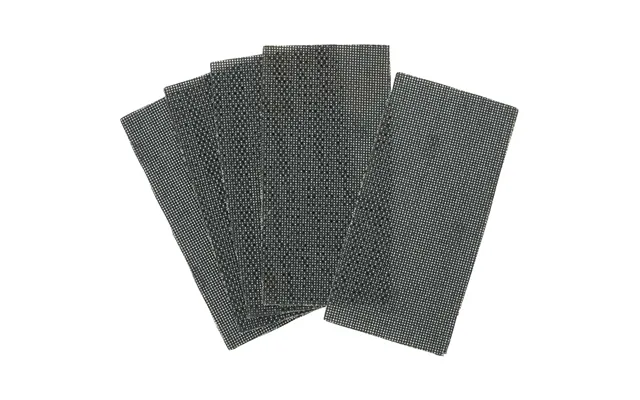
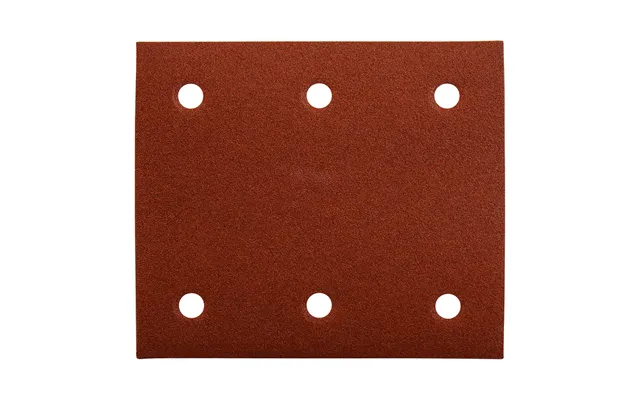
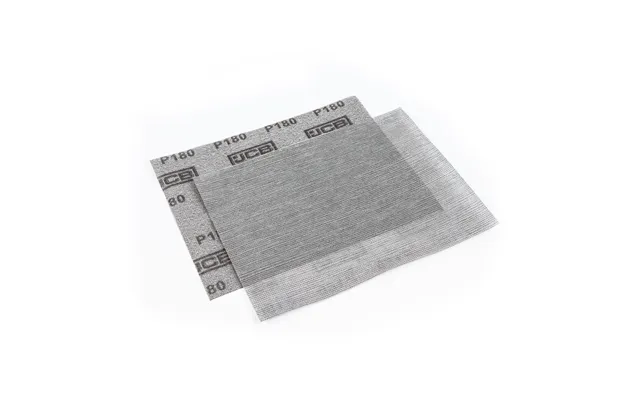
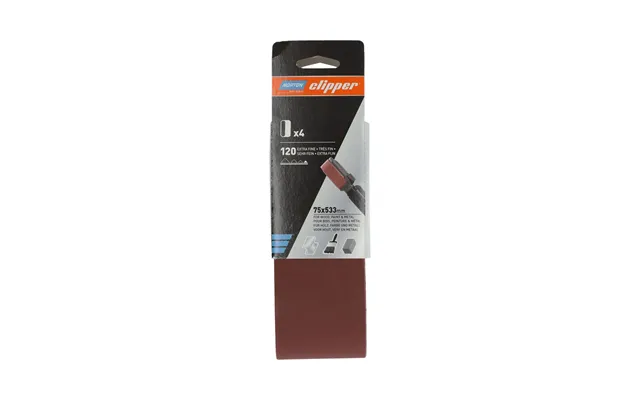
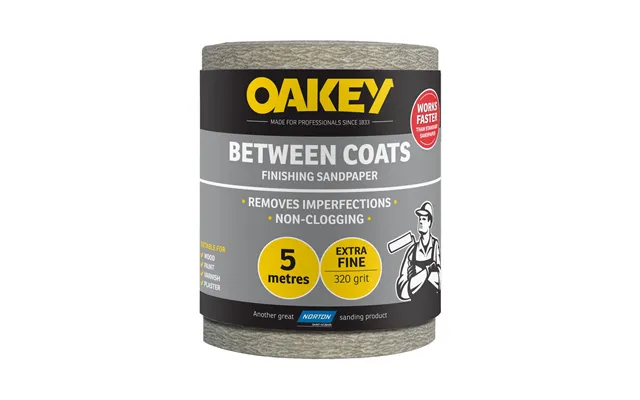
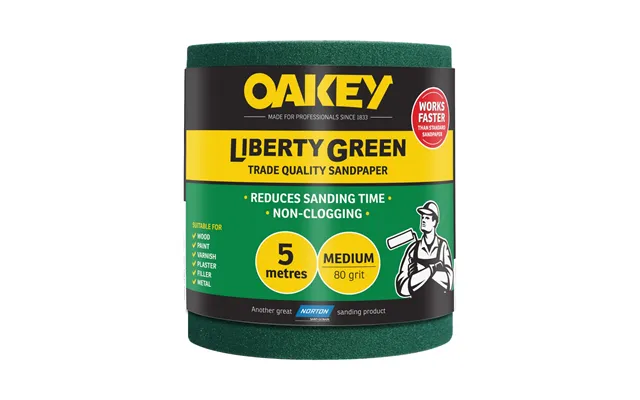
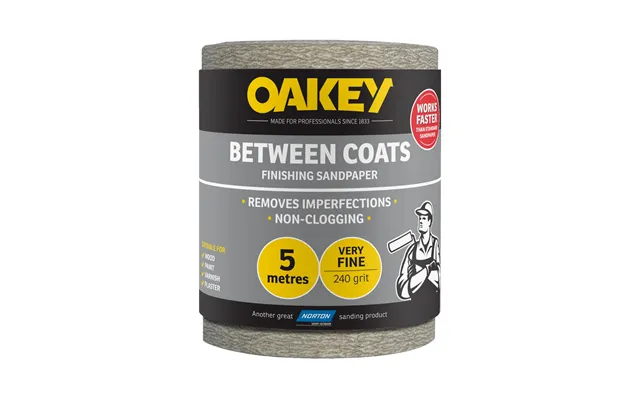
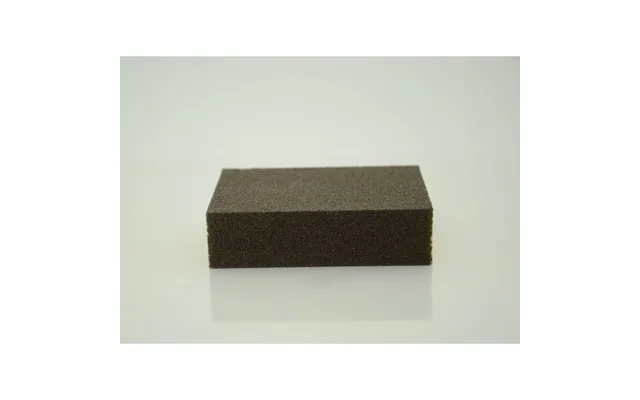
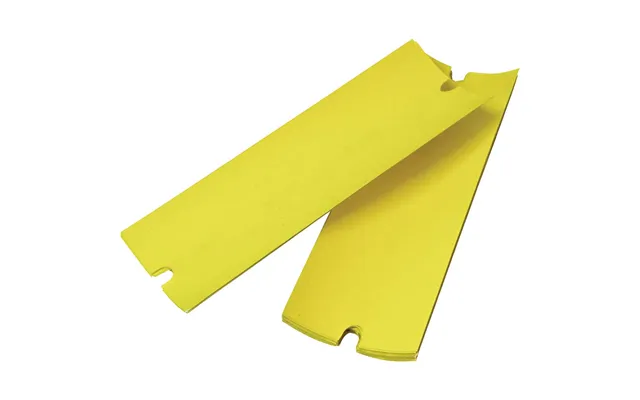
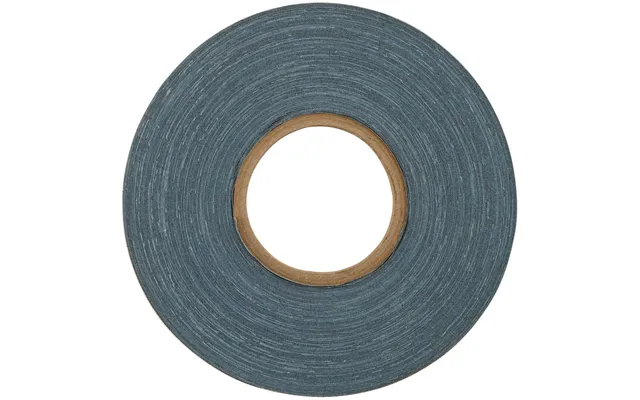
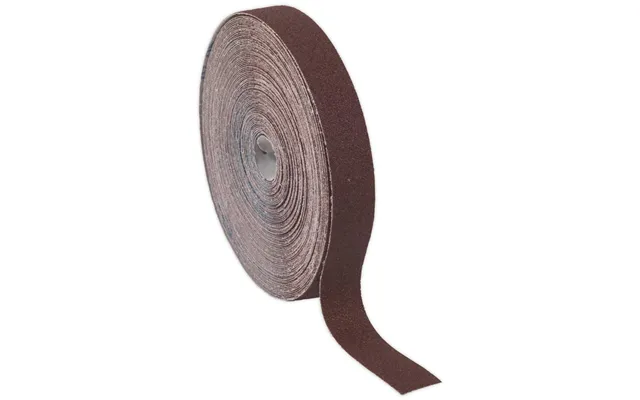
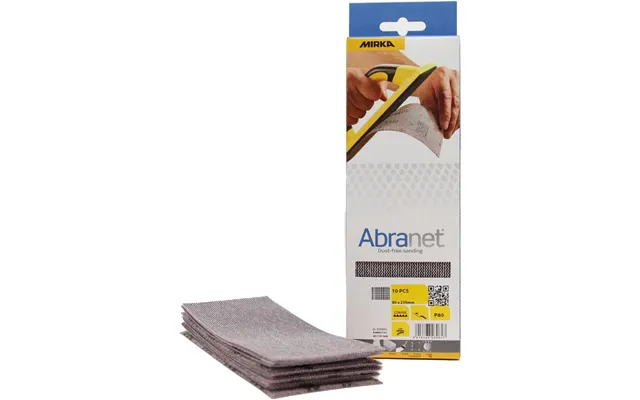
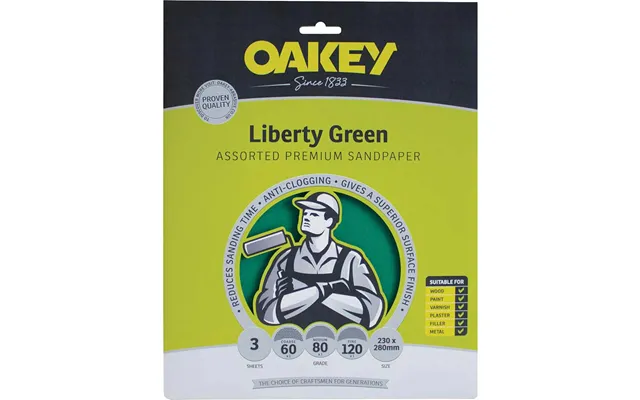
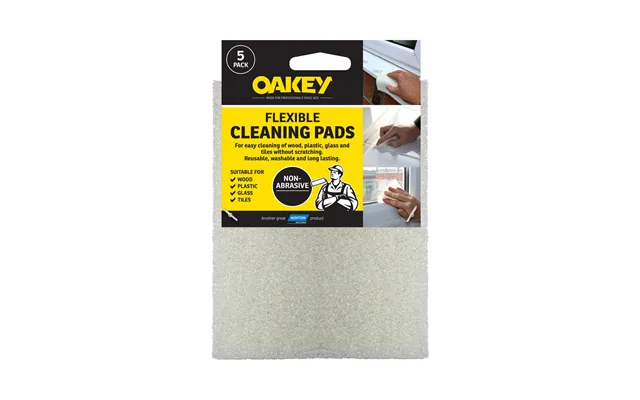
Prepping surfaces properly is the backbone of any long-lasting finish. Sand with progressively finer grits — start with 80 to 120 grit for removing old paint or smoothing rough timber, then move to 150 to 220 grit for final smoothing. Standard sandpaper sheets are roughly 9 by 11 inches, and sanding blocks help keep pressure even. For corners and profiles, flexible sanding sponges are lifesavers.
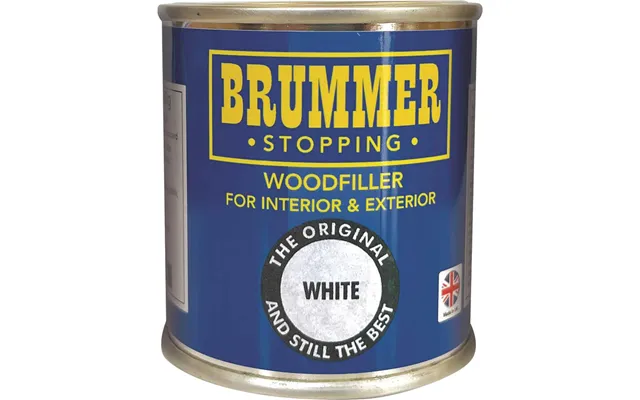
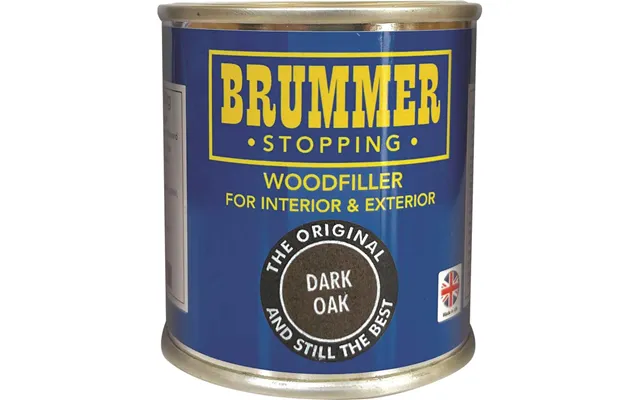
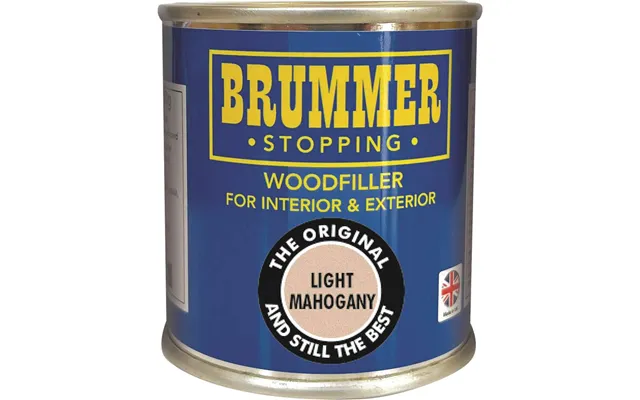
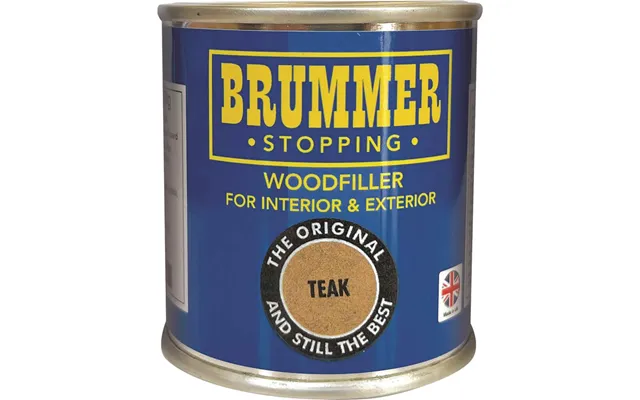
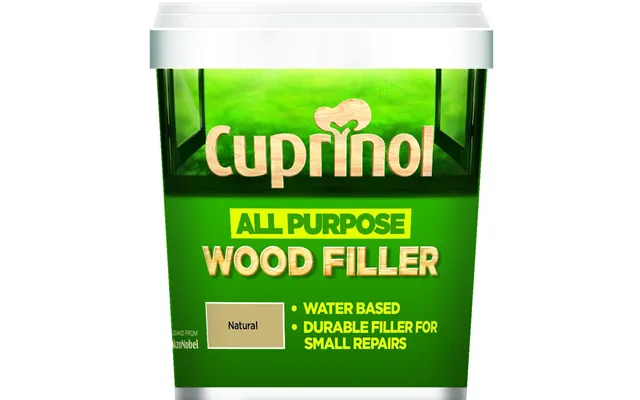
Small holes, nail pops, and gaps around trim need filler. Spackle in tubs often comes in pint or quart-size containers; for deeper gouges, use lightweight filler or wood filler in tubes or 1-pound tubs. Caulk comes in cartridges that hold about 10 ounces, ideal for a standard caulking gun. Choose paintable caulk for trim and a mold-resistant silicone for wet areas like bathrooms. Apply, smooth with a wet finger or tool, and sand when dry for a seamless finish.
Good habits start with the right tray and liner. Disposable tray liners keep cleanup quick and reduce solvent use; they’re especially useful if you’re switching colors. Use a 1-gallon paint tray for most rollers, and keep several plastic liners on hand. Stir sticks are cheap but vital — a 12-inch wooden stir stick mixes paint more evenly than shaking a can. For larger jobs, a mechanical paint mixer or drill-mounted paddle can save hours and ensure consistency.
Extension poles let you paint ceilings and high walls without climbing a ladder constantly. Telescopic poles that reach up to 8 to 12 feet are common and adapt to rollers and brushes. For true overhead work, choose an extension pole with a secure locking mechanism and a threaded end to accept various attachments. Ladders should be sturdy, rated for at least 300 pounds, and positioned on a level surface — consider a platform ladder for painting trim for steadier footing.
Proper cleaning extends the life of your brushes and saves money. For water-based paints, clean brushes with warm soapy water and a brush comb; for oil-based paints, use mineral spirits or paint thinner. Solvents often come in 1-pint or 1-quart containers — buy just enough, as disposal rules can be strict. Always store used solvent in a sealed metal container and take it to hazardous waste facilities per local regulations.
Safety matters. A good disposable respirator rated for paint fumes (NIOSH N95 or P95) keeps airborne particles and some vapors at bay; for strong solvents consider an organic vapor cartridge respirator. Nitrile gloves in sizes small through XL protect hands from stains and solvents. Safety goggles or glasses with side shields are inexpensive and prevent accidental splashes into your eyes. Don’t forget knee pads if you spend a lot of time working close to floors.
Small gadgets add big speed. Painter’s pyramids lift workpieces off the floor so all sides get an even coat without sticking. A smooth-running caulking gun reduces hand fatigue — look for a 10-ounce cartridge-compatible gun with a smooth rod mechanism. For trim and corners, micro-rollers and angled detail brushes make tight spots look professionally done.
If downtime is an issue, quick-dry primers and fast-setting fillers are game-changers. Quick-dry primers can be recoated in as little as 30 minutes to an hour, depending on temperature and humidity. Self-leveling fillers spread thinly and smooth out automatically, saving sanding time; they’re sold in tubes and tubs, typically measured in ounces or pounds. Use these products when you need a fast turnaround without sacrificing finish quality.
Buying cheap for the sake of savings can backfire — a poor-quality brush sheds bristles, a low-grade tape lifts paint, and you end up redoing work. Instead, compare price per use. For brushes, consider cost per job; a $10 brush that lasts 10 projects is cheaper than a $3 brush that sheds after one. For consumables like sandpaper and liners, buying in multi-packs often reduces the per-sheet cost. Read reviews, check product specifications for compatibility with water- or oil-based paints, and, when possible, test a small area first. Comparison shopping for bulk buys can save you money without compromising results.
If you care about indoor air quality, look for low-VOC and water-based options for primers, paints, and solvents. Many modern paint brands offer low-odor formulations that let you re-enter freshly painted rooms after only a few hours. Biodegradable cleaners and solvent alternatives reduce your environmental footprint. When choosing disposable items, consider recyclable or biodegradable options, such as paper-based maskings and plant-based drop cloths, to cut down on plastic waste.
Organization is a time-saver. Keep consumables in clear bins labelled by project type: “trim,” “walls,” “outdoor.” Use shallow drawers for rollers and brushes so bristles don’t get crushed. A wall-mounted pegboard holds extension poles, putty knives, and tape rolls within arm’s reach. For quick access, store frequently used items like 9-inch roller covers, 2-inch angled brushes, and 3/4-inch painter’s tape together. You’ll be amazed how much faster a well-organized kit makes a job feel.
There are often significant savings on consumables if you compare offers across retailers and brands. Look at price per unit — per ounce for fillers, per sheet for sandpaper, per roll for tape — rather than the sticker price alone. Many shops offer multi-buy discounts on roller covers and drop cloths. Seasonal sales, especially in spring and summer, can be the best time to stock up. Remember to check product specs and reviews to avoid cutting costs at the expense of performance.
The most common errors include skimping on surface prep, using the wrong tape, overloading the brush or roller, and poor cleanup. Avoid these by testing a small area first, using the correct nap length on rollers, and always keeping a wet edge while painting to prevent lap marks. Clean brushes thoroughly after use and store them properly — hanging them or storing flat keeps bristles in shape. Proper prep and care pay dividends in a professional-looking result.
Before you start: check that you have the right brushes, roller covers, tape, drop cloths, sandpaper in a range of grits, fillers, caulk, a caulking gun, paint trays and liners, stir sticks, extension pole, ladder, respirator, gloves, and cleaning supplies. Also, confirm you have appropriate lighting and ventilation. A pre-job checklist saves time, reduces mistakes, and keeps the job moving smoothly from start to finish.
Painting was never just about the paint — the right consumables turn a decent job into a great one. From brushes and rollers to sandpaper, tape, and safety gear, each item plays a role in the final finish. Take time to choose the right nap length, tape, and fillers; organize your kit; and invest in a few high-quality essentials. These choices cut rework, speed up projects, and deliver professional results without necessarily breaking the bank. Ready to tackle that next room with confidence? With the right consumables, you’ll be glad you did.

| £ 10,88 |