All categories
Business & Offices
Electronics & Media
Fashion & Accessories
Groceries & Essentials
Health & Personal Care
Home & Living
Kids & Family
Sports & Outdoors
Search in ZoneOffer
Loading...
Weather vanes and roof decor are the jewelry of your roofline—small details that make a big visual impact. A weather vane does more than spin in the breeze. It shows wind direction, adds personality to your property, and quietly signals craftsmanship. Whether you’re restoring a period cottage or adding flair to a modern townhouse, the right roof decor can elevate curb appeal and value in a way a new doormat never could. Think of it as a signature on your home’s silhouette.
At its core, a weather vane is a balanced figure mounted on a vertical rod with a low-friction bearing. The tail has a larger surface area than the pointer, so wind pushes it around until the pointer faces into the wind. Directional letters—N, S, E, W—help you read the wind at a glance. When properly balanced and aligned, the vane turns freely, even in light breezes, and resists wobble in gusts. Simple? Sure. But the execution matters: high-quality bearings, sturdy mounts, and true alignment separate a showpiece from a shaky novelty.
The magic of weather vanes and roof decor is their versatility. From classic roosters to sleek arrows and nautical themes, there’s a design that fits your roofline and your personality. You’ll find options suited to cottages, farmhouses, seaside homes, city terraces, and outbuildings like sheds and gazebos. The trick is matching the style to your architecture and surrounding landscape.
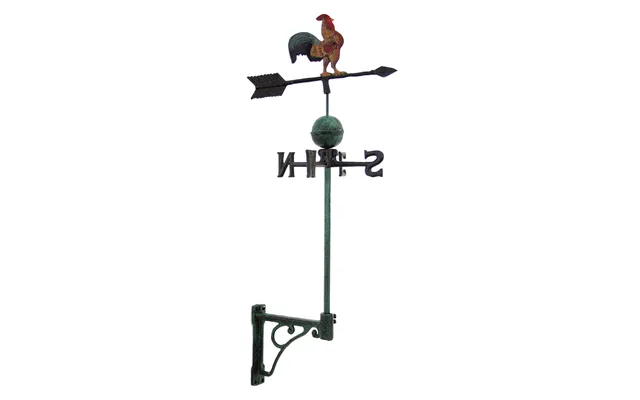
The rooster is the timeless choice—iconic, charming, and instantly recognizable. Arrow vanes, meanwhile, feel slightly more formal and are perfect for Georgian or Victorian-style homes. Choose a hand-formed copper rooster for warm character and a graceful patina over time, or a painted steel arrow if you want sharp contrast against slate or asphalt shingles.
Live near the coast or dream of it? Sailboats, whales, and compasses deliver maritime vibes that look fantastic on cupolas or dormers. Prefer rustic charm? Farm animals, tractors, or even a vintage windmill profile can nod to country living. Themed vanes can be playful—think golfers, cyclists, or even classic cars—without looking kitsch when done in restrained finishes like antique copper.
If your home leans contemporary, you can still enjoy a weather vane without the cottage vibe. Look for simplified arrows, geometric shapes, or clean-line spires in stainless steel or matte black. These designs complement metal roofs, flat roofs with parapets, and modern extensions where less is more.
Weather vanes don’t have to stand alone. Roof decor includes finials, cupolas, and ridge crestings that can frame and elevate your vane. Pairing a vane with the right architectural accent can transform an ordinary roofline into a show-stopping profile visible from the street.
A cupola is a small structure set on the ridge, often vented to improve airflow in lofts or garages. It also provides a perfect, stable base for a weather vane. Even a 24" to 36" cupola can add presence to a modest roof. With or without a vane, a copper or painted wood cupola immediately upgrades the roofline with classic charm.
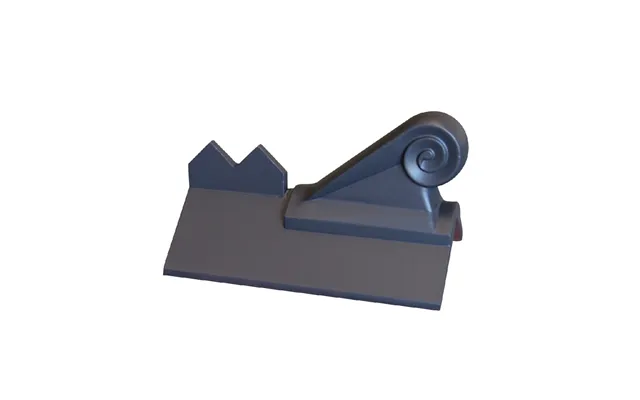
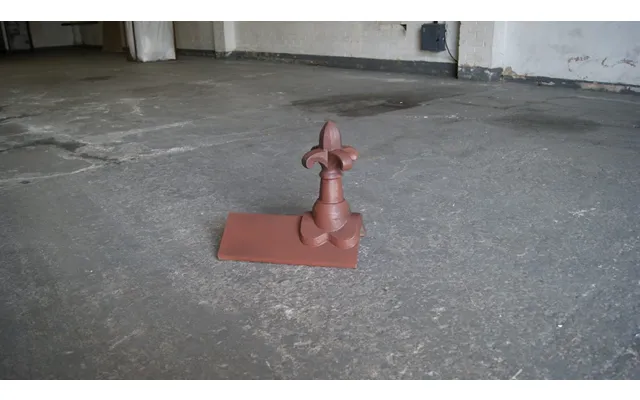
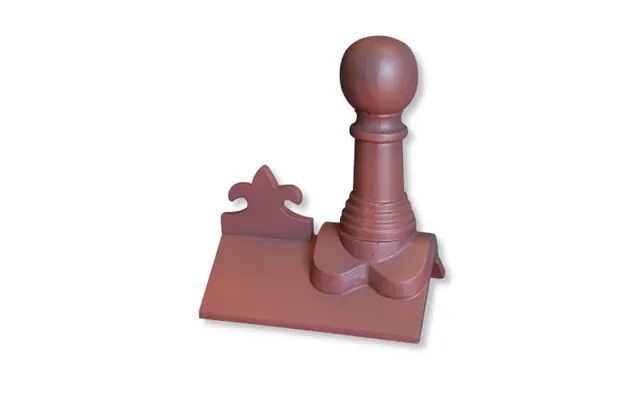
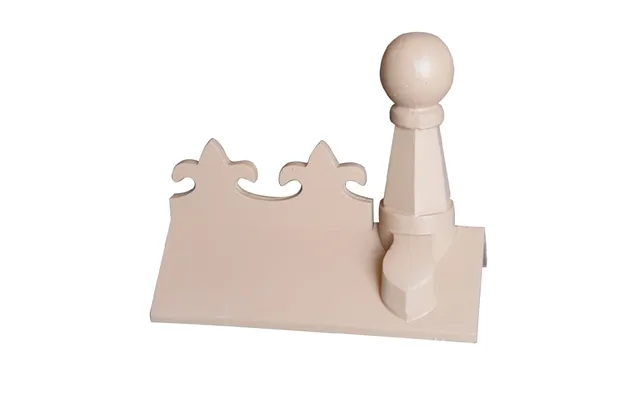
Finials are decorative points mounted on gables or peaks—think tall spires or ornamental balls. Ridge crestings are decorative strips that run along the ridge. Both can complement a weather vane or stand alone on symmetrical roofs. For period homes, a copper or zinc-coated finial echoes traditional craftsmanship without overwhelming the façade.
Material choice affects look, longevity, and maintenance. You’ll see copper, aluminum, stainless steel, powder-coated steel, and even wood. Each brings its own personality and care requirements to the party. The right choice depends on your climate, proximity to the sea, and how much upkeep you’re willing to handle.
Copper is the gold standard for weather vanes and roof decor. It starts bright and warm, then mellows into a rich brown before developing that coveted green patina. Copper resists corrosion, stands up to the elements, and ages gracefully. Expect a copper vane to be an heirloom piece—especially if it’s hand-formed and soldered rather than stamped.
Aluminum offers a light, rust-resistant option at a lower price point. It’s great for sheds, garages, and lightweight cupolas where reducing load matters. Painted aluminum can mimic the look of copper or iron while keeping weight down. Just ensure the paint is UV-stable for long-lasting color.
Stainless steel is strong, modern, and corrosion-resistant—ideal for sleek, minimal designs. Powder-coated steel delivers bold color and crisp edges on themed vanes. If you’re in a coastal area, favor marine-grade stainless or high-quality coatings to combat salty air.
Wood vanes bring artisanal charm and warmth, perfect for rustic settings. Cedar and oak are common. These need sealing and periodic maintenance, but their texture and handcrafted appeal can be irresistible on barns, pergolas, and garden structures.
Getting the scale right is half the battle. A weather vane should feel proportional: noticeable from the street but not cartoonishly large. Consider roof height, pitch, and the distance from the ground. As a quick rule of thumb, many homeowners choose vanes with figures around 18" to 30" long for typical houses, while larger properties might suit 32" to 40".
For a single-story home, a figure around 18" to 24" with a total height (including rod and directionals) around 30" to 42" looks balanced. Two-story homes often look best with figures around 24" to 36". If you’re using a cupola, a common guideline is a base width roughly 1.25" for every foot of unbroken roof ridge; many homes land in the 24" to 36" cupola range. Remember, higher rooflines can handle larger silhouettes without appearing oversized.
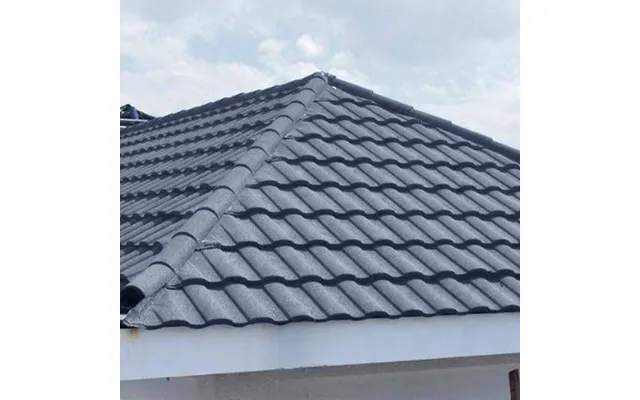
Mounts matter as much as the figure. Ridge mounts straddle the peak and are common for gabled roofs. Eave or wall mounts can place a smaller vane on a pergola, garage façade, or balcony. Cupola mounts typically include an internal brace for stability. Whatever you choose, ensure the mount is compatible with your roofing material—slate, tile, or asphalt—and sealed properly to prevent leaks.
Installing a weather vane isn’t difficult if you plan ahead. The goals: keep it straight, secure, and watertight. Measure twice, seal once, and you’ll be admiring your handiwork from the curb in no time.
Gather a cordless drill, pilot bits, screwdriver bits, adjustable wrench, exterior-grade sealant, stainless or brass screws, a level, and a tape measure. A safety harness and sturdy ladder are musts for roof work. If you’re mounting through a cupola, you may also need a hole saw and interior brace hardware for extra support.
Start by marking your mount points and drilling pilot holes. Use stainless or brass fasteners to reduce corrosion. Before seating the mount, apply a generous bead of exterior-grade sealant under the base and around holes. Align the base square to your ridge, tighten carefully, and check with a level. Insert the rod, install directionals, and align North using a compass or a known landmark. Finally, place the figure, ensure free spin, and tighten set screws without overtightening. Recheck sealant beads and touch up as needed.
A great design is only as good as its spin. Premium vanes use low-friction, weather-resistant bearings and carefully balanced figures. The result? Smooth rotation in a light breeze and stability in wind. Look for specifications that mention sealed bearings, brass bushings, or maintenance-free spindles. If you live in a gusty area, prioritize robust mounts and slightly heavier figures that resist chatter.
Directionals should be rigid and clearly cast or cut for readability from the ground. Brass or copper directionals age beautifully; powder-coated steel offers crisp contrast. Bearings or bushings should be corrosion-resistant and designed for outdoor exposure. If a product calls out “no-oil” or “maintenance-free” bearings, that’s a good sign for long-term performance.
Good news: weather vanes and roof decor are low-maintenance. Most of your effort will be an occasional glance upward to verify everything’s straight, tight, and spinning freely. For copper lovers, decide up front whether you want to preserve shine or invite patina—the answer changes your cleaning routine.
For a bright copper look, clean gently with a non-abrasive copper polish and apply a clear outdoor lacquer or wax protectant. Expect to reapply as the seasons wear on. For painted or powder-coated metals, rinse with mild soapy water and a soft cloth. A yearly check to tighten set screws and refresh sealant around the base goes a long way.
If patina is your goal, do less, not more. Let nature take the lead and avoid coatings that block oxidation. If you see uneven tarnish you don’t love, a light clean can even out the tone without stripping character. Avoid harsh abrasives that could scratch details or remove fine solder lines.
Prices vary widely depending on size, material, and craftsmanship. Budget aluminum vanes for sheds or garages can start at modest prices, while hand-formed copper pieces for primary residences land higher. Custom designs, large figures, or integrated cupolas cost more but can transform your home’s profile. Consider value over time: a durable copper vane can outlast multiple cheaper options and age into a richer patina each season.
Many listings bundle the figure, directionals, rod, and mount, which can be more economical than piecing together parts. Cupola-and-vane kits also simplify installation because the components are designed to fit together. Just confirm what’s included—mount type, hardware, and weatherproofing—before you buy.
Because designs, materials, and prices vary, using a trusted comparison platform helps you scan multiple offers quickly. You can compare styles, read specs side by side, and find competitive prices without bouncing between dozens of sites. When you see a design you love, check total value: materials, size, included hardware, and warranty. Remember, you’re not just buying a figure—you’re investing in the whole package, from bearings to base.
Scan for clear dimensions (figure length, total height, rod diameter), material details (solid copper vs. plated), mount type, bearing or bushing type, and whether directionals are included. Quality photos showing the vane on a roof or cupola make it easier to judge scale. If you live near the sea, look for corrosion-resistant notes. If wind is a concern, seek heavier-gauge materials and reinforced mounts.
Not sure where to start? Match the design to your architecture. Picture your roofline as a stage and the vane as the lead actor. The right casting makes the whole performance sing.
Classic copper rooster or arrow vanes around 24" to 30" long are brilliant on pitched roofs. Pair with a 24" to 30" cupola for symmetry, and let the copper mellow naturally. Finials on gable ends can frame the vane and add period charm without cluttering the roofline.
Nautical designs—sailboats, compasses, whales—fit beautifully on seaside properties. For modern homes, choose minimalist stainless arrows or geometric vanes around 18" to 24" with matte finishes. Consider a low-profile cupola or a clean ridge mount to keep the look streamlined.
Even the best design can disappoint if the basics are off. Oversizing, under-mounting, or misaligning directionals can make a piece look awkward or perform poorly. Thankfully, these fixes are easy when you know what to watch for.
Bigger isn’t always better. A 40" figure can overpower a small semi-detached home, while a 14" figure disappears on a tall two-story. Step back across the street and imagine the silhouette at scale before you commit. When in doubt, measure the visual height from ground to ridge and choose a figure proportionate to that sightline.
If your ridge is uneven, crowded with vents, or set at a tricky angle, a cupola can solve multiple problems. It provides a straight, sturdy mounting surface, improves airflow, and adds height so the vane reads clearly from the street. Without it, even a great vane may look lost or tilted.
Weather vanes and roof decor are small, but they live in harsh conditions. Choose materials and mounts that suit your local climate to avoid premature wear. Consider the environmental upside too: metal pieces, especially copper and stainless, are highly recyclable and built for decades, not just a few seasons.
If you’re in a windy or coastal area, prioritize reinforced mounts, heavier gauge metals, sealed bearings, and corrosion-resistant finishes. Stainless and copper both shine here. Use additional bracing if your roof pitch is steep, and check fasteners annually. A little preventative care keeps the spin smooth and the silhouette straight year after year.
Ready to decide? Start with style—traditional, themed, or modern—then pick a material that suits your climate and your maintenance style. Size the figure to your roof height, and consider a cupola if you want extra presence or need a stable base. Finally, confirm the mount type, bearing quality, and what’s included in the box. Compare a few offers, read the fine print, and you’ll land a piece that looks great and lasts.
Want a true signature? Many makers offer initials, house names, or custom silhouettes—pets, hobbies, or business logos. Custom copper figures can become a talking point on day one and a family heirloom over time. Just allow extra lead time for fabrication and confirm the final dimensions so the scale stays on point.
Weather vanes aren’t just for main roofs. Smaller vanes look fantastic on sheds, studios, and pergolas—places you can appreciate up close from the garden. Aluminum or painted steel is ideal for these lighter structures, and wall or eave mounts keep installation quick and tidy. A 14" to 20" figure often suits these smaller spaces perfectly.
A subtle uplight aimed at your vane or finial turns it into nighttime art. Use a warm, narrow-beam LED spotlight from the garden to highlight the silhouette without causing glare. It’s a simple touch that adds year-round elegance and helps visitors admire your roof decor even after sunset.
If your vane sticks, start with the basics. Check that set screws aren’t over-tightened. Inspect for debris around the bearing. Ensure the rod is perfectly vertical and the mount hasn’t shifted. A light application of manufacturer-approved lubricant (if recommended) can help, but many modern bearings are designed to run dry. If the figure is unbalanced, re-seat it or consult the maker for a balancing tip.
Rattling in gusts? Confirm all fasteners are snug and add thin rubber gaskets between mount and roof if compatible. Heavier figures often chatter less, and adding a brace inside a cupola can quiet vibration. If directionals clink, a tiny clear bumper where they touch can silence the noise without spoiling the look.
From classic copper roosters to modern stainless arrows, weather vanes and roof decor bring character, movement, and meaning to your home—day and night, year after year. Choose a style that speaks to you, size it smartly, and insist on quality bearings and mounts. Compare offers to get the best value, and consider partner pieces like cupolas or finials for a complete, polished look. Do that, and every breeze becomes part of your home’s story.
| Weather Vanes & Roof Decor | Price | |
|---|---|---|
| Vane | £ 0,42 | |
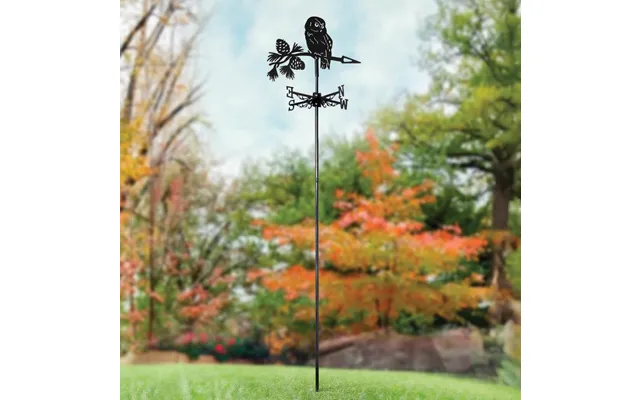
| Owl Silhouette Weather Vane | £ 29,99 |