All categories
Business & Offices
Electronics & Media
Fashion & Accessories
Groceries & Essentials
Health & Personal Care
Home & Living
Kids & Family
Sports & Outdoors
Search in ZoneOffer
Loading...
Window films are a simple, cost-effective way to change the look and performance of your windows without ripping out frames or installing heavy treatments. Whether you're chasing lower energy bills, better privacy, or a quick style update, there's a film that fits the job. In this guide I’ll walk you through popular types, real benefits, price expectations, and practical tips for installation and maintenance—so you can pick the right film like a pro without the drama.
Window films are thin layers of polyester or vinyl applied to the interior surface of glass. Think of them as a sticker with a job: some block heat and UV rays, some add privacy, and some add strength. They sit on the glass and change how light and heat behave, much like sunglasses do for your eyes. Applied properly, films can last years and perform reliably while keeping your windows readable and usable.
Before you pick a color or pattern, it helps to understand what window film actually gives you. The benefits range from practical to visual—often both at once.
Most quality films block up to 99% of UV-A rays, which are the main culprits behind fading upholstery, carpets, and wood finishes. Imagine stopping sun damage like sunscreen for your sofa. UV-blocking films can extend the life of fabrics and artwork, protecting them from fading even in rooms with large south-facing windows.
Solar-control films reduce heat gain in warm months and can help retain heat in cooler months, depending on the film’s specs. By cutting the amount of infrared and visible light that gets through, films reduce the workload on air conditioning—often translating to noticeable savings on energy bills during hot seasons. It’s like giving your HVAC system a backup fan that works silently on the glass.
If you’ve ever squinted at a screen because of glare, window films can help. Frosted or one-way films diffuse or prevent direct visibility while still allowing daylight in. They’re perfect for bathrooms, street-level rooms, and offices where you want natural light without show-and-tell visibility to passersby.
Security films are thicker and designed to hold glass fragments together if the pane is broken. They don’t make glass unbreakable, but they slow forced entry and reduce flying shards in storms or accidents, offering a layer of safety that’s especially useful for homes with kids or hurricane-prone areas.
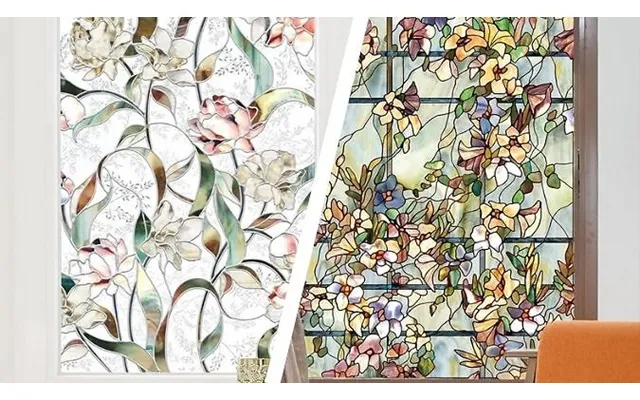
From etched-glass looks to stained-glass effects and mirrored finishes, decorative films are the easiest way to add personality to windows and doors. They’re great for rental units where you want an upgrade without permanent changes—peel-on style with designer flair.
Window films come in multiple families. Matching the type to your priority—privacy, heat control, security, or style—gets you the best return on investment.
Solar films focus on reducing heat and glare while improving comfort. They’re measured by solar heat gain coefficient and visible light transmission, and are often available in light, medium, and dark tints. Typical interior roll widths are 36 in or 48 in, and film thickness for solar films often ranges between 1 mil (0.001 in) and 4 mil (0.004 in), striking a balance between clarity and performance.
These films mimic etched or frosted glass at a fraction of the cost and permanent change. They’re perfect for office meeting rooms, shower doors, or entry sidelights. Decorative films often come in patterned rolls 36 in wide and are thin—usually around 2 mil (0.002 in)—so they’re easy to trim to custom sizes like 24 in by 36 in panes.
Security films are significantly thicker—typically from 7 mil (0.007 in) up to 14 mil (0.014 in) or more—and designed to absorb impact. If your goal is to delay break-ins or minimize glass injury after storms, this is the category to explore. They’re often paired with a perimeter attachment system to anchor the film to the frame, improving performance.
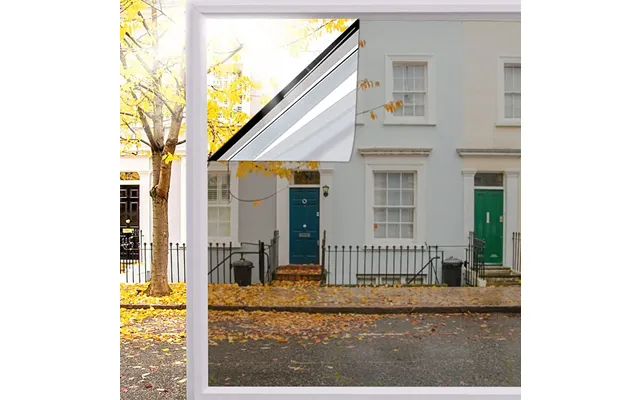
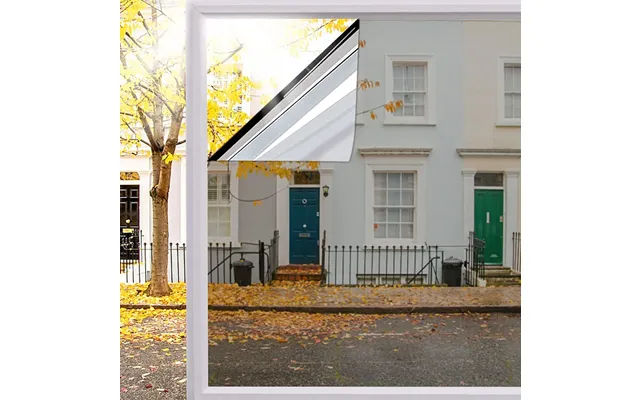
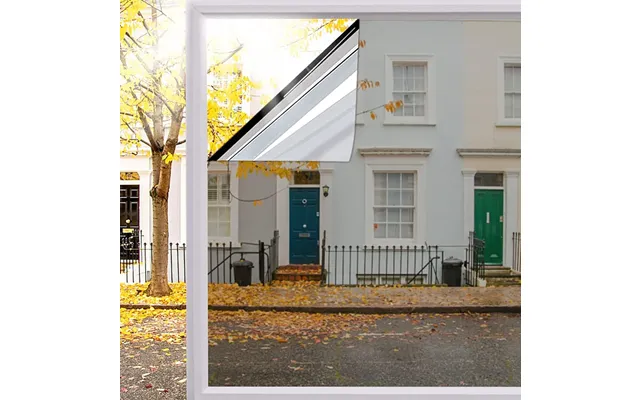
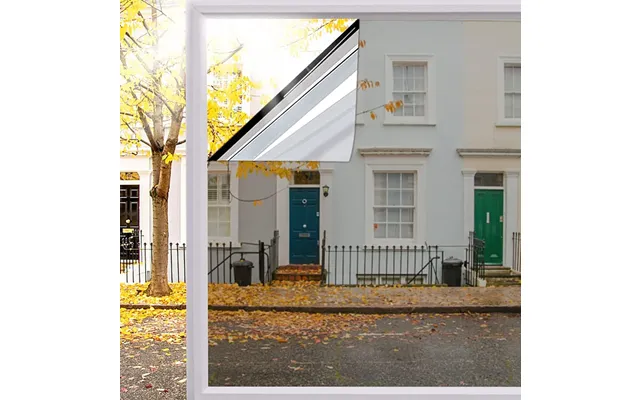
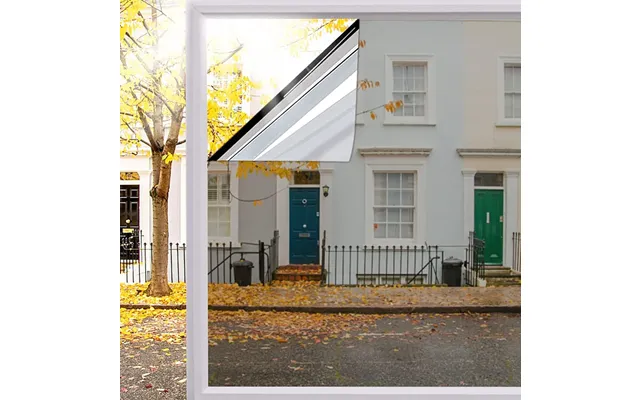
Mirror-like films create daytime privacy by reflecting light outward, making it hard to see in from the bright side. They work best on windows that get direct sunlight and are commonly available in 36 in and 48 in widths. Keep in mind that the one-way effect reverses at night if interior lighting is brighter than outside.
Smart films switch from opaque to clear with a flick of a switch—ideal for conference rooms, bathrooms, or high-end residential spaces. They’re electrically powered and usually more expensive, but bring a futuristic convenience that blinds and curtains can’t match.
Start by listing your priorities: energy savings, privacy, aesthetics, or safety. Measure your windows in inches—record width and height of each pane, and calculate square footage (width times height, then divide by 144 to get square feet). For large expanses of glass, prioritize solar films with a higher heat rejection rating. For bathrooms or entryways, decorative or frosted films often provide the best balance of privacy and natural light.
Installing window film can be a rewarding weekend project if you like hands-on tasks, but larger or complex windows often justify a pro. Let’s break down both routes so you can decide.
If you choose to DIY, gather a sharp utility knife, a 6–8 in squeegee, a spray bottle with a slip solution (water plus a few drops of dish soap), a lint-free cloth, and a measuring tape accurate to the nearest 1/8 in. Cut the film slightly larger than the glass—typically add about 1/4 in on each edge—then trim after application. Work in a dust-free space, and keep a hairdryer or heat gun handy to remove tiny bubbles and for slight shaping on curved glass. Patience and steady hands go a long way; the first pane often takes the longest.
Hire pros for large commercial windows, high-access glass (second story or skylights), curved panes, or when using expensive films like switchable or high-performance solar films that require precise lamination. Professionals bring clean-room techniques, better warranties, and often guarantee optical clarity and adhesion over time—useful if the pane is a major investment or safety is a concern.
Prices vary widely based on film type, quality, and whether you install it yourself. Here’s a ballpark guide in U.S. dollars and per-square-foot terms to help you budget: decorative films can start around $0.50 to $4 per square foot for basic adhesive rolls, solar-control films typically range from $1 to $6 per square foot depending on performance, and security films are often $3 to $10 per square foot. Smart films are in a higher tier—often $40 to $60 per square foot—because they require electrical connections and special installation. Always account for installation labor: professional fitting may add $2 to $8 per square foot or a flat call-out fee, depending on complexity.
Caring for installed film is straightforward. Wait at least 30 days after installation before cleaning to ensure proper adhesion. Use a soft cloth and mild, ammonia-free cleaner to wipe films—harsh chemicals or abrasive pads can damage surfaces. For everyday dusting, a microfiber cloth works wonders. If small bubbles appear early on, they often disappear as trapped moisture evaporates; persistent blemishes should be handled by the installer if under warranty.
Several manufacturers consistently deliver quality and warranty support. Brands like 3M, Llumar, Gila, and Solar Gard offer a wide range of solar, decorative, and security films with clear performance specs. For decorative or budget-friendly options, name-brand kits and roll goods are widely available in widths of 36 in and 48 in and thicknesses from 2 mil to 4 mil. If you’re looking for heavy-duty security film, search for options in the 8–14 mil range and review the manufacturer’s impact ratings and warranty terms before buying.
Window films can reduce cooling loads and, in some cases, heating demand—especially when layered on single-pane or older double-pane windows. Over time, reduced energy consumption equals lower carbon footprint and utility costs. Choosing a film certified for solar heat rejection or with a documented U-value improvement is a practical way to quantify environmental gains. Plus, by extending the life of interior finishes, films indirectly reduce waste from early replacements.
Films aren’t a direct replacement for everything blinds and curtains do, but they complement them nicely. Films provide continuous protection from UV and glare without blocking light, while curtains and blinds offer flexible visual privacy and a decor statement. Think of films as a baseline upgrade—like putting energy-saving windows under your existing drapes. Combining both often yields the best comfort and style results.
Window films are a smart, versatile upgrade for homeowners and renters alike. They protect interiors, control energy use, increase safety, and offer a wide range of aesthetic choices—all while keeping major renovations out of the picture. Whether you’re saving on cooling costs, adding privacy, or giving a dated window a designer look, the right film can transform your space affordably and effectively. Measure your needs, compare film specs, and decide whether a DIY install or a pro fitment makes the most sense—your windows will thank you for it.
| Window Films | Price | |
|---|---|---|
| Vision Cleafilm110 S Stripes-24in30m | £ 86,61 |