All categories
Business & Offices
Electronics & Media
Fashion & Accessories
Groceries & Essentials
Health & Personal Care
Home & Living
Kids & Family
Sports & Outdoors
Search in ZoneOffer

Loading...
When you see the category “Fuel – Other,” think of all the energy options that sit outside the obvious mains gas and electricity. It’s the practical stuff you buy for heaters, stoves, BBQs, firepits, generators, and DIY projects—everything from kerosene and heating oil to smokeless coal alternatives, charcoal, bioethanol, lamp oil, gel fuels, firelighters, and even diesel for machinery. In the UK, these fuels are a lifeline for rural homes, landlords managing off-grid properties, hospitality venues with outdoor seating, and anyone who loves a crackling stove or a clean-burning decorative fireplace. The best part? Prices vary widely, so comparing offers can unlock real savings—especially when you break costs down per gallon, per pound, or even per 1,000 BTU.
Energy costs have been a rollercoaster, so smart buyers are getting tactical. Switching from pricey bagged logs to compressed briquettes, stocking up on charcoal off-season, or timing a bulk buy on heating oil before cold snaps can trim your bills. And because “Fuel – Other” covers many formats and brands, comparison platforms like ZoneOffer help you scan prices at a glance and jump on genuine deals without treating them like a store—they let you compare, then choose where to buy.
Kerosene—often called paraffin in the UK—is a go-to for portable indoor heaters and workshop units. It’s easy to store in sealed cans, measured by the gallon, and known for delivering steady heat with minimal fuss. Look for low-odor grades if you’re using it indoors, and always give heaters ample ventilation. If you’re comparing deals, calculate the price per gallon and check burn-time claims; a quality wick heater can run for hours on a small tank. For storage, aim for cool, dry places, and use proper fuel cans with secure caps to avoid fumes and evaporation.
If your home uses a tank-fed system, heating oil is still the backbone of your winter warmth. Tanks range from a few hundred gallons to well over a thousand, so even a small per-gallon saving stacks up. Watch for multi-hundred-gallon price breaks, and try to schedule top-ups in the shoulder seasons when demand and prices can dip. Keep your system efficient by servicing burners and changing filters regularly; a clean system converts more of every gallon into usable heat, helping you stretch your budget further.
For backup generators, mowers, and building-site gear, diesel’s reliability is hard to beat. If you’re eligible for marked fuel under UK rules, ensure you use it only where permitted and always follow current guidance. Whether you’re storing a few gallons or a drum, keep diesel in compliant containers, away from direct sunlight and moisture. Additives can stabilize fuel for longer storage, reduce waxing in cold snaps, and keep injectors cleaner. As you compare deals, factor in the cost of additives per gallon and your expected turnover—fresh fuel is better fuel.
Some buyers opt for ethanol-reduced or ethanol-free gasoline for small engines, especially generators and garden tools, because ethanol can attract moisture and cause carb issues. If you’re storing petrol-based fuels, a stabilizer dosed in ounces per gallon can keep it fresh for months. Check the ratio on the bottle; for example, 1 ounce may treat 5 gallons, or you might see different strengths. Store in proper cans with tight seals, and rotate stock to avoid stale fuel ruining seals and jets.
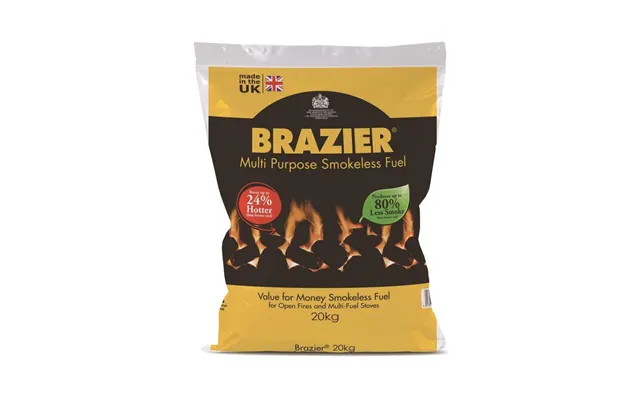
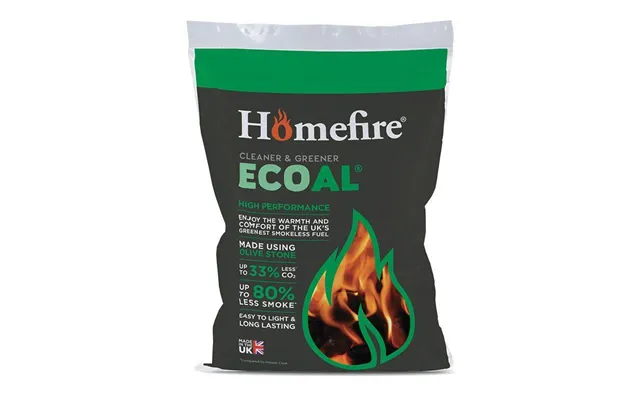
Smokeless fuels—often anthracite-based ovals or engineered briquettes—are designed to burn hot and clean with less visible smoke. If you’re in a smoke-control area, check your appliance and fuel are appropriate. These products usually come in bags measured by the pound; the denser the briquette, the longer and hotter it tends to burn. A 55 lb bag might last surprisingly long in a well-controlled stove. To compare, divide the price by bag weight to get a per-pound cost, and consider heat output and ash content—less ash means less time cleaning, more time relaxing.
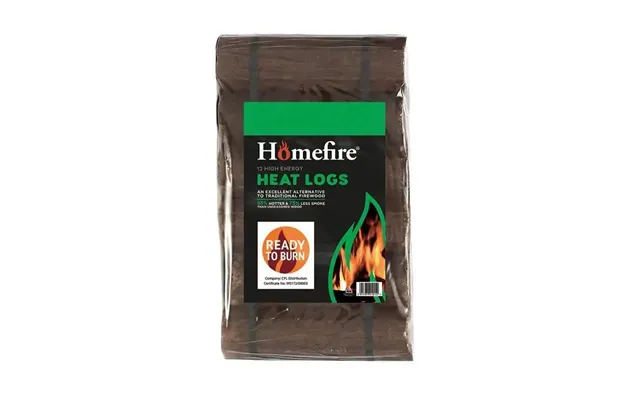
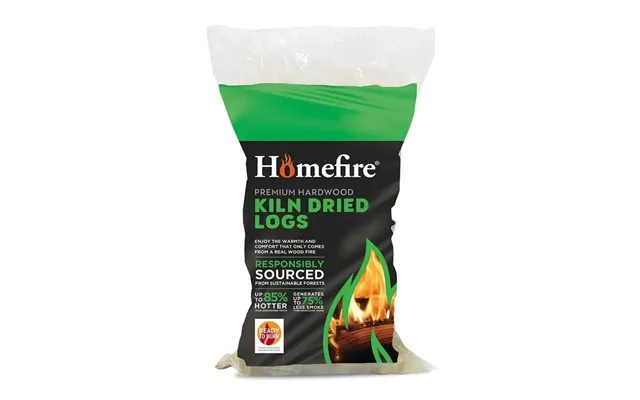
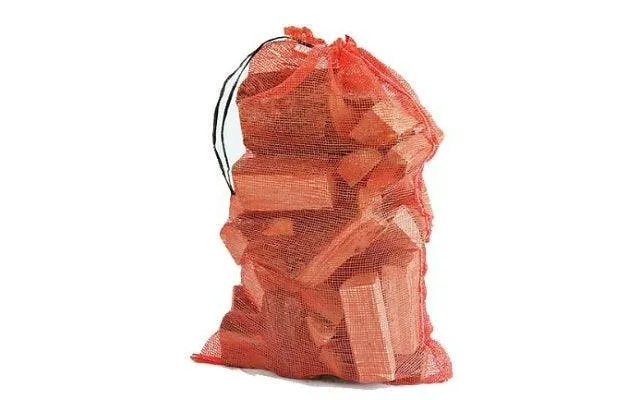
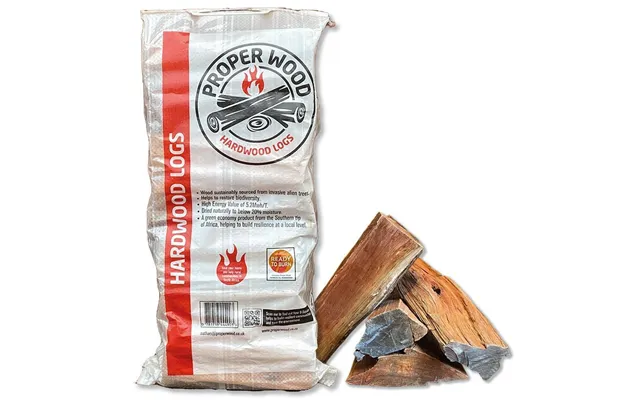
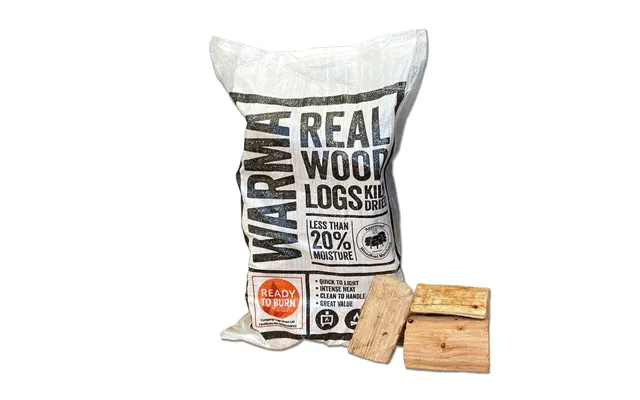
Compressed wood briquettes are a star performer for many homeowners. With low moisture and a dense structure, they can deliver high BTU per pound and steady, controllable heat. Look for uniform sizes that fit your firebox—anything around 8 to 12 inches often works well—and check if they expand as they burn so you don’t overfill. Kiln-dried logs also remain popular; just check length in inches to match your stove and aim for well-seasoned wood for cleaner glass and flues. Pro tip: mix briquettes with a small amount of kindling to ignite quickly, then throttle air for a slow, efficient burn.
Bioethanol brings a real flame without chimneys or flues, making it perfect for apartments, rented homes, or anyone who wants instant ambience. It’s sold in sealed containers by the gallon and burns cleanly, producing heat and water vapor with minimal odor. Always follow your fireplace’s instructions on clearances—keep combustibles several inches away—and never refill when the burner is still hot. When comparing prices, consider gallons per case and the expected burn time per fill. A little math helps you find the best cost per hour of flame.
Gel fuels come in handy cans, often measured in ounces per can, with a pleasant crackle that mimics wood. They’re great for occasional entertaining or decorative features where simplicity is key. Check burn-time claims—many cans run for 2 to 3 hours—and compare cost per hour so you’re not surprised by the long-term bill. Store cans upright in a cool cabinet and keep a few spares for last-minute gatherings.
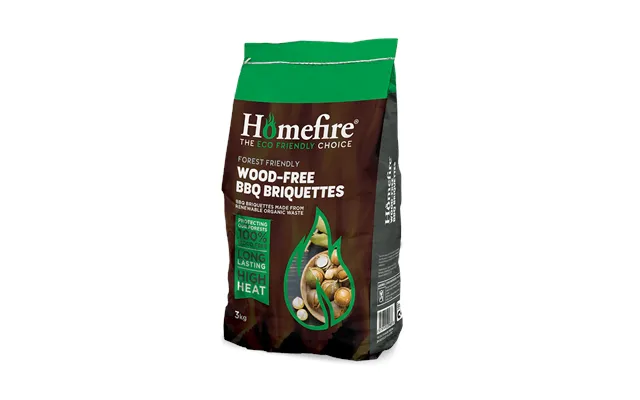
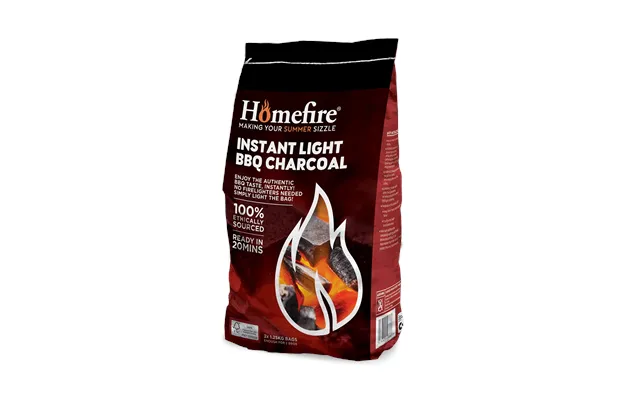
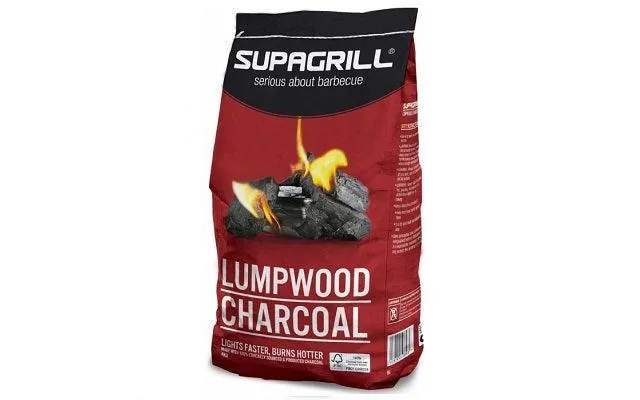
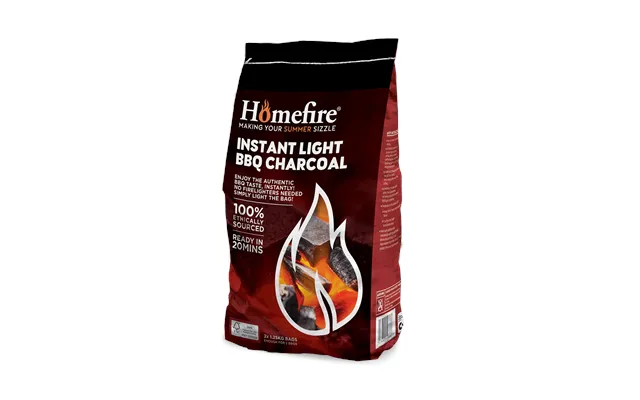
Lump charcoal lights fast and burns hot, ideal for searing steaks; briquettes burn longer and more evenly, perfect for low-and-slow BBQ. Bags are typically sold by the pound—common sizes include 22 lb and 33 lb. To compare fair value, divide price by bag weight to get a cost-per-pound number. All-natural briquettes with minimal binders produce a tastier, cleaner cook but may cost a touch more. Quick-light products are convenient, but if you’re flavor-focused, many pitmasters prefer natural options plus a chimney starter.
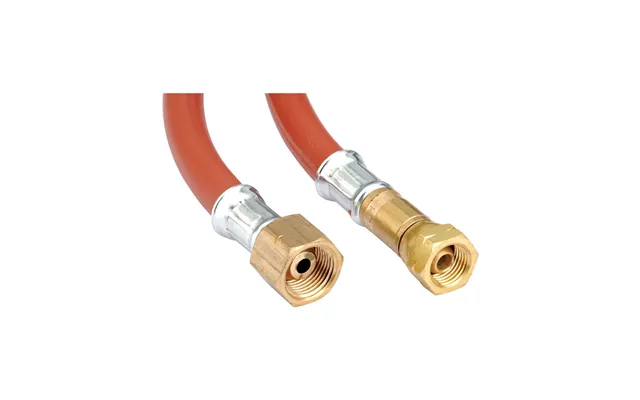
Propane and butane power patio heaters, camp stoves, and grills reliably year-round. Cylinder sizes are often described by weight in pounds, and each pound contains a lot of energy—measured in BTU. Propane typically performs better in colder weather than butane, making it a popular choice for winter. Check your regulator type and hose condition, follow safe clearances in feet, and store cylinders upright outdoors. When comparing refill or exchange deals, calculate your cost per pound and note any deposit or bottle charge differences between suppliers.
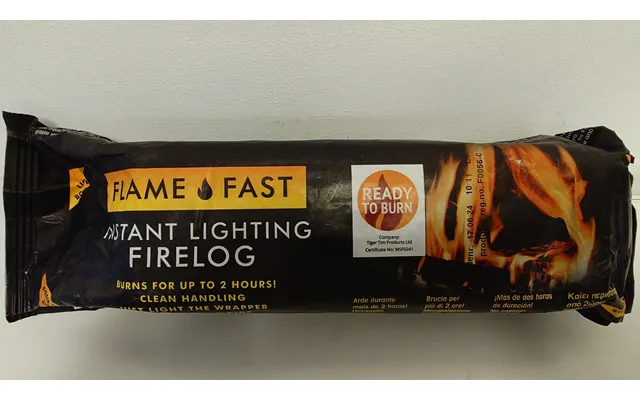
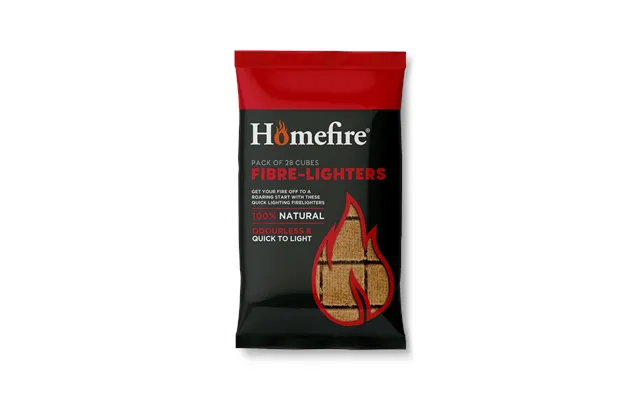
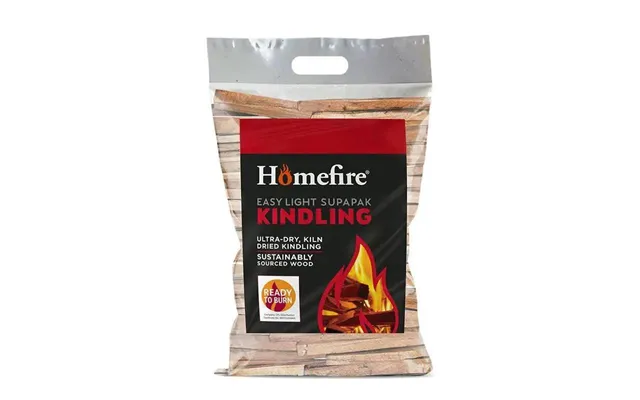
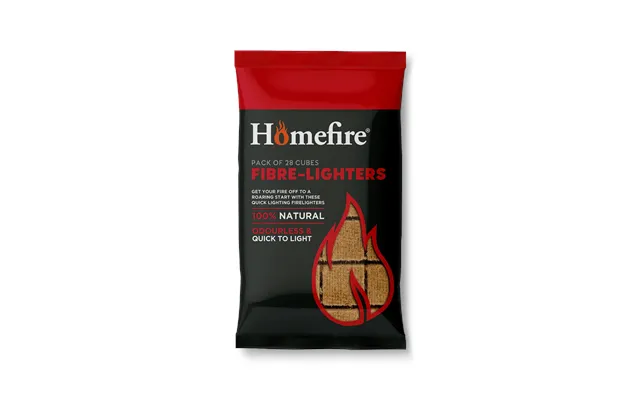
Getting flames started efficiently saves time and avoids frustration. Natural firelighters made from wood wool and wax burn cleanly and smell better than chemical blocks. Packs are sold by count or weight in pounds; stash them in a dry tub or tin to keep them happy. Kindling sticks should be short enough—think 6 to 10 inches—to build stable teepees or log-cabin starts in small stoves or firepits. Wax logs and quick-start briquettes give you instant flames on chilly evenings; just compare burn times and cost per unit.
If you store fuels for months, additives are your best friend. Stabilizers keep petrol fresh; biocides protect diesel against microbial growth; anti-gel formulas help diesel flow better during cold snaps. Most bottles specify a dose in ounces per gallon—follow it carefully. Even a small dose can protect injectors and carb jets, reduce smoky starts, and extend the life of seals and hoses. When shopping, compare price per treated gallon, not just bottle size, to see true value.
This is the golden rule. For liquids, calculate cost per gallon. For solids, compute cost per pound. For heat-focused choices, compare cost per 1,000 BTU if data is available. Here’s a simple example: a 22 lb bag of charcoal at £18 works out to about £0.82 per lb (£18 ÷ 22). If another brand sells a 33 lb bag at £26, that’s roughly £0.79 per lb (£26 ÷ 33). Bigger doesn’t always win, but the numbers will tell you. For heating oil, a few pennies per gallon difference can mean a lot when you’re buying hundreds of gallons.
Fuel prices dance with the weather and demand. Charcoal often dips in the colder months; briquettes and kiln-dried logs can jump before a cold snap; heating oil tends to move with broader energy markets. If you can, buy early—late summer or early fall can be excellent for winter solids, while BBQ fuels may be cheaper in winter. Set alerts on comparison platforms, watch holiday promotions, and be ready to pull the trigger when a proven brand drops to a sweet spot.
Most fuels prefer a cool, dry, well-ventilated spot. Keep liquids in approved containers, away from direct sunlight and ignition sources. Maintain clearances in feet around heaters, and always read the label for your specific appliance. For bioethanol and gel fuels, keep caps tight and store upright. For solid fuels, raise bags off concrete on a pallet or shelf to avoid moisture wicking. If you’re using a home tank for heating oil, inspect it periodically for signs of wear and keep the area tidy to spot leaks early.
Always check what’s allowed in your area—particularly for solid fuels and garden burning. Smoke-control zones have specific guidance on what you can burn and in which appliances. If you’re using marked fuels for machinery, follow eligibility rules. For outdoor heaters and grills, keep safe distances from walls and eaves, usually several feet, and never use them in enclosed spaces. Safety first means savings later: fewer hiccups, less waste, and happier neighbors.
Think like a chef dialing heat. Start with a small, hot core using dry kindling, then add fuel slowly. In stoves, adjust airflow to avoid roaring flames that send heat up the flue; a steady glow is your sign of efficiency. Mix fuels smartly—add a couple of compressed briquettes to extend kiln-dried logs, or pair lump charcoal for initial heat with briquettes for a long, even cook. For decorative fires, use the recommended burner setting to balance flame height with run time.
Dirty burners and clogged chimneys eat money. Sweep chimneys regularly, clean stove glass when cool, and empty ash pans before they overflow. For oil systems, replace filters on schedule and have a pro inspect the burner nozzle. For generators, run them under load every month or so to keep them healthy and ready; check fuel lines and seals for any softness or cracking. Treat maintenance like insurance: a few minutes now saves gallons and pounds later.
Multi-buy offers on charcoal, briquettes, firelighters, and gel fuels can slash the cost per unit. The trick is simple: divide total price by total pounds or cans to see whether the bundle is genuinely better. For liquids like bioethanol or kerosene, case deals measured by the gallon often make sense for frequent users. Use a comparison platform like ZoneOffer to scan promotions across multiple retailers and spot real value quickly—then buy from the source that fits your needs.
Premium doesn’t always mean perfect, but it can deliver consistent size, lower ash, and cleaner burn—especially noticeable with charcoal and smokeless ovals. For bioethanol, a reputable brand often means clearer flames and less odor. For additives, proven formulas save headaches and repairs down the road. If a pricier option burns longer or cleaner, the true cost per hour can be lower than a cheaper, fast-burning rival.
If you heat with a stove, host weekend BBQs, or rely on a portable heater for a garage or shed, this category is your best friend. It’s flexible, affordable when you compare smartly, and easy to tailor to your lifestyle. Keep an eye on bag weights, cylinder sizes, and burn-time estimates; with a notebook or a quick phone calc, you can track what truly lasts longest in your setup.
From patio heaters in a café garden to diesel equipment on a smallholding and backup generators for rentals, diversified fuels keep operations running. Watch for pallet deals on solids and bulk prices on liquids. Ensure you’re using the correct fuel types for each application and that you follow the current rules around marked fuels. Additives can be a lifesaver for seasonal engines, preventing downtime when you need them most.
“Fuel – Other” is your toolkit for practical, flexible energy across home, garden, and build projects. Whether you’re stacking kiln-dried logs for a weekend fire, stocking up on charcoal for summer feasts, filling a tank with heating oil, or keeping a generator ready with stabilized fuel, the winning strategy is the same: compare by the unit, time your buys, store safely, and maintain your gear. With careful choices and smart use of comparison platforms like ZoneOffer—remember, they help you compare, not sell—you can lock in dependable heat, great cooking fuel, and cozy ambience while keeping your costs firmly in check.
| Fuel - Other | Price | |
|---|---|---|
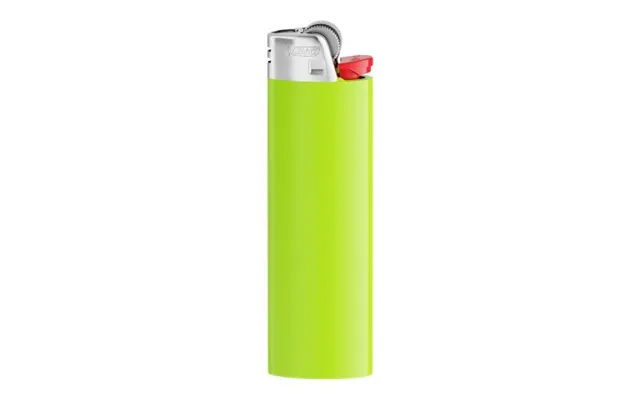
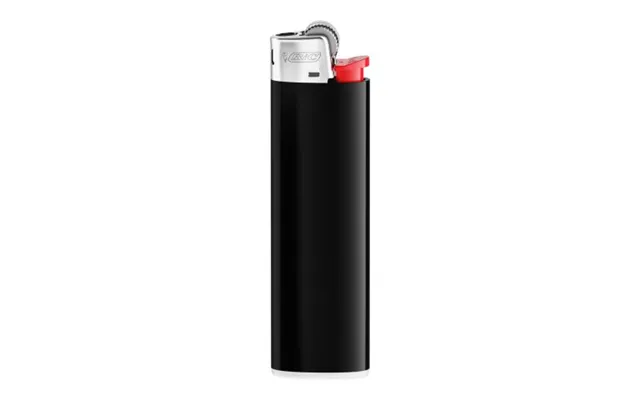
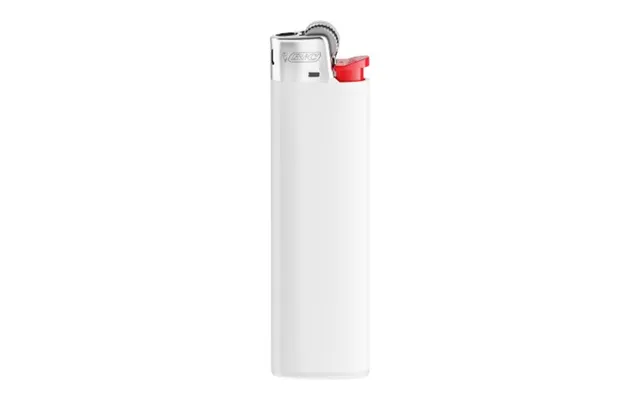
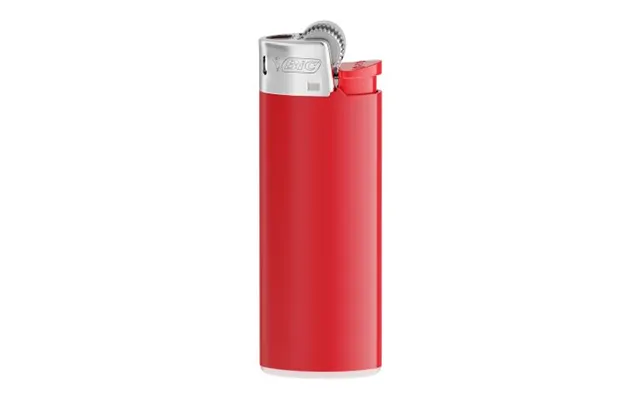
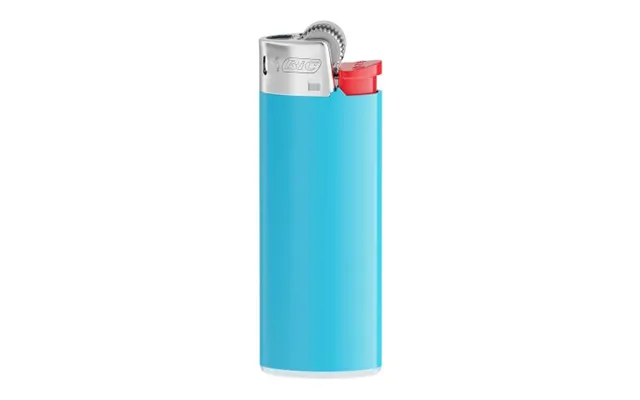
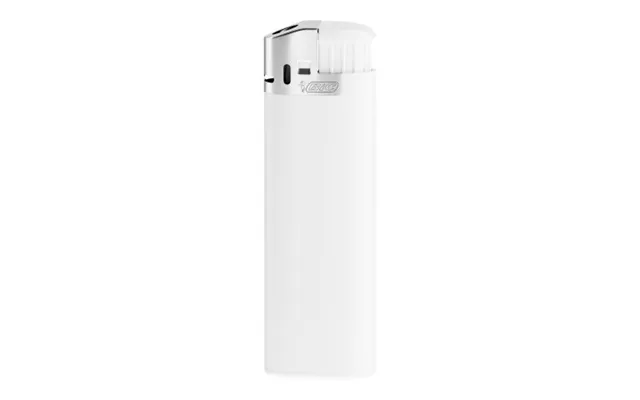
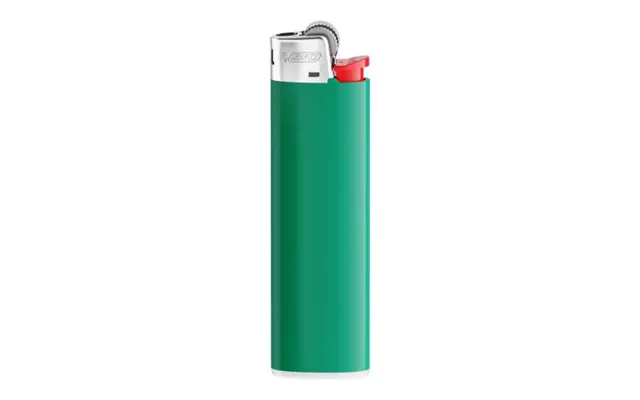
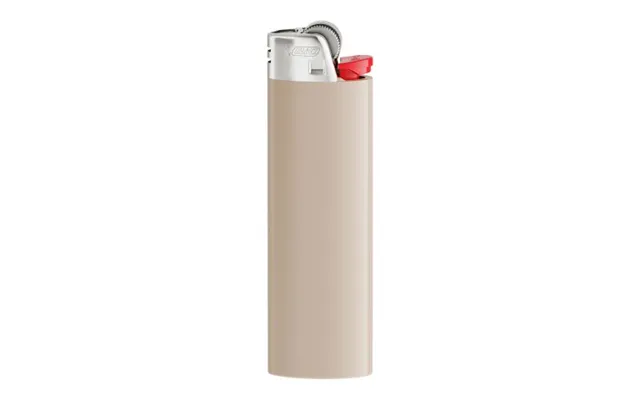
| Promotional Bic J25 Standard Lighter Rhodamine Red-white-clear Red-chrome Branded With Your Logo | £ 0,59 | |
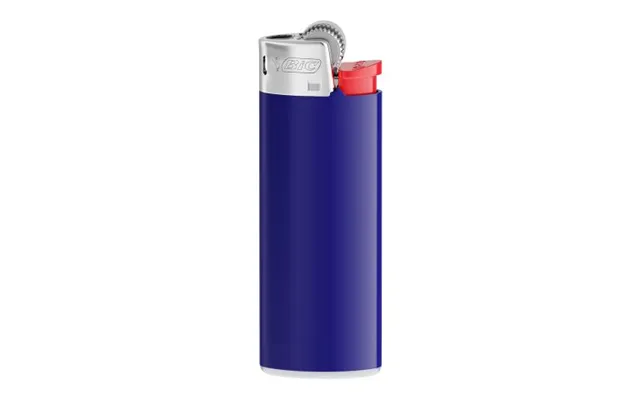
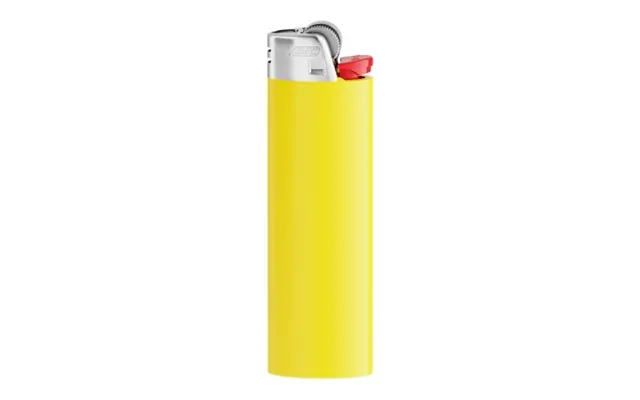
| Promotional Bic J23 Lighter Yellow Branded With Your Logo | £ 0,64 |
Here are straightforward answers to common questions about alternative fuels for home, garden, and build—focused on safety, savings, and smart selection.