All categories
Business & Offices
Electronics & Media
Fashion & Accessories
Groceries & Essentials
Health & Personal Care
Home & Living
Kids & Family
Sports & Outdoors
Search in ZoneOffer

Loading...
Air ducts are the unsung heroes of home comfort. They quietly move warm or cool air from your HVAC system to the rooms where you live, sleep, and relax. When ducts are well-chosen, well-sealed, and properly sized, your home feels even, quiet, and efficient. When they’re not? You get hot and cold spots, noisy airflow, dust, and higher bills. If you’re exploring air duct options or hunting for deals in the UK, you’re in the right place. Let’s break down the duct types, accessories, and smart upgrades that genuinely improve comfort—and how to compare offers to get the best value.
Think of your HVAC system as the heart and air ducts as the arteries and veins. Supply ducts push conditioned air into your rooms, while return ducts pull air back to the system to be filtered, heated, or cooled again. The goal is simple: deliver the right amount of air at the right speed to the right places, without leaks. The details—diameters, fittings, insulation, sealing—make all the difference. Get those right, and your system runs smoother, quieter, and uses less energy.
Different homes and projects call for different duct materials. Your choice affects airflow, noise, installation time, and longevity. From flexible ducting to rigid metal, here’s how they stack up and where each shines.
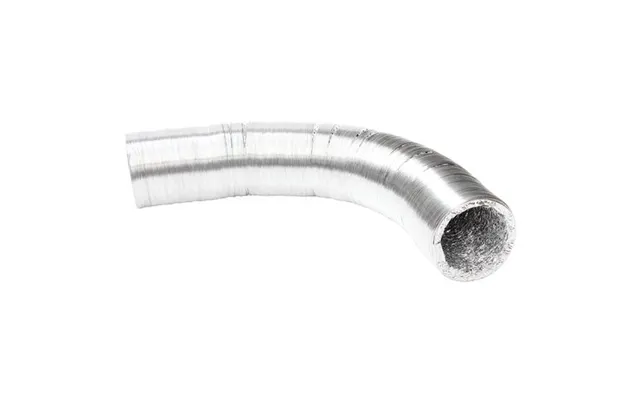
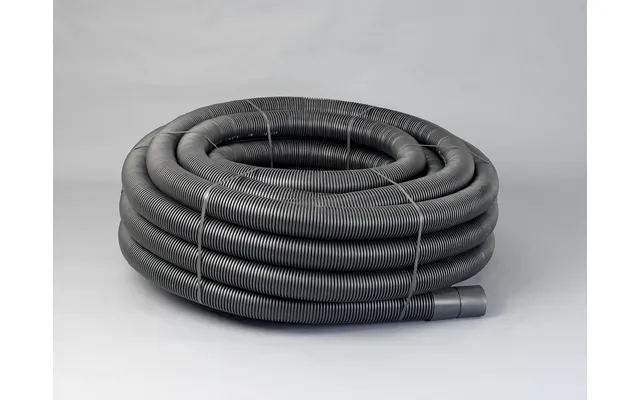
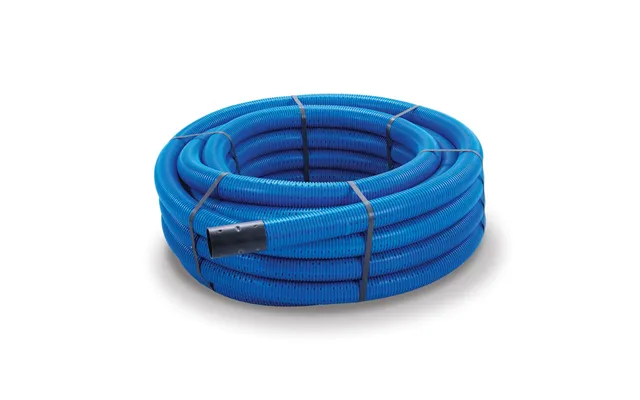
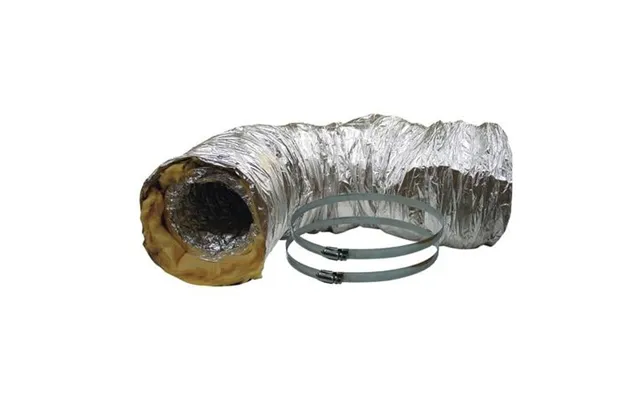
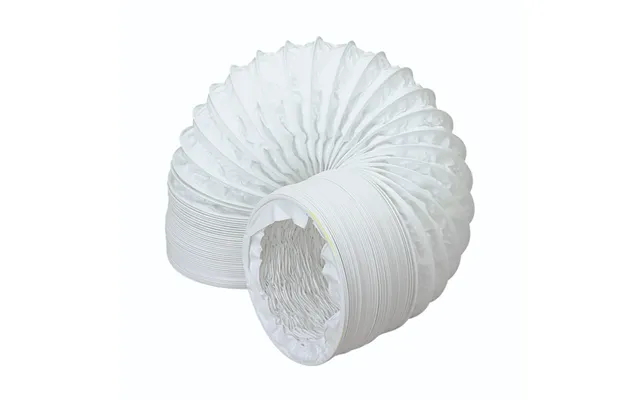
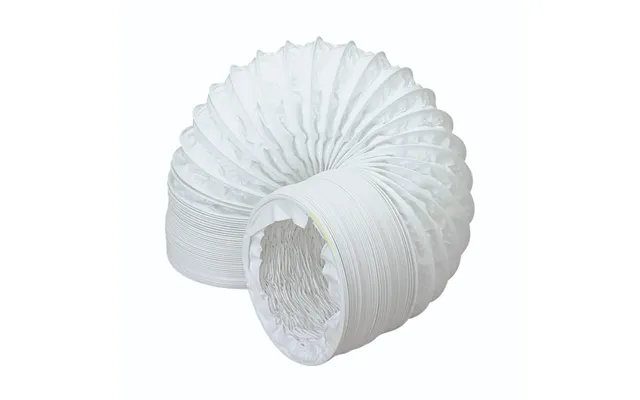
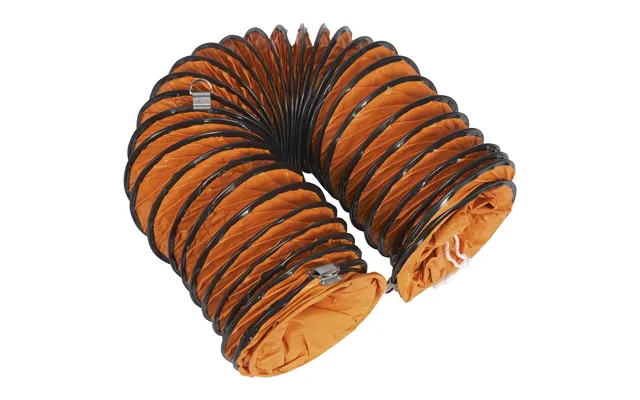
Flexible ducting is a go-to for tight spaces, retrofits, and short runs. It’s a wire helix wrapped in plastic and insulation, typically pre-insulated with an outer jacket. The pros? It snakes around obstacles and installs fast. The cons? If it’s compressed, kinked, or overly long, resistance rises and airflow drops. Kept straight, stretched, and supported every few feet, flex duct can be a quiet and efficient solution—especially for branch runs off a rigid trunk line.
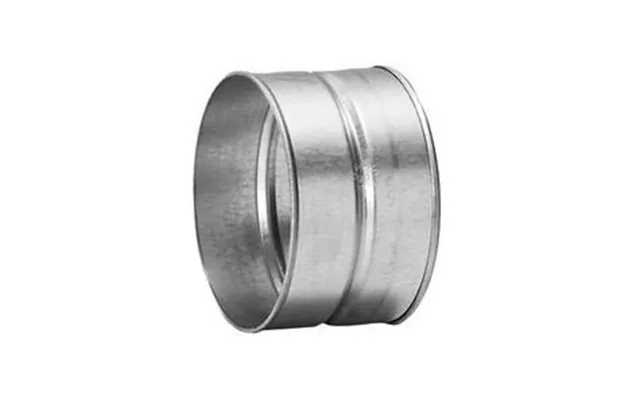
Rigid sheet metal duct is the gold standard for airflow and durability. Smooth interiors minimize friction, which helps preserve airflow and reduce fan effort. It’s perfect for long runs, main trunks, and applications where performance matters most. You’ll need proper fittings—elbows, wyes, reducers—and careful sealing. Installation takes longer than flex, but the payoff is excellent airflow, fewer noise issues, and a longer service life. If you want a “set it and forget it” backbone, rigid metal is hard to beat.
Semi-rigid ducting splits the difference: more shape-holding than flex, easier to work with than rigid sheet metal. It’s widely used for exhausts like bathroom fans, range hoods, and dryer vents (where allowed). Smooth-walled options offer better airflow than corrugated ones. As always, minimize sharp bends and keep runs as short and direct as possible for best results.
Duct board is a rigid fiberglass panel formed into a duct, often used for plenums or short sections. It offers built-in insulation and can help reduce noise. Lined metal ducts add an internal acoustic liner for sound attenuation. Both options are useful where noise control is a priority, but they demand careful sealing and, when applicable, proper vapor barriers to prevent moisture issues.
Good duct design isn’t guesswork. It starts with the airflow your rooms need, measured in cubic feet per minute (CFM), and matches that to duct size and length. The longer and bendier the duct, the more resistance it adds. Too small, and you get loud whooshing and poor comfort. Too large, and air can slow down and stratify. Keep layouts simple, avoid unnecessary turns, and use smooth, sweeping fittings. You’ll get better comfort and a quieter system.
Duct diameter controls how much air a branch can carry at a comfortable velocity. Typical branches might be 4 in, 6 in, or 8 in depending on the CFM needed. Every elbow or wye adds “equivalent length,” so a 15 ft straight run with two elbows might behave like 35–50 ft depending on the fittings. That’s why smoother fittings matter. If you’re replacing a duct, try to match or slightly improve the original size, and trim back unnecessary length or kinks that choke airflow.
Static pressure—measured in inches of water column—tells you how hard your fan has to work. High static pressure usually means undersized or leaky ducts, dirty filters, or restrictive grilles. The fix isn’t cranking the fan; it’s relieving restriction. Bigger ducts, fewer sharp bends, and well-sealed joints lower static pressure. The payoff? Quieter rooms, less strain on the blower, and better efficiency.
Uninsulated ducts in unconditioned spaces can sweat when cold air meets warm, humid surroundings. That moisture can damage ceilings and invite mold. Insulation helps stop condensation and reduce energy loss. It also softens noise from rushing air and mechanical vibration. Pay attention to vapor barriers on insulated flex and keep outer jackets intact to prevent moisture drive into the insulation layer.
In unconditioned spaces like lofts or garages, higher insulation values such as R-6 or R-8 help keep air at the right temperature and prevent sweating. For short, interior runs, lower R-values may be fine. If you notice “raining” ducts in summer or heat loss in winter, upgrading insulation (and sealing leaks) can solve it fast.
Chasing a whisper-quiet system? Use smooth, gradual fittings, avoid sudden transitions, and add short lengths of acoustic flex near noisy air handlers. Lined sections can tame fan noise, and oversized returns reduce whistling. At the grille, a diffuser matched to the room’s CFM helps spread airflow without drafts or hiss. Think “streamlined” everywhere air changes direction.
Great ductwork is more than pipes. Fittings, dampers, grilles, sealants, and weather hoods make your system airtight, balanced, and clean. Skimp on these, and you’ll fight noise, leaks, and hot-and-cold spots. Invest wisely, and your system will feel tuned instead of temperamental.
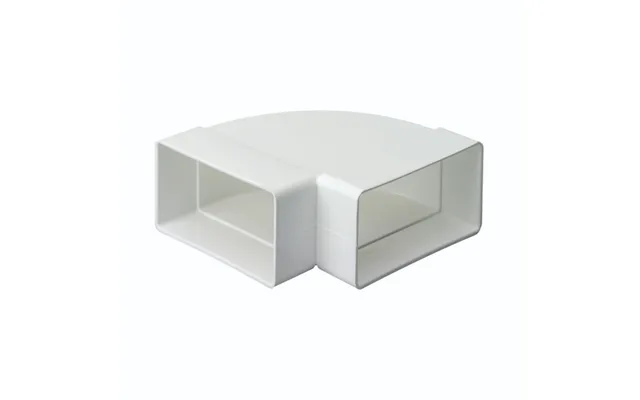
Elbows guide turns, wyes split airflow smoothly, and tees create right-angle branches. When you can, choose long-radius elbows and wyes over sharp turns. Two 45-degree elbows can be better than one tight 90. A few extra inches of smooth curve can save you a lot of resistance—and keep the fan from working overtime.
Manual balancing dampers let you fine-tune how much air each room gets. Close down a branch slightly, and you push more air to other areas. Motorized dampers are used in zoning systems to control different parts of the home independently. Either way, dampers are your “volume knobs” for comfort. Install them in accessible spots so you can adjust after living with the system for a week or two.
These are the faceplates of airflow, and they matter more than many people think. Undersized or overly restrictive designs can whistle or choke flow. Look for quality metal grilles with ample free area, adjustable dampers if you need control at the outlet, and diffusers that spread air gently across the room. A good register can make a small duct feel bigger by reducing restriction.
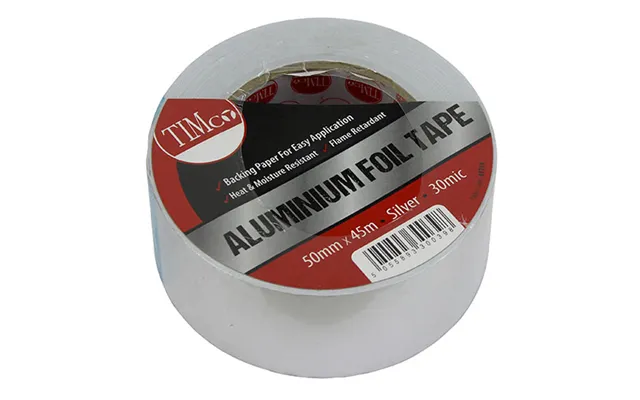
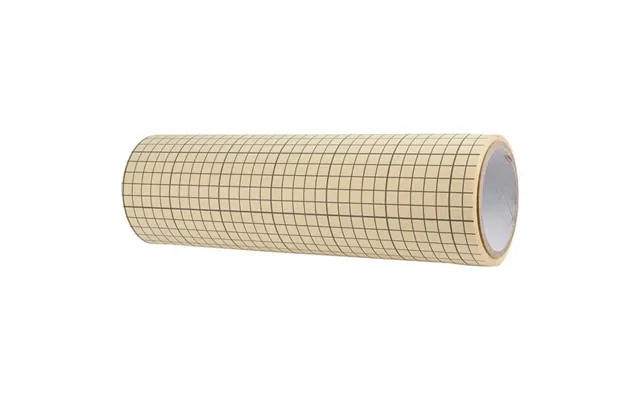
Duct mastic and UL-rated foil tape are the dynamic duo for sealing joints and seams. Skip cloth “duct tape”—it dries out and fails. For exterior exhausts, choose backdraft dampers and weather hoods with bird screens to block rain and pests. When venting outdoors, keep runs short and straight, seal everything, and use smooth-walled pipe where possible to reduce lint or grease buildup.
You don’t need to be a pro to make smart duct decisions. Keep runs as direct as possible, size branches for the airflow they need, and tighten every joint with screws plus mastic or foil tape. Use hangers or straps to support ductwork so it doesn’t sag, and protect insulation jackets from tears. Small wins add up to a quieter, more comfortable home.
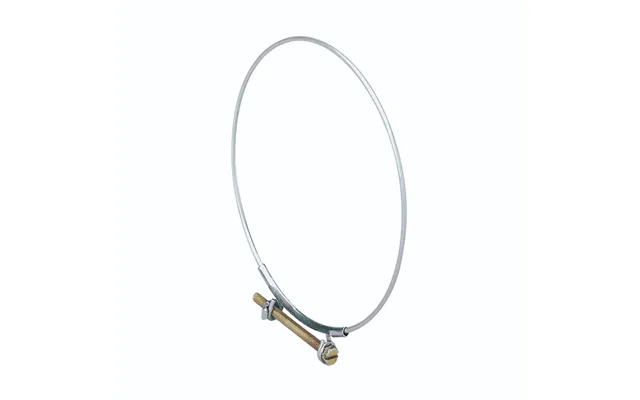
Air leaks bleed comfort and money. Seal metal-to-metal joints with mastic, then wrap with UL-rated foil tape. On flex, use proper collars, tighten with bands, and finish with mastic. Even small gaps at boots, plenums, or takeoffs can add up. A tightly sealed system often feels like a bigger system because more air reaches the rooms that need it.
Flex duct should be pulled taut, not left slack. Use wide straps and support at regular intervals—roughly every 4 ft is a handy rule of thumb—so it doesn’t belly and restrict airflow. Avoid pinching bends and keep bend radii gentle. When you reduce sag and kinks, airflow improves dramatically, and noise goes down.
Keep ducts away from sharp edges, hot flues, and anything that could damage the jacket. Where ducts penetrate walls or floors, use proper collars and fire-blocking methods required by local codes. For gas appliances, make sure return ducts don’t create negative pressure that could backdraft combustion equipment. A little planning prevents big headaches later.
Well-designed ducts don’t need constant attention, but a few habits keep them at their best. Change filters on schedule, keep returns clear of furniture and dust, and check accessible joints annually for loose tape or damage. If a room suddenly goes stuffy or noisy, that’s your cue to inspect for a crushed flex, blocked grille, or loose damper.
Filters protect your blower and coil and keep dust out of ducts. A clogged filter spikes static pressure, starves airflow, and strains the system. Check monthly and replace as needed—more often if you have pets or dust-heavy environments. If you adopt higher-efficiency filters, make sure your system can handle the added resistance or consider upsizing the filter rack.
If you see visible debris, smell musty odors, or have had construction dust infiltrate the system, a professional cleaning may help. The key is addressing root causes—leaky returns, dirty filters, or poor sealing—so dust doesn’t come right back. Avoid harsh chemicals and focus on source control: seal leaks, upgrade filtration, and maintain steady airflow.
Efficient ductwork lowers bills and evens out temperatures, especially across floors. The recipe is simple: right-size ducts, seal aggressively, insulate where needed, and balance airflow. Couple that with smart controls, and your system won’t need to work as hard to keep you comfortable year-round.
Zoning uses motorized dampers and multiple thermostats to divide your home into comfort zones—like upstairs and downstairs. It’s perfect for homes where sun, occupancy, or room size creates uneven temperatures. By sending air only where it’s needed, zoning reduces runtime and solves those “too hot here, too cold there” arguments without cranking the whole system.
Balancing is the quiet art of airflow tuning. Slightly close dampers in over-served rooms and open them in under-served ones. Verify at the grilles: a steady, gentle flow should match the room’s needs. If a room resists all adjustments, the branch might be undersized or excessively long. Fixing one stubborn run can feel like you upgraded the entire system.
Comfort isn’t just temperature—it’s clean air, quiet operation, and responsive control. Smart thermostats, room sensors, and indoor air quality monitors turn your ductwork into a smarter, more adaptable system that responds to how you actually live.
Smart thermostats learn your routines, trim wasted runtime, and give remote control. Add room sensors, and you can prioritize the spaces you’re using right now, not just the hallway where the main thermostat lives. For zoned systems, smart control can coordinate dampers and fans to prevent pressure spikes and improve comfort in every season.
Air quality monitors track particulates and humidity so you can react before issues escalate. Upgraded filters trap finer dust and allergens; just make sure your blower can handle them. UV lights installed near coils can help keep surfaces clean. Combine filtration with diligent sealing and you’ll move the needle on respiratory comfort without overtaxing your system.
Shopping for air ducts and HVAC accessories can feel like alphabet soup. Focus on the essentials: duct diameter, material (flex vs. rigid), insulation value, fitting types, and the certifications on tapes and sealants. For pricing, flexible pre-insulated ducts often cost less per foot than rigid metal, but rigid offers better long-run performance. Registers, dampers, and specialty fittings add up, so compare bundles and multi-pack offers carefully.
Use a reliable comparison site to line up prices, specs, and availability across multiple retailers. Platforms like ZoneOffer let you scan deals, seasonal promotions, and shipping options side by side so you can choose what fits your timeline and budget. Double-check that accessories match your duct size, that tapes and mastics are UL-rated, and that exterior hoods include backdraft dampers for weather protection.
You’ll find a broad mix on the UK market: metal duct and fittings from established sheet metal suppliers, flexible insulated ducts in various R-values, and accessories like dampers, registers, and grilles from well-known ventilation brands. For sealants, look for UL-listed foil tapes and low-VOC mastics from trusted names. For controls, popular smart thermostats and room sensors integrate with most systems and offer app-based tuning. Choose compatibility and proven certifications over flashy labels.
Different projects call for different setups. Bathroom exhausts benefit from smooth, short runs. Kitchens want high-flow, grease-friendly ducting. Dryers demand specific materials and minimal bends. Whole-home systems favor rigid trunks with balanced flex branches. When you match the duct to the job, your results feel effortlessly right.
Bathroom fans need quick, direct routes outdoors—ideally with smooth ducting, a backdraft damper, and an exterior hood. Keep runs short and avoid sagging flex that collects condensation. Insulate ducts in unconditioned zones to prevent drips, and choose a fan with enough CFM for the room’s size.
Range hoods move lots of air and grease-laden vapors. Smooth-walled metal duct with as few bends as possible is the way to go. Use gradual transitions to maintain flow, and choose a roof or wall cap with a robust backdraft damper. Bigger hoods need larger ducts—often 6 in to 8 in or more—so check the manufacturer’s spec before you buy.
Dryers demand rigid metal duct with minimal length and bends to reduce lint buildup and fire risk. Avoid plastic flex for dryers. Use foil tape (not screws that protrude into the airstream) to join sections, and ensure the exterior hood opens freely. Clean the vent path periodically to keep drying times short and energy use low.
For central heating and cooling, a rigid metal trunk line feeding flex branches is a reliable, quiet combo. Insulate runs in unconditioned spaces, seal every seam, and balance with dampers. Pay special attention to returns—undersized return ducts cause noise and starve airflow. A generously sized, well-filtered return often makes the entire system feel calmer and more effective.
Three big ones: undersizing ducts, skipping proper sealing, and overusing flex for long, twisty runs. Also beware of restrictive grilles, crushed ducts hidden in lofts, and missing backdraft dampers on exhausts. If you’re troubleshooting, start with the basics: filter, returns, leaks, and a quick look at bends and supports. Fixing these often restores comfort faster than a major equipment change.
Great air ducts don’t call attention to themselves—they just deliver clean, quiet comfort day in and day out. Whether you’re updating a bathroom exhaust, optimizing a kitchen range hood, or fine-tuning a whole-home system, the recipe is the same: choose the right duct type, size it sensibly, seal every joint, insulate where needed, and balance for even temperatures. Add smart controls and better filtration, and you’ll feel the difference in every room. Ready to upgrade? Compare offers, specs, and bundles across multiple retailers using a trusted comparison platform like ZoneOffer, and you’ll find quality components at prices that make sense—so your home stays comfortable without your system breaking a sweat.
| Air Ducts | Price | |
|---|---|---|
| Manrose 150 To 125mm Circular Reducer Adaptor | £ 3,40 | |
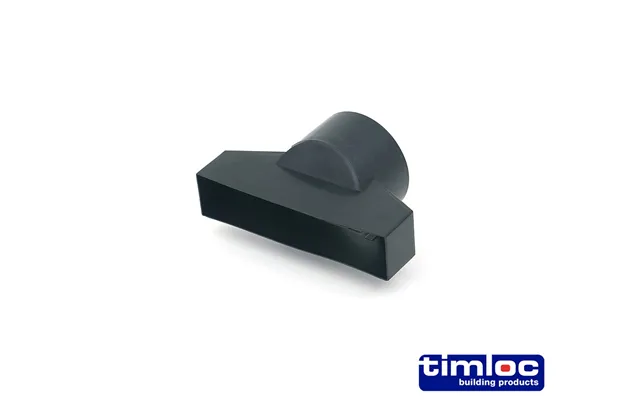
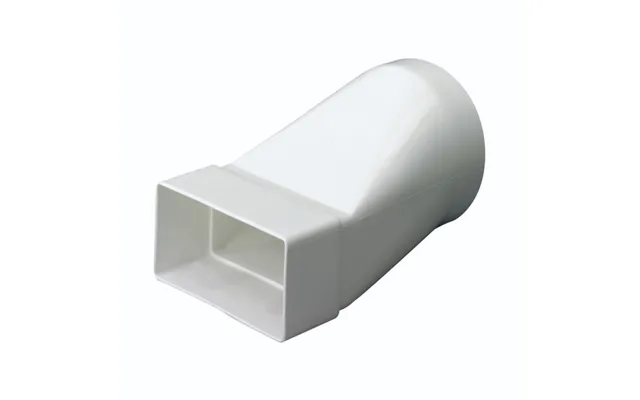
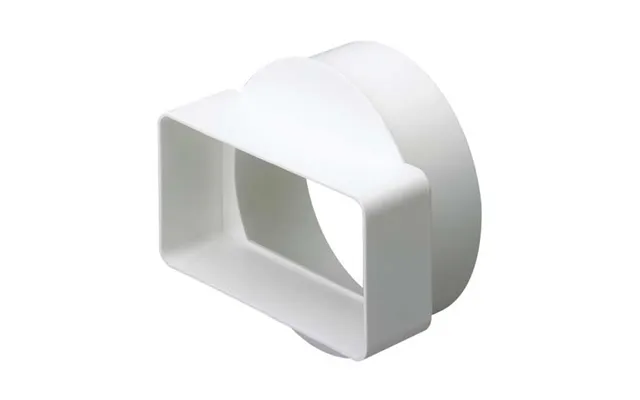
| Manrose 204x60mm Round To Rectangular Adaptor | £ 7,20 | |
| Arctic Hayes 333113 Smoke-sticks Kit | £ 23,31 | |
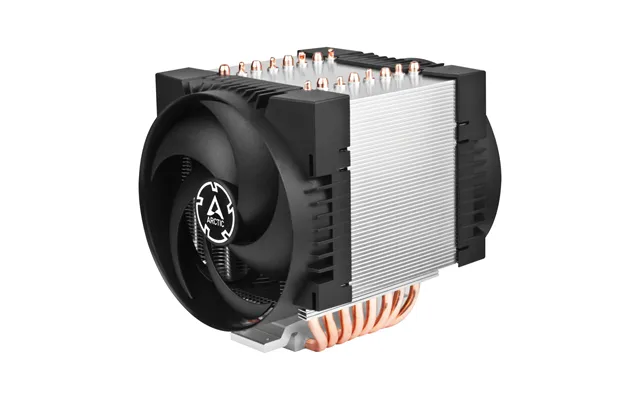
| Arctic Freezer 4u-m Rev. 2 - 4u Server Cooler For Amd. Intel | £ 48,42 | |
| Digitus Roof Cooling Unit For Unique & Varioflex-n Network Cabinet | £ 211,27 | |
| Hpe Proliant Dl380 Dl560 Gen11 2u High Performance Fan Kit | £ 317,29 | |
| Hpe Proliant Dl380 Dl560 Gen11 2u High Performance Fan Kit | £ 317,29 |