All categories
Business & Offices
Electronics & Media
Fashion & Accessories
Groceries & Essentials
Health & Personal Care
Home & Living
Kids & Family
Sports & Outdoors
Search in ZoneOffer

Loading...
If you’ve ever sat under an awning and felt the sun creeping around the edges or heard wind chattering the fabric like a drum, you know the basics aren’t always enough. Awning accessories turn a useful shade into a living, breathing outdoor room — more comfortable, safer, and longer-lasting. Think of accessories as the jewelry and insulation for your awning: they protect its investment, extend usable hours, and add features you didn’t realize you needed until you had them.
Sturdy brackets and heavy-duty arms are the backbone of a reliable awning setup. If your awning covers a patio 12 to 20 feet wide, you’ll want reinforced mounting hardware rated for that span and the local wind loads. Swap flimsy brackets for powder-coated steel or stainless options to avoid rust and sagging. Proper arms ensure even fabric tension and smoother retracting action, which makes a big difference in daily reliability.
Wind sensors are a small add-on with a huge payoff. When gusts exceed your safe limit — usually programmable in many motorized systems — the sensor retracts the awning automatically. In practice, that means you won’t be running out from dinner to rescue your awning if a storm rolls in. If you live in a breezy area where gusts hit 30 to 50 mph, this accessory is practically mandatory.
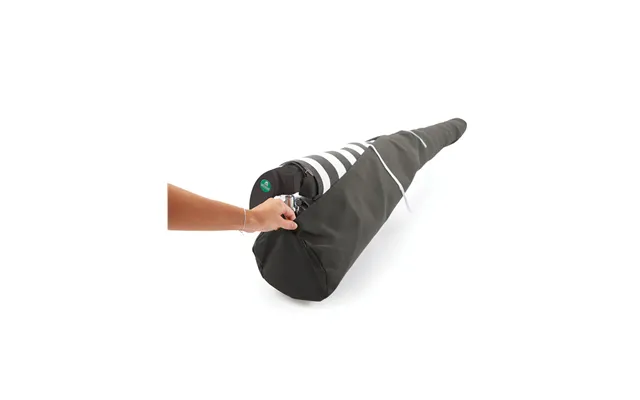
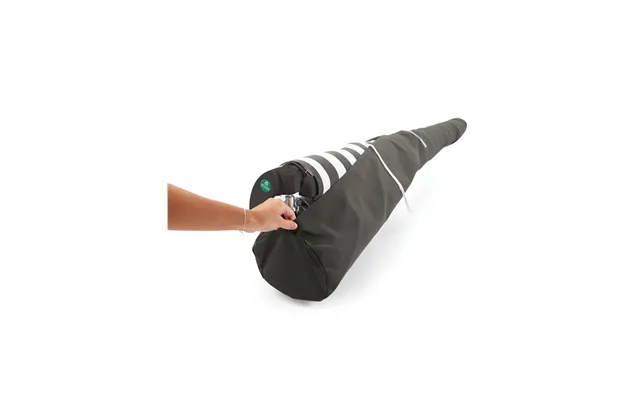
A cover or cassette housing keeps your fabric and mechanism safe from rain, bird droppings, and UV damage when the awning is closed. For retractable models, a cassette can be the difference between a 5-year lifespan and a 15-year lifespan. Look for watertight seals and full-enclosure designs if your awning is exposed to heavy weather.
Applying a fabric protector or choosing fabrics with built-in UV and water repellency helps prevent staining, mold, and fading. These treatments don’t make your awning indestructible, but they reduce cleaning frequency and slow wear — especially useful if your awning spans 10 to 15 feet and sees daily sun exposure.
LED strips that mount under the awning or along the valance allow you to extend evenings outdoors without bulky lamps. Modern LED kits are low-profile and mount discreetly along the awning’s arms or header rail. They consume little power, often include dimming and color settings, and transform the space into a cozy living room after sunset.
If you want to enjoy the patio when the temperature dips into the 40s or 50s, an outdoor infrared heater is a game-changer. These heaters mount to the wall, ceiling, or underside of the awning and provide targeted warmth without heating the entire yard. For smaller gatherings or patios about 10 to 12 feet across, a single good infrared heater often does the trick.
Replacing a manual crank with a motorized kit is one of the fastest upgrades in terms of convenience. Modern motor units fit common awning tubes and offer remote control, wall switches, or smartphone integration. For awnings spanning up to 20 feet, motors with a torque rating that matches the span ensure smooth operation and long-term reliability.
Many motorized awnings now integrate with smart-home systems. Imagine your awning retracting when your weather app reports a storm or deploying automatically at sunrise to protect furniture. If you already use home automation, look for controllers compatible with your ecosystem so you can automate routines and avoid surprises.
Adding a rain gutter or drip rail to an awning directs water away from seating areas and doorways. This is especially helpful when the awning slopes slightly and channeling water prevents puddles near thresholds. For patios near doors you use often, a simple drip rail is an inexpensive upgrade that stops water from becoming a nuisance.
For semi-permanent setups or awnings in windy locales, tie-down kits and anchor straps give extra peace of mind. These accessories secure the front bar to deck anchors or weighted feet during adverse conditions. They’re not substitutes for wind sensors, but they work well in combination — particularly if gusts of 40 mph or more are common where you live.
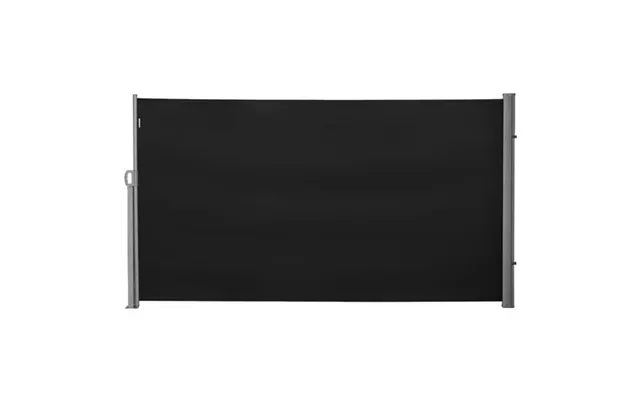
Side screens convert a simple shaded area into a cozy room with privacy and protection from insects. Zippered panels integrate with the awning’s front bar for a tight seal. These are great if your patio faces the street or you want a windbreak; most side screens are designed to cover 6 to 8 feet in height to match standard patio dimensions.
Valances give a finished look and can block low-angled sun, while mosquito nets keep bugs at bay during dusk hours. Decorative trim options let you match your home’s aesthetic, and insect mesh is a subtle addition that makes evenings far more pleasant without blocking airflow.
Before buying any accessory, measure your awning’s width, projection (how far it extends — usually 8 to 12 feet for many models), and fabric roll diameter. Mounting brackets must match the awning’s tube diameter; motors should align with torque requirements for your span. When in doubt, take photos and measurements, then compare them against product specs or ask a specialist at a comparison site for compatible options.
Accessories like cassette housings and heavy-duty arms add weight. Verify that your mounting wall can support the total load. For example, a cassette enclosure plus motor for a 16-foot awning might add 30 to 50 pounds to the wall load, so use proper anchors or consult a pro if your exterior walls are older or made of lightweight materials.
Many accessories are designed for easy installation, but some require two people and basic tools. Use a stud finder for wall mounts, secure brackets at the correct height, and always follow torque specs for bolts. If you’re installing a motor kit, ensure power is correctly wired and protected by an outdoor-rated breaker or switch. Don’t try lifting heavy components alone; awning fronts and cassettes can weigh as much as 70 pounds or more for larger widths.
If your awning is wide, unusually heavy, or mounted on brick or stucco, professional installers can save time and headaches. Pros know proper anchor techniques and can ensure electrical hook-ups are up to code. Think of the installation bill as insurance: a small investment up front can prevent falls, improper anchoring, and premature failure.
Cleaning fabric once a season keeps mold and stains from setting in. Use mild detergent and a soft brush; avoid pressure washers which can damage seams. In the autumn, retract the awning during leaf storms and inspect the cassette for debris. If you live where temperatures dip below freezing, retracting and cleaning before snowfall prevents ice damage.
Make a habit of checking bolts, spring tension, and the fabric’s hem for fraying every few months. Tighten loose screws, adjust tension if the fabric sags, and replace worn components early. A small bolt replacement or a tension tweak can add years to your awning’s life.
If you’re working with a budget, prioritize safety and durability first: wind sensors, sturdy brackets, and a good cassette beat decorative lighting every time. Next, add comfort features like LED strips and side screens. Finally, sprinkle in convenience items like motorized remotes and smart controllers as funds allow. This staged approach spreads costs and upgrades the most impactful elements first.
Comparing product specs and prices on dedicated comparison platforms helps you find the best deals and alternatives. Look for user photos and long-form reviews describing how an accessory performed through a season or two. Remember: a lower price today might mean more maintenance or earlier replacement down the line, so weigh initial cost against long-term durability.
Upgrading your awning with the right accessories is less about showing off and more about intelligent investment: protection, comfort, and convenience wrapped into one outdoor upgrade. Whether you’re retrofitting an older unit or putting the finishing touches on a brand-new retractable awning, smart accessory choices will keep your outdoor space enjoyable and protected for years to come.
In short, start with the essentials — brackets, protection, and a wind sensor — then add comfort and automation as your budget allows. You’ll be surprised how a few well-chosen pieces can elevate your patio from "usable" to "favorite room."
Conclusion: With the right accessories, your awning becomes much more than a strip of fabric. It becomes a weather-ready, lighted, and optionally automated extension of your home that serves year-round. Invest wisely in strong mounting hardware, protective housings, and safety devices first, then choose lighting, heating, and smart controls to match your lifestyle. Measure carefully, compare options, and you’ll enjoy a shaded space that’s comfortable, safe, and built to last.
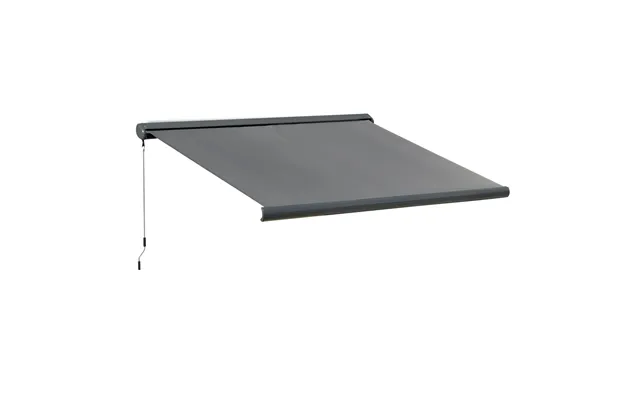
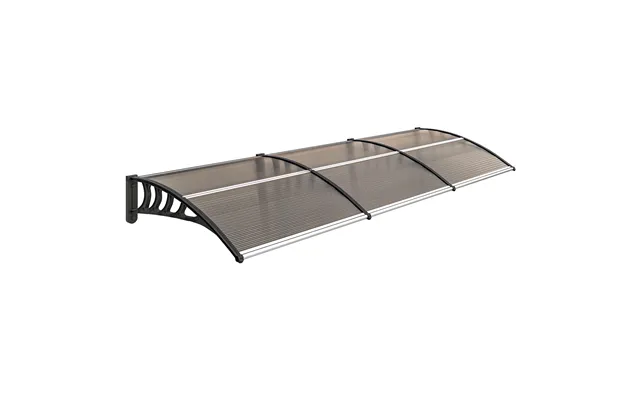
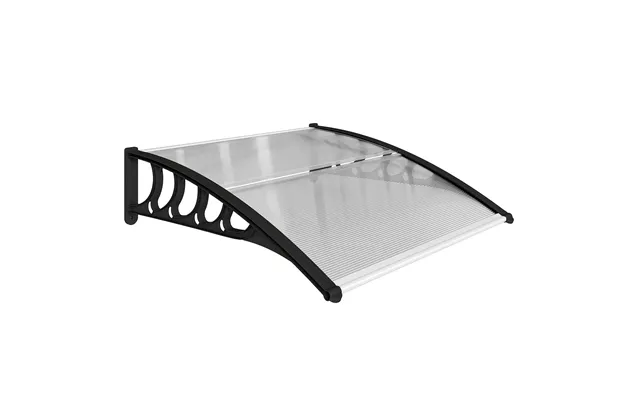
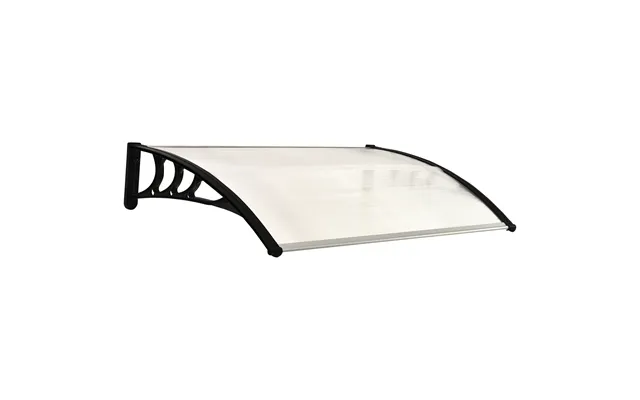
| Awning Accessories | Price | |
|---|---|---|
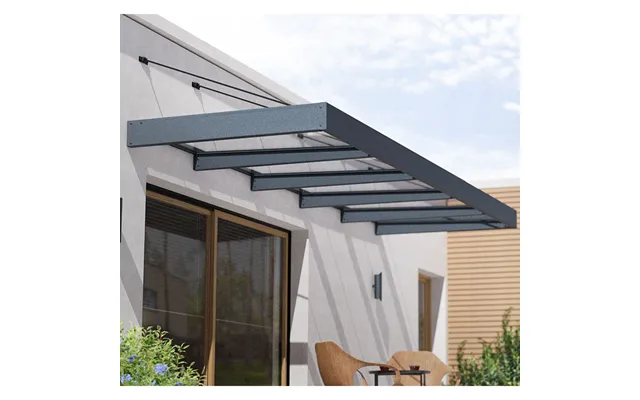
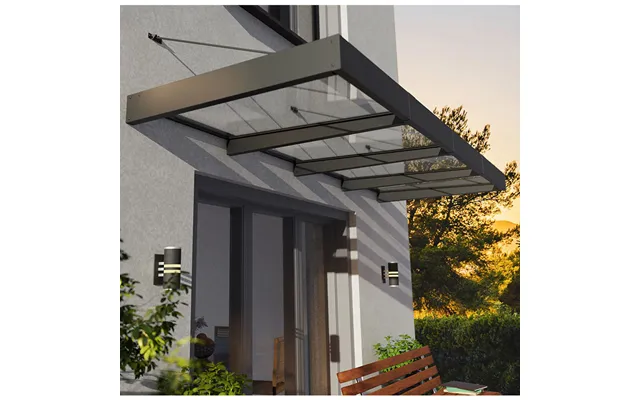
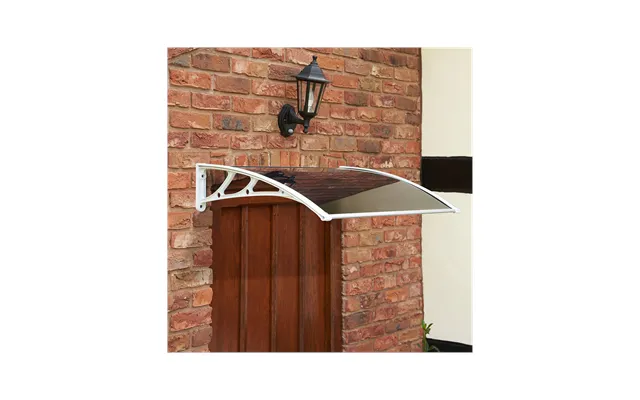
| 12â 5 X 4â 7 Palram Canopia Sophia Xl 4000 Grey Clear Door Canopy 3 | £ 1.819,- | |
| 15â 5 X 4â 7 Palram Canopia Sophia Xl 5000 Grey Clear Door Canopy 4 | £ 2.279,- |