All categories
Business & Offices
Electronics & Media
Fashion & Accessories
Groceries & Essentials
Health & Personal Care
Home & Living
Kids & Family
Sports & Outdoors
Search in ZoneOffer

Loading...
Looking for key blanks and wondering where to start? You’re not alone. Whether you’re a homeowner adding spares, a landlord managing multiple properties, or a DIY fan refreshing your shed’s padlock keys, choosing the right key blanks can feel like a maze. The good news? Once you understand the types, materials, and best buying strategies, it becomes simple—and surprisingly budget-friendly. In this guide, we’ll unpack the essentials, explore popular key blank options for UK homes and gardens, and show you how to compare offers so you never overpay.

Key blanks might look like small, ordinary pieces of metal, but they carry serious weight in your day-to-day life. A single blank can become the spare that saves you from a lockout, the backup a tenant needs, or the extra set for your garden gate so contractors can access landscaping tools without interrupting your day. With the right approach, you can pick high-quality blanks, cut them accurately, and save money by comparing prices before you buy.
And because prices and availability can vary, using a comparison site to scout popular offers and check a price list helps you land the best value—especially if you’re buying several blanks across different lock types.
A key blank is an uncut key designed to fit a specific lock profile or keyway. It has the right shape and grooves to slide into your lock, but it needs to be precisely cut to match your original key’s pattern. Think of it as a tailored suit before the final fitting—the blank provides the form, and the cutting gives it function.
In the UK, the most common blanks fit cylinder (often called Yale-style) locks and mortice (lever) locks. You’ll also find blanks for padlocks, cabinets, mailboxes, vehicles, and even tubular locks used in vending or bike gear. The trick is matching the blank to your lock’s exact profile, then getting a clean, accurate cut.
Let’s break down the key blank families you’re most likely to encounter around UK properties—from front doors to garden sheds and everything in between.
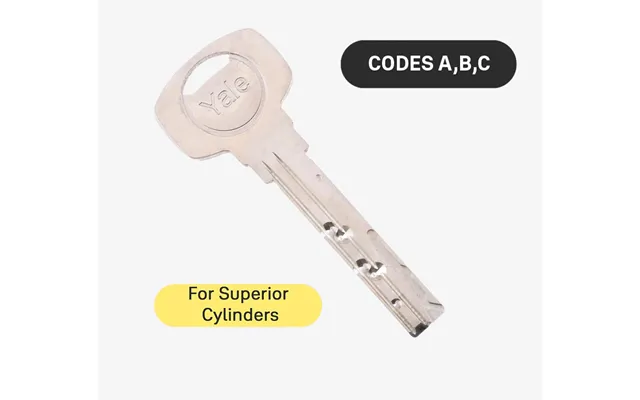
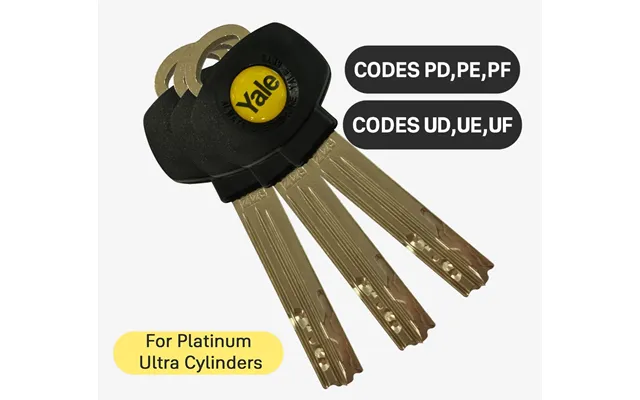
These are the everyday heroes of UK homes. Cylinder blanks fit rim cylinders and euro cylinders commonly found on front doors, side doors, and uPVC setups. You’ll notice a long, flat blade with grooves that ride along the lock’s keyway. Popular compatible systems include those used by brands like Yale and ERA, with third-party blank makers such as Silca and JMA offering profiles engineered to match.
When shopping, match the keyway profile. The code stamped on your original key—often letters and numbers—can point you to the correct blank. If you’re ever unsure, bring the original key or a clear photo of the bow and blade to a locksmith for identification.
Mortice blanks are typically used for traditional British lever locks. You’ll find them on older timber doors, internal doors with deadlocks, and classic setups by makers like Union (formerly Chubb) and ERA. These blanks usually have a round or rectangular bow and a thicker, more robust blade to lift the internal levers.
Because lever locks come in different lever counts and configurations, pick mortice blanks carefully. The shoulder position, bit width, and overall blade length matter. If you’re buying multiples, ensuring all blanks share the right profile saves a lot of hassle later.
Dimple blanks feature little drilled dots rather than typical edge cuts. They’re used in higher-security cylinders and often require specialised machines to cut. Some systems are restricted or patented, meaning you’ll need proof of ownership or a security card before a locksmith can legally duplicate them. While that might sound like extra work, the payoff is stronger protection for your home or office.



If you see markings like “Restricted,” “Patent,” or a security code card, plan ahead—buying a blank may require authorisation, and cutting is usually done by approved locksmiths.
From garden sheds to bike chains, padlocks are everywhere. Many padlock key blanks are simple single- or double-sided designs. You’ll also see smaller blanks for luggage or mailboxes. Matching the brand and the profile is key, but because padlocks can vary wildly, it’s smartest to bring the original key or lock details when shopping.
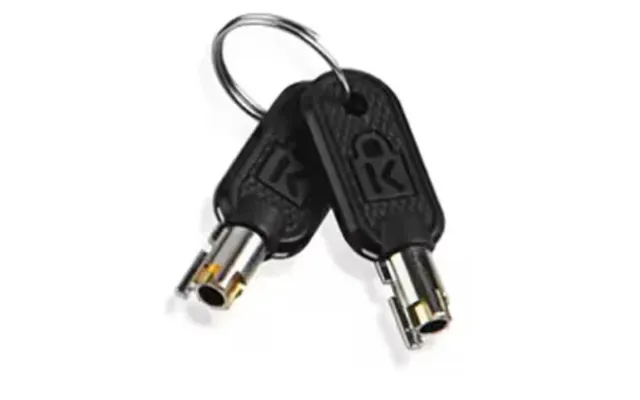
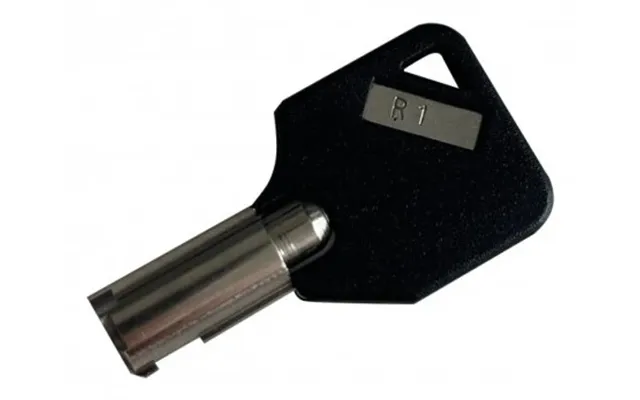
Tubular keys—those round, hollow-looking ones—pop up on vending machines, tool cabinets, and some bike accessories. Cabinet and mailbox blanks, on the other hand, may have flat blades with unique grooves. They’re common for office furniture, garages, and post boxes. These blanks are niche but handy for property managers and home offices that need organised access.
Vehicle key blanks are a different beast. Many modern car keys use transponders that require programming after cutting, while older vehicles might accept a simple mechanical blank. If your car is newer, factor in both the blank price and the programming cost. For older cars, you might get away with an unchipped blank and a basic cut—but confirm the key type first to avoid surprises.
Not all metals are created equal. The material determines how easily a blank cuts, how long it lasts, and how well it treats your lock’s internals over time. Here’s what’s most common and what to consider.
Brass is the classic choice. It machines smoothly, resists corrosion, and is gentle on lock pins and levers. If you want an easy, consistent cut with minimal fuss, brass is a safe bet. For everyday household spares, brass is typically cost-effective and reliable.
Nickel-silver (a copper-nickel-zinc alloy) usually offers better wear resistance than plain brass. Many locksmiths prefer it for keys that get heavy daily use—think front doors or office entrances. It can feel a touch stiffer to cut but rewards you with excellent longevity and crisp edges.
Steel and specialty alloys appear in certain high-security or industrial systems. They can be incredibly durable but tougher to cut and more demanding on cutting wheels. Unless your lock requires it, you’ll rarely need steel for residential keys.
In the UK, you’ll bump into lock brands like Yale, ERA, Union/Chubb, and Abus. For blanks, third-party makers such as Silca and JMA produce high-quality equivalents that match popular keyways. Compatibility is everything; a blank might look close but still fail if the grooves or shoulder geometry don’t line up.
Check your original key’s stamps. Codes often translate directly to a blank reference number. If that’s missing or worn, compare the bow shape and blade grooves to a brand’s catalogue—or better yet, ask a locksmith to identify the profile before you buy multiples.
Picking the right blank is part detective work, part matching game. Make it easy on yourself with a simple checklist.
Look near the bow for letters and numbers. Some indicate the lock brand, others point to a specific blank reference. A clear smartphone photo (front and back) helps when you’re shopping online and asking for compatibility confirmation.
When codes are missing, measure the shoulder-to-tip length and blade width using a ruler in inches. Note any side grooves, dimples, or unusual milling. A difference as small as 1/32 inch in shoulder position can be the line between a key that turns like butter and one that won’t insert fully.
Key blanks are inexpensive individually, but costs add up when you’re managing several locks across a home, rental, and garden buildings. Here’s how to buy smart.
If you only need one or two spares, single blanks are perfect. For households with multiple doors, or landlords preparing welcome packs, multi-packs slash the per-key price. Five- or ten-packs of common cylinder profiles offer great value—especially if you’re outfitting front, back, and utility doors at the same time.
Overseeing a few flats or short-term rentals? Buying bulk blanks for your most common profiles can save money and time. Keep a small organiser with labelled slots and a quick reference card for each property. When a tenant needs a spare, you’ll have the right blank ready for cutting—no last-minute shopping run required.
Key blank prices vary by brand, material, and profile rarity. Comparison platforms let you scan popular offers and check a price list quickly, which is especially useful when you’re juggling different lock types. You can compare options side-by-side to balance material quality and price for the best overall value.
Choosing the right blank is step one. Step two is ensuring the cut is spot-on so the key works smoothly and doesn’t wear your lock prematurely.
For most people, a professional cut is the simplest path. Locksmiths have calibrated machines, proper jaws for unusual blanks, and the know-how to compensate for worn originals. If your source key is old and rounded off, a locksmith can often decode it and cut to original specifications, rather than cloning the wear.
If you’re experienced and have access to a quality duplicator, you can cut common blanks at home. Just be aware: poor alignment or a dull wheel leads to chattering, burrs, and miscuts. Clean up edges with a fine file and test fit gently. Never force a new key; if it binds, recheck your alignment and shoulder stop.
Important note: some key systems are restricted. If a key or lock is marked with security restrictions, follow the rules—get permission and use an authorised cutter.
Security isn’t just about the lock—it’s about how you manage keys. Keep things above board and as secure as possible with a few common-sense steps.
Restricted keys often come with a security card or documented authorisation. Only approved locksmiths can cut them, and you’ll need to show proof. It’s a layer of protection against unauthorised copies. If you’re upgrading a rental or home office, a restricted cylinder is a smart investment because it controls duplication.
Avoid writing full addresses on tags. Use a code only you understand and store a master list somewhere safe. Keep a log: who has which key and when it was issued. For garden gates, sheds, and garages, consider a separate code so you can grant temporary access without revealing your main system.
Once your blanks are cut, finish the job with accessories that keep keys tidy, identifiable, and easy to carry.
Colour caps help you tell the front door from the side gate at a glance. Write-on tags are great for property portfolios or home offices. Key organisers tame jangly sets and keep sharp edges from scratching your phone—small upgrades that make daily life smoother.
For busy days and work belts, a sturdy split ring plus a quick-release clip is priceless. Clip off the shed keys when you’re gardening, then snap them back on when you’re done. Simple, durable, and easy.
If you manage several properties—or just like to be organised—a small wall-mounted key cabinet is a tidy solution. Use numbered hooks and a reference sheet. For higher-value sets or those tied to alarm systems, tuck spares in a safe with a combination only a few trusted people know.
A bit of care goes a long way. Proper maintenance keeps your cut keys performing smoothly and your locks happy.
Use a dry film or graphite-based lock lubricant, applied sparingly. Avoid heavy oils that can gum up pins and attract grit. If a key starts to feel gritty, wipe it down and give the lock a quick, light treatment—just enough to restore a smooth turn.
Edges that look rounded, burrs that snag, or a bow that’s bent are all red flags. Replace worn keys before they chew up your lock or snap under torque. Keep one uncut blank or a pristine original as your “master” to ensure future copies are accurate.
Let’s talk value. An ultra-cheap blank that wears out quickly or doesn’t fit your keyway isn’t a bargain. Here’s how to balance cost and quality.
Sometimes a low blank price is offset by a higher cutting fee. If you’re buying several, confirm the total cost per finished key. For restricted or dimple systems, factor in any authorisation or special cutting fees upfront.
Spending a bit more for nickel-silver can pay off if you use the key multiple times a day. For less-used doors—like a garden shed you open once a week—brass might strike the perfect balance between cost and performance.
Because pricing shifts across brands and profiles, it’s smart to compare widely. Scan popular offers, look at a price list for the blanks you need, and weigh shipping against your timeline. For multi-packs or mixed profiles, pay attention to whether all blanks match the exact keyways you use—near-miss profiles can waste time and money.
Here’s a quick, practical plan. Identify your most-used locks—front door cylinder, back door, shed padlock, maybe a garage or cabinet. Note the codes on your original keys and confirm the required profiles. Decide on materials: nickel-silver for daily doors, brass for occasional use. Buy single blanks for one-off needs, multi-packs for the profiles you’ll cut again. Then get them cut by a reputable locksmith for clean, reliable copies. Keep a labelled set of spares in a safe spot and log who has what. Job done.
Key blanks don’t demand attention—until you need one urgently. With a little planning, you can stock the right blanks, compare offers to save, and cut durable, smooth-turning keys for every lock that matters: front door, side gate, shed, and more. Look for compatible profiles, choose materials wisely, and lean on professional cutting for consistent results. Do that, and those small pieces of metal deliver outsized peace of mind, day after day.
| Key Blanks | Price | |
|---|---|---|
| Click Minigrid Spare Key For Keyswitch | £ 0,23 | |
| The Bunker | £ 1,38 | |
| Abus Mechanical 00835 36 55 55mm Right Hand Key Blank | £ 1,60 | |
| Abus Mechanical 02706 Key Blank | £ 1,60 | |
| Esp Reset Key Pack Of 5 | £ 10,03 | |
| Digitus Key For Unique And Soho Pro Series Wall-mounted Enclosures | £ 12,58 | |
| Digitus Key For Unique And Soho Pro Series Wall-mounted Enclosures | £ 12,58 | |
| Arm K50075za Wbp08 | £ 29,96 | |
| Arm K40219w5 Tk-8345 C | £ 48,21 |