

Fixture Plates price list
Last updated Monday, 19 Oct 2026





View 8 Offers


Loading...
Last updated Monday, 19 Oct 2026
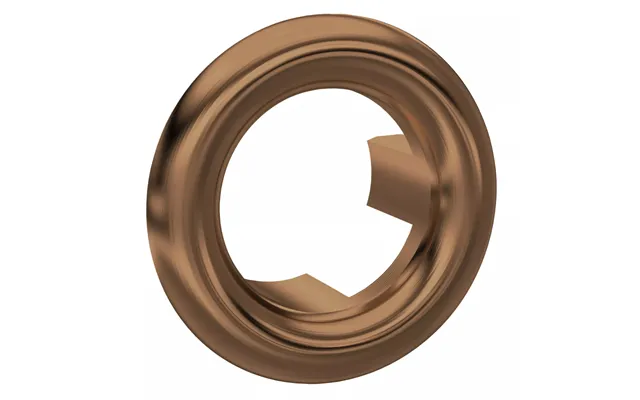
If you’ve ever noticed a neat, decorative ring around the base of a faucet or shower arm, you’ve probably seen a fixture plate — also called an escutcheon or trim plate. These unassuming pieces do more than look good: they cover rough openings in the wall or deck, hide plumbing gaps, and protect against water intrusion. Think of a fixture plate as the outfit your plumbing wears to a party — it keeps things tidy while making a statement.
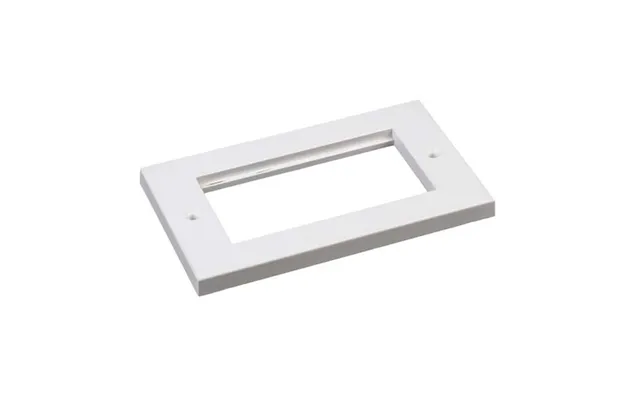
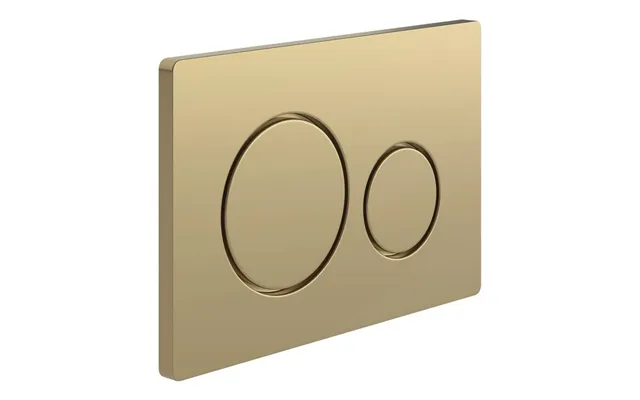
Fixture plates come in several shapes and styles depending on the fixture they're paired with. The most common are round escutcheons for single-pipe penetrations, oval or rectangular trim plates for multi-valve setups, and large decorative backplates for sinks and bathtubs. Knowing which type your project requires cuts down on trial and error and saves you time and money.
Escutcheons are typically small and circular, snugging around a single pipe or valve. Trim plates (or backplates) are larger and may cover two or three openings. If you’re working on a shower with separate hot and cold inlets, a multi-hole trim plate will usually be the right choice.
Some fixture plates have flanged or flared edges to sit flat against uneven tile or plaster. These designs make it easier to create a water-resistant seal without extensive drywall or tile cutting.
Material choice determines both appearance and longevity. Common materials include stainless steel, brass, and zinc alloy. Each comes with trade-offs in cost, corrosion resistance, and finish options like chrome, brushed nickel, or oil-rubbed bronze. Choose a finish that coordinates with your other fixtures and will withstand the bathroom or kitchen environment.
Stainless steel plates resist rust and scratches and often have a sleek, modern look. If you’re installing in a high-moisture area, stainless is a safe bet. Expect to see commonly used sizes around 2 to 4 inches in diameter for escutcheons.
Brass is corrosion-resistant and offers a warm look, especially in polished or antique finishes. It’s slightly more expensive but ages gracefully and pairs well with traditional faucets and fixtures.
Budget-friendly zinc alloy plates and high-strength plastics exist for cheaper fixtures or temporary installations. They work fine in low-traffic spaces, but they won’t hold up as well as metal in busy households.
Getting the size right is crucial. Measure the hole or gap the plate must cover and add a small overlap for a neat look. Typical escutcheon diameters range from 1-1/2 inches to 6 inches depending on the application. For multi-hole plates, measure the center-to-center distance between pipes — common spacings are 4 inches for lavatory faucets and 8 inches for some bath fixtures.
Determine the length and width of the deck opening. A single-hole faucet often needs a 2- to 3-inch round plate, while three-hole widespread faucets may need plates 8 inches in width or larger. Remember: it’s better to choose a plate that’s slightly larger than the hole than one that’s too small.
Don’t forget depth. Some plates sit flat while others project out slightly to accommodate thick tiles or wall coverings. Measure from the finished surface to where the pipe exits and select a plate with the right projection so nothing binds or looks off-center.
Installing fixture plates is one of the easiest plumbing trim tasks, but a few simple tips make the difference between homemade and professional results. Work slowly, dry-fit before sealing, and use the right sealant where needed. Most plates slide over the pipe and rest against the finished surface, then are tightened with a screw or held in place with adhesive or a gasket.
Pack a small toolbox: an adjustable wrench, screwdriver, silicone caulk, plumber’s putty, and a clean rag. If tile is involved, have a utility knife and masking tape ready to protect finished edges during fitting.
For wet areas like showers, apply a small bead of sanitary silicone behind the plate to prevent water from getting behind the wall. Use a bead no larger than 1/8-inch so it looks clean and doesn’t squeeze out when the plate is seated.
Even simple parts can cause frustration. The top issues are misalignment, visible gaps, corrosion, and loose plates. The good news is most of these are easy to correct without replacing entire fixtures.
If a plate sits crooked, loosen the mounting fasteners, adjust the pipe or valve position slightly, then retighten. For threaded pipes, ensure they’re seated straight — a small fix here saves a lot of annoyance later.
Minor corrosion can be cleaned with a soft cloth and mild cleaner. For pitted or heavily tarnished plates, replacement is usually the best choice — swapping a plate is cheaper than replacing a whole valve or faucet body.
A cohesive look ties a room together. When choosing fixture plates, match the finish and style to your faucet and shower hardware. A polished chrome plate with a brushed nickel faucet will look mismatched, even if the shapes line up perfectly. If you’re upgrading just one piece, consider replacing trim plates across adjacent fixtures for continuity.
Want a layered look? Stick to two complementary finishes — for instance, brushed nickel for faucets and oil-rubbed bronze for decorative accents. Keep fixture plates in the dominant finish for a unified appearance.
Traditional homes shine with ornate brass backplates, while modern spaces benefit from minimalist round escutcheons in matte finishes. Match the era of your home and the fixture design language to avoid a jarring mix.
Replacing fixture plates is an affordable refresh that can dramatically improve the appearance and function of a bathroom or kitchen. Consider an upgrade when you remodel, when finishes start to tarnish, or when you replace faucets and want the trim to match. Small updates like this deliver big visual returns without the cost of full fixture replacement.
During a remodel, change fixture plates to match new cabinet hardware or lighting. It’s a subtle change that helps tie together new materials and finishes across the room.
Older homes often have uneven walls and thicker plaster; choose a plate with a deeper projection or a flanged edge to hide imperfections and make installation easier.
When evaluating options on a comparison site, filter by material, finish, diameter, and hole configuration. Read buyer reviews for notes about actual fit and finish — they’ll tell you if a 2-inch plate is really 2 inches, or if the chrome finish scratches easily. Price is important, but so is compatibility with existing plumbing and the ease of installation.
Measure plumbing protrusions before you buy. Make sure the center-to-center spacing and the thread type match your valves. If the listing includes dimensions in inches and shows a diagram, you’re in good shape.
While you won’t be asking about a store’s return policy here, it’s smart to check the manufacturer’s warranty and replacement part availability. Some premium brands offer lifetime finishes or easy replacement if a finish wears prematurely.
Routine cleaning keeps fixture plates sparkling. Use gentle cleaners and a soft cloth — avoid abrasive pads that scratch finishes. A quick wipe-down after showers or daily cooking prevents soap scum and mineral buildup. For stubborn hard water stains, soak a cloth in white vinegar (applied briefly) and wipe clean, then rinse thoroughly.
Wipe with a damp cloth after each use to avoid water spotting. For satin or brushed finishes, wipe along the grain to maintain the look. Don’t use bleach on brass or plated finishes; it can strip protective coatings.
If scratches, dents, or corrosion are extensive, replacement is often the better value. Replacing a trim plate costs a small fraction of replacing a whole faucet and can freshen the look instantly.
Beyond the plate itself, consider matching accessories like supply lines, shut-off valves, and decorative screws that match the finish. These small details help the installation look intentional and polished rather than pieced together.
Many trim kits offer matching decorative screws or caps that snap over mounting hardware. They hide unsightly fasteners and maintain a continuous finish across the plate.
Some plates come with integrated rubber gaskets to form a better seal against walls or tiles. These are handy for tight waterproofing requirements, especially in shower installations.
Fixture plates are small parts with a big impact. They tidy up visible plumbing, protect openings from moisture, and help create a cohesive design language in any room. With the right measurements, material, and finish, you can achieve a professional look without a professional price tag. Whether you’re refreshing a sink, upgrading a shower, or finishing a kitchen remodel, paying attention to escutcheons and trim plates will pay off in form and function.
Next time you shop on a comparison site, take the time to measure and match. A thoughtfully chosen fixture plate will save you headaches, prevent leaks, and make your fixtures look like they were meant to be together from the start.
Fixture plates are the unsung heroes of plumbing trim — affordable, functional, and decorative. From selecting the right material and finish to ensuring proper sizing and installation, thoughtful choices will keep your space looking sharp and functioning well for years. Keep a few sizes and finishes in mind, measure carefully in inches, and prioritize a material that suits your environment. The result? A neat, finished look that protects your home and elevates your fixtures with minimal fuss.