
Water Levelers price list
Last updated Thursday, Sep 17, 2026



View 5 Offers
Loading...
Last updated Thursday, Sep 17, 2026
If you’ve ever dealt with a noisy toilet, a thirsty pool, or a temperamental sump pump, you already know that keeping water at the right height can be surprisingly tricky. That’s where water levelers come in. From float valves in tanks to smart electronic sensors in pools and aquariums, the right water level control can save you time, money, and stress. In this deep dive, we’ll unpack the most popular types of water levelers for house, garden, and plumbing projects, explain how they work, help you compare features, and share simple install and maintenance tips. Looking for deals? A comparison site like ZoneOffer can help you spot standout prices from multiple sellers without the headache of hopping between tabs. Let’s make sure your water is always exactly where it should be—no guesswork, no waste, no drama.
A water leveler is any device that keeps water at a target height—automatically, manually, or with a little help from gravity. Sounds simple, right? In practice, it can be the difference between a calm, efficient system and a costly mess. Think of a water leveler as your behind-the-scenes “line judge,” correcting tiny changes due to evaporation, use, or leaks. In a toilet, it refills the cistern to a set mark; in a pool or pond, it adds just enough water to recover from splash-out or a hot, dry day; in a sump pit, it tells the pump when to wake up and when to take a nap. Whether you’re plumbing a garden tank, maintaining a hot tub, or curbing a basement flood risk, a reliable leveler helps you avoid waste, protect equipment, and keep everything running smooth as glass.
Water levelers come in a few core flavors: float-type mechanical valves, electronic sensors, and hybrid units that pair sensors with solenoid valves or pumps. Which one you choose depends on where it’s going and how hands-off you want it to be. For example, a simple float valve in a garden tank may be all you need, while a smart auto top-off system is a better fit for a saltwater aquarium. Below, we’ll break down the most common styles you’ll find when comparing products and offers across plumbing and home categories.
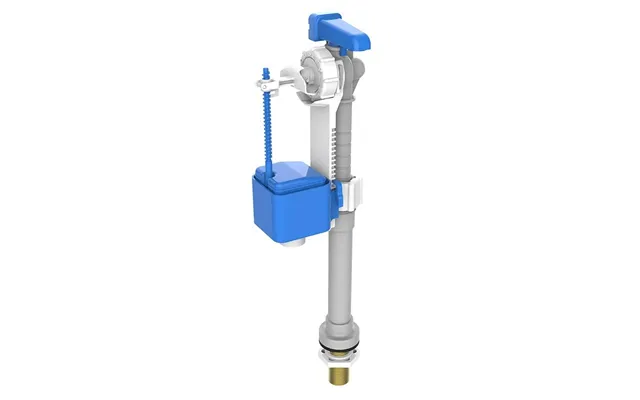
Mechanical float valves are the original set-and-forget water levelers. Picture a buoyant float attached to a lever: as the water rises, the float lifts and gradually closes the valve; as it falls, the valve opens and adds water. That’s it. They’re widely used in storage tanks, garden cisterns, livestock troughs, and even rain barrels. You’ll often see models made of brass, stainless steel, or durable plastics, with inlet connections in common sizes like 3/8 in, 1/2 in, and 3/4 in. Choose a model that’s lead-free if it’s used near potable water, and make sure the pressure rating matches your supply—many domestic lines run around 40 to 80 psi. These valves are rugged, affordable, and easy to install with basic tools and thread seal tape. Their Achilles’ heel? Debris and limescale. A quick clean now and then keeps them performing like new.
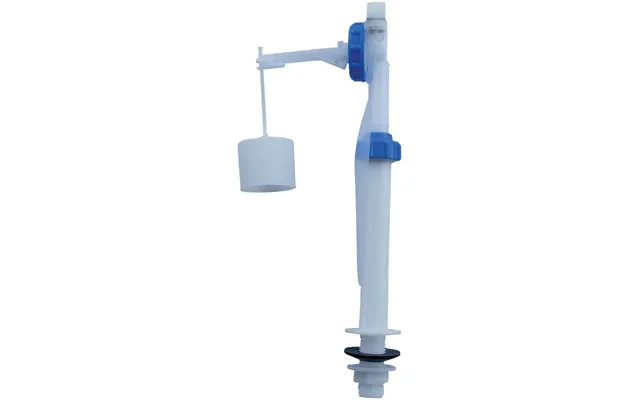
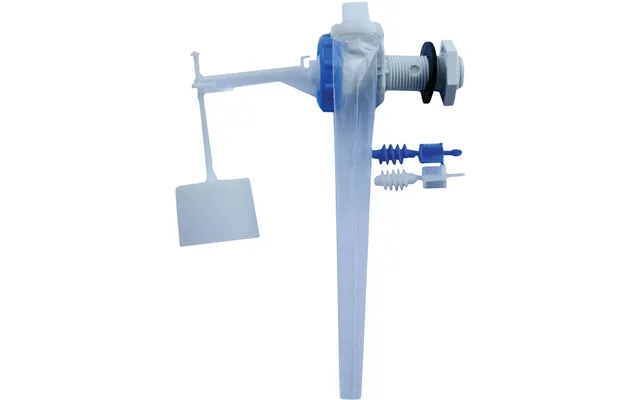
Toilet fill valves are specialized float valves designed to refill a cistern quietly and efficiently after every flush. Modern designs typically feature anti-siphon protection, adjustable height, and flow regulation for a quiet, fast refill. Universal-fit models often work with most toilets and connect via 3/8 in or 1/2 in supply lines. If your toilet is ghost-flushing, running intermittently, or taking forever to refill, a new fill valve can solve the problem in minutes. Look for noise-dampening features, easy height adjustment, and durable seals. Bonus tip: replace the flapper or flush valve seal at the same time, and you’ll usually cure leaks, improve flush consistency, and shave gallons off your monthly water use.
Pool and hot tub water levelers address evaporation, backwashing loss, and the occasional cannonball that sends half the shallow end over the coping. These devices range from simple deck-mounted float trays that connect to a garden hose, to inline systems tying into your plumbing with backflow prevention for safety. Look for models with sturdy housings that can handle UV, splashes, and chemicals, plus adjustable set points so you can fine-tune water height. A quality unit prevents the pump from gulping air (a fast track to wear), helps heaters and skimmers operate efficiently, and keeps the waterline clean. If you maintain a saltwater pool or hot tub, confirm that materials and seals are compatible with salt to prevent premature corrosion.
Ponds and fountains lose water every sunny day, and a reliable leveler stops you from topping off with a hose constantly. Float valves are common in hidden reservoir basins, while electronic sensors paired with solenoid valves can deliver more precise control and better resistance to debris. If fish are in the mix, gentle refill flow and secure anti-siphon features are important to avoid sudden temperature or chemistry changes. Choose materials that won’t leach and aim for a design that’s easy to clean, because algae and fine debris will eventually find their way to the valve seat or sensor face. For outdoor installations, a small protective enclosure helps shield electronics from splash and sun.
In aquariums—especially reef setups—evaporation is a big deal, because it changes salinity. ATO systems monitor the water level in the sump or display and automatically add freshwater from a reservoir. Many use optical sensors for precision, while others rely on mini mechanical floats. Premium models provide dual sensors for redundancy, time-out safety features, and alarms. If you’ve ever found your return pump sucking air at midnight, you already know why ATOs are sanity-savers. Look for quiet pumps, kink-resistant tubing, and easy mounting brackets. For larger tanks, pick a pump that can push the required head height in feet without strain, and consider a failsafe float switch that stops the pump if a sensor ever fails.
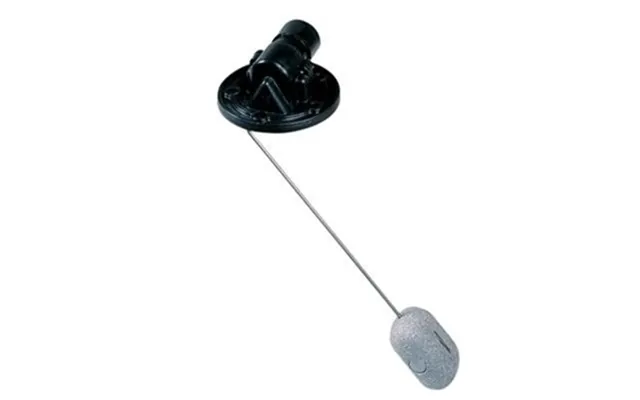
In basements and crawl spaces, a float switch turns a sump pump on when water rises and off when it falls—simple, but mission-critical. The two most common types are vertical floats, which move up and down a rod (great for smaller pits), and tethered floats, which swing in a wider arc (better for larger pits). Look for switches with tough cords, sealed housings, and ratings that match the pump amperage. Piggyback plug designs make replacement painless: you plug the pump into the float switch, then the switch into the outlet. If your pump short-cycles or runs continuously, the float switch may be undersized, misadjusted, or sticking. A correct, reliable switch protects your pump and your basement.
Smart levelers use probes, pressure sensors, or ultrasonic heads to track water height and then control a valve or pump accordingly. Many connect via Wi‑Fi, send phone alerts, and integrate with voice assistants or automation platforms. They shine in applications where precision and data matter—think cisterns, storage tanks, or irrigation systems. Some units detect rapid changes that indicate a leak and shut off automatically. When shopping, check ingress protection ratings on controllers and probes, power requirements, maximum cable length, and how the system handles power outages. If you want the convenience of remote monitoring and the safety net of alarms, a smart sensor setup feels like going from a hand-crank to cruise control.
Choosing a water leveler is like picking the right tool from a crowded box—you want the one that fits your job perfectly. Start with compatibility: confirm inlet size (such as 3/8 in, 1/2 in, or 3/4 in) and make sure the connection type matches your plumbing. Next, review the working pressure and temperature range—many residential lines run around 40 to 80 psi, and hot water or outdoor sun can push temperatures higher than you think. For mechanical valves, look at materials (lead-free brass or food-safe plastics for potable water) and the quality of the float mechanism. For electronic systems, check sensor type, cable length, power supply, and the presence of redundancy features like dual sensors or overfill time-outs. Finally, consider certifications and third-party testing, warranty length, and whether spare parts like seals and floats are easy to find. A little homework here can add years to the service life.
Most water levelers install with basic DIY skills, but a few small details make a big difference. Always shut off your water, depressurize the line, and keep a towel handy. Use fresh thread seal tape in the correct direction on male threads, and don’t over-tighten plastic fittings—snug plus a gentle turn is usually enough. Maintain an air gap or use a proper backflow preventer where required to protect your potable water. Mount floats so they can move freely without rubbing the tank wall. For electronic gear, route cables with drip loops and keep connections off wet floors. After installation, cycle the system a few times and watch it work—listen for chattering, look for drips, and make small adjustments to get the set point just right. A clean first run is your best predictor of long-term reliability.
Like any valve or sensor, water levelers appreciate a little routine care. Once every few months, inspect for mineral buildup, debris, or algae. Mechanical valves often perk up with a quick clean of the seat and a rinse of the float arm. If you live in a hard-water area, soaking removable parts in a vinegar solution helps dissolve scale. For toilet fill valves, replacing a worn seal or flapper is a cheap win that stops constant refills. Electronic sensors may need a wipe with a soft cloth, and cable connections should be dry and snug. Common symptoms have simple fixes: a slow refill points to a clogged inlet screen, a never-ending refill suggests a misadjusted float or a downstream leak, and short-cycling in a sump usually means the float switch isn’t positioned correctly. Stay ahead of these little quirks, and your leveler will stay out of sight and out of mind—as it should.
Water levelers don’t just save effort—they save gallons you’re likely paying for. A slightly running toilet can waste dozens of gallons a day. Evaporation in a medium pool can drain away many gallons in a hot week. A proper leveler ensures you only replace what’s needed and nothing more. Beyond the monthly bill, there’s equipment protection to consider: pumps that never suck air last longer, heaters run more efficiently, and filters stay within their design range. For gardens and tanks, a steady level reduces stress on irrigation pumps and keeps flow rates predictable. In short, the right leveler turns your system from a leaky bucket into a closed loop. It’s one of those upgrades that quietly pays for itself while you’re busy doing anything else.
Matching sizes and connections can be the trickiest part of buying a water leveler. Before ordering, measure or check the specs for inlet and outlet sizes—3/8 in compression for many toilets, 1/2 in or 3/4 in for tanks and garden setups are typical. Confirm the thread standard for any adapters you’ll need, and plan your hose or pipe routing so the float or sensor has space to work. Pay attention to the device’s overall height, especially inside cisterns, sumps, or skimmer boxes. For electronic systems, verify cable lengths and power needs so you’re not stretching or splicing in awkward places. Think of it as puzzle-fitting: when every piece drops in cleanly, the installation feels easy and the results are dependable.
Water touches everything: your fixtures, your family, your yard, and sometimes your wiring. That’s why safety and build quality matter. For potable applications, choose lead-free components and food-safe plastics. Where cross-connection is possible, ensure there’s a certified backflow preventer or an air gap to protect your supply. Outdoor installs benefit from UV-stable plastics and corrosion-resistant metals, and any electronics should carry appropriate ingress protection ratings so splashes don’t become surprises. Good manufacturers stand behind their gear with testing, documentation, and clear installation guidelines. Spending a bit more for robust materials and thoughtful design usually pays off in fewer leaks, fewer worries, and far fewer emergency call-outs.
Not every situation demands automation. For a rain barrel you check daily, a simple float or even a manual check can be fine. But the moment consequences grow—like a pool pump that must not run dry, a basement that must not flood, or an aquarium that must not swing in salinity—automatic level control is worth every penny. A good rule of thumb: if you’d be stressed to miss a day of monitoring, go automatic; if you can walk away for a week without concern, manual may be enough. Hybrid setups also exist—manual valves with visual gauges, or electronic alarms without automatic fill—letting you dial the level of oversight you prefer.
Picture a small apartment with a compact toilet that keeps hissing—swapping the fill valve for a quiet, adjustable model delivers immediate peace and cuts water waste. Now swing to a suburban backyard with a medium pool and a lively family: an automatic leveler preserves pump life and keeps weekend swims carefree. In a hobbyist’s fish room, a dual-sensor ATO protects fragile corals, while downstairs a stout vertical float switch keeps a sump pump honest after rainstorms. Out in the garden, a mechanical float keeps a storage tank topped for irrigation, and a smart sensor texts you if the level dips unexpectedly. Different scenes, one theme: a tailored water leveler makes each setup simpler and safer.
Because water levelers span everything from budget float valves to premium smart controllers, prices can vary widely. That’s why using a trusted comparison site is smart. A platform like ZoneOffer isn’t a store—it’s a comparison site that pulls together offers from multiple sellers so you can scan prices, specs, and promotions in one place. Filter by type (toilet fill valve, pool leveler, pond controller, ATO, sump float switch), connection size, materials, and must-have features like backflow prevention or dual sensors. Once you’ve shortlisted a few models, read through user reviews for insights on noise, durability, and installation quirks. A few minutes of comparing can translate into a better device at a better price, delivered by the seller you prefer.
Water levelers may not be flashy, but they’re the stealthy heroes of smooth-running homes and gardens. Whether you need a basic float valve for a tank, a quiet toilet fill valve, a pool or pond auto leveler, a dependable sump float switch, or a smart sensor system that texts you when something’s off, there’s a product tailored to your setup. Focus on compatibility, materials, safety, and the specific challenges of your environment, and you’ll pick a winner. With the right choice—and a quick, clean install—you’ll spend less time minding the waterline and more time enjoying what the water enables, from comfortable showers to sparkling pools and thriving gardens.