

Pool Heaters price list
Last updated Monday, 19 Oct 2026



View 4 Offers
Loading...
Last updated Monday, 19 Oct 2026
If you love swimming but hate the cold shock of dipping into chilly water, a pool heater can transform your season. A quality heater extends your swim season by weeks or even months, turns morning dips into a comfort, and raises the overall usability and resale appeal of your pool. Think of a pool heater like a thermostat for relaxation — it gives you control over the temperature so your pool is ready when you are.
Installing the right heater also reduces the strain on your schedule. No more waiting for a hot day or rushing to heat the pool for a weekend. With options ranging from efficient heat pumps to solar systems and gas models, you can pick the solution that fits your budget, pool size, and climate goals. In short: if you want reliably warm water and more time to enjoy your pool, a heater is one of the smartest upgrades you can make.
Not all pool heaters are created equal. Each type has pros and cons depending on where you live, how often you swim, and what kind of equipment your pool already uses. The major types are heat pumps, gas heaters, solar heaters, and electric resistance heaters. Knowing how each one works helps you match performance with cost and efficiency.
Heat pumps extract heat from the surrounding air and move it into your pool water. They’re extremely energy efficient compared with direct electric heaters because they transfer heat rather than create it. If you live in a temperate climate and want low running costs, a heat pump is often the best option. They work best when air temperatures are above about 45°F and can keep a pool consistently warm with modest electricity use.
Gas heaters burn natural gas or propane to produce heat directly. They deliver fast, reliable temperature boosts and are ideal when you need to raise water temperature quickly — for example, ahead of a weekend event or sudden cold snap. The downside is higher running cost and usually higher emissions compared with heat pumps. If you live in a cold climate or want on-demand heat, gas might be the right fit.
Solar systems use rooftop or ground-mounted panels to warm pool water using the sun’s energy. They’re the greenest option and can be inexpensive to run once installed. Solar blankets and covers also help retain heat and can add several degrees without extra energy input. Solar is storage-dependent — sunny days give the best performance — but paired with a backup heater, it can dramatically cut costs.
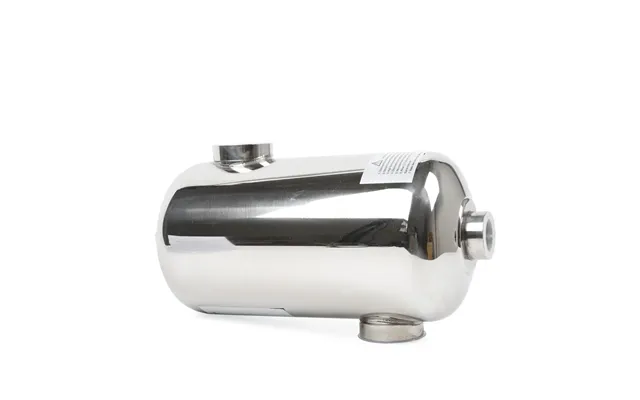
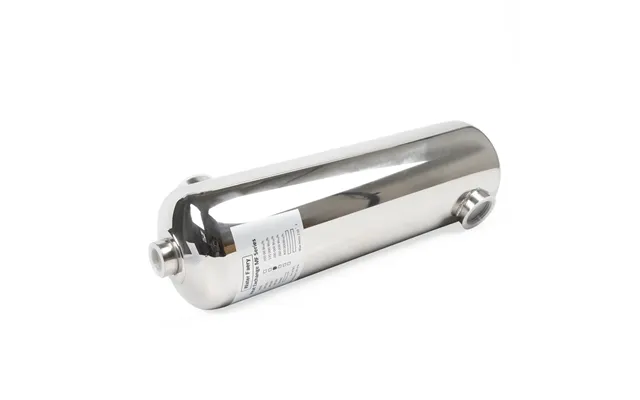
Electric resistance heaters are straightforward: electric elements heat the water as it passes through the unit. They’re compact and cheap to buy but expensive to operate, so they’re best for small pools, spas, or as temporary solutions. Heat exchangers (used with boilers) can be efficient in homes already using a hydronic heating system, but installation is more complex and typically suited to larger properties.
Choosing the correct heater size is more science than guesswork. You want enough capacity to warm your pool at a reasonable rate and maintain a target temperature despite wind and ambient temperature. Heater capacity is usually measured in BTU per hour (BTU/hr) or, for heat pumps, in tons or kilowatts — but BTU is the common yardstick in the pool world.
A practical rule of thumb: for a typical backyard pool, aim for roughly 50–100 BTU per gallon per hour of desired temperature rise. For example, if you want to raise 10,000 gallons of water by 10°F in a reasonable timeframe, you’d need somewhere near 500,000 to 1,000,000 BTU total output — which you’d match to a heater’s continuous BTU/hr rating. Local climate, desired speed of heating, and how well insulated your pool is will affect the exact size needed.
Start by measuring your pool in feet and calculating gallons. A rectangular pool of 20 ft by 40 ft with an average depth of 4 ft holds about 24,000 gallons (20 × 40 × 4 × 7.48 = gallons). Decide how many degrees Fahrenheit you want to raise the water and how quickly. Multiply gallons by 8.34 (pounds per gallon of water) and by the desired temperature rise in °F to get BTU required to achieve that rise. Divide by the time in hours you want the rise to occur to find the required BTU/hr. This gives you a realistic target when comparing heater specs.
Running costs vary widely by heater type. Heat pumps usually have the lowest ongoing costs because they move heat instead of generating it. Efficiency is often quoted as COP (coefficient of performance) — a COP of 5 means five units of heat output for every unit of electricity input. Gas heaters have high peak output but lower efficiency and higher fuel cost per BTU. Solar systems have near-zero operating fuel cost but rely on sunlight.
To estimate running costs, compare the heater’s BTU/hr output and its fuel or electricity cost. For electric-powered units, check kW consumption and multiply by local electricity rates. For gas, convert BTU/hr to therms or gallons of propane and use current fuel prices. Remember to factor in real-life usage: if you only use the pool on weekends, a responsive gas heater might cost less overall despite higher per-hour costs.
Imagine a heat pump with a COP of 5 using 4 kW to produce heat equivalent to 20 kW. Multiply electricity cost by 4 kW for hourly running. A gas heater producing the same heat might burn 180,000 BTU/hr and cost more per hour depending on natural gas or propane prices. Solar panels offset a large portion of heating needs in summer, dropping the effective cost near zero during sunny months. Use a seasonal estimate for realistic budgeting.
Proper installation not only makes the heater more efficient but also extends its life. Place heat pumps on level ground with clear airflow, install gas heaters where local codes allow, and size piping correctly to avoid flow losses. For solar panels, angle and orientation matter — south-facing installations typically work best in the Northern Hemisphere.
Maintenance keeps performance high: clean filters and coils, check water chemistry regularly, and inspect electrical and gas connections. With heat pumps, clear debris from the air intake and keep at least a few feet clearance on all sides. For gas heaters, annual professional inspections reduce safety risks. And if you use a solar blanket or cover, remove it occasionally to let the pool breathe and prevent algae growth.
When spring arrives, start your heater system early to check for leaks, controls issues, and proper operation. For winterizing, drain water lines as instructed by the manufacturer, disconnect and protect electrical components if necessary, and, when possible, run the heater briefly before covering to ensure everything is dry and working. Leaving salt or chemicals at high levels over winter can damage elements or heat exchangers — balance water chemistry before shutdown.
Accessories can be as important as the heater itself. On a cool night, a solar cover can retain several degrees of temperature and cut heating hours dramatically. Use a floating solar blanket for small pools or full-size solar covers for larger in-ground pools. Insulated pool covers are another option for long-term retention during off-seasons.
Smart thermostats, timers, and Wi-Fi controls let you run your heater only when needed. Set schedules to heat before you swim and lower the temperature when idle. Remote control via phone apps adds convenience and energy savings — no more wasting energy heating an empty pool. Combine smart controls with weather sensors to avoid heating on warm sunny days.
The market offers well-reviewed heat pumps from several reputable manufacturers, gas heaters that perform under pressure, and solar systems that scale from small above-ground pools to large in-ground installations. When shopping, compare warranty length, service network availability, and user reviews — longevity and reliable support matter as much as upfront price.
For energy-conscious owners, look for high-COP heat pumps with inverter technology that adjust output to demand. If you need quick heat for occasional use, choose a gas heater with high BTU output and good safety features. For eco-minded buyers with plenty of sun, combine solar collectors with a backup electric or gas heater. Above-ground pools benefit from compact electric heaters or small heat pumps designed for lower flow and smaller volumes.
Prices vary widely between retailers and suppliers, so comparison shopping pays off. Look at bundled packages that include installation, warranties, and accessories like covers and thermostats. Seasonal promotions often appear in spring and early summer, but winter discounts can also surface as retailers clear stock.
Using a price-comparison platform helps you quickly evaluate multiple offers and read verified customer feedback. Compare not just sticker price but expected running cost over a season and warranty coverage. A slightly more expensive unit with a longer warranty and better efficiency can save money over time.
Try not to undersize your heater to save money up front; it’ll struggle and run continuously, costing more over time. Conversely, oversizing isn’t always better — a giant gas heater for a small pool wastes energy and money. Ignoring flow rate and pump compatibility is another common misstep; the heater and circulation pump must be matched for optimal performance.
Also, don’t skimp on insulation and covers. Even the best heater loses efficiency if heat escapes overnight. Properly sized pool covers and smart operation schedules are simple fixes that deliver large savings.
Decide what matters most: low running costs, quick temperature changes, eco-friendliness, or upfront budget. If you want consistently warm water with low running bills, invest in a heat pump. If you need rapid heat on demand, pick a gas heater. Want the greenest solution? Go solar and use a cover to retain heat. Always size the unit correctly, budget for installation, and include accessories to protect your investment.
Comparing models, reading reviews, and checking energy usage estimates will lead you to the right purchase. With the right system and sensible operation, your pool can stay comfortably warm from spring through fall and beyond.
Conclusion: A thoughtfully chosen pool heater, paired with the right accessories and good maintenance habits, can dramatically improve how and when you use your pool without breaking the bank. Evaluate your needs, do the math on BTU and operating costs, and don’t forget a quality pool cover — it’s the unsung hero of efficient heating.